Archiv der Kategorie: Uncategorized

Travel Guide – Kanto

関 東 (K A N T O)

wikipedia DE / wikipedia EN / japan-guide
[Deutsche Version]

Usually, a visit to Japan automatically is a to Kanto. Tokyo is a part of Kanto. Many places that can be reached as a day trip from Tokyo are worth a visit. Until a few years ago (2013) all international flights to/from Tokyo were going over Narita Airport. Now, thanks to Tokyo 2020 Olympics, also Haneda offers international connections.
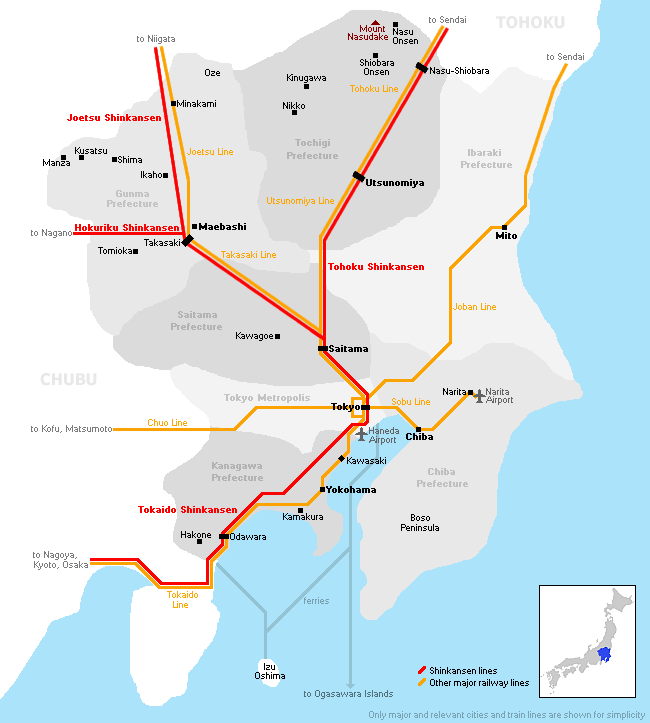

[I’m a fan of japan-guide.com. The pic is a URL-Link to the webpage.]

Kanto is formed by the prefectures Gunma, Tochigi, Ibaraki, Saitama, Chiba, Kanagawa and the metropolis of Tokyo in the center. The border can be drawn als followed: from Hakone in the south up northwards to Kusatsu Onsen; from here northeastward to Nasu Onsen; and from here eastbound to the coast. There are 3 shinkansen lines passing thru Kanto: the Tokaido (to Nagoya, Osaka, Kyoto), the Tohoku (to Sendai, Morioka, Aomori), the Yoetsu (to Nagano, Kanazawa). Every line starts in Tokyo. The is a Chuo Line in planning that will follow the old Nakasendo, more or less. Sightseeing Spots that must be visit are Kamakura and Nikko. Hakone, Yokohama and maybe Kusatsu onsen should be on the list to. Unfortunately all places are not located at the shinkansen tracks. Sum up (Rule: SHOULD is MUST if CAN):

  • MUST VISIT: Tokyo, Kamakura, Nikko, Hakone, Yokohama (at night)
  • SHOULD: Kusatsu Onsen, Narita
  • can: Kinugawa Onsen, Kawagoe, Kashima, Katori
  • skip it: Mito

東京 : Tokyo MUST VISIT, 3 Tage+

wikipedia DE / wikipedia EN / japan-guide

You should calculate at least 3 days to cover 90% of Tokyos basics. From my point of view a hotel close to Ueno is a good idea, because this is close to the Shinkansen, major train lines (Yamanote, Chuo, Tokaido, …) und subway lines (to Ginza, Shinjuku, Shibuya, …) and also sightseeing spots (Ueno Park, Asakusa, Akihabara, Kanda Myoin). Of course there are other good place for a base camp, like Shiodome, that are close to the Tohoku line and Yamanote. — Tokyo needs its own travel guide (like Kyoto) and therefore is not covered in this post.

Day Trips

Yokohama, Kamakura, Hakone and Nikko are easy to access. All these place are a must visit. But don’t underestimate the travelling time und that temples and parks are closen between 4pm and 5pm. Nikko and Kamakura have enough for two days but the highlighs can be visited within a day.


 鎌倉 : Kamakura, Kanagawaken — MUST VISIT, 1 Tag+

wikipedia DE / wikipedia EN / japan-guide

Kamakura was the de facto capital of Japan from 1185 to 1333. Therefore many temples and shrines can be found here. Kamakura was my frist day trip on my first Japan visit. Wow. My need really need to visit Kamakura. Kamakura offers more than you can see on one day. But, the really good stuff is doable in one single day: the temples Engakuji and Kenchoji in the North, Tsurugaoka Hachimangu and the small shopping street close to the train station in the city center, and the Hasedera temple and the great Budhha in the Kotokuin in the West. Kamakura can be reached from Tokyo by using Yokusuka line. Exit at Kitakamakura. You have to change in Ofuna if you use the Shinjuku or Tokaido line. (For Anine Fans: Elfenlied is playing in Kamakura. You will recognize many places.)


日光 : Nikko, Tochigiken — MUST VISIT, 1 Tage+

wikipedia DE / wikipedia EN / japan-guide

Nikko is a must visit that can be visited as a day trip from Tokyo. Like Kamakura and Kyoto this a place with a very high temple density. The temple and shrines of Nikko are approx. 1,2 mi away from the train station. The location is a „UNESCO world heritage“. A must visit are: Toshogu Schrein, Futarasan, Taiyuinbyo, Rinno-ji and the Shoyoen garden. At a longer stay put Chuzenko and the in winter the ski resort on the list. Nikko is accessable by JR and Tobu railway. With JR you have to change at Utsunomiya (Shinkansen stop). Be aware that getting the wrong train can end up in 3 hours travel time. The Tobu line is departing from Shinjuku / Ikebukuro oder Asakusa.


 鬼怒川温泉 : Kinugawa Onsen, Tochigiken — can, 1 Tag

Kinugawa Onsen looks a little bit run down, like the best times are over and gone. I have visited three of the available attractions: the boat cruise on the river, Tobu World Square and Nikko Edomura. The boat cruise is nice. World Square provides miniatures of sightseeing spots from all over the world, but the minatures are old and not in prefect shape. But they are the same scale so it is easy to compare. Nikko Edomura is a theme park that revives old Edo times. There are costumes for rent. Getting there takes 2 hours by Tobu Railway from Asakusa or Shunjuku/Ikebukuro.


箱根 : Hakone & Lake Ashi, Kanagawaken — MUST VISIT, 1 Tag+

wikipedia DE / wikipedia EN / japan-guide

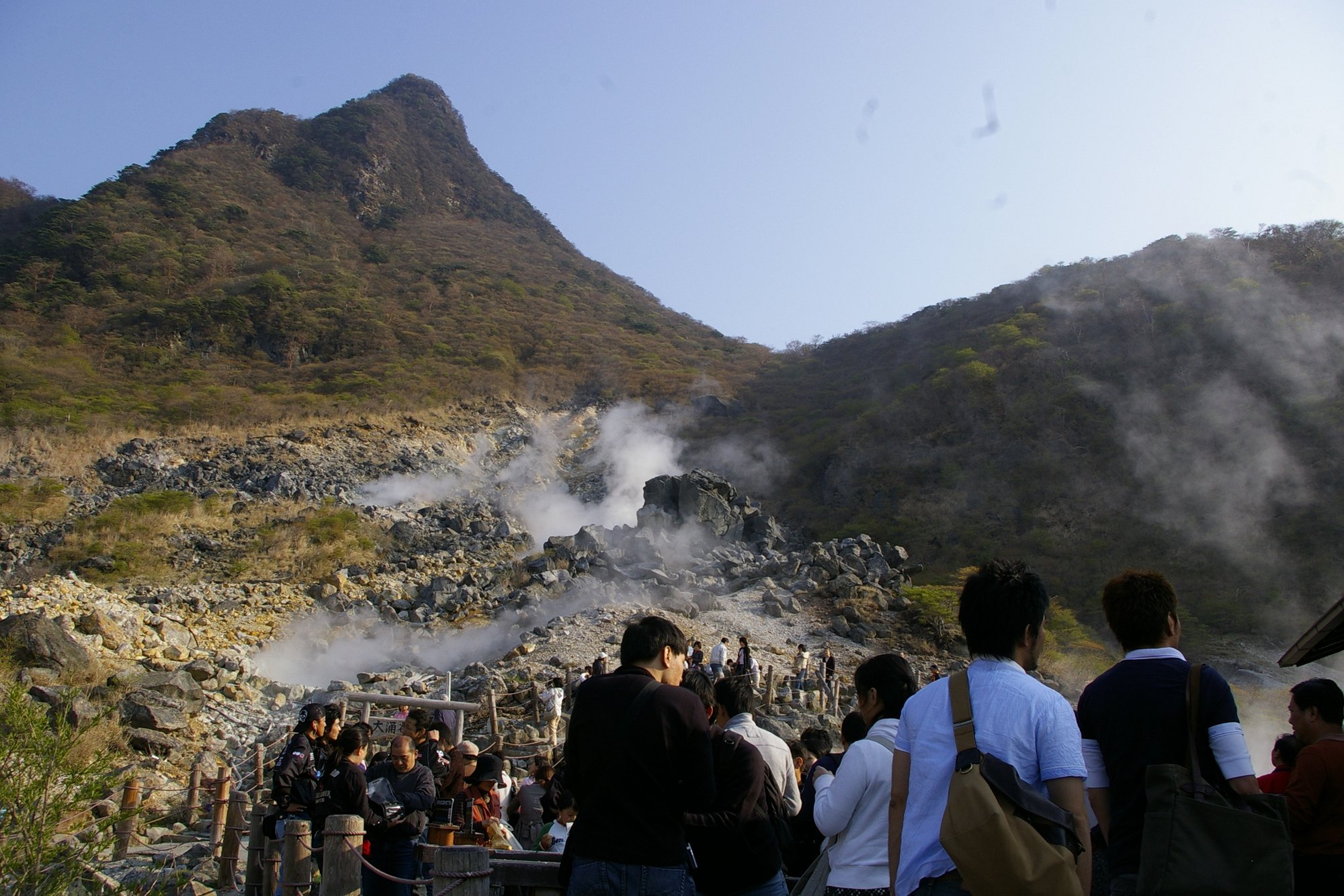
Hakone is a day trip from Tokyo. Use the Toei-Line from Shinjuku to Hakoneyumeto; change into the tiny Tozan Line uphill; then the cog railway and the ropeway into the vulcanic field Owakudani. Then also can hike the last part of this way. The ropeway leads further to Togendai. Here boats on Lake Ashi depart for Hakonemacchi, the old toll gate that seperates Kanto and Kanzai. From here a peace of the old Tokaido  leads to Motohakone with the Hakone shrine. Busses are going back to Hakoneyumeto. There are oven more hiking trails and Onsen, but that requires a second day. Toei offers a two day Hakone Pass. (More could be found here.)


横浜 : Yokohama, Kanagawaken
MUST VISIT (at night), can visit (at day)

wikipedia DE / wikipedia EN / japan-guide

Maybe I misjudge Yokohama but at daylight it doesn’t look that fancy. At night this is different: Landmark Tower, the old ware houses in Minato Mirai and China Town illuminated nicely. The three places are connected by a promenade. My recommendation: Combine a visit to this three places with a day trip to Kamakura. Leave Kamakura before 5pm (the temples close at that time anyway) to be in Chinatown at 5:30pm. Start in Chinatown and „walk back“ to Landmark Tower. Last entrance is at 9pm. End the day at 54F with a beautiful night view of Yokohama/Tokyo. The Ramen museum is not covered by this route. It is located away at the Shinkansen station „Shin-Yokohama“.


 川越 : Kawagoe, Saitamaken — can, 1 Tag

wikipedia DE / wikipedia EN / japan-guide

This place offers a street full of old warehouses. But the mood gets disturbed by the car traffic; at least the time I visited that place. At the end of the street is the Candy Alley. On the way back you can stop at Kintain and Honmaru Goten. There are two museum too. It total it was a nice daytrip but not worth to mention. I expected more. There ist a matsuri in Kawagoe once a year, that should be visited.


水戸  : Mito, Saitamaken — skip it, 1 Tag

wikipedia DE / wikipedia EN / japan-guide

Mito has one of the three famous gardens, Kairakuen. To be honest: I was not impressed. Maybe, because I expected something different. The rest of this town doesn’t offer anything special. The train ride from Ueno station takes 66-77 minutes depending of the train. If you don’t want visit the garden, skip the place.


草津温泉 : Kusatsu Onsen, Gunmaken — SHOULD (in winter), 1/2 Tag

wikipedia DE / wikipedia EN / japan-guide

In Kusatsu kann man Onsen genießen. Im Winter ist der Ort ein bekanntes Skiresort. Touristisch gibt das Heißwasserfeld Yubatake. Gleich daneben gibt es Yumomi-Vorführungen. Der Sainokawara Park am Ortsrand führt zum Kusatsu Onsen. Die Anreise ist extrem nervig: Shinkansen bis Takasaki oder Karuizawa. Von Karuizawa fahrt ein Bus der Seibu Kogen. Von Takasaki muss man mit einem Local erst nach Naganohara-Kusatsuguchi und von der mit einem JR Bus weiter. Mit Wartezeiten kommen schnell 3 Stunden und mehr zusammen. Ich emfehle der Ort im Winter. Eine Wanderung auf den Mt. Shirane ist dann aber wegen der Schneemassen nicht möglich. Die Busverbindung nach Yudanaka ist dann ebenfalls eingestellt.


鹿嶋 : Kashima, Ibarakiken — can, 1/2 Tag

wikipedia DE / wikipedia EN / japan-guide

There are beautiful shrines in Katori and Kashima. If you practise Iaido or Kendo you might have heard of these places. You only should visit this place, if you are close by or have a personal interest. Getting there from Tokyo takes some time but is possible by train or by bus from Tokyo station. There is a local connecting Kashima and Katori.


香取 : Katori, Chibaken — can, 1 Tag

wikipedia DE / wikipedia EN / japan-guide

There are beautiful shrines in Katori and Kashima. If you practise Iaido or Kendo you might have heard of these places. You only should visit this place, if you are close by or have a personal interest. Getting there from Tokyo is possible (2 hours and changing trains several times), but it makes much more sense to plan a visit, when you are in Narita. There is a local connecting Kashima and Katori.


成田 : Narita, Ibarakiken — SHOULD, 1/2 Tag

wikipedia DE / wikipedia EN / japan-guide

Narita is good to visit on the day of arrival (departure) at (from) Narita airport or the day afterwards (before). In 2013  my flight back to Germany was at 9am. Therefore I travelled to Narita the day before. It is only a 15 minute train ride from Narita station to the airport. A lot of sightseeing spots (Bosa no mura, Onsen Yamato no Yu, Katori-Schrein), that travel guides say are located in Narita, are outside the city and therefore requires good planning. Busses go only infrequently. The city center itself offers enough attractions for a half day. From the train station (JR and Kansai are located next to each other) a shopping street (for last minutes souvenirs) with old houses leads to the Naritasan, a wide temple area. If you stay a whole day, you should consider a trip to Sawara.


am Shinkansenan Hauptlinienan Nebenstreckeabseits (Bus)
TOKYO ***Kamakura **Nikko ***Kusatsu Onsen *
SaitamaYokohama *Hakone *Manza Onsen *
Nasu-ShiobaraKawasakiKawagoeOze NP *
NaritaKinugawaShima Onsen
MitoBoso PeninsulaIkaho Onsen
Minakami OnsenKashimaTomioka
KatoriNazu Onsen
Izu Oshima
Shiobara Onsen

These places from the map are no sightseeing spots. There are places to change train or bus lines)

  • Odawara (Shinkansen, change for Hakone, there is a castle in Odwara)
  • Utsunomiya (Shinkansen, change for Nikko)
  • Takasaki (Shinkansen)
  • Chiba
  • Maebashi

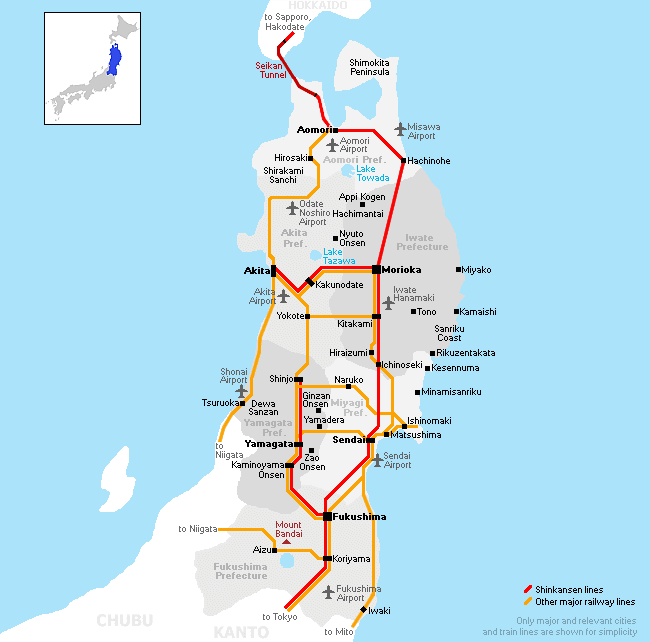
Travel Guide – Tohoku

東 北 地 方 (T Ō H O K U)

wikipedia DE / wikipedia EN / japan-guide
[Deutsche Version]

The region of Tohoku is the northern part of the Hoshu island and consists of the prefectures Fukushima, Yamagata, Miyagi, Iwate, Akita and Aomori. The border to Kanto is a east-west-line half way between Nikko and Koriyama. The prefecture of Niigate lies on the west coast and elongates up to Tsuruoka. Niigata is not part of Tohoku but of Chubu.


[I’m fan of japan-guide.com. This pic is a URL-link to the webpage]

The region is accessable by three Shinkansen lines that all start in Tokyo: The Tohoku Shinkansen is going up to Aomori in the North and there becomes the Hokkaido Shinkansen. In Fukushima the Yamagata Shinkansen seperates from the main line. In Morioka the Akita Shinkansen seperates.

  • Tokyo – Shin-Aromori : 190-205 minutes (Hayabusa)
  • Tokyo – Shinjo : 210-220 minutes
  • Tokyo – Akita : 225-235 minutes

In Tohoku are several places that are worth a limit; e.g. Matsushima, Hiraizumi, Kakunodate. But many places are unknown to me. (Looks like I have a plan for 2018). For a first trip I recommend Kanto, Chubu and Kansai because there are big numbern. Tohoku is something for the second trip. Sum up (Rule: SHOULD is MUST if CAN):

  • MUST VISIT: Matsushima, Kakunodate
  • SHOULD: Sendai, Hiraizumi, Aizu-Wakamatsu, Yamadera
  • can: Morioka, Kitakami
  • skip it: Naruko (solange Schlucht geschlossen)

盛岡 : Morioka, Iwateken — can, 1 Tag

wikipedia DE / wikipedia EN / japan-guide

Morioka has a few sightseeing spots: the castle ruins, a tree (Ishiwarikazura) that split a rock and is now a national treasure. The highlight is Hoon-ji, a temple that displays 500 small Buddha statues (and also Marco Polo and Kublai Khan).  Nothing justifies a longer stay. Make Morioka a stop between to hotels. Exception: Cherry blossom.


仙台 : Sendai, Miyagiken — SHOULD, 1 Tag

wikipedia DE / wikipedia EN / japan-guide

Sendai is a place to visit. With a good plan, discipline and the help of the Loopli-bus a visit of all important attractions is possible in one day: Zuihoden Mausoleum, Osaki Hachimangu und Rinno-ji. The castle ruins are optional. With Sendai as a base camp daytrips are possible to Hiraizumi, Kitakami and also Yamadera. Wakamatsu is a little bit to far away (I tried). Naruko is not worth a visit at the moment. The famous gorge is still closed (situation in 2016).


松島 : Matsushima, Miyagiken — MUST VISIT, 1 Tag

wikipedia DE / wikipedia EN / japan-guide

The landscape is an eyecatcher. It is one of the three famous sceneries. Visit also the temples Zuigan-ji and Entsu-in. If you stay in Matsushima you can visit Sendai as a daytrip. But I recommend Sendai as a base camp because of its location at the Shinkansen line.


北上 : Kitakami, Iwateken — can, 1/2 Tag

wikipedia DE / wikipedia EN / japan-guide

This place is interesting for its open-air museum that features old japanese houses from different eras. The Tenchichi-Park is a cherry blossom spot. Kitakami is a good stop-over because is it located at the shinkansen tracks. But if you don’t stop here you will not miss that much. THerefore is is a „can visit“.


平泉 : Hiraizumi, Iwateken — SHOULD, 1 Tag

wikipedia DE / wikipedia EN / japan-guide

In Hiraizumi kann man fast einen ganzen Tag verbringen. Nahe am Bahnhof gibt es den Tempel Motsuji. Von hier aus gibt es einen netten Wanderweg den Berg hinauf und durch einen kleinen Wald zum weitläufigen Areal des Chusonji. Weitere Attraktionen sind etwas entfernt, aber machbar. Alternativ kann man versuchen, Kitakami zu besuchen. Für Hiraizumi muss man in Ichinoseki (2 Stationen) oder Kitakami (6 Stationen) vom Shinkansen in einen Local der Tohoku Main Line wechseln.


会津若松 : Aizu-Wakamatsu, Fukushimaken — SHOULD, 1 Tag

wikipedia DE / wikipedia EN / japan-guide

Aizu-Wakamatsu can be reached by travelling over Koriyama (or Niigata, but this takes even more time). The local are travelling quite a time. If you are on a tight schedule, you have to takes this into consideration. Beside the castle — that is a beautiful cherry blossom spot by the way — the city offers an old samurai residence, a pagoda with a helix staircase inside. There is a bus between the sightseeing sports, so it is possible to cover all the major spots within a day.


角館 : Kakunodate, Akitaken — MUST VISIT, 1 Tag

wikipedia DE / wikipedia EN / japan-guide

The old city center provides many old samurai houses along a street. Many of the places were converted into a museum or a craftsman shop  or are open for visitors. You can easily spend a whole day here. You don’t need to hurry. The city is located between Morioka and Akita at the Akita Shinkansen Line. Note: Kakunodate is part of Semboku. Maybe this helps to google more information.


鳴子温泉 : Naruko Onsen, Miyagiken — skip it, 1 Tag

wikipedia DE / wikipedia EN / japan-guide

Naruka is far away from every major travelling route and doesn’t offer that much: a gorge, a geyser and the „cold hell“. The 2,km long gorge is closed since a taifun in 2014. Naruko lost its main attraction. The cold hell is a short walking trail in a valley surrounded by trees. Boiling (!) Water is gushing from tiny springs left and right from the river.

The name Naruko is derived from naru koe no sato (鳴る声の郷) that translates to „place of the trembling sound“. The city is on the northern slope of a lava dome in the center of the caldera of the Naruko vulcano. The vulcano is labeled as „active“. The last eruption in 837 resulted in the name of the place and hot, boiling water running down the slopes for days.


山寺 : Yamadera, Yamagataken — SHOULD, 1/2 Tag

wikipedia DE / wikipedia EN / japan-guide

Yamadera is a famous temple located in a town with the same name, that was founded 1100 years ago. The temple at the side and at the top of a steep mountain. 1000 steps leads up to the main hall. The temple is the only place that is interesting to visit in this town, beside a small museum. Considering the travel time the temple is only worth to be a day trip from Sendai or Yamagata.


My idea for Tohoku in 6 Days:

  • (Day 0: Travel to Sendai)
  • Day 1: Sendai
  • Day 2: Matsushima (day trip)
  • Day 3: Hiraizumi (daytrip)
  • Day 4: Wechsel nach Morioka (and visit of Morioka)
  • Day 5: Kakunodate (day trip)
  • Day 6: Travel to the next hotel with stop-over in Kitakami

Not in the plan: Yamadera, Naruko und Aizu-Wakamatsu, and all places that I haven’t visited yet.


am Shinkansenan Hauptlinienan Nebenstreckeabseits (Bus)
Kakunodate *Yamadera **Lake Towada *Nyuto Onsen ***
SendaiAizu-Wakamatsu *Bandai *Dewa Sanzan **
KitakamiMatsushima *Ochijuku *Hachimantai *
MoriokaHiraizumi *Appi Kogen *Shirikami Sanchi
AomoriHirosaki *"Sanriku-Küste" *Zao Onsen *
FukushimaNarukoTonoGinzan Onsen *
AkitaIshinomakiShimokita Peninsula *
Kaminoyama OnsenYokote
YamagataTsuruoka
Iwaki

There are also city mentioned in the map that are no sightseeing spots. These are transfer points between train lines.

  • Koriyama (change here for Aizu-Wakamatsu)
  • Ichinoseki (change here for Hiraizumi)
  • Hachinohe
  • Yamagata (change here for Yamadera)
  • Shinjo (terminal of the Yamagata-Shinkansen)

Zeitrechnung in Japan (Nengo)

In Japan laufen die Uhren anders! Damit wäre alles gesagt. Öffnungszeiten gehen schon mal bis 29 Uhr. Sommerzeit gibt es nicht. Datumsangaben sind mal wie in Deutschland geschrieben (Tag-Monat-Jahr), mal in anderer Richtung (Jahr-Monat-Tag). Am schwierigsten ist aber für Nichtjapaner das Rechnen in Nengo (Ära). Dies ist eine Rechnung in Jahren der Regentschaft eines Kaisers.

Der Kaiser wählt bei Thronbesteigung den Namen der Nengo. Es ist seine Regierungsdevise. Nach seinem Tod wird er unter dem Namen der Nengo in die Geschichtsbücher eingehen. Beispiel: Derzeit schreiben wir das Jahr 2017. In Japan ist dies Heisei 29. Kaiser Akihito bestieg 1989 den Thron. Damit war dieses Jahr Heisei 1. Gleichzeitig war es Showa 64, das 64. der Regentschaft von Kaiser Hirohito. Nach seinem Tod wird Kaiser Akihito als Heisei-Tenno in den Geschichtsbüchern gelistet.

Die Nengorechnung findet sich unter anderem als Jahresangabe auf den japanischen Münzen. Die Nengo seit der Meiji-Restauration sind:

  • 平成 = Heisei (Frieden überall): 1989 – (läuft noch)
  • 昭和 = Showa (erleuchteter Frieden): 1926 – 1889
  • 大正 = Taisho (große Gerechtigkeit): 1912-1926
  • 明治 = Meiji (aufgeklärte Herrschaft): 1868 – 1912

Eine Liste aller Nengo findet ihr hier: Nengo auf Wikipedia.

Das System der Äranamen wurde im Jahr 645 von den Chinesen übernommen. Der erste Äraname war Taika (大化) und eine Folge der danach benannten Taika-Reform. Allerdings wurden die Nengo unregelmäßig präzise und konsequent benutzt. Teilweise hatte ein Kaiser mehrere Nengo ausgerufen. Seit der Heian-Zeit ist der Name des Nengo von konfuzianischem Gedankengut geprägt. Es gibt Devisen wie Daido (Große Gleichheit) und Konin (Weite Gerechtigkeit).

Nengonamen bestehen aus zwei Kanji. Nur in der Nara-Zeit wurden 4 Kanji verwendet. Heisei ist die 247. Nengo. Dabei komme nur 72 verschiedene Kanj zum Einsatz. Von denen wiederum kamen 30 nur ein Mal zum Einsatz. Die verbleibenden 42 Kanji wurde also immer wieder in verschiedener Kombination benutzt.

Die Umrechnung von Nengo in westliche Jahreszahlen ist vor 1872 kompliziert, da der chinesische Kalender zur Anwendung kam. Womit der 12 Monat eventuell der 1. Monat des Folgejahres wird. Beispiel: Tokugawa Ieyasu wurde am 26. Tag des 12. Monats des 11. Jahrs der Tembun-Ära geboren (天文11年12月26日). Nach einfacher Umrechnung ergibt sich der 26.12.1542. Aber es ist eigentlich der 31.01.1543.

Hinweis: Nach japanischer Etikette wird amtierende Kaiser weder Kaiser Akihito (Geburtsname) genannt, noch Heisei-Tenno (posthumer Name). Er heißt schlicht Tenno Heika (天皇陛下, seine Majestät der Kaiser). Inoffiziell wird er auch Kinjo Tenno (今上天皇, derzeitiger Kaiser) genannt.

[Stand 08/2017]

Zeitrechnung in Japan (Epochen)

In Japan laufen die Uhren anders! Damit wäre alles gesagt. Öffnungszeiten gehen schon mal bis 29 Uhr. Sommerzeit gibt es nicht. Datumsangaben sind schon mal rückwärts geschrieben (2017-09-02 oder nur 09-02) oder verwenden Nengo (Heisei 18, 10-19 = 19.10.2006).

Spätestens im Reiseführer wird man mit Nara-Zeit und Edo-Zeit konfrontiert. Dies ist eine Einteilung der japanischen Geschichte, nicht ganz unähnlich unserer Einteilung wie z.B. Vormärz, 30-jähriger Krieg, Reformation, … Unterschied ist die Namensgebung. Bei uns sind es meistens Kaiser oder Herrscherfamilien (Karolinger, Staufen, …). Die japanische Geschichtseinteilung orientiert sich grob an der Hauptstadt (Asuka, Nara, Edo, …).

Die Zeiten in Japan heißen Jidai (時代). Die eingebauten Links führen zu Wikipedia. Hier eine Übersicht der japanischen Geschichte:

  • Frühe Geschichte
    • vor 10.000 v. Chr. : Altsteinzeit
    • 10.000 — 300 v. Chr. : Jōmon-Zeit
    • 300 v. Chr — 300 n. Chr : Yayoi-Zeit
  • Altertum
    • 300 — 352 : Kofun-Zeit
    • 352 — 710 : Asuka-Zeit
    • 710 — 794 : Nara-Zeit
    • 794 — 1185 : Heian-Zeit
  • Mittelalter
    • 1185 — 1333 : Kamakura-Zeit
    • 1333 — 1568 : Muromachi-Zeit
    • 1568 — 1600 : Sengoku-/Momoyama-Zeit
  • Edo-Zeit
    • 1600 — 1868 : Tokugawa-Zeit
  • Kaiserreich
    • 1868 – 1937 : Meiji-Zeit (Orientierung am Westen)
    • 1937 – 1945 : Imperialismus und WWII
    • 1989 – heute : parlament. Demokratie

Mit Beginn der Meiji-Restauration gibt es in diesem Sinne keine neue Epoche mehr. Hier empfiehlt sich ein Unterteilung in Nengo oder in die Zeiten von Imperialismus, 2. Weltkrieg und Nachkriegszeit. WICHTIG: Dies hier vorgestellte Einteilung für die Zeit nach 1868 ist meine Einteilung.


Fokus der nachfolgenden Einteilung sind die Einordnung von Bauten (Burgen, Tempel, Schreine, …) und den geschichtlichen Kontext, der hier aus diesem Grund nur ganz, ganz grob angerissen wird.

  • < 10.000 BC : Altsteinzeit
    • Einwanderung von Völkern aus Sibirien und Korea
  • 10.000 BC — 300 BC : Jomon
    • Jäger und Sammler; Beginn Landwirtschaft
    • Keramikfunde mit „Schnurmuster“; Dogu Tonstatuen
  • 300 BC — 300 : Yayoi
    • Die Epoche ist benannt nach Tonfunden in Tokyo, Yayoi;
    • Metallverarbeitung; Ackerbau, Sesshaftigkeit
    • Einwanderung aus Korea; Bildung von Clans
    • Pfahlbauten mit Giebel- und/oder Walmdach
    • Dolmen- und Megalithgräber
      • Ursprungszeit des Ise-Schreins
      • Ursprungszeit des Sumiyoshi Taisha, Osaka
  • 300 — 552 (538) : Kofun (manchmal auch Yamato-Zeit)
    • benannt nach den „Schlüssellochgrabanlagen“
    • Feudalgesellschaft; Großfamilien; Herrscher: Yamato-Familie
      • Grabanlagen (südlich von Osaka, bei Nara, …)
  • 538 (592) — 710 : Asuka
    • benannt nach der Hauptstadt
    • Buddhismus kommt nach Japan
    • Herscher Soga veröffentlich die „17 Artikel“
    • politische Machtkämpfe ab 622; Aufstieg der Fujiware ab 645; Taika-Reform 646: zentralisierter Beamtenstaat
      • 607: Horyuji-Tempel, Nara
      • 609: Asakusa Daibutsu, Asakusa-dera
      • 645: Senso-ji in Asakusa, Tokyo
  • 710 — 794 : Nara
    • benannt nach der Hauptstadt
    • Friedenszeit, kulturelle Blüte; kultureller Austausch mit China (Tang-Zeit); Übernahme der Kanji aus China
    • Verwaltung nach chin. Vorbild (Ritsuryo)
    • Kampf zwischen Fujiwara und buddhistischen Mönchen
    • Etablierung des Buddhismus / Synkretismus mit Shinto
    • einziger internat. Hafen ist Hakata; Sonderverw.zone Dazaifu
      • jap. Literatur: Kojiki (712), Nihonshoki (720)
      • Aufbau eines Fernstraßensystems (Tokaido, Nakasendo)
      • 751: Daibutsu im Todai-ji, Nara
  • 794 — 1185 (1192) : Heian
    • benannt nach der Hauptstadt (Heian = Kyoto)
    • Kammu-Tenno, Fujiwara
    • Hochzeit der Dichtkunst und Literatur: Genji Monogatari; Entwicklung des Hiragana
    • Kampf zwischen Genji-Clan und Heike-Clan; Beginn des Zerfalls der zentralstaatlichen Ordnung: Tarai schlagen Minamoto (Heiji-Rebellion, 1160); Minamoto schlagen Taira vernichtend (Gempai-Krieg, 1185)
      • 816: Erschließung von Koyasan durch Kukai
      • 888: Toji (Holzpagode, Neubau von 1644)
      • 998: Byodo-in; Uji, Kyoto-ken (Phönixhalle, 10yen-Münze)
      • 1168: Itsukushima Jinja, Miyajima
  • 1185 (1192) — 1333 : Kamakura
    • benannt nach der Hauptstadt
    • Yoritomo begründet das Shogunat; Beginn Militärverwaltung (1192) / Bakufu; Aufstiegs des Kriegeradels (Samurai)
    • Hojo kommen an die Macht
    • Handel mit China (Song-Dynastie)
    • versuchte Mongoleninvasion in 1274 und 1281 (Kamikaze)
    • Zeit der Nordhöfe (Kyoto) und Südhöfe (Yoshino)
    • Vernichtung der Hojo durch Ashikaga und Nitta (1333)
      • 1243: Gründung Eihei-ji in Fukui
      • 1252: Daibutsu im Kotoku-in, Kamakura
  • 1333 — 1568 (1477) : Muromachi (Ashikaga-Zeit)
    • benannt nach einem Stadteil von Heiankyo
    • Errichtung eines neuen Shogunats durch die Ashikaga
    • Kemmu-Restauration
    • Zerfall des Shogunats durch Oninkrieg und fast vollständige Zerstörung der Hauptstadt als Folge (1467-1477)
      • 1346: erste Burg Himeji-jo
      • 1397: Kinkaku; Rokuon-ji, Kyoto
  • (1477) — 1573 : Sengoku (Zeit der Streitenden Reiche)
    • Einführung von Feuerwaffen
    • Zerfall des Reiches in fast 200 Territorien
    • Namen: Oda Nobunaga, Toyotomi Hideyoshi, Tokugawa Ieaysu
    • Schlacht von Okehazama (1568)
      • 1482: Ginkaku; Kyoto (silberner Pavillion)
      • 1499: Ryoan-ji; Kyoto (berühmt für den Steingarten)
  • 1568 (1573) — 1600 : Azuchi-Momoyama
    •  Schlacht von Nagashino (1575); Beginn Einigung der Reiche
    • Schaffung von Provinzen, Lehenstreue; Straßenbau; Vereinheitlichung der Währung, Maße und Gewichte schafft Voraussetzungen für Handel und Wirtschaft
    • Eroberungskrieg in Korea (1591-1598)
    • Tod von Tokugawa Ieyasu (1598); Machtkämpfe und Schlacht von Sekigahara (1600); Tokugawa gewinnen
      • 1576-1579: Bau der Festung Azuchi (namensgebend)
      • 1591: Nishi Hongan-ji; Kyoto
  • 1600 — 1868 : Tokugawa / Edo
    • Tokugawa-Shogunat; Verlegung Hauptstadt nach Edo
    • Herschaft durch Shogun und seiner Daimyos (Bakufu)
    • 4-Ständes-Syste (Krieger, Bauern, Handwerker, Kaufleute)
    • Urbanisierung; Entstehung bürgerliches (Stadt)Leben
    • konservative Werte (Zen, No-Theater, Teezeremonie, …)
    • Abschließung Japans (Sakoku, 1630) nach außen bis Ankunft von Admiral Perry und gewaltsame Öffnung Japans (1853)
    • Senno-joi-Bewegung; beendet das Shogunat
      • um 1600: jetzige Form der Trommelbrücke des Sumiyoshi Taisha, Osaka
      • 1601: Ni-jo, Kyoto
      • 1633: Kiyomizudera Gebäude (Tempel seot 798); Kyoto
      • 1673: Kintai-Brücke, Iwakuni
      • 1×16: Himeji-jo in ihrer heutigen Form
      • 1707: letzter Ausbruch des Fuji
      • Altstadt von Kurashiki
  • 1868 — 1937 : Kaiserreich (Meiji, Taisho, Showa)
    • Meiji-Restauration: Entmachtung des Kriegeradels und Ausrichtung Japans an „westlichen Werten“: Abschaffung des Ständesystem, Abschaffung des Feudalsystems, Schulpflicht, Wehrpflicht, Kleidung, Verfassung, Übernahme des dt. BGB, …
    • Boshin-Krieg: letzte Auflehnung des Shogunats/Samurai
    • Japan ist nun konstitutionelle Monarchie
    • aufkommender Imerialismus und Kolonialismus: 1895 chin.-jap. Krieg, 1905 russ.-jap. Krieg; 1910 Anektierung Korea
      • Kanto-Erdbeben 1923
  • 1937 — 1952 : Pazifikkrieg / Besatzungszeit (Showa)
    • zweiten chin.-jap. Krieg (1937, theoretischer Beginn des WWII)
    • Pearl Harbor; Eintritt USA in den Pazifikrieg (1941)
    • Atombombenabwürfe und Kriegsende (1945)
    • Ende der Besatzungszeit und Wiederaufbau Japans (1952)
  • 1952 — heute: parlamentarische Demokratie (Showa, Heisei)

    • parlamentarische Demokratie; Kaiser hat nur repräsentative Aufgaben
    • wirtschaftlicher Wiederaufstieg und steigenden Wohlstand
    • Bubbleeconomy (Sepktulationsblase, ca. 1985 bis 1990)
    • Verlorenes Jahrzehnt (1990-2000)
    • 1993: Kobe-Erdbeben; 2011 Tohoku-Erdbeben / Fukushima
      • ab ca. 1952: Omoide Yokocho
      • 1956: Tsutenkaku, Osaka (jetzige Bauform)
      • 1958: Tokyo Tower
      • 1964: Shinkansen
      • 1988: Seto-Ohashi-Bridge
      • 1993: Rainbow Bridge
      • 2012: Tokyo Sky Tree

Die Liste werde ich nach und nach erweitern und mit Links nach wikipedia und japan-guide versehen.

[Stand 08/2017]

aktive Vulkane in Japan

Die Defintion eines aktiven Vulkanen ist, wissenschaftlich gesehen, einfach: Es erfolgte ein Ausbruch seit der letzten Eiszeit (vor 10.000 Jahren). Die anderen beiden Einstufungen sind ruhend und erloschen. Gemäß dieser Definition existieren weltweit etwa 500 ative Vulkane (ohne die Unterwasservulkane), davon werfen etwa 20 derzeit Lava aus. 50-70 dieser 500 Vulkane brechen jedes Jahr aus. 160 sind in den letzten 10 Jahren ausgebrochen.

In Japan existieren 131 Vulkane (ohne Unterwasservulkane). Davon sind über 58 aktiv und hatten einen Ausbruch in den letzten 2000 Jahren. Auch der Mt. Fuji gehört dazu. Sein letzter Ausbruch war 1708. Reduzieren man die Liste auf Vulkan, die seit 1950 ausgebrochen sind, bleiben 28 Vulkane auf der Liste; selbst mit Ausbrüchen seit 2000 sind noch immer 13 Vulkane auf der Liste.

Aus Touristensicht kann man Japan also wirklich aktive (und nicht vor 5000 Jahren) Vulkane besuchen, wenn der Zugang zum Kraterbereich nicht gerade gesperrt ist. Ergänzt werden sollte die Liste um Mt. Unzen bei Nagasaki (Ausbruch 1996), Daisetsuzan (hier Mt. Asahidake) und Hakone. Die Ausbrüche der letzten beiden sind schon länger her, aber Schwefeldämpfe steigen heute noch aus dem Kraterfeld empor.

Sakurajima, Kagoshima 2016 1117 m
Aso, Kumamoto 2008, 2016 1592 m
Ontake-san, Chūbu, Nagano/Gifu 2014 3067 m
Kirishima, Kagoshima/Miyazaki 2010 1700 m
Suwanosejima, Tokara-Inseln, Kagoshima 2010 799 m
Asama, Kantō, Gunma/ Chūbu, Nagano 2009 2568 m
Miyake-jima, Izu-Inseln, gehört zu Tokyo 2009 815 m
Akan, Hokkaido 2008 1499 m
Kikai-Caldera, Satsuma-Iōjima, Kagoshima 2004 704 m
Torishima (Izu-Inseln), gehört zu Tokyo 2002 394 m
Iwojima (Iōtō), Kazan-rettō, gehört zu Tokyo 2001 161 m
Hokkaidō-Komagatake, Hokkaido 2000 1131 m
Usu, Hokkaido 2000 731 m
Unzen, Nagasaki 1996 1500 m
Daisetsu-zan, (Asahidake),Hokkaido 1739 2290 m
Hakoneyama (Ashiko), Kanagawa/Shizuoka 1170 ± 100 1438 m

Die fett markierten Vulkane sind leicht zu erreichen. Die kursiven habe ich schon besucht.

Ich selbst reise seit 2004 nach Japan. Ich habe seitdem 4 Vulkane (ohne Fuji) besucht und 9 Vulkane ausgebrochen. 2 sind ausgebrochen nachdem ich dort war (Mt. Aso und Owakudani, in Hakone), einer ging hoch (63 Tote), als ich in Japan war (mehr dazu weiter unten).

Folgende Vulkankrater sind mit Stand 11/2017 für Besucher gesperrt: Sakurajima, Ontake, Aso, Owakudani

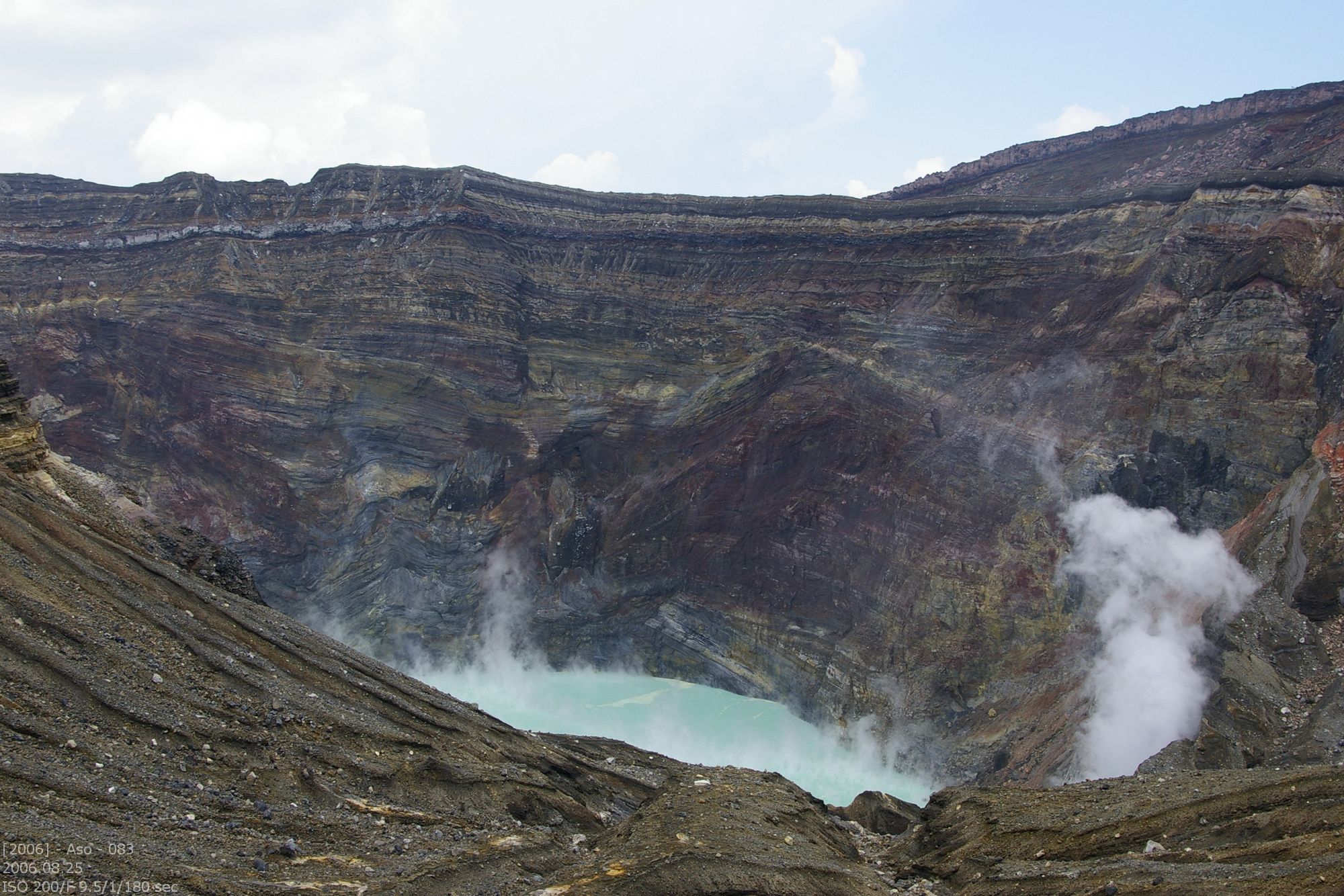
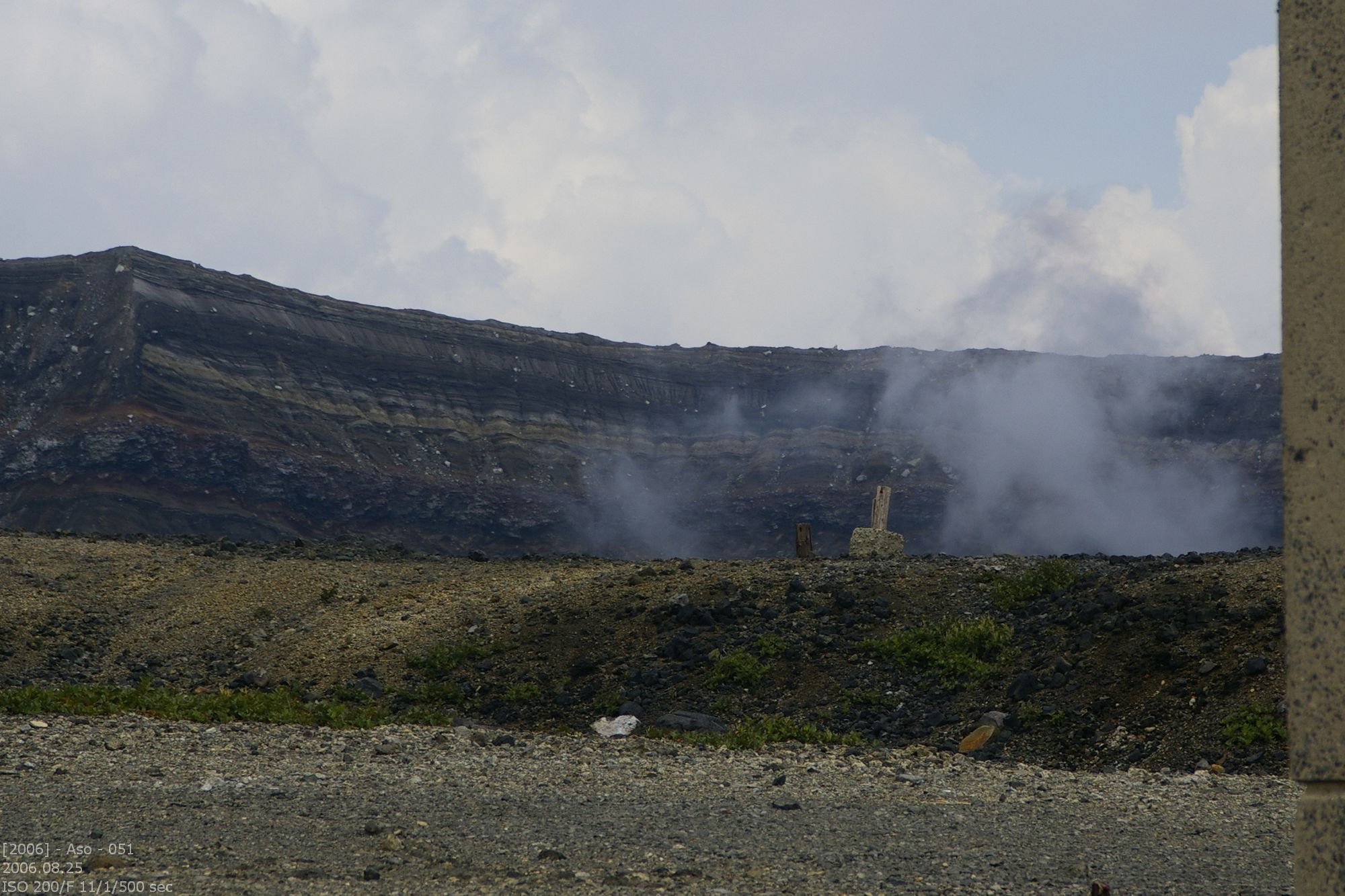
阿蘇山, Mt. Aso, Kyushu (2006)

Mt. Aso habe ich 2006 besucht. 2008 gab es einen kleineren Ausbruch. Der Kratersee auf meinen Fotos ist verschwunden. Der nächste Ausbruch war 2015, ein Jahr bevor ich erneut an Aso vorbei gefahren bin. Am 08. November 2017 ernzeugte eine Eruption eine 11 km hohe Aschesäule. Das war 3 Wochen nach meiner Vorbeifahrt.

Anreise: Der Vulkan liegt an der Bahnlinie (Kumamoto-Oita). Ab Oita dauert es 2 Stunden. Aktuell fahren keine Züge am Kumamoto. Das Erdbeben 2016 hat die Strecke zerstört. (Stand 11/2017). Zudem verbindet ein Kyusanko Kyushu Odan Bus Beppu und Kumamoto über Yufuin, Kurokawa und Aso. Vom Bahnhof fährt ein Bus rauf zum Krater. Die Fahrt dauert weitere 40 Minuten. Der Bus fährt aber selten.

Link: japan-guide.com

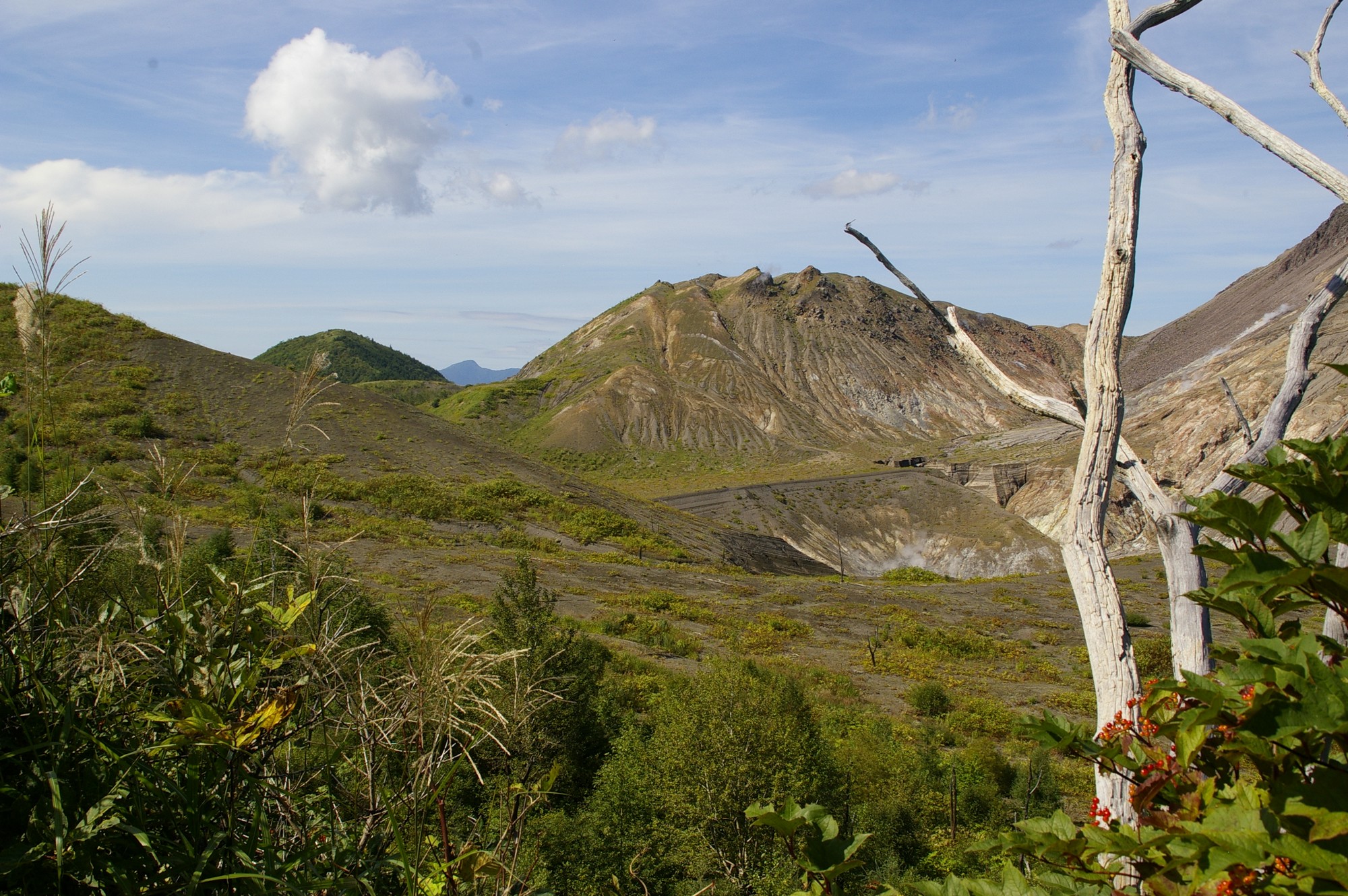
有珠山, Mt. Usu, Toya, Hokkaido (2010)

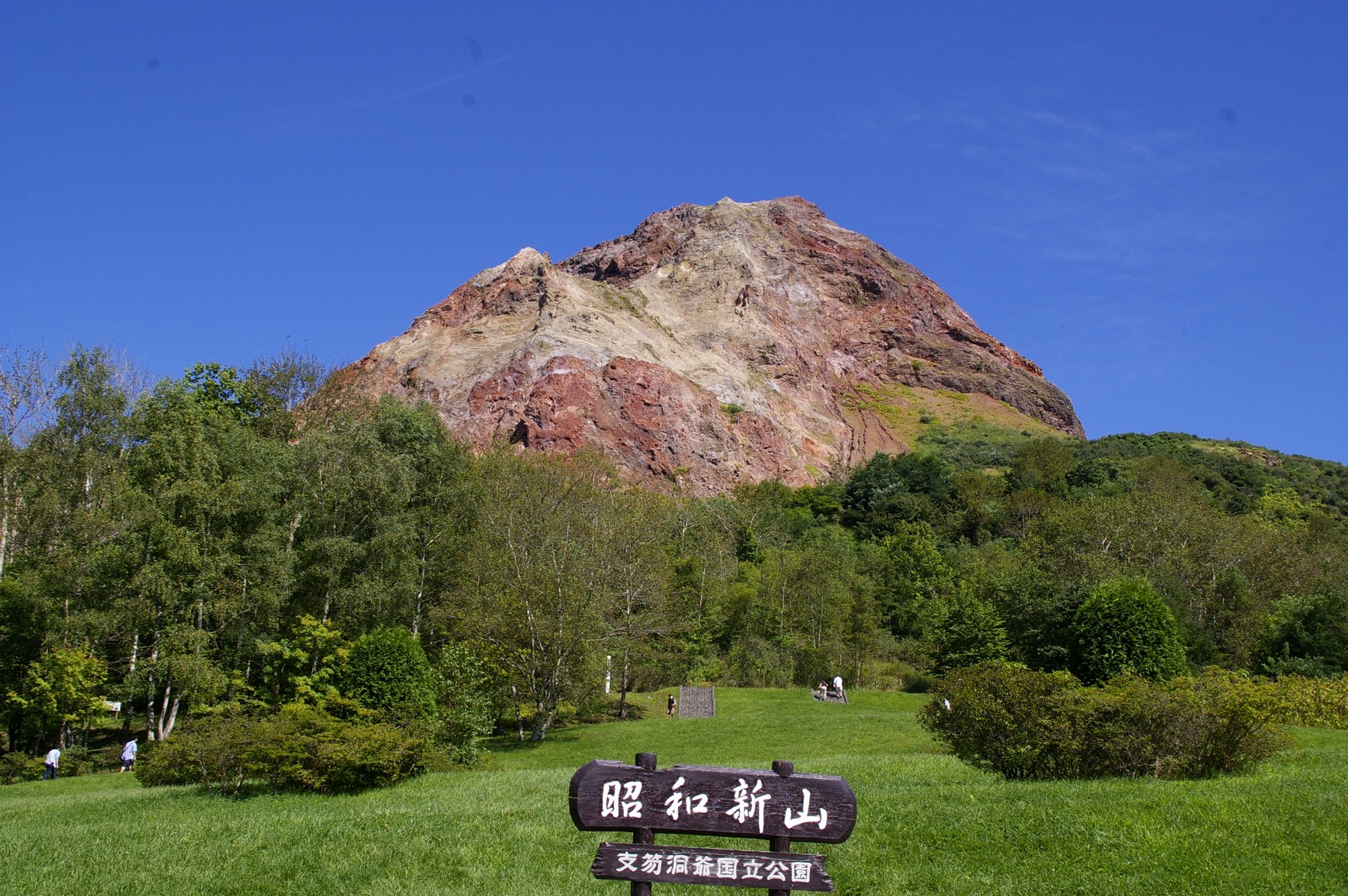
Mt. Usu brauch 10 Jahre vor meinem Besuch aus. Der verwüstete Stadtteil kann heute, halb unter Asche und Geröll begraben, besichtigt werden. Neben dem Vulkanfeld, in dem ich keinen eindeutigen zentralen Krater ausmachen konnte, gibt des den Showazan. Ein Berg der sich jedes Jahr weiter auftürmt und aus dem Rauch entweicht. Das Vulkanfeld ist relativ sicher. Anders als beim Aso gibt es hier keine/kaum spontane Sperrungen. Der Westkrater (Ausbruch 2000) ist schwer zu erreichen. Es gibt einen Wanderweg, den ich allerdings nicht gegangen bin, weil das mir verfügbare Kartenmaterial zu ungenau war (auch bezüglich von Bussen, die mich zurück zum Bahnhof bringen).

Anreise: Wie auch bei Aso ist die Anreise etwas nervig. Toya liegt an der Bahnstrecke Hakodate-Saporro. Die Anreise dauert. Von dort muss man dann den Bus nach Toyako nehmen. Weiter geht es mit der Seilbahn. Plant also für An-/Abreise genügend Zeit ein.

Link: japan-guide.com

箱根, Hakone (2004, 2006, 2012)

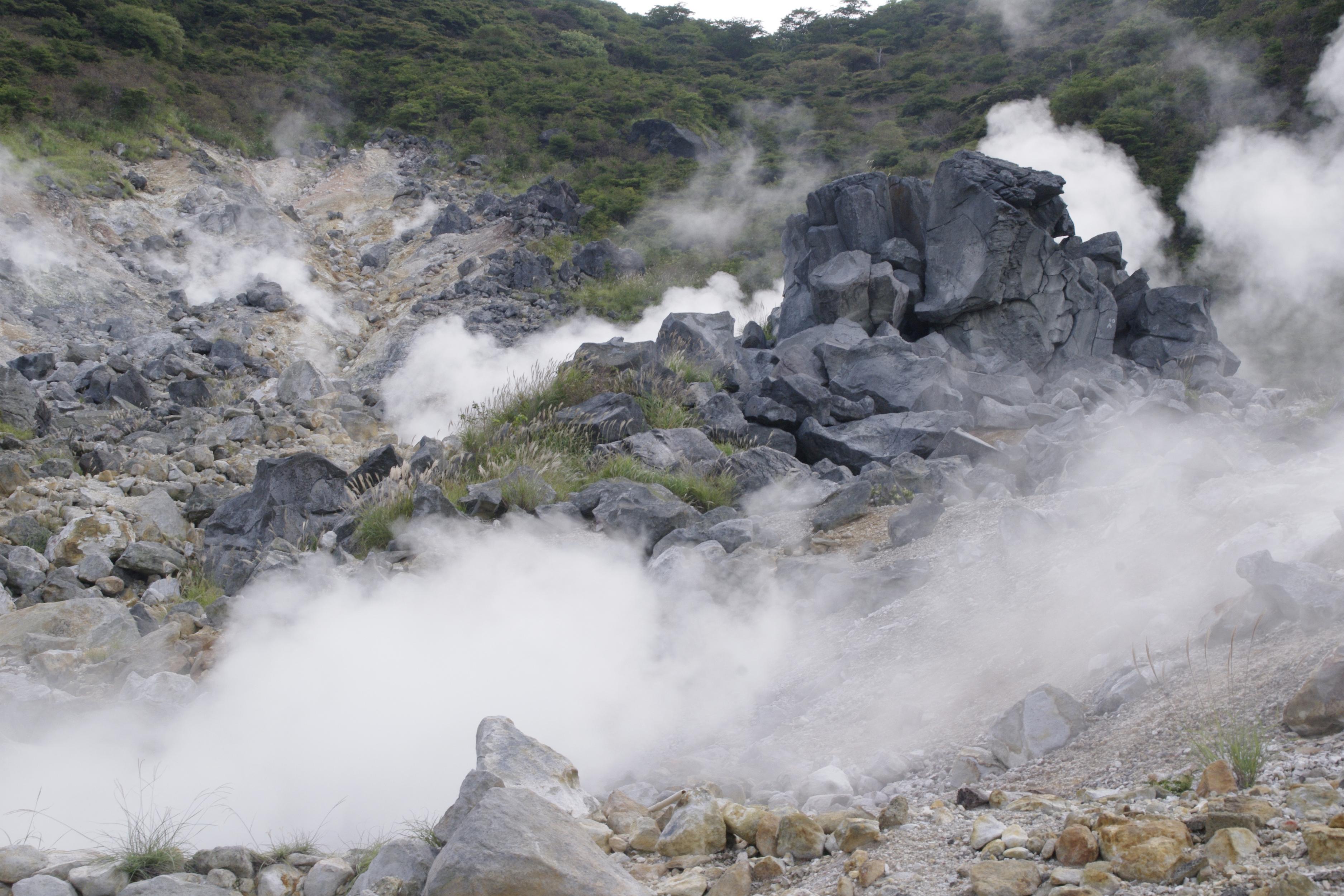
Hakone ist zwar nicht neu ausgebrochen, aber seit ein paar Jahren ist das Owakudani wegen Vulkangease (Stand 10/2017) gesperrt. Das ist schade, da Hakone als Tagesausflug von Tokyo aus geplant werden kann. Dennoch. Mit der historischen Zollstation Moto-Hakone und dem Ashi-See und vielen anderen Dingen bleibt genug für einen Tag. Obwohl, Das Owakudani war schon das Highlight.

Link: japan-guide.com

Anreise: Mit dem Shinkansen ist man schnell in Odawara. Von dort muss man mit dem Bus oder der Odakyu-Railway weiter nach Hakone-Yumoto. Es gibt weitere Highway-Bus-Verbindungen nach Togendai (und wenn sie noch fährt nach Moto-Hakone). Ich empfehle die Odakyu. Der Zug startet in Shinjuku. Man kann sich zurücklehnen und mit Hakone-Yumoto durchfahren.

Link: japan-guide.com

旭岳, Asahidake, Daisetsuzan, Hokkaido

Der Daisetsuzan-Nationalpark ist eine Bergregion, die ideal ist für Leute, die in den Bergen wandern wollen. Die große Traverse erfordert 4-5 Tage. Ich habe 2010 einen Schnupperkurs gemacht und bin vom Kurodake zum Asakidake (und zurück) gewandert. Beide Gipfel sind mit einer Seilbahn an die Onsen-Orte im Tal angebunden.

Der Bereich zwischen Asahidake und Kurodake ist eine Caldera. Der Asahidake ist dabei ein aktives Feld, aus dem Schwefeldämpfe aufsteigen.

Anreise: Zuerst muss man mit dem Zug nach Asahikawa. Dies liegt an der Bahnstrecke Sapporo-Wakkanai und bietet eine brauchbare Taktung von Zügen. Ab Asahikawa geht es dann mit dem Bus weiter nach Asahidake Onsen. Achtung: Es fahren nur 4 Busse am Tag! Von Asahidake Onsen aus geht eine Seilbahn auf 1600m höhe. Den Rest muss man laufen.

Link: japan-guide.com

Ontake

Ontake ist übrigens ein Vulkan der ausbrach, als ich in Japan war. Der Ausbruch war am 27.09.2014. Ein Besuch des Vulkans stand auf meinem Plan für diesen Trip. Aber ich habe kein Hotel gefunden und musste umplanen. So war ich an diesem Tag in Yudanake, 150km nordöstlich (und nicht auf dem Vulkan). Der Krater ist seit dem Ausbruch OFF LIMITS (Stand 11/2017).

Anreise: Der Vulkan liegt zwischen Gero (Bahnstrecke Nagoya-Takayama) und Kiso-Fukushima im Kisodani (Bahnstrecke Nagoya-Matsumoto). Busse sind mir nicht bekannt. Aber Ontake ist ein Ski-Gebiet, da wird es im Winter ein brauchbares Angebot geben.


Hier eine Liste der Vulkane in Japan

gelistet habe ich alle  Vulkane über Wasser; die vorletze Spalte nennt das Jahr des letzten Ausbruchs (wenn dieser n.Chr. erfolgte)

Hokkaido
Akan 2008 1499
Daisetsu-zan 1739 2290
E-san 1874 618
Esan-Maruyama 691
Hakodate-yama 332,5
Hokkaidō-Komagatake 2000 1131
Nigorigawa 356
Oshima-Maruyama 855
Usu 2000 731
Yokotsu 1167
Katsuma-yama auf Okushiri 428
– kein Name – Oshima-Kojima 282
– kein Name – Oshima-Ōshima 1790 737
Honshu
Abu-Vulkangruppe Chūgoku, Yamaguchi 641
Adatara Tōhoku, Fukushima 1996 1718
Adachi Tōhoku, Miyagi 374
Aizu-Nunobiki Tōhoku, Fukushima 1108
Akagi Kantō, Gunma 1828
Akita-Komagatake Tōhoku, Akita 1971 1637
Akita-Yake-yama Tōhoku, Akita 1997 1366
Aoso Tōhoku, Miyagi 820
Asakusa-dake Chūbu, Niigata/Tōhoku, Fukushima 1585
Asama Kantō, Gunma/ Chūbu, Nagano 2009 2568
Azuma-Kofuji Tōhoku, Fukushima/Yamagata 1977 2035
Bandai Tōhoku, Fukushima 1888 1819
Chōkai Tōhoku, Akita/Yamagata 1974 2233
Daira-Komagatake Tōhoku, Akita 1158
Daitō-dake Tōhoku, Miyagi/Yamagata 1366
Fuji Chūbu, Shizuoka/Yamanashi 1708 3776
Funagata Tōhoku, Miyagi/Yamagata 1500
Gassan Tōhoku, Yamagata 1984
Hachimantai Tōhoku, Akita/Iwate 1614
Hakkōda-Gebirge Tōhoku, Aomori 1550 ± 100 1585
Hakone-yama (Ashi-See) Kantō, Kanagawa/Chūbu, Shizuoka 1170 ± 100 1438
Haku-san Chūbu, Ishikawa/Gifu 1659 2702
Hijiori Tōhoku, Yamagata 516
Iwaki Tōhoku, Aomori 1863 1625
Iwate Tōhoku, Iwate 1919 2041
Izu-Tobu (Higashi-Izu) Chūbu, Shizuoka 1989 1406
Kampū Tōhoku, Akita 355
Kayo-dake Tōhoku, Akita 1254
Kita-Yatsugatake Chūbu, Nagano 1200 ± 100 2530
Kobinai Tōhoku, Akita 1004
Kurikoma Tōhoku, Akita/Iwate/Miyagi 1944 1628
Kusatsu-Shirane Kantō, Gunma 1983 2160
Megata Tōhoku, Akita 291
Moriyoshi Tōhoku, Akita 1454
Mukaimachi Tōhoku, Yamagata 657
Mutsu-Hiuchi-dake Tōhoku, Aomori 781
Nanashigure Tōhoku, Iwate 1063
Naruko (Narugo) Tōhoku, Miyagi 837 470
Nasu Kantō, Tochigi/Tōhoku, Fukushima 1963 1915
Nekoma Tōhoku, Fukushima 1404
Numazawa Tōhoku, Fukushima 1100
Okiura Tōhoku, Aomori 985
Onikobe Tōhoku, Miyagi 769
Ontake-san Chūbu, Nagano/Gifu 2014 3067
Osore-zan Tōhoku, Aomori 1787 879
Sanbe Chūgoku, Shimane 650 ± 50 1126
Shirataka Tōhoku, Yamagata 994
Sumon Chūbu, Niigata 1537
Sunagohara Tōhoku, Fukushima 729
Takamatsu Tōhoku, Akita 1348
Tashiro-dake Tōhoku, Akita 1178
Tonohetsuri Tōhoku, Fukushima 1642
Towada Tōhoku, Aomori/Akita 915 1159
Yakeishi-dake Tōhoku, Iwate 1548
Zaō Tōhoku, Miyagi/Yamagata 1940 1841
Kyushu (Hautpinsel)
Aso Kumamoto ´08, ´16 1592
Fukumanyama-Tateishiyama Ōita 1236
Futago Ōita 720
Haneyama Ōita 1140
Hiji Ōita 67
Hokkusatsu Kagoshima 703
Ibusuki-Vulkanfeld Kagoshima 885 922
Imuta Kagoshima 509
Kakuto Kagoshima/Miyazaki
Kanagoe Ōita 623
Kimpo Kumamoto 665
Kirishima Kagoshima/Miyazaki 2010 1700
Kuju-san Ōita/Kumamoto 1996 1791
Noinedake-Hanamureyama-Vulkangruppe Ōita 1310
Ojikayama-Amagoidake-Vulkangruppe Ōita 1168
Sakurajima Kagoshima 2016 1117
Satsuma Maru-yama Kagoshima 218
Sendai Kagoshima 677
Sumiyoshi-ike und Yonemaru Kagoshima 15
Takahirayama-Mizuguchiyama Ōita 896
Tara-dake Saga/Nagasaki 1076
Tsurumi-dake Ōita 867 1584
Unzen Nagasaki 1996 1500
Yabakei Ōita
Vorgelagerte Inseln, die zu Kyushu gehören
Akuseki-jima, Tokara-Inseln, Satsunan-Inseln Kagoshima 584
Fukue-jima, Gotō-Inseln Nagasaki 317
Gajajima, Tokara-Inseln, Satsunan-Inseln Kagoshima 497
Hime-jima Ōita 267
Iki Nagasaki 213
Iōdake, Iōtorishima, Ryūkyū Okinawa 1968 212
Unterwasservulkan, Yaeyama-Inseln, Ryūkyū Okinawa 1924 -200
Kikai-Caldera , Satsuma-Iōjima(Tokara-Iōjima) Kagoshima 2004 704
Kogajajima, Tokara-Inseln, Satsunan-Inseln Kagoshima 301
Kuba-jima, Senkaku-Inseln, Ryūkyū Okinawa 117
Kuchinoerabushima, Ōsumi-Inseln, Satsunan-Inseln Kagoshima 1980 657
Kuchinoshima, Tokara-Inseln, Satsunan-Inseln Kagoshima 1190 ± 40 628
Kurose, Genkai-jima Fukuoka 8
Kuroshima, Ōsumi-Inseln, Satsunan-Inseln Kagoshima 622
Nakanoshima, Tokara-Inseln, Satsunan-Inseln Kagoshima 1914 979
Ojika-jima, Gotō-Inseln Nagasaki 126
Suwanosejima, Tokara-Inseln, Satsunan-Inseln Kagoshima 2010 799
Tairajima, Tokara-Inseln, Satsunan-Inseln Kagoshima 243
Uku-jima, Gotō-Inseln Nagasaki 259
Yokoatejima, Tokara-Inseln, Satsunan-Inseln Kagoshima 1835 ± 30 495
Inseln, die der Präfektur Tokyo zugeordnet sind
Aogashima, Izu-Inseln 1785 423
Bayonnaise Rocks, Izu-Inseln 1970 11
Hachijō-jima, Izu-Inseln 1606 854
Inamba-jima, Izu-Inseln 74
Iwojima (Iōtō), Kazan-rettō 2001 161
Mihara, Izu-Ōshima, Izu-Inseln 1990 764
Kita-Iwojima, Kazan-rettō 1945 792
Kōzu-shima, Izu-Inseln 838 572
Mikura-jima, Izu-Inseln 851
Minami-Iwojima (Minami-Iōtō), Kazan-rettō 916
Miyake-jima, Izu-Inseln 2009 815
Niijima, Izu-Inseln 886 432
Nishinoshima, Ogasawara-Inseln 1974 38
Ōnohara-jima, Izu-Inseln 114
Sumisu-jima (Smith Rock), Izu-Inseln 1916 136
Torishima (Izu-Inseln) 2002 394
Toshima, Izu-Inseln 508
Udone-shima, Izu-Inseln 209
Sonstige Vulkane
Dōgo, Oki-Inseln Chūgoku, Shimane 151
[Stand 10/2017]