Alle Beiträge von seidenpriester

Travel Guide – Kanto

関 東 (K A N T O)

wikipedia DE / wikipedia EN / japan-guide
[Deutsche Version]

Usually, a visit to Japan automatically is a to Kanto. Tokyo is a part of Kanto. Many places that can be reached as a day trip from Tokyo are worth a visit. Until a few years ago (2013) all international flights to/from Tokyo were going over Narita Airport. Now, thanks to Tokyo 2020 Olympics, also Haneda offers international connections.

[I’m a fan of japan-guide.com. The pic is a URL-Link to the webpage.]

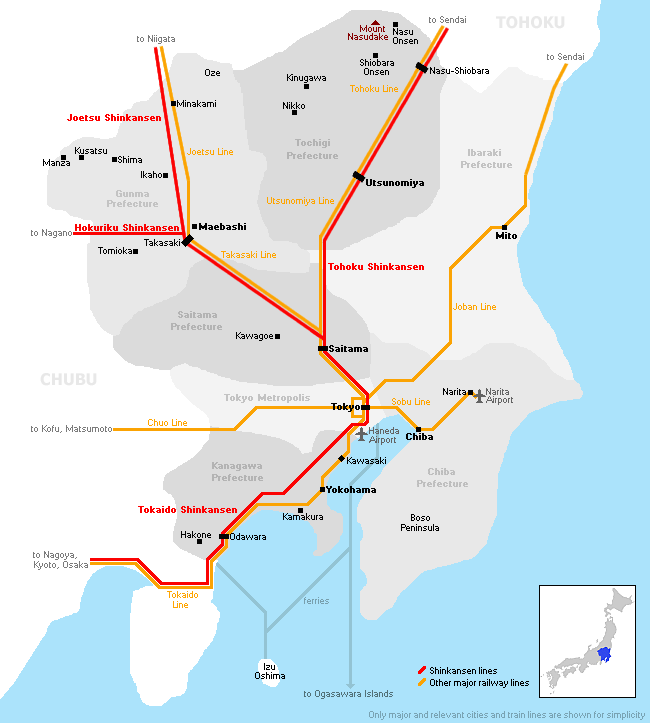
Kanto is formed by the prefectures Gunma, Tochigi, Ibaraki, Saitama, Chiba, Kanagawa and the metropolis of Tokyo in the center. The border can be drawn als followed: from Hakone in the south up northwards to Kusatsu Onsen; from here northeastward to Nasu Onsen; and from here eastbound to the coast. There are 3 shinkansen lines passing thru Kanto: the Tokaido (to Nagoya, Osaka, Kyoto), the Tohoku (to Sendai, Morioka, Aomori), the Yoetsu (to Nagano, Kanazawa). Every line starts in Tokyo. The is a Chuo Line in planning that will follow the old Nakasendo, more or less. Sightseeing Spots that must be visit are Kamakura and Nikko. Hakone, Yokohama and maybe Kusatsu onsen should be on the list to. Unfortunately all places are not located at the shinkansen tracks. Sum up (Rule: SHOULD is MUST if CAN):

  • MUST VISIT: Tokyo, Kamakura, Nikko, Hakone, Yokohama (at night)
  • SHOULD: Kusatsu Onsen, Narita
  • can: Kinugawa Onsen, Kawagoe, Kashima, Katori
  • skip it: Mito

東京 : Tokyo MUST VISIT, 3 Tage+

wikipedia DE / wikipedia EN / japan-guide

You should calculate at least 3 days to cover 90% of Tokyos basics. From my point of view a hotel close to Ueno is a good idea, because this is close to the Shinkansen, major train lines (Yamanote, Chuo, Tokaido, …) und subway lines (to Ginza, Shinjuku, Shibuya, …) and also sightseeing spots (Ueno Park, Asakusa, Akihabara, Kanda Myoin). Of course there are other good place for a base camp, like Shiodome, that are close to the Tohoku line and Yamanote. — Tokyo needs its own travel guide (like Kyoto) and therefore is not covered in this post.

Day Trips

Yokohama, Kamakura, Hakone and Nikko are easy to access. All these place are a must visit. But don’t underestimate the travelling time und that temples and parks are closen between 4pm and 5pm. Nikko and Kamakura have enough for two days but the highlighs can be visited within a day.


 鎌倉 : Kamakura, Kanagawaken — MUST VISIT, 1 Tag+

wikipedia DE / wikipedia EN / japan-guide

Kamakura was the de facto capital of Japan from 1185 to 1333. Therefore many temples and shrines can be found here. Kamakura was my frist day trip on my first Japan visit. Wow. My need really need to visit Kamakura. Kamakura offers more than you can see on one day. But, the really good stuff is doable in one single day: the temples Engakuji and Kenchoji in the North, Tsurugaoka Hachimangu and the small shopping street close to the train station in the city center, and the Hasedera temple and the great Budhha in the Kotokuin in the West. Kamakura can be reached from Tokyo by using Yokusuka line. Exit at Kitakamakura. You have to change in Ofuna if you use the Shinjuku or Tokaido line. (For Anine Fans: Elfenlied is playing in Kamakura. You will recognize many places.)


日光 : Nikko, Tochigiken — MUST VISIT, 1 Tage+

wikipedia DE / wikipedia EN / japan-guide

Nikko is a must visit that can be visited as a day trip from Tokyo. Like Kamakura and Kyoto this a place with a very high temple density. The temple and shrines of Nikko are approx. 1,2 mi away from the train station. The location is a „UNESCO world heritage“. A must visit are: Toshogu Schrein, Futarasan, Taiyuinbyo, Rinno-ji and the Shoyoen garden. At a longer stay put Chuzenko and the in winter the ski resort on the list. Nikko is accessable by JR and Tobu railway. With JR you have to change at Utsunomiya (Shinkansen stop). Be aware that getting the wrong train can end up in 3 hours travel time. The Tobu line is departing from Shinjuku / Ikebukuro oder Asakusa.


 鬼怒川温泉 : Kinugawa Onsen, Tochigiken — can, 1 Tag

Kinugawa Onsen looks a little bit run down, like the best times are over and gone. I have visited three of the available attractions: the boat cruise on the river, Tobu World Square and Nikko Edomura. The boat cruise is nice. World Square provides miniatures of sightseeing spots from all over the world, but the minatures are old and not in prefect shape. But they are the same scale so it is easy to compare. Nikko Edomura is a theme park that revives old Edo times. There are costumes for rent. Getting there takes 2 hours by Tobu Railway from Asakusa or Shunjuku/Ikebukuro.


箱根 : Hakone & Lake Ashi, Kanagawaken — MUST VISIT, 1 Tag+

wikipedia DE / wikipedia EN / japan-guide

Hakone is a day trip from Tokyo. Use the Toei-Line from Shinjuku to Hakoneyumeto; change into the tiny Tozan Line uphill; then the cog railway and the ropeway into the vulcanic field Owakudani. Then also can hike the last part of this way. The ropeway leads further to Togendai. Here boats on Lake Ashi depart for Hakonemacchi, the old toll gate that seperates Kanto and Kanzai. From here a peace of the old Tokaido  leads to Motohakone with the Hakone shrine. Busses are going back to Hakoneyumeto. There are oven more hiking trails and Onsen, but that requires a second day. Toei offers a two day Hakone Pass. (More could be found here.)


横浜 : Yokohama, Kanagawaken
MUST VISIT (at night), can visit (at day)

wikipedia DE / wikipedia EN / japan-guide

Maybe I misjudge Yokohama but at daylight it doesn’t look that fancy. At night this is different: Landmark Tower, the old ware houses in Minato Mirai and China Town illuminated nicely. The three places are connected by a promenade. My recommendation: Combine a visit to this three places with a day trip to Kamakura. Leave Kamakura before 5pm (the temples close at that time anyway) to be in Chinatown at 5:30pm. Start in Chinatown and „walk back“ to Landmark Tower. Last entrance is at 9pm. End the day at 54F with a beautiful night view of Yokohama/Tokyo. The Ramen museum is not covered by this route. It is located away at the Shinkansen station „Shin-Yokohama“.


 川越 : Kawagoe, Saitamaken — can, 1 Tag

wikipedia DE / wikipedia EN / japan-guide

This place offers a street full of old warehouses. But the mood gets disturbed by the car traffic; at least the time I visited that place. At the end of the street is the Candy Alley. On the way back you can stop at Kintain and Honmaru Goten. There are two museum too. It total it was a nice daytrip but not worth to mention. I expected more. There ist a matsuri in Kawagoe once a year, that should be visited.


水戸  : Mito, Saitamaken — skip it, 1 Tag

wikipedia DE / wikipedia EN / japan-guide

Mito has one of the three famous gardens, Kairakuen. To be honest: I was not impressed. Maybe, because I expected something different. The rest of this town doesn’t offer anything special. The train ride from Ueno station takes 66-77 minutes depending of the train. If you don’t want visit the garden, skip the place.


草津温泉 : Kusatsu Onsen, Gunmaken — SHOULD (in winter), 1/2 Tag

wikipedia DE / wikipedia EN / japan-guide

In Kusatsu kann man Onsen genießen. Im Winter ist der Ort ein bekanntes Skiresort. Touristisch gibt das Heißwasserfeld Yubatake. Gleich daneben gibt es Yumomi-Vorführungen. Der Sainokawara Park am Ortsrand führt zum Kusatsu Onsen. Die Anreise ist extrem nervig: Shinkansen bis Takasaki oder Karuizawa. Von Karuizawa fahrt ein Bus der Seibu Kogen. Von Takasaki muss man mit einem Local erst nach Naganohara-Kusatsuguchi und von der mit einem JR Bus weiter. Mit Wartezeiten kommen schnell 3 Stunden und mehr zusammen. Ich emfehle der Ort im Winter. Eine Wanderung auf den Mt. Shirane ist dann aber wegen der Schneemassen nicht möglich. Die Busverbindung nach Yudanaka ist dann ebenfalls eingestellt.


鹿嶋 : Kashima, Ibarakiken — can, 1/2 Tag

wikipedia DE / wikipedia EN / japan-guide

There are beautiful shrines in Katori and Kashima. If you practise Iaido or Kendo you might have heard of these places. You only should visit this place, if you are close by or have a personal interest. Getting there from Tokyo takes some time but is possible by train or by bus from Tokyo station. There is a local connecting Kashima and Katori.


香取 : Katori, Chibaken — can, 1 Tag

wikipedia DE / wikipedia EN / japan-guide

There are beautiful shrines in Katori and Kashima. If you practise Iaido or Kendo you might have heard of these places. You only should visit this place, if you are close by or have a personal interest. Getting there from Tokyo is possible (2 hours and changing trains several times), but it makes much more sense to plan a visit, when you are in Narita. There is a local connecting Kashima and Katori.


成田 : Narita, Ibarakiken — SHOULD, 1/2 Tag

wikipedia DE / wikipedia EN / japan-guide

Narita is good to visit on the day of arrival (departure) at (from) Narita airport or the day afterwards (before). In 2013  my flight back to Germany was at 9am. Therefore I travelled to Narita the day before. It is only a 15 minute train ride from Narita station to the airport. A lot of sightseeing spots (Bosa no mura, Onsen Yamato no Yu, Katori-Schrein), that travel guides say are located in Narita, are outside the city and therefore requires good planning. Busses go only infrequently. The city center itself offers enough attractions for a half day. From the train station (JR and Kansai are located next to each other) a shopping street (for last minutes souvenirs) with old houses leads to the Naritasan, a wide temple area. If you stay a whole day, you should consider a trip to Sawara.


am Shinkansenan Hauptlinienan Nebenstreckeabseits (Bus)
TOKYO ***Kamakura **Nikko ***Kusatsu Onsen *
SaitamaYokohama *Hakone *Manza Onsen *
Nasu-ShiobaraKawasakiKawagoeOze NP *
NaritaKinugawaShima Onsen
MitoBoso PeninsulaIkaho Onsen
Minakami OnsenKashimaTomioka
KatoriNazu Onsen
Izu Oshima
Shiobara Onsen

These places from the map are no sightseeing spots. There are places to change train or bus lines)

  • Odawara (Shinkansen, change for Hakone, there is a castle in Odwara)
  • Utsunomiya (Shinkansen, change for Nikko)
  • Takasaki (Shinkansen)
  • Chiba
  • Maebashi
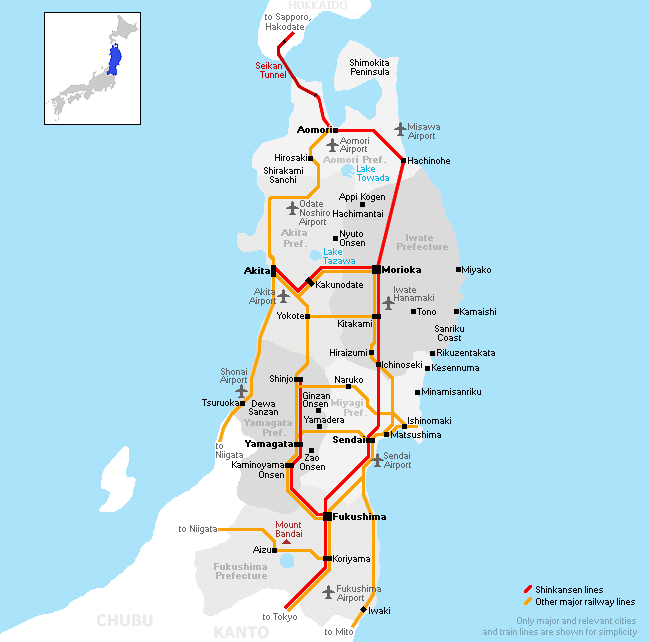
Travel Guide – Tohoku

東 北 地 方 (T Ō H O K U)

wikipedia DE / wikipedia EN / japan-guide
[Deutsche Version]

The region of Tohoku is the northern part of the Hoshu island and consists of the prefectures Fukushima, Yamagata, Miyagi, Iwate, Akita and Aomori. The border to Kanto is a east-west-line half way between Nikko and Koriyama. The prefecture of Niigate lies on the west coast and elongates up to Tsuruoka. Niigata is not part of Tohoku but of Chubu.


[I’m fan of japan-guide.com. This pic is a URL-link to the webpage]

The region is accessable by three Shinkansen lines that all start in Tokyo: The Tohoku Shinkansen is going up to Aomori in the North and there becomes the Hokkaido Shinkansen. In Fukushima the Yamagata Shinkansen seperates from the main line. In Morioka the Akita Shinkansen seperates.

  • Tokyo – Shin-Aromori : 190-205 minutes (Hayabusa)
  • Tokyo – Shinjo : 210-220 minutes
  • Tokyo – Akita : 225-235 minutes

In Tohoku are several places that are worth a limit; e.g. Matsushima, Hiraizumi, Kakunodate. But many places are unknown to me. (Looks like I have a plan for 2018). For a first trip I recommend Kanto, Chubu and Kansai because there are big numbern. Tohoku is something for the second trip. Sum up (Rule: SHOULD is MUST if CAN):

  • MUST VISIT: Matsushima, Kakunodate
  • SHOULD: Sendai, Hiraizumi, Aizu-Wakamatsu, Yamadera
  • can: Morioka, Kitakami
  • skip it: Naruko (solange Schlucht geschlossen)

盛岡 : Morioka, Iwateken — can, 1 Tag

wikipedia DE / wikipedia EN / japan-guide

Morioka has a few sightseeing spots: the castle ruins, a tree (Ishiwarikazura) that split a rock and is now a national treasure. The highlight is Hoon-ji, a temple that displays 500 small Buddha statues (and also Marco Polo and Kublai Khan).  Nothing justifies a longer stay. Make Morioka a stop between to hotels. Exception: Cherry blossom.


仙台 : Sendai, Miyagiken — SHOULD, 1 Tag

wikipedia DE / wikipedia EN / japan-guide

Sendai is a place to visit. With a good plan, discipline and the help of the Loopli-bus a visit of all important attractions is possible in one day: Zuihoden Mausoleum, Osaki Hachimangu und Rinno-ji. The castle ruins are optional. With Sendai as a base camp daytrips are possible to Hiraizumi, Kitakami and also Yamadera. Wakamatsu is a little bit to far away (I tried). Naruko is not worth a visit at the moment. The famous gorge is still closed (situation in 2016).


松島 : Matsushima, Miyagiken — MUST VISIT, 1 Tag

wikipedia DE / wikipedia EN / japan-guide

The landscape is an eyecatcher. It is one of the three famous sceneries. Visit also the temples Zuigan-ji and Entsu-in. If you stay in Matsushima you can visit Sendai as a daytrip. But I recommend Sendai as a base camp because of its location at the Shinkansen line.


北上 : Kitakami, Iwateken — can, 1/2 Tag

wikipedia DE / wikipedia EN / japan-guide

This place is interesting for its open-air museum that features old japanese houses from different eras. The Tenchichi-Park is a cherry blossom spot. Kitakami is a good stop-over because is it located at the shinkansen tracks. But if you don’t stop here you will not miss that much. THerefore is is a „can visit“.


平泉 : Hiraizumi, Iwateken — SHOULD, 1 Tag

wikipedia DE / wikipedia EN / japan-guide

In Hiraizumi kann man fast einen ganzen Tag verbringen. Nahe am Bahnhof gibt es den Tempel Motsuji. Von hier aus gibt es einen netten Wanderweg den Berg hinauf und durch einen kleinen Wald zum weitläufigen Areal des Chusonji. Weitere Attraktionen sind etwas entfernt, aber machbar. Alternativ kann man versuchen, Kitakami zu besuchen. Für Hiraizumi muss man in Ichinoseki (2 Stationen) oder Kitakami (6 Stationen) vom Shinkansen in einen Local der Tohoku Main Line wechseln.


会津若松 : Aizu-Wakamatsu, Fukushimaken — SHOULD, 1 Tag

wikipedia DE / wikipedia EN / japan-guide

Aizu-Wakamatsu can be reached by travelling over Koriyama (or Niigata, but this takes even more time). The local are travelling quite a time. If you are on a tight schedule, you have to takes this into consideration. Beside the castle — that is a beautiful cherry blossom spot by the way — the city offers an old samurai residence, a pagoda with a helix staircase inside. There is a bus between the sightseeing sports, so it is possible to cover all the major spots within a day.


角館 : Kakunodate, Akitaken — MUST VISIT, 1 Tag

wikipedia DE / wikipedia EN / japan-guide

The old city center provides many old samurai houses along a street. Many of the places were converted into a museum or a craftsman shop  or are open for visitors. You can easily spend a whole day here. You don’t need to hurry. The city is located between Morioka and Akita at the Akita Shinkansen Line. Note: Kakunodate is part of Semboku. Maybe this helps to google more information.


鳴子温泉 : Naruko Onsen, Miyagiken — skip it, 1 Tag

wikipedia DE / wikipedia EN / japan-guide

Naruka is far away from every major travelling route and doesn’t offer that much: a gorge, a geyser and the „cold hell“. The 2,km long gorge is closed since a taifun in 2014. Naruko lost its main attraction. The cold hell is a short walking trail in a valley surrounded by trees. Boiling (!) Water is gushing from tiny springs left and right from the river.

The name Naruko is derived from naru koe no sato (鳴る声の郷) that translates to „place of the trembling sound“. The city is on the northern slope of a lava dome in the center of the caldera of the Naruko vulcano. The vulcano is labeled as „active“. The last eruption in 837 resulted in the name of the place and hot, boiling water running down the slopes for days.


山寺 : Yamadera, Yamagataken — SHOULD, 1/2 Tag

wikipedia DE / wikipedia EN / japan-guide

Yamadera is a famous temple located in a town with the same name, that was founded 1100 years ago. The temple at the side and at the top of a steep mountain. 1000 steps leads up to the main hall. The temple is the only place that is interesting to visit in this town, beside a small museum. Considering the travel time the temple is only worth to be a day trip from Sendai or Yamagata.


My idea for Tohoku in 6 Days:

  • (Day 0: Travel to Sendai)
  • Day 1: Sendai
  • Day 2: Matsushima (day trip)
  • Day 3: Hiraizumi (daytrip)
  • Day 4: Wechsel nach Morioka (and visit of Morioka)
  • Day 5: Kakunodate (day trip)
  • Day 6: Travel to the next hotel with stop-over in Kitakami

Not in the plan: Yamadera, Naruko und Aizu-Wakamatsu, and all places that I haven’t visited yet.


am Shinkansenan Hauptlinienan Nebenstreckeabseits (Bus)
Kakunodate *Yamadera **Lake Towada *Nyuto Onsen ***
SendaiAizu-Wakamatsu *Bandai *Dewa Sanzan **
KitakamiMatsushima *Ochijuku *Hachimantai *
MoriokaHiraizumi *Appi Kogen *Shirikami Sanchi
AomoriHirosaki *"Sanriku-Küste" *Zao Onsen *
FukushimaNarukoTonoGinzan Onsen *
AkitaIshinomakiShimokita Peninsula *
Kaminoyama OnsenYokote
YamagataTsuruoka
Iwaki

There are also city mentioned in the map that are no sightseeing spots. These are transfer points between train lines.

  • Koriyama (change here for Aizu-Wakamatsu)
  • Ichinoseki (change here for Hiraizumi)
  • Hachinohe
  • Yamagata (change here for Yamadera)
  • Shinjo (terminal of the Yamagata-Shinkansen)

Travel Guide – Hokkaido

 北海道   ( H O K K A I D O )

wikipedia DE / wikipedia EN / japan-guide
[Deutsche Version]

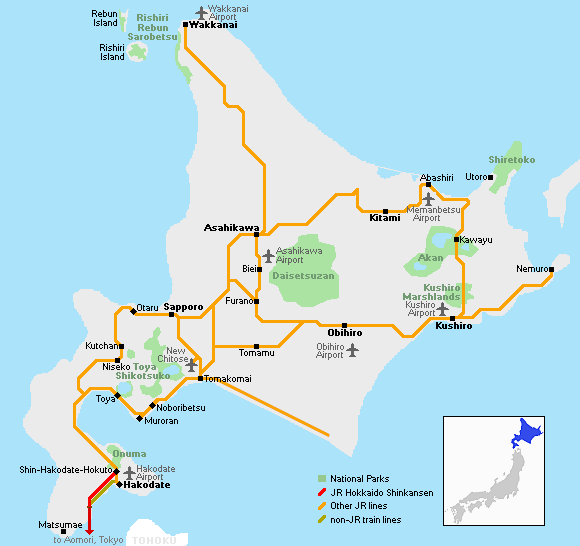
The island as a total is a should visit. Sightseeing spots like temple, shrines and castles are not that much. The only shrine that is worth a visit is in Sapporo. But Hokkaido has a lot of landscape für hiking. 6 national parks are located here: green plains and mountains, cliffs at the coastline, landscape formed by active vulcanos.

[I’m a fan of japan-guide.com. This pic is a URL-Link to the website.]

I recommend the island for everyone who prefer a lot of nature and only a few Japanese. The island is thin populated. 2 million people are living in Sapporo and another 4 million in the other 82.200 km^2 of Hokkaido. Bavaria (without Munich) has 13 million people and is a little bit smaller that Hokkaido. Even Sapporo is „empty“: 1737 people/km^2. In the city center of Tokyo living 15.073. people/km^2.

There are no prefectures on Hokkaido because the whole island is a prefecture itself. There are subprefectures. But I don’t understand the systemic. Getting to Hokkaido has changed in 2013. The shinkansen is now going up to Hakodate. The reduces travel time far below the 10 hour limit. I am not sure of the night train Hokutosei is still running. With him it still saves a day of travel. Here the sum up (Rule: SHOULD is MUST if CAN):

  • MUST VISIT: Hakodate
  • SHOULD visit: Sapporo, Toya (day trip), Rebun (during blossom), Daisetsusan (Hiking)
  • can visit: Wakkanai, Soyamisaki, Otaru, Yoichi, Sounkyo

札幌  : Sapporo, Ishikara — SHOULD, 1 Tag

wikipedia DE / wikipedia EN / japan-guide

There is not much to see in Sapporo. All important spots can be visited within a day: clock tower, Hokkaido Jinja and beside that the botanical garden, the fish market and the park at Sapporo Tower. For a night view I suggest the T38 at the train station that provides a nice view over the city. The only favor for Sapporo is its location in the railroad network of Hokkaido.


小樽 : Otaru, Shiribeshi — can, 1/2 Tag

Otaru: wikipedia DE / wikipedia EN / japan-guide

Otaru and Yoichi are easy accessable as a daytrip from Sapporo. Otaru is a small town with a nice shopping street at the water. Here are also some warehouses that were built after the opening of Japan. There is a small brewery with a brewing copper from Bamberg. Be careful: overdose of Bavaria.


余市 : Yoichi, Shiribeshi — skip it (except whisky fans), 1/2 Tag

wikipedia DE / wikipedia EN / japan-guide

The Nikka destillery is located in Yoichi. The site can be visited, but the running factory is (maybe) only accessable during a guided tour. I didn’t took the tour. Sum up therefore: boring. But both places are maybe better for winter holidays (skiing).


函館 : Hakodate, Oshima — MUST, 1 Tag

wikipedia DE / wikipedia EN / japan-guide

If you stay on Hokkaido and don’t need to spend the night in Sapporo I highly recommend Hakodate, my personal number 1 of Hokkaido. The train station is between the two big sightseeing spots: the old fortress Goryōkaku and the old city area Motohakodate. This place should be your priority. Here old Japan meets the victorian England. There are churches, temples, governer buildings and old japanese houses. The steep narrow streets (slopes) are reminding of San Francisco. The top of Mt. Hakodate provides a good (night) view of the city. The contrast between city lights and the surrounding sea is unique. Since 2013 the shinkansen terminates in Hakodate.


稚内 : Wakkanai und 宗谷岬 : Soyamisaki, Soya
skip it, 1/2 Tag

Wakkanai: wikipedia DE / wikipedia EN / japan-guide
Soya Misaki: wikipedia DE / wikipedia EN / japan-guide

This town is only for changing from train to the ferry boat to Rebun or Rishiri. Beside that there is nothing that justifies a 6 hour train trip from Sapporo. The attraction is a park with a tower. Both are not that special. I spend a night in Wakkanai because it thought the time between train arrival and departure of the boat was to short. Everyone who follows my example can visit Wakkanai at the day of arrival and try a trip to Soyamisaki (the northernmost spot of Japan) before the afternoon ferry leaves for Rishiri.


Rebun und Rishiri

The trickiest part of Rebun and Rishiri is to get there. There are only three trains a day (information from 2010) and it takes 6 hours. Then you have to add the travel time of the Heart Land Ferry. More information are found here: Getting to Wakkanai, Rishiri and Rebun.

A hotel only on one island with a daytrip to the other island is difficult and needs some compromising because on the very limited amount of ferries a day. I suggest: 5 days for Wakkanai, Rebun and Rishiri. On day 1 try to get the train and the ferry to Rebun. Spend day 2 (and 3) on Rebun. Daytrip or move to Rishiri on day 4. Day 5 is for travelling to the following destination. Maybe with a brief stop in Wakkanai or Soya Misaki.


利尻 : Rishiri, Soya — can, 1 Tag

wikipedia DE / wikipedia EN / japan-guide

There is a bus roundtrip the is scheduled to the arrival of the ferry boats. The trip covern all the attrachtions  of the island. But it is nohing more that a crash course. Without the bus you need a bicycle and very good stamina. There are two spots totally worth a visit: the two lakes. You really spend more time there than the bus trip allows you to. The rest isn’t worth to mention. But then there is Mt. Rishiri, the Fuji of Hokkaido. 1700m of height and hiking starts at sea level. You need more than a day to do it.


礼文 : Rebun, Soya — SHOULD (MUST for Hiker), 1-2 Tage

wikipedia DE / wikipedia EN / japan-guide

Rebun is for Hiking. It is said to by amaizing during spring time when all the wild flowers are blooming. The nature starts right behind the harbour.  I was there in late summer. No blossom but also no tourist. But be aware that during spring this place is packed with tourists. If you plan a visit to Rebun, plan to stay over night.


洞爺 : Toya — SHOULD, 1/2 Tag

wikipedia DE / wikipedia EN / japan-guide

Toya itself is a boring place and looks a little bit run down. Many hotels seemed to be closed for good. I didn’t visited the lake and the island in the lake. In my opinion there are only two reasons for Toya: Showazan (the young and still growing lava dome) and the old vulcano field. Getting there is a little bit tricky and needs time. Therefore the rating „should“ mease that you should visit this place when you are in the neighborhood.

  • SHOULD VISIT: Showazan, the old vulcanic field
  • can visit: the destroyed city area with museum
  • unknown: Lake Toya und Island

大雪山国立公園 : Daisetsuzan NP, Kamikawa
SHOULD (
MUST for Hiker), 1-5 Tage

wikipedia DE / wikipedia EN / japan-guide

If you want to hike in the mountains, then you must visit Daisetsusan. it is a bizarre landscape formed by vulcanic activity. There a routes for a day trip and the great traveserse that needs 5 days to walk. For a daytrip i recommend Sounkyo Onsen or Asahidake as a starting point. For a longer trip you need a tent, food and water. There are some huts but no supplies.


層雲峡温泉 : Sounkyo Onsen, Kamikawa — can, 1/4 Tag

wikipedia DE / wikipedia EN / japan-guide

Sounkyo Onsen is (or was?) a famous onsen place and maybe has seen better times. After a taifun a few years ago (I am writing this in 2010) there are many closed hiking trails. The are two water falls and a rock formation, but from my point of view they are not worth the trip. There are only two reasons to go to Sounkyo Onsen: the ropeway to Kurodake (entry point to Daisetsuzan) and the winter festival.


an HauptlinieabseitsNationalparks
Hakodate *TomamuLake Shikotsu *Rebun Rishiri NP **
Onuma *KutchanMatsumaeDaisetsuzan NP **
Toya *BieiRebunAkan NP *
Noboribetsu *AsakikawaRishiriShiretoko NP **
Niseki *AbashiriUtoroKushiro Marschlands NP
Furano *KushiroSounkyo Onsen
Otaru *Kawayu
Saporro *

Following places that are mentioned in the may are no sightseeing spots but train/bus changing points: Muroran, New Chitose (Flughafen), Obihiro (Flughafen), Nemuro, Kitami, Wakkanai, Shin-Hakodate-hokuto (Shinkansenterminal).

Tokyo Metropolitan Garden

An Toyko reizt der allgegenwärtige Kontrast: Tradition und Modern; Einfamilienhäuser neben Bürotürmen; kleine verwinkelte Gassen nur Schritte entfernt von 8-spurigen Straßen; die Hektik einer Millionenmetropole ist Nachbar von japanischen Gärten, in denen man schnell vergisst, wo man sich gerade befindet.

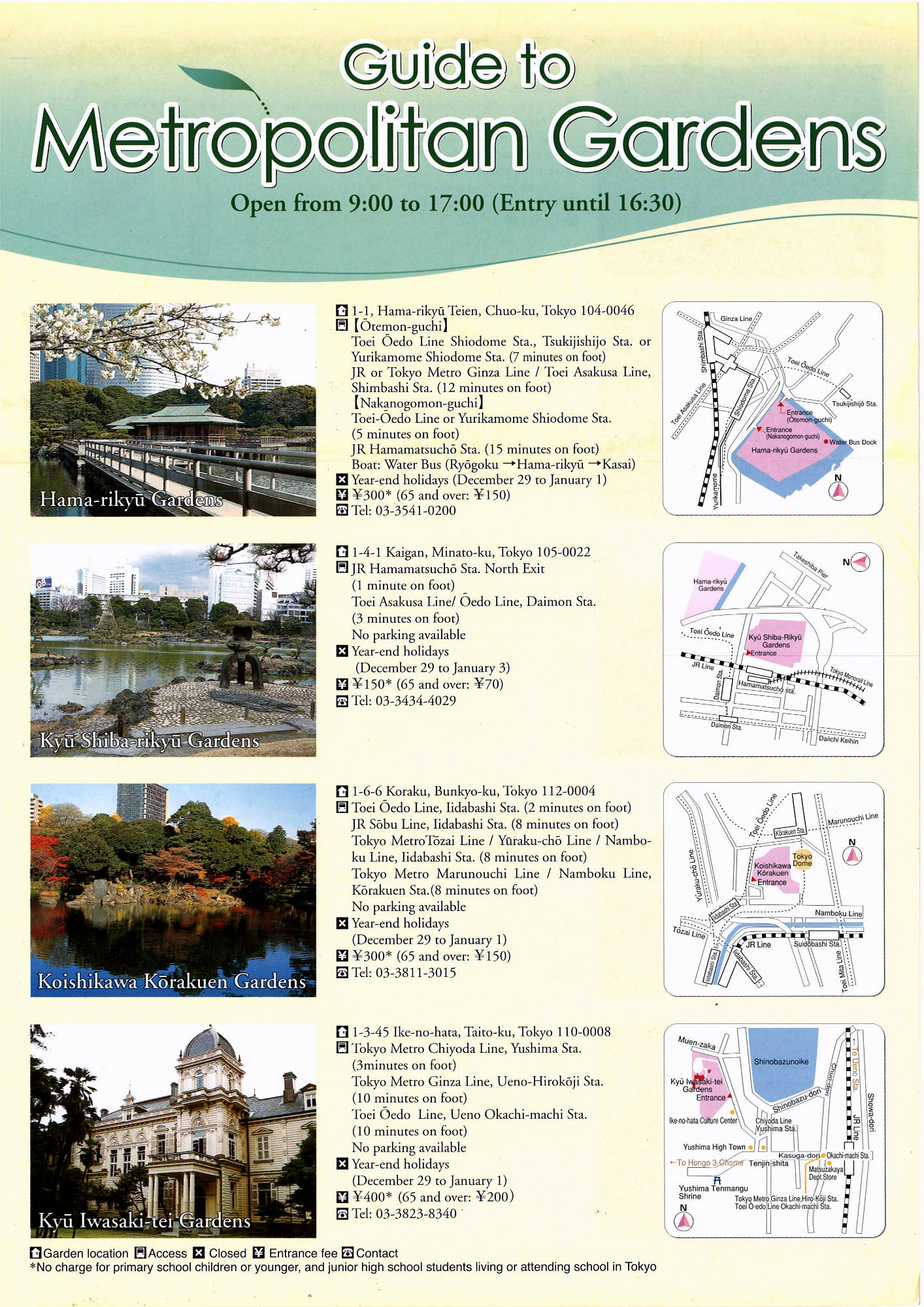
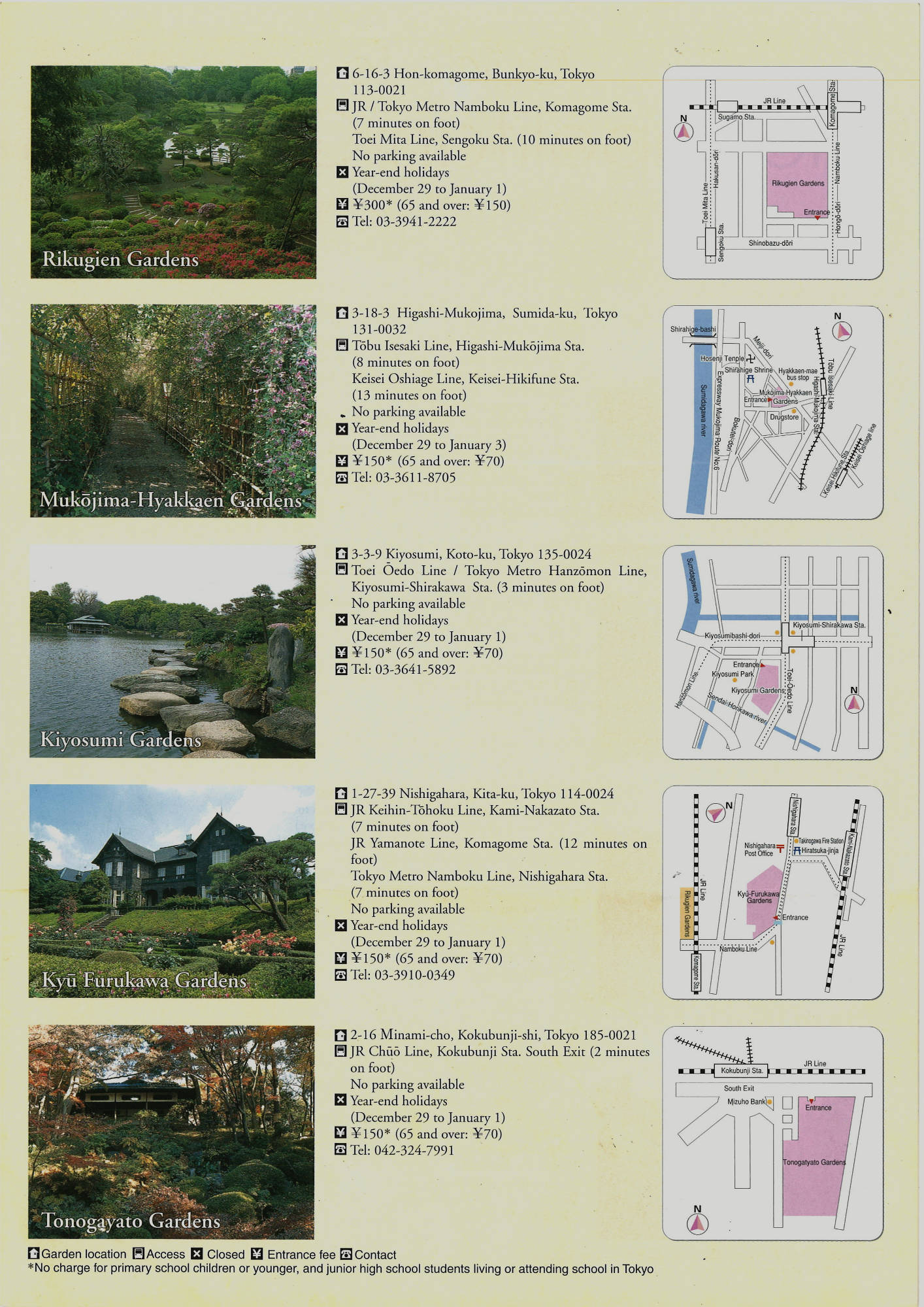
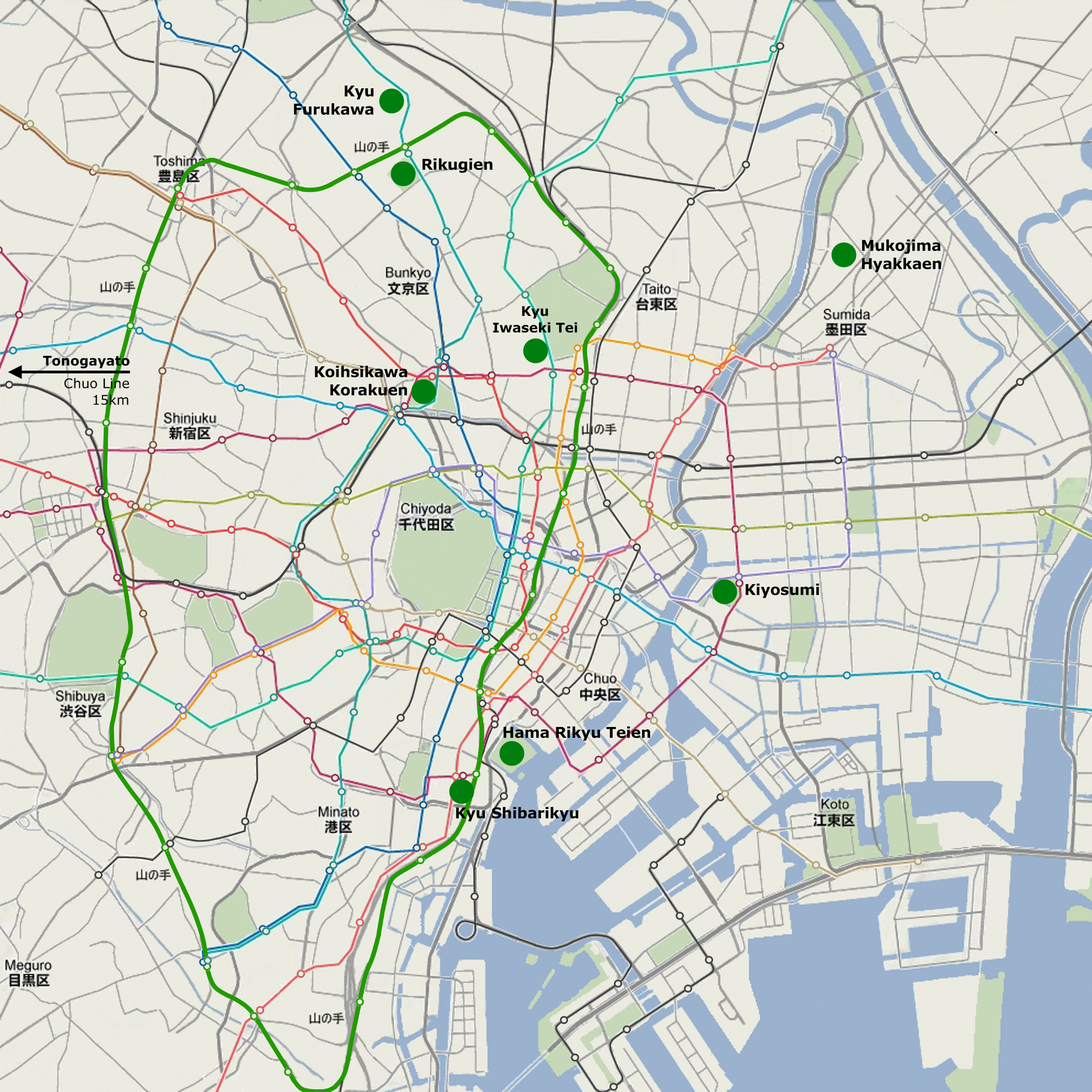
Der „Guide to Metropolitan Gardens“ umfaßt 9 Gärten. 4 von ihnen liegen außerhalb des Yamanote-Rings. Nur ein Garten liegt 15km westlich von Shinjuku an der Chuo-Linie. Zwei Gärten, die man definitiv besuchen muß, sind „Hama-Rikyuu-Teien“ und „Kyuu-Shiba-Rikyuu-Teien“. Aber auch wenn die beiden Gärten in fußläufiger Entfernung zueinander liegen, sollte man sie nicht hintereinander besuchen. Damit sie ihre volle Wirkung (Kontrast) entfallten, sollte man sich vorher durch Tokyos Straßen bewegt haben.

.
The most interesting thing of Tokyo is the contrast you can find everywhere: tradition and modern high tech life style; family houses next to office towers; small narrow street just a few steps away from an 8-lane road; the stress of streets of the metropolis lies next to peaceful scenery of a traditional Japanese garden. One step into this green realm and you instantly forget where you are.

The „Guide to Metropolitan Gardens“ lists 9 gardens. 4 of them are within the yamanote ring and easy to access. Only one garden is far away; 15km west of Shinjuku but close to the tracks of the Chuo Line. Two of the gardens you definitely have to visit: „Hama-Rikyuu-Teien“ and „Kyuu-Shiba-Rikyuu-Teien“. They are very close to each other, but you shouldn’t visit them consecutively. For the full experience (of contrast) you should walk to the streets of Tokyo first.

Tokyo Metropolitan Garden Map


浜離宮恩賜庭園 —
Hama-Rikyū-Onshi-Teien

Der Garten liegt am Sumidagawa. Benachbart ist die Bahnstation Shiodome, die über eine Fußgängerbrücke mit der Station Shimbashi verbunden ist.

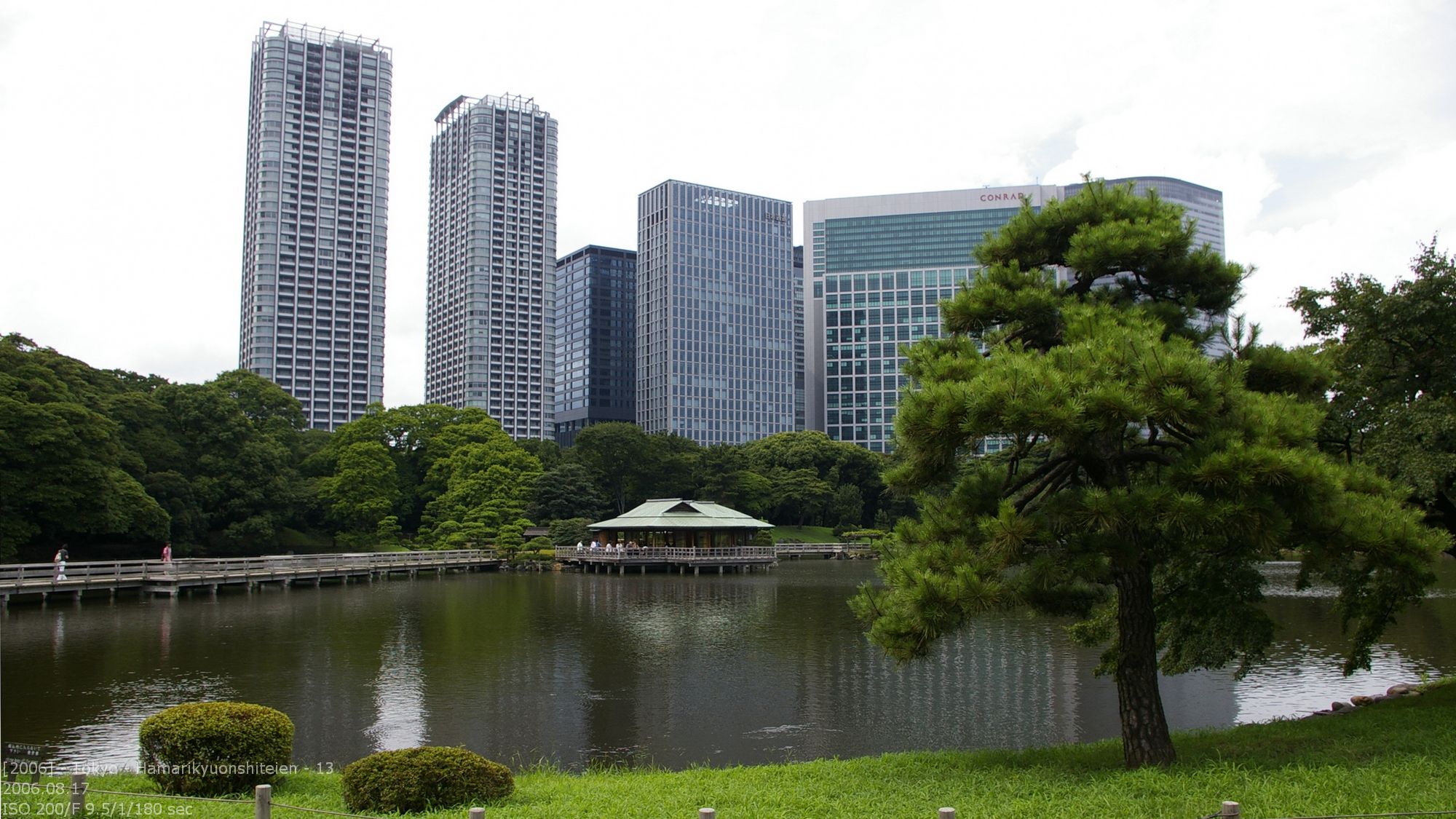
mögliche Reiseroute: Zeurst besucht den Asakusa-Tempel und geht anschließend in Richtung Sumidagawa; Von hier fahren Boote den Fluß hinab in Richtung Odaiba. Die Reise führt für unter mehreren Brücken, jede in einer anderen Farbe und Bauform, hindurch. Die Boote stoppen am Hama-Rikyū-Teien, bevor sie weiter nach Odaiba fahren. Die Fahrt durch die Fluttore ist wie ein Fahrt in eine verbotene Stadt. Fuhr man eben noch durch die Hochhäuser und Bürotürme Tokyo, steht man jetzt in einem kleinen Wald, hinter dem sich der Garten erstreckt. Auch die Kulisse im Garten selbst ist unwirklich: der riesige Teich, die Rasenflächen, Bäume begrenzen das Areal; und hinter den Bäumen wie eine andere Dimension anmutend die Skyscraper von Shiodome.

Nach dem Besuch kann man mit der Fähre weiter nach Odaiba, oder man nimmt, was ich empfehle, den Ausgang Otemon-guchi und wirft sich aus dem Garten direkt in die Häuserschluchten Shiodomes. Von Shiodome kann man am Sonntag die Reise in Richtung Ginza fortsetzen oder in Richtung Tokyo Tower und Zoji-Tempel.

Hamarikyuonshiteien
Hamarikyuonshiteien

.
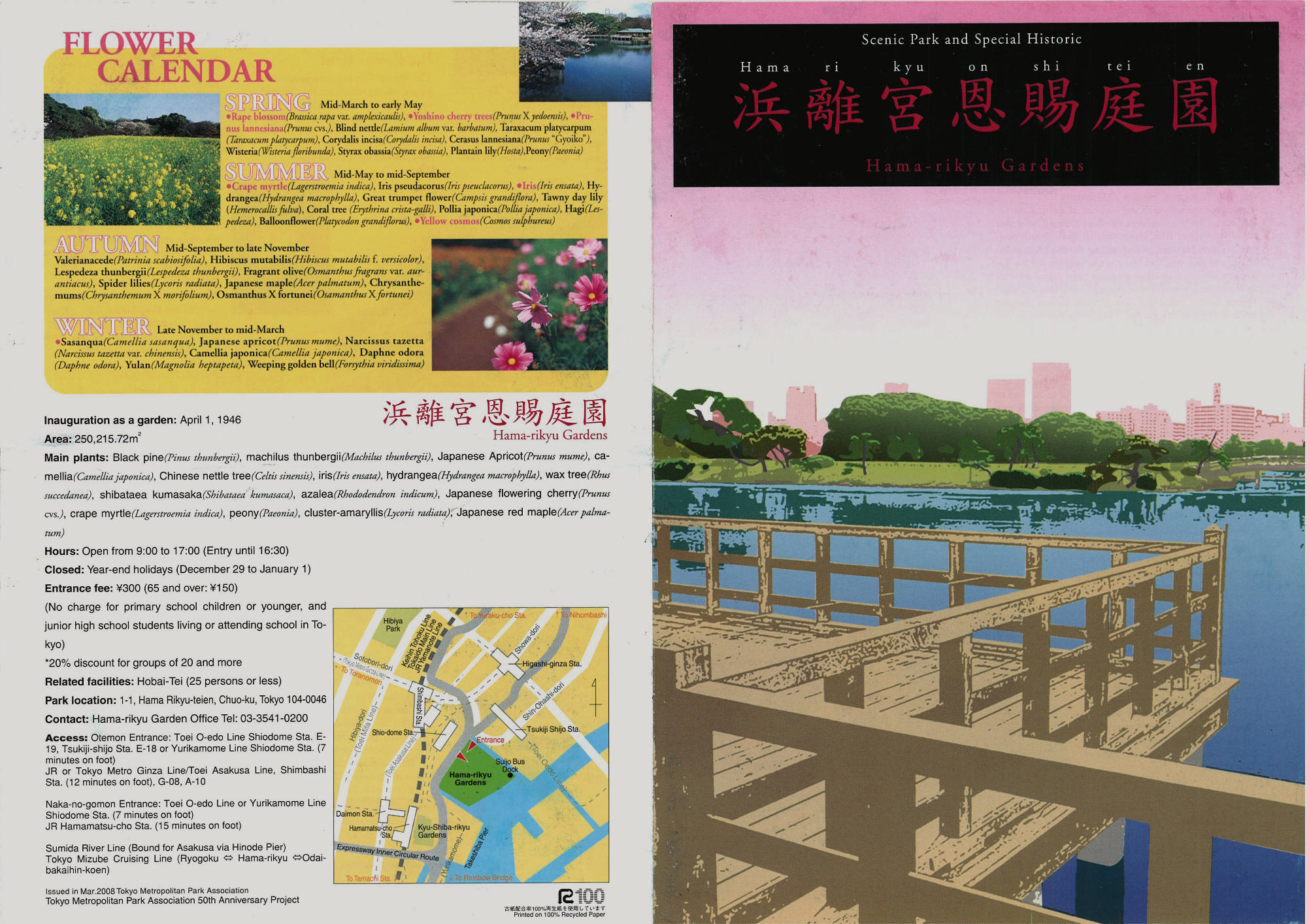
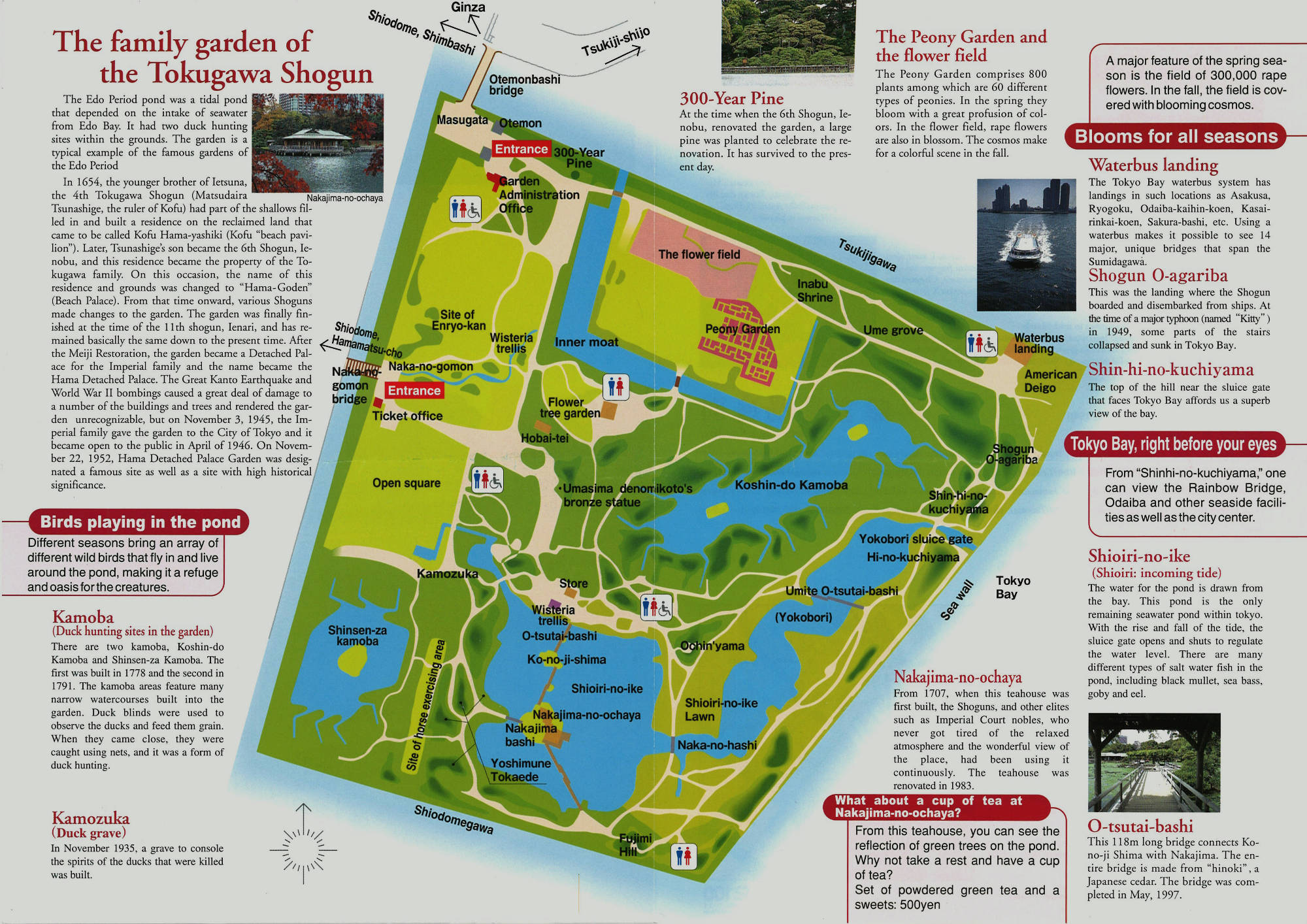
This garden is at the river Sumida and close to he train station Shiodome, who is connected to Shimbashi station by a pedestrian bridge.

Suggested travel route: start with visit at the Asakusa temple. After that walk to the river Sumida. Get on a ferry boat to Odaiba. The boat will pass several bridges; each in a differnt style and a different color. The cruise will show you an interesting view point to the city. The ferry will take a brief stop at Hama-Rikyū-Teien. If the boat passes the flood gates it is like entering a hidden city. The sky scraper are gone and you are facing a little forest. Behind the forest is the garden. It looks surreal: the big pond, the lawn and the trees; behind the trees like from a different dimension the skyline of Shiodome.

After the visit you can go back to the ferry and go to Odaiba. But I suggest to take the exit Otemon-guchi. This will throw you directly into the quirky street canyon of the Shiodome district. From here you can continue with a visit of Ginza (Sundays) or go to Tokyo Tower and the temple Zoji-ji.

.
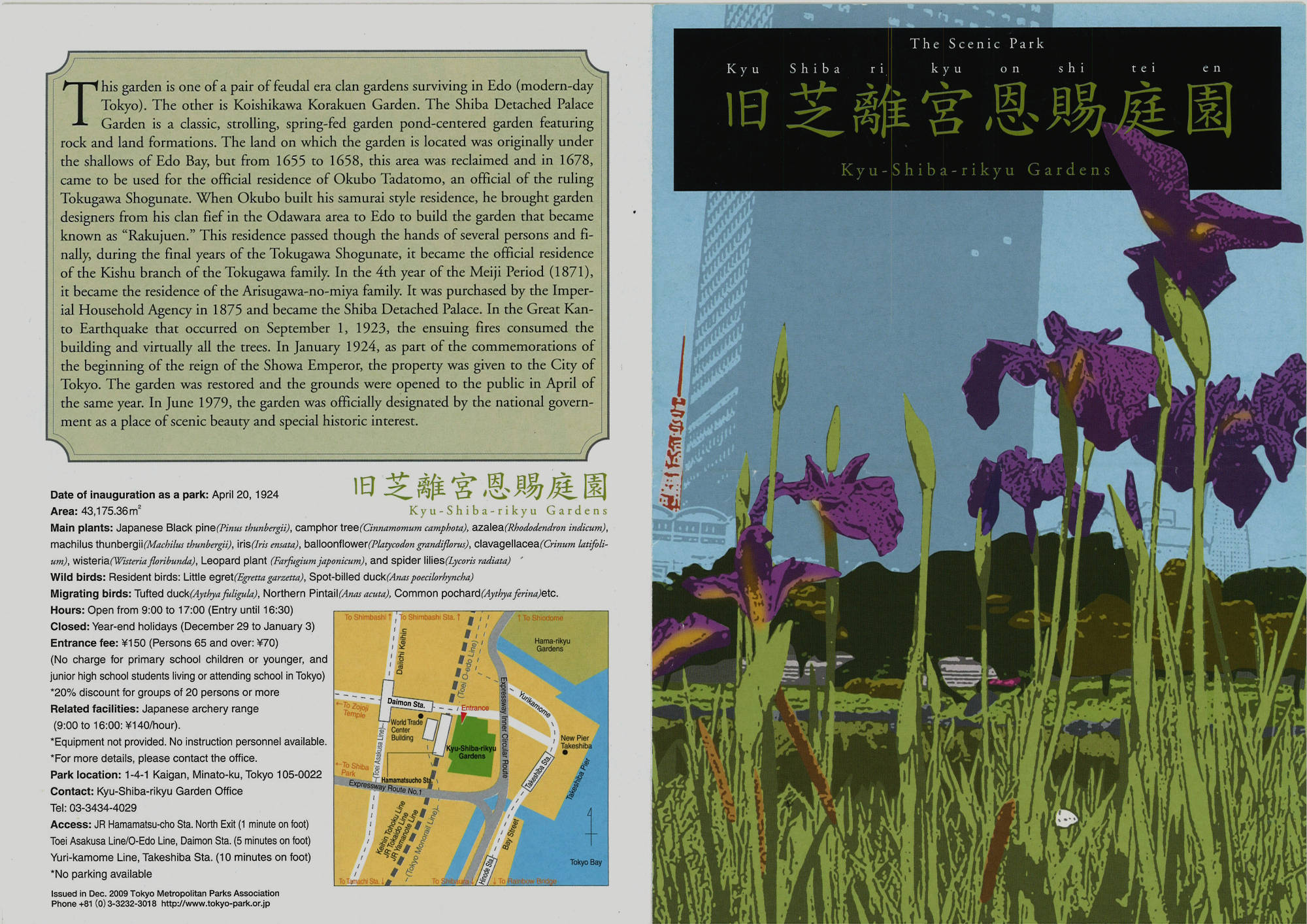
旧芝離宮恩賜庭園 —
Kyū-Shiba-Rikyū-Teien

Der Garten liegt ebenfalls nahe des Sumidagawa, etwa 1km südlich von Hama-Rikyū-Teien an der Bahnstation Hamamatsu-cho, die mit der U-Bahn-Station Daimon verbunden ist. Auf dem Bahnsteig selbst steht ein Menneken-Pis; nur so zur Info. Von Hamatsucho startet auch die Monorail zum Haneda-Airport.

Bevor man den Garten selbst aufsucht, sollte man, wenn man eh am Bahnhof ist, die Fußgängerbrücker über die Shinkansengleise aufsuchen. Von hier aus hat man ein Blick auf den Garten, der wie eine grüne Oasa in der grauen Betonwüste Tokyos erscheint. Nehmt unbedingt einen Nordausgang, sonst müßt ihr wegen der Bahngleise einmal um den Park herumlaufen, bevor ihr zum Eingang gelangt.

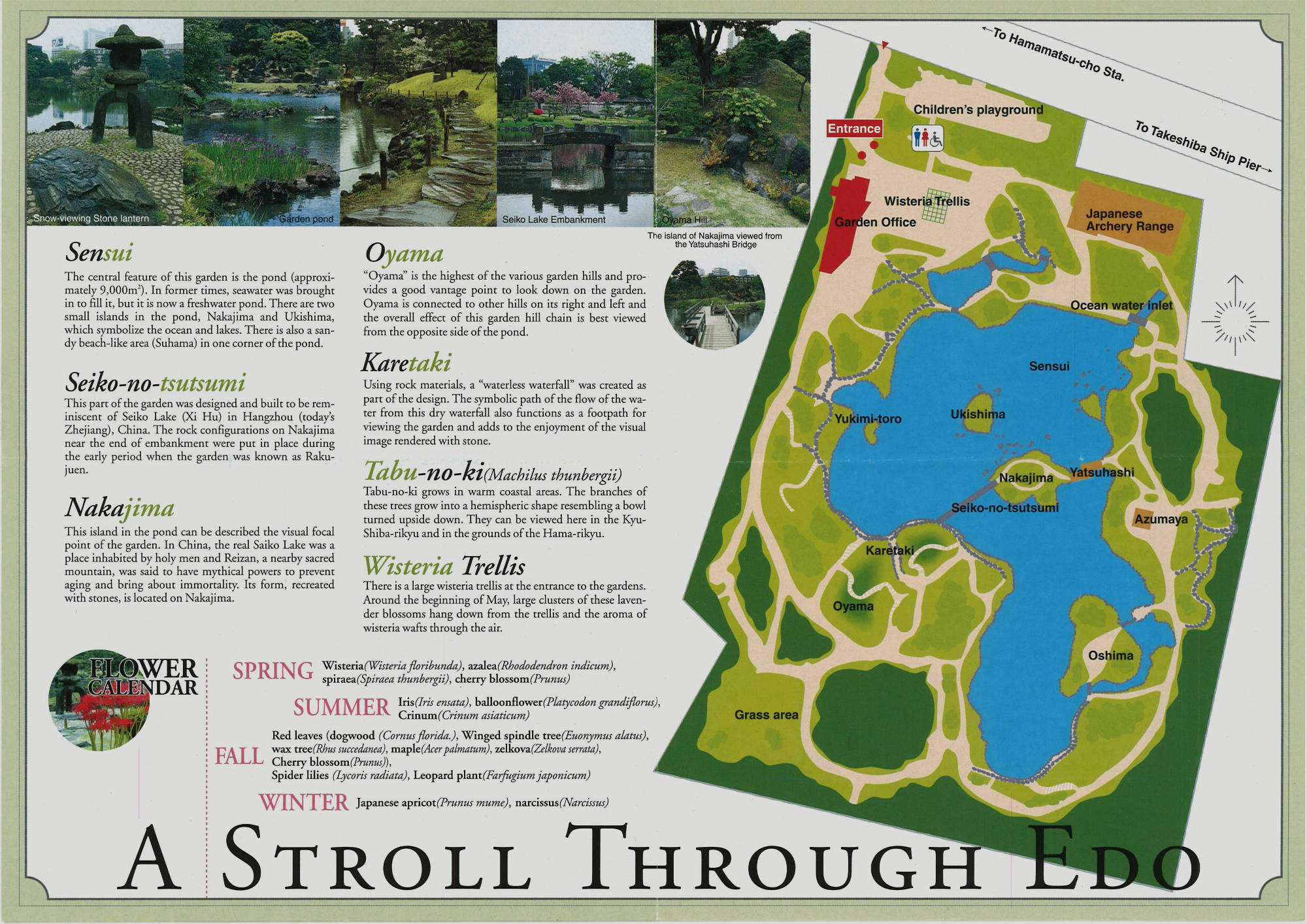
Auch dieser Garten ist geprägt von einem Teich und der Kulisse hinter den Bäumen. Ich habe noch nicht ganz raus, wie man ihn in eine Reiseroute einbauen kann. Wenn ihr gestern im Hama-Rikyū-Teien wart und mit der Ginza fortgesetzt habt, könntet ihr heute im Kyū-Shiba-Rikyū-Teien starten und dann weiter zum Zoji-ji und Tokyo Tower gehen.

Kyū-Shiba-Rikyū-Teien

.
The garden is also close to the river Sumida. It lies approx 1km south of the Hama-Rikyū-Teien next to the train station Hamamatsu-cho, that is connected to the subway station Daimon. Hamatsu-cho is famous for a Menneken-Pis statue. Here the monorail to Haneda airport starts.

If you arrive by train or subway you should visit the pedestrian bridge between the station before you go to the garden. From the bridge that passes the shinkansen tracks you have a good view to the garden. A green oasis in the middle of the grey concrete desert that is Tokyo. Use the North exit! Otherwise you need to walk around the hole garden before you arrive at the entrance.

The center of this garden is a pond surrounded by lawn fields and tiny forrest. Trees at the rim building a green barrier; behind it lies Tokyo. I am not sure how to add it to a suitable travel route. If you have visited Hama-Rikyū-Teien before and continued with Ginza, you could start with Kyū-Shiba-Rikyū-Teien today and continue with Zoji-ji and Tokyo Tower.

.
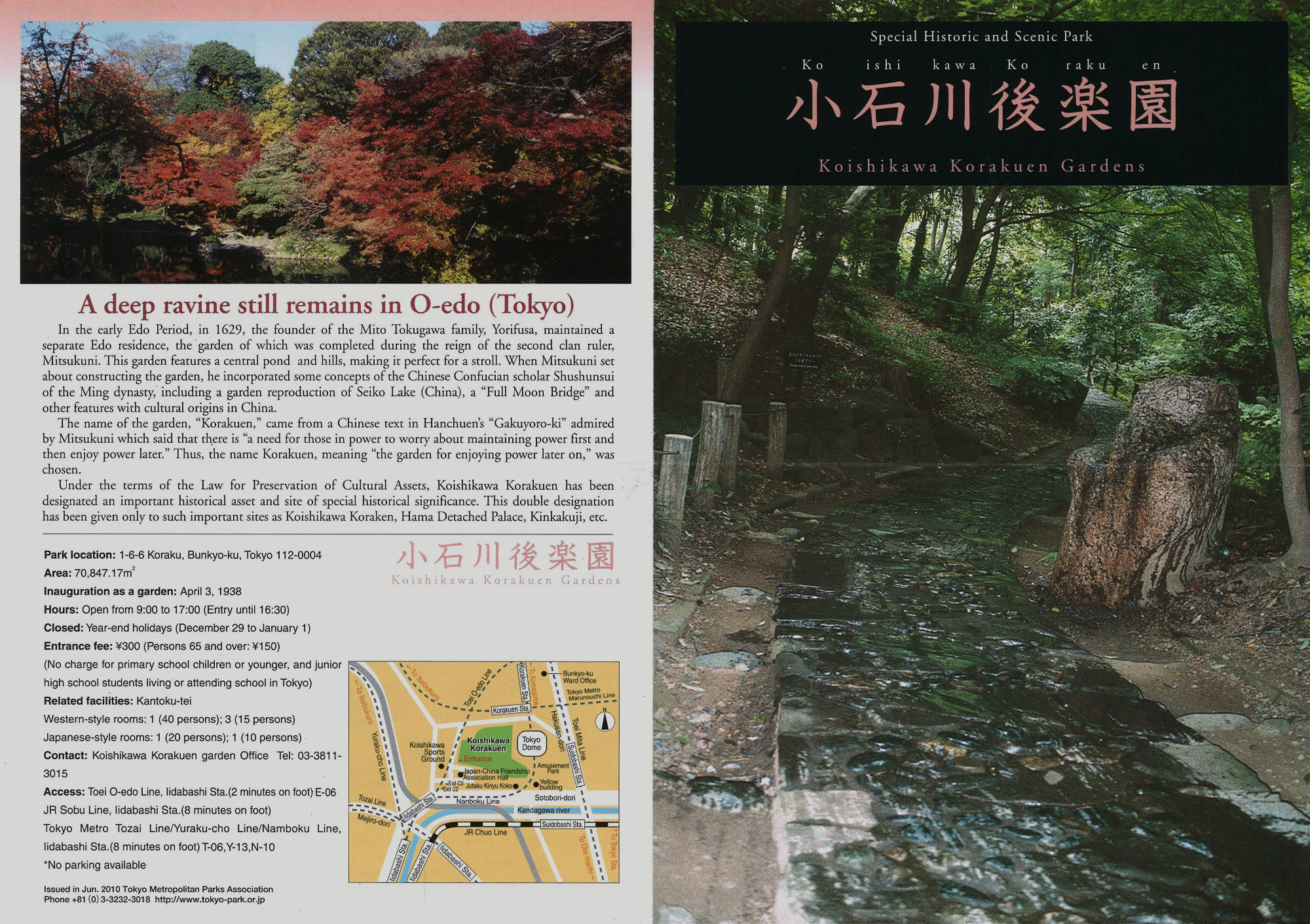
小石川後楽園
— Koishikawa Korakuen

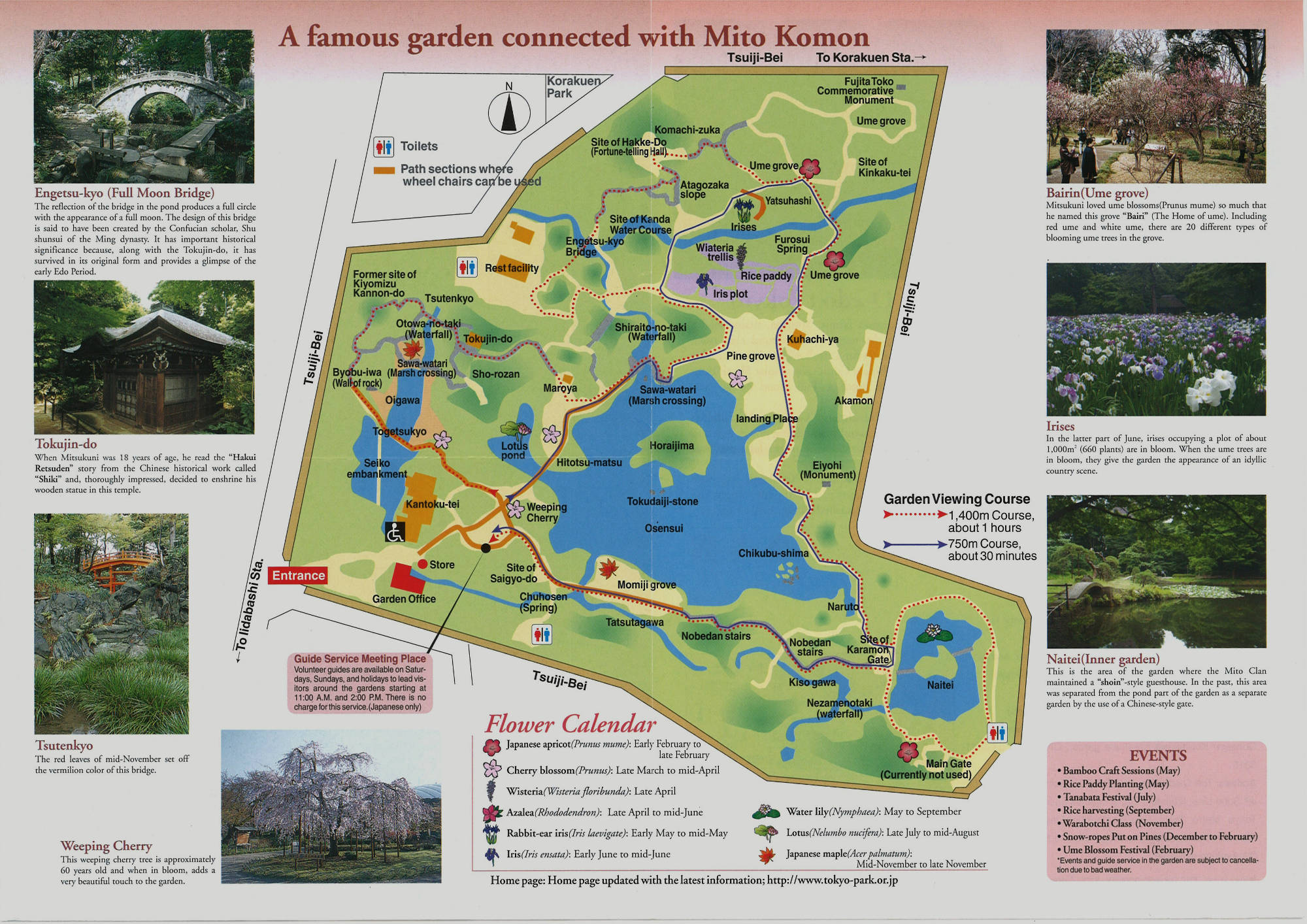
Den Garten hatte ich bis 2010 gar nicht auf der Rechnung. Er liegt gleich neben dem Toyko Dome. Man muß aber einmal um den Park herum, da der Eingang auf der Rückseite ist.

Eine mögliche Reiseroute ist, vom Tokyo Dome weg oder dorthin. Relativ nahe am Eingang ist die Station Iidabashi. Ein Kreuzungspunkt mehrer U-Bahnlinien und er JR-Chuo. Die Fußgängerbrücke gibt einem das typische Bild des chaotischen Tokyo.

Der Garten weicht im Design von den anderen beiden Gärten ab. Der Waldanteil ist wesentlich höher, was im Sommer mehr Schatten verspricht. Dennoch ist der Garten für eine Reise im Herbst empfehlenswert. Wenn sich das Laub verfärbt, muß der Anblick umwerfend sein. (Ich war mit September zu früh dran).

.
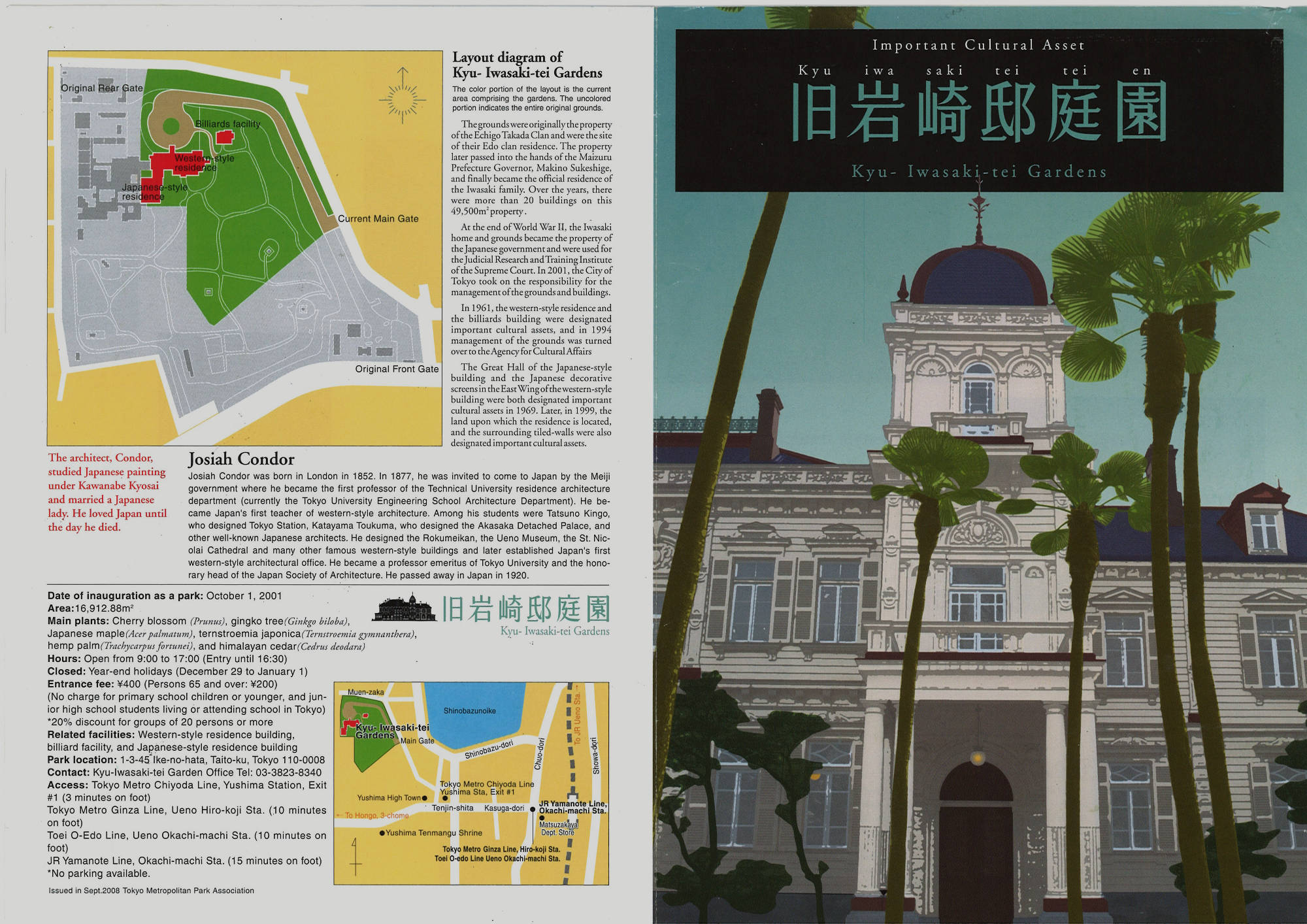
旧岩崎邸庭園 — Kyū-Iwasaki-Tei-Teien

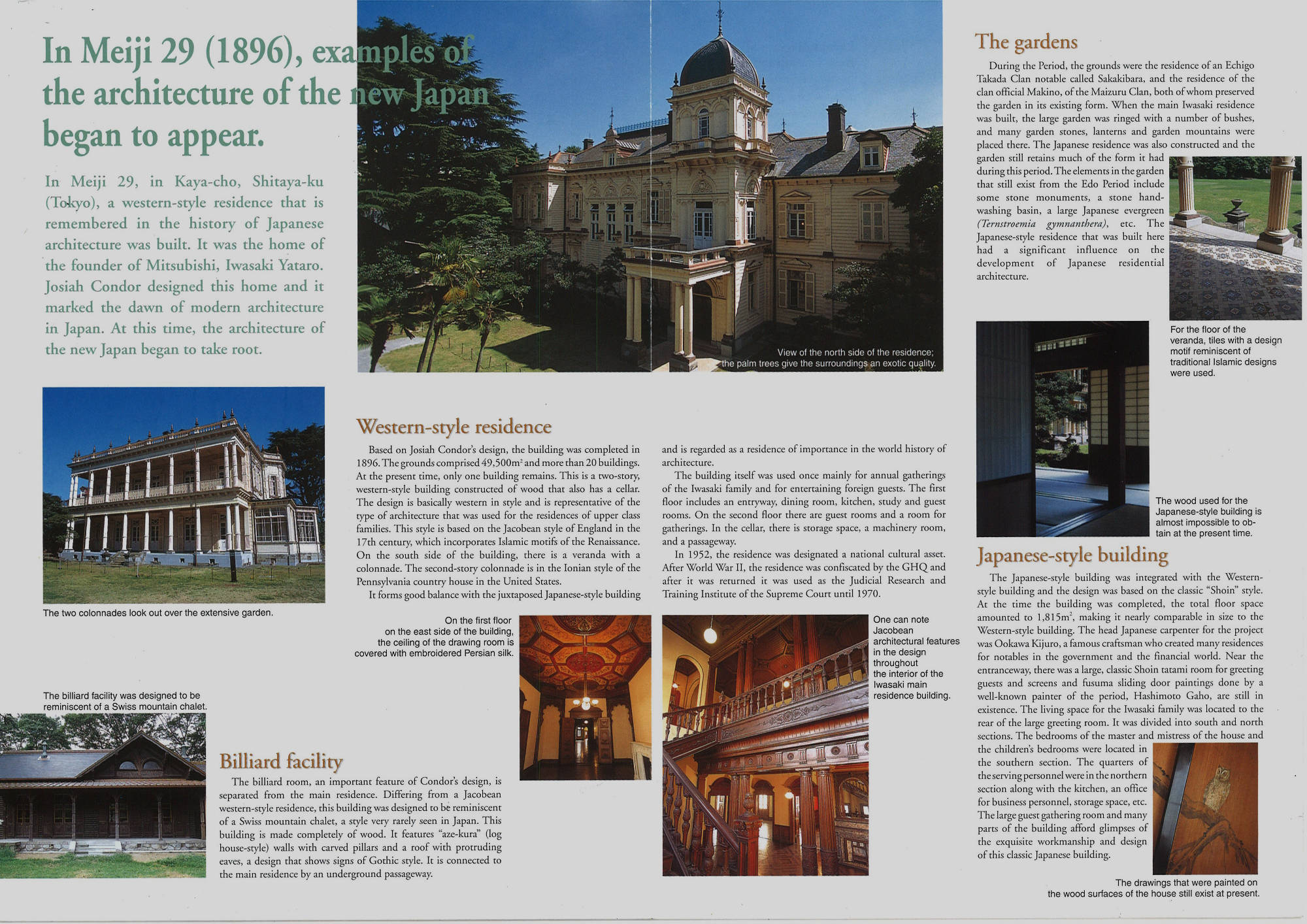
ist kein Garten im eigentlichen Sinn. Es handelt sich vielmehr im ein alten Herrenhaus im viktorianischen Stil. An diesen „Westbau“ schließt ein Bau im japanischen Stil an. Man tritt durch eine Tür und wechselt mit einem Schritt von England nach Japan.

Mögliche Reiseroute: Der Garten läßt sich relativ einfach einplanen. Er liegt westlich vom Uenopark und nördlich vom Yushima Tenmangu. Man sollte eine Stunde einplanen.

.
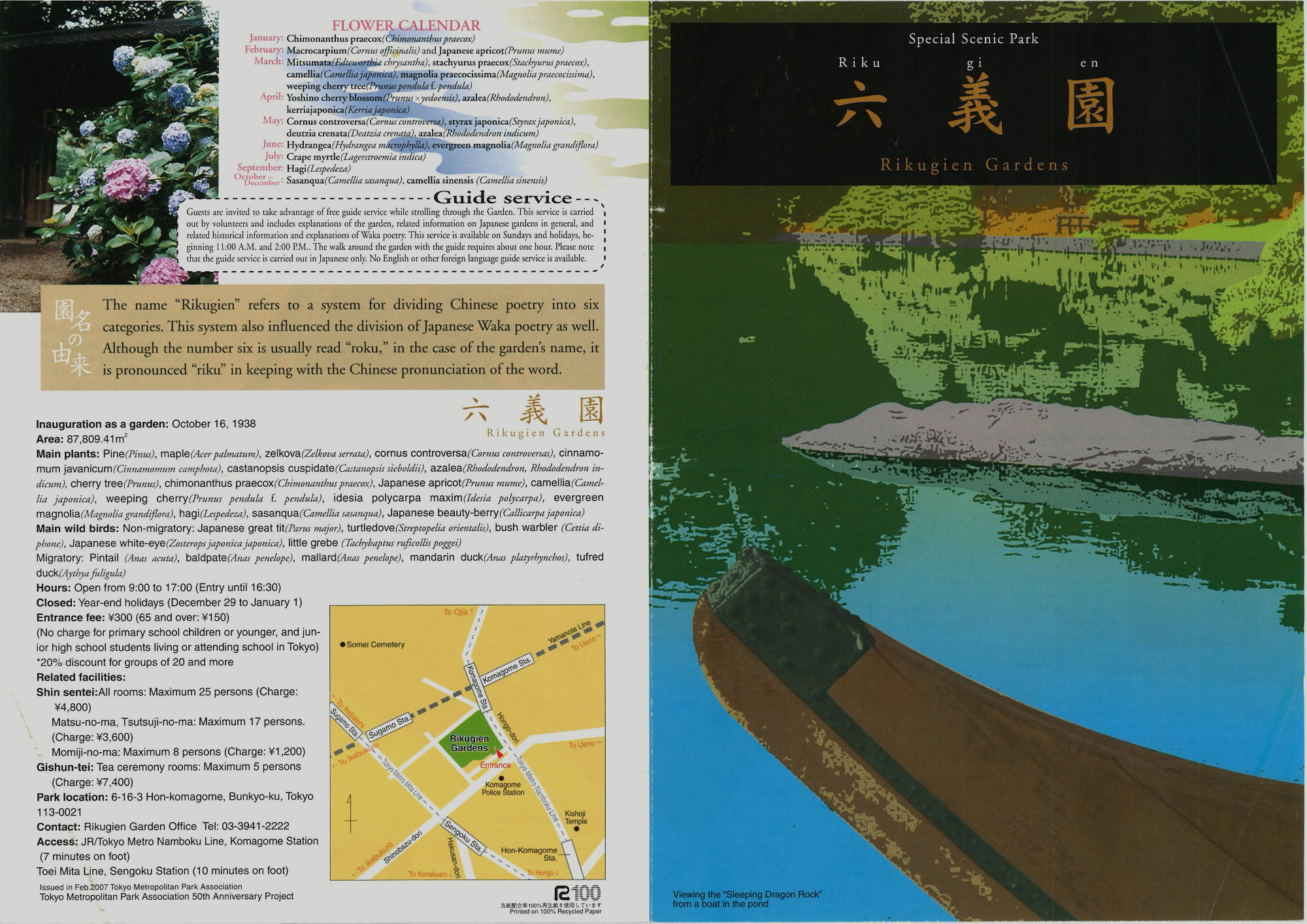
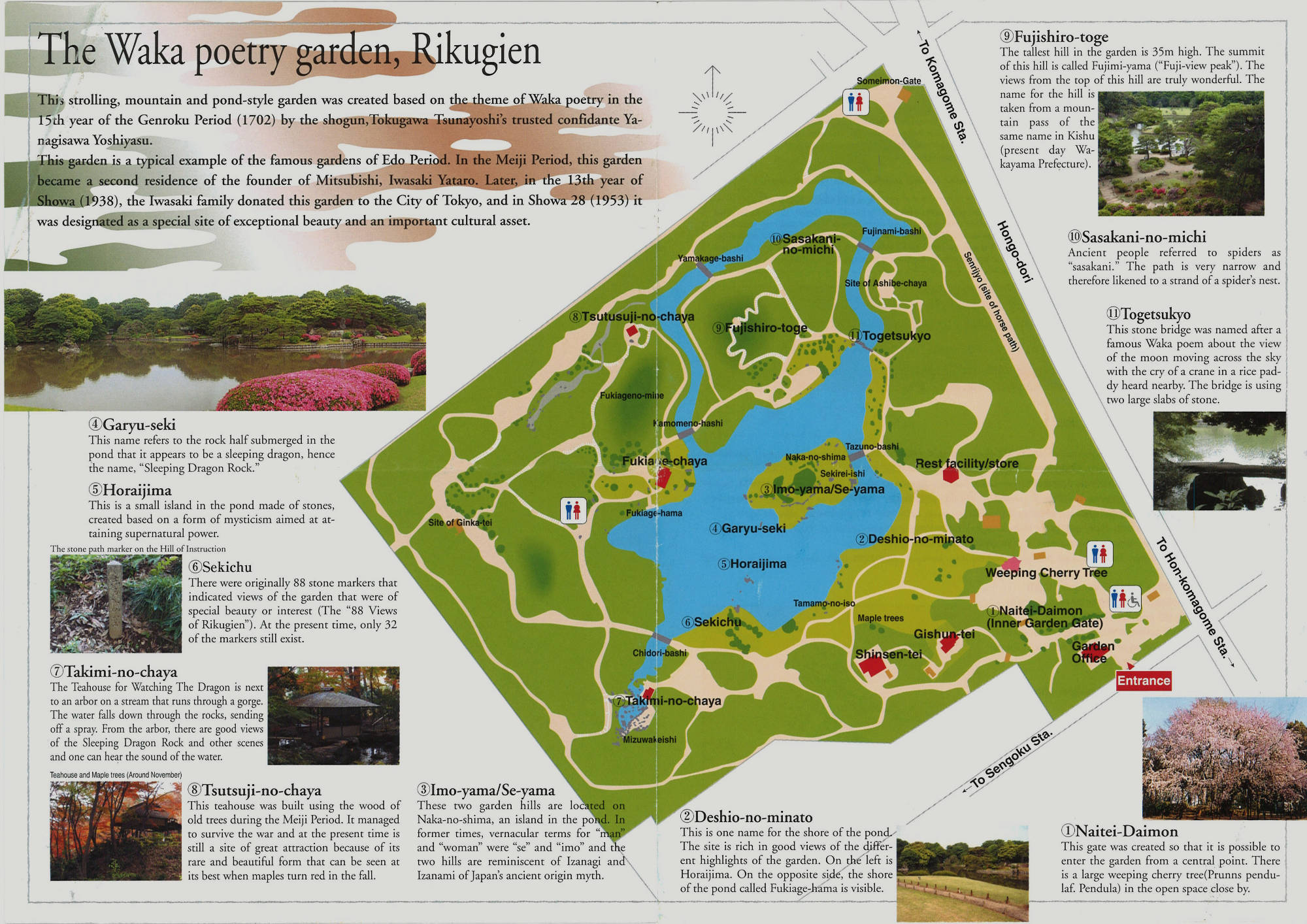
六義園 — Rikugien

Der Garten wird gerne übersehen. Ein muß ist er nicht, zumal er fernab wichtiger Reiserouten liegt. Am dichtesten dran ist die Yamanote-Bahnstation Komagome. Trotzdem sollte man 10 Minuten Fußmarsch einplanen. Der Garten ist von der Architektur genau schön wie die beiden erstgenannten. Allerdings fehlt mir der Kontrast; die Hochhäuser im Hintergrund.

.
Hier noch einmal die Gärten in der Übersicht

  • MUSS: Hama-Rikyū-Teien (Shiodome Station)
  • MUSS: Kyū-Shiba-Rikyū (Hamamatsu-cho Station)
  • kann: Koishikawa Korakuen (zw. Tokyo Dome und Iidabashi)
  • kann: Kyu-Iwaseki-Tei (Ueno-Park)
  • kann: Rikugien (Komagome Station)
  • ? .. hier war ich noch nicht: Mukojima-Hyakkaen (östlich Sumidagawa)
  • ?.. hier war ich noch nicht: Kiyosumi (östlich Sumidagawa)
  • ?.. hier war ich noch nicht: Kyuu Furukawa (nahe Rikugien; Komagome Station)
  • ?.. hier war ich noch nicht: Tonogayato (am Rande Toykos, JR Kokubunji Station)

Tokyo Jissha (東京十社)

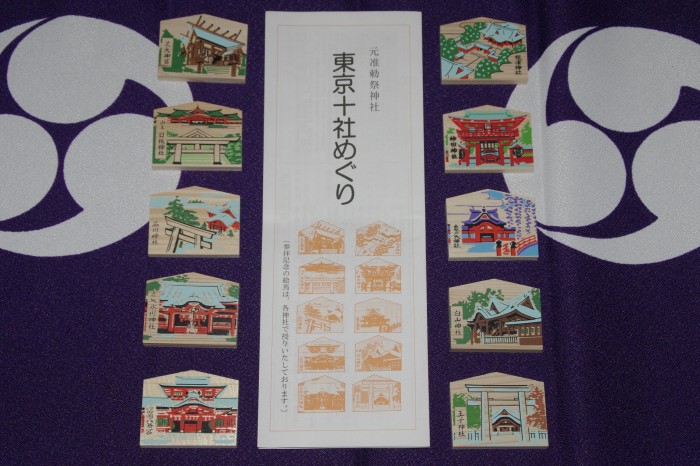
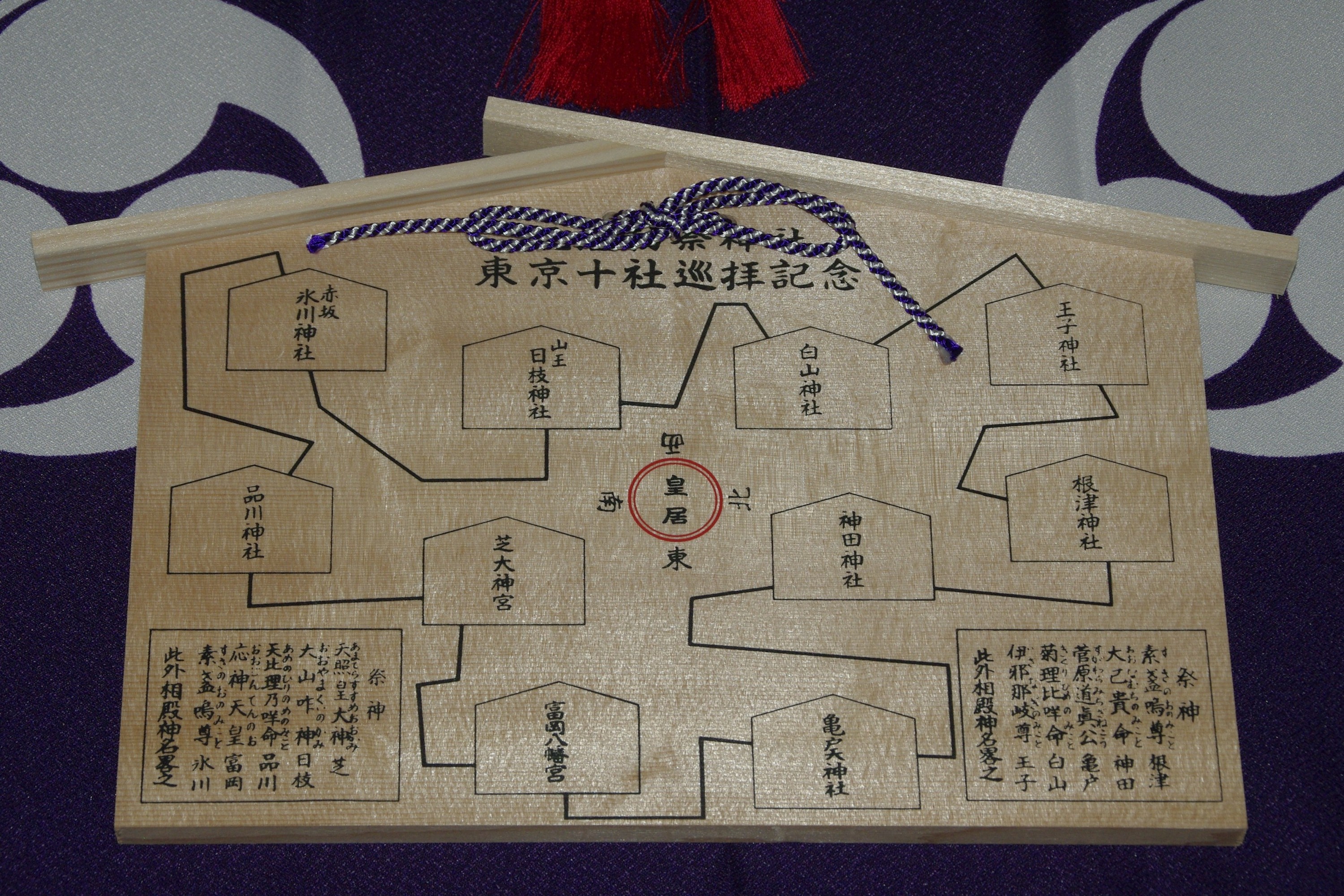
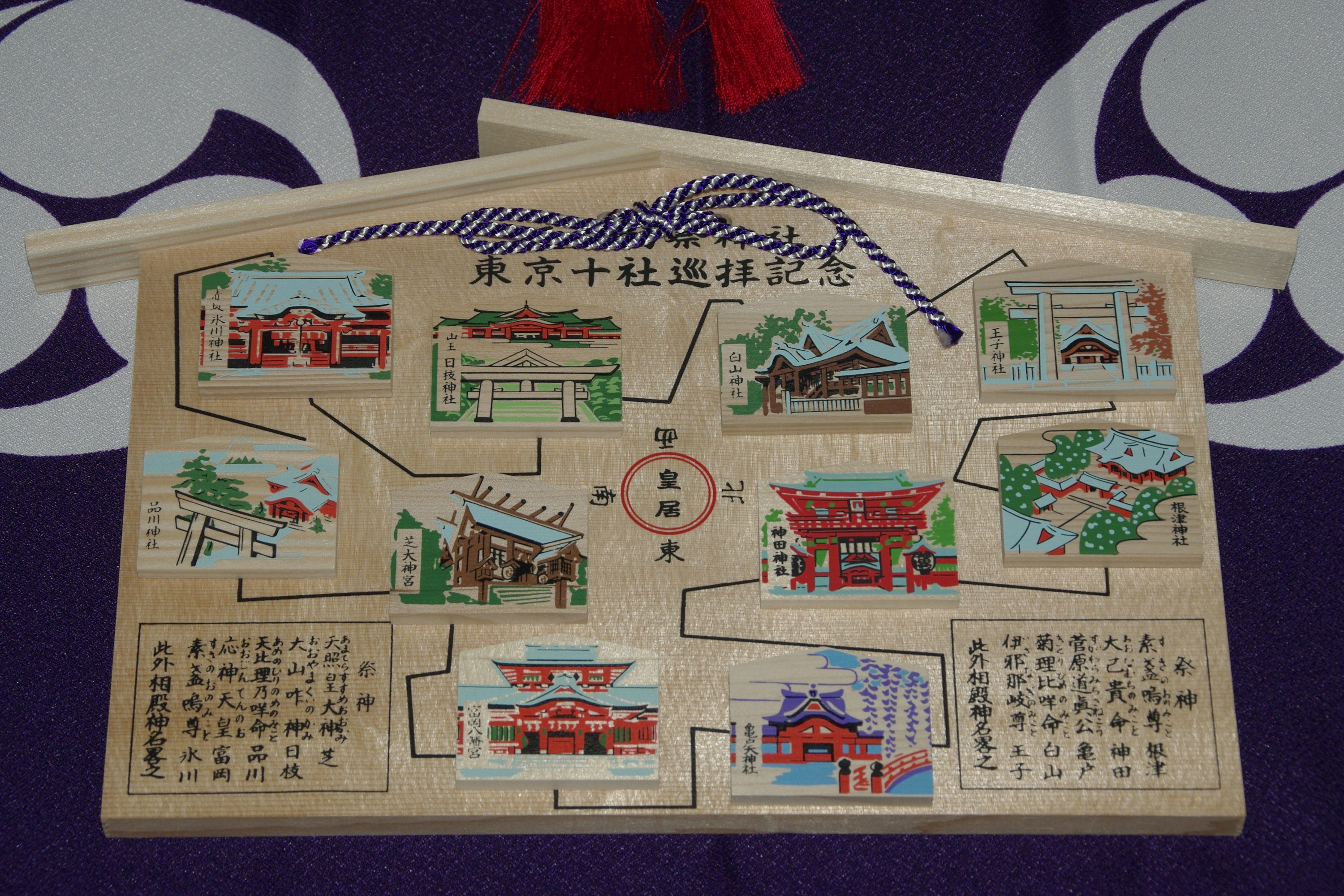
Ein Plan für die Reise 2012 waren die Tokyo Jissha. 10 Schreine in Tokyo, die einen besonderen Status haben und für die es eine Wallfahrtsreise exisitert.

Herkunft

Die Tōkyō-jissha (東京十社), die „Zehn Schreine von Tokio“, sind zehn Schreine, die vom Meiji-Tennō am 8. November 1868 in den Rang shakaku (社格) erhoben wurden. Sie liegen um den Kaiserpalast herum. Die Schreine bekamen Gesandte des Tennō, die dort für das Heil der neuen Hauptstadt Japans und den Wohlstand des Volkes beteten. Ab der Meiji-Zeit waren die Tōkyō-jissha die Wallfahrtsorte der Jissha-meguri (十社巡り) genannten, populären Wallfahrt, geriet aber über die Jahre in Vergessenheit; nicht zuletzt durch die weitgehende Zerstörung der Schreine im zweiten Weltkrieg. Seit 1975 wurde diese Wallfahrt von den Schreinen wieder populär gemacht.

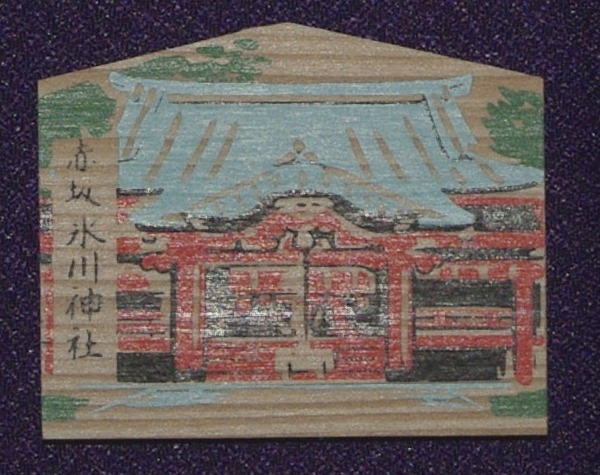
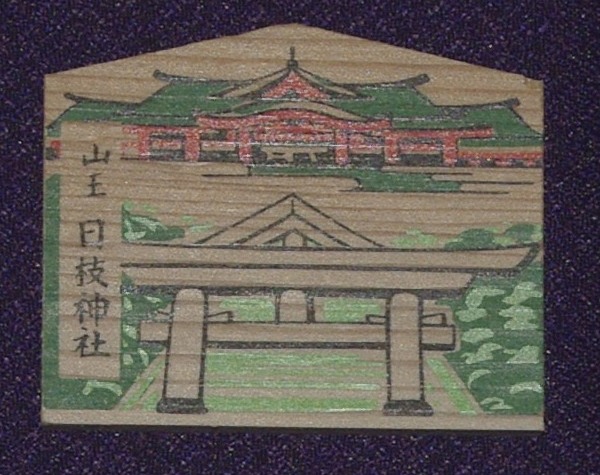
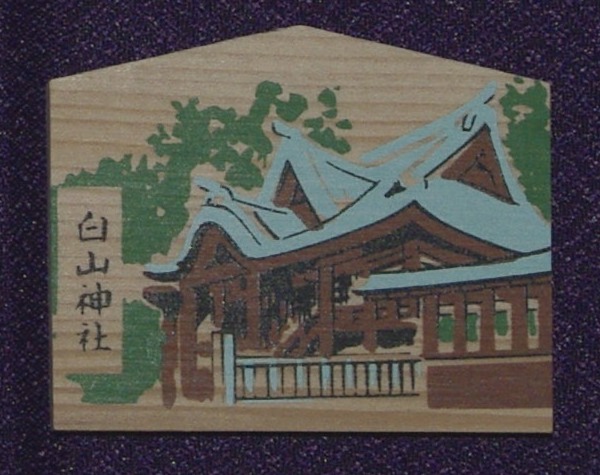
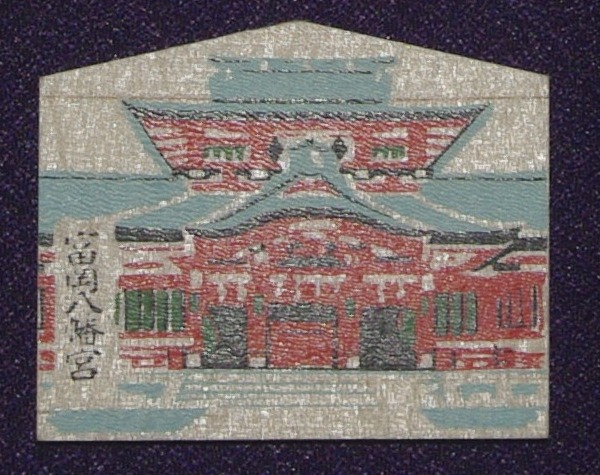
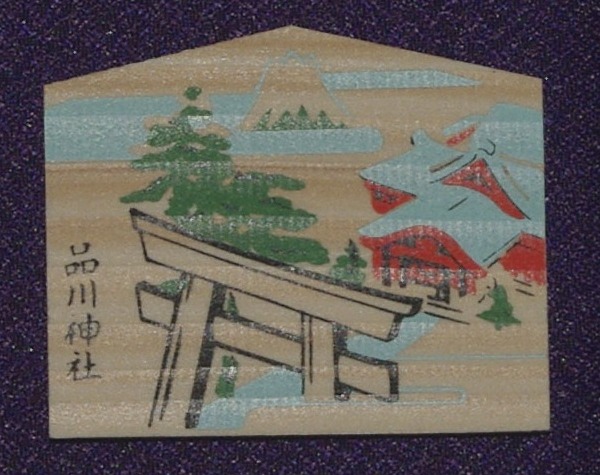
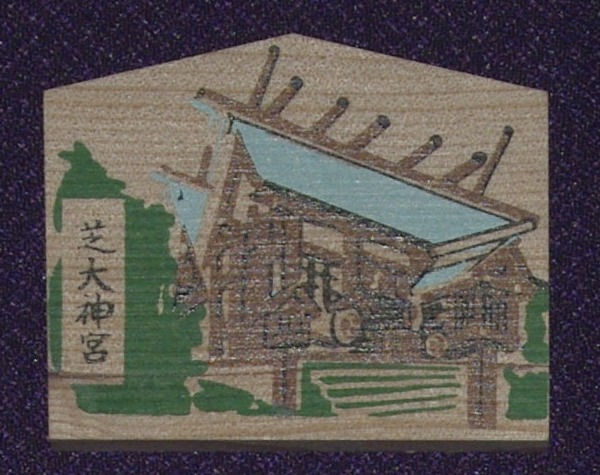
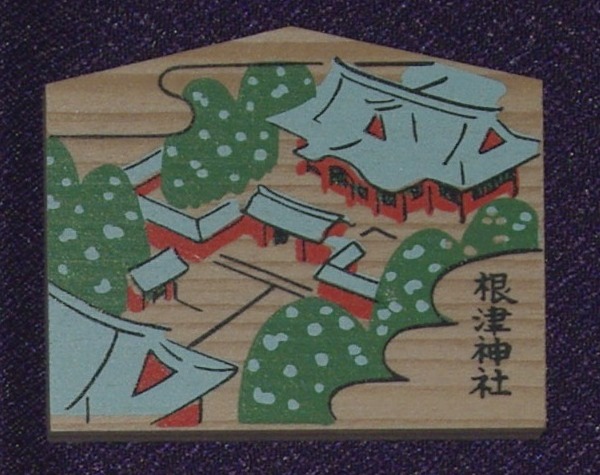
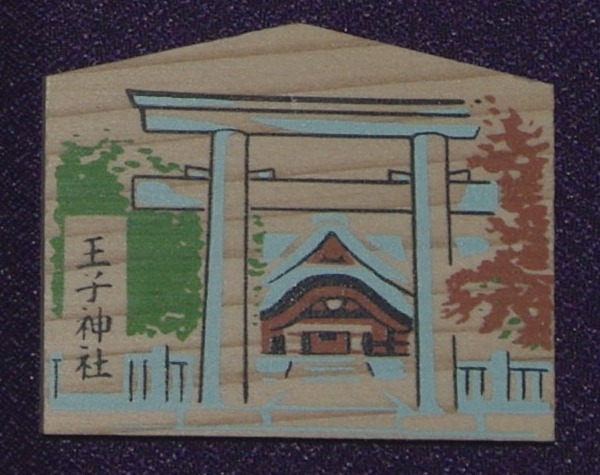
Tokyo Jissha kleine Ema

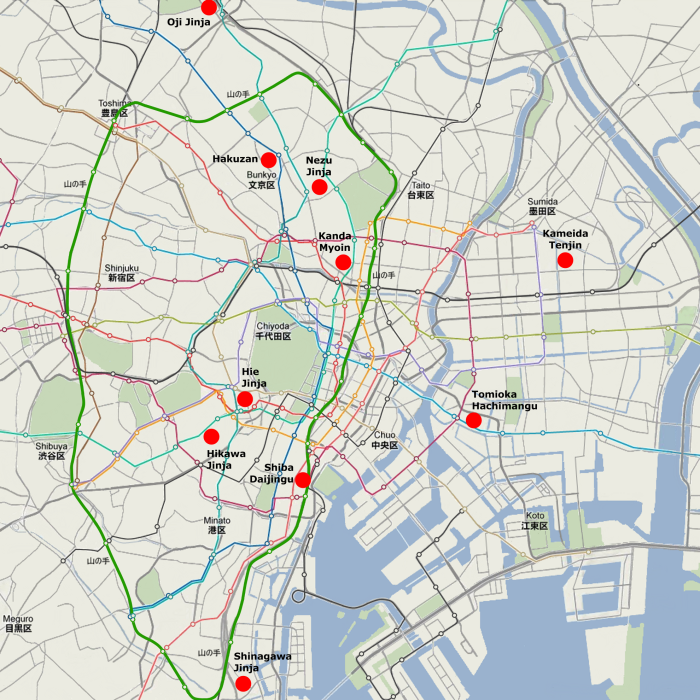
Lage in Tokyo von Nord nach Süd

王子神社 Ōji-jinja Ōji-honchō, Kita 35°45′12″N , 139°44′09″O
白山神社 Hakusan-jinja Hakusan, Bunkyō 35°43′19″N , 139°45′03″O
津神社 Nezu-jinja (*) Nezu, Bunkyō 35°43′13″N , 139°45′39″O
亀戸天神社 Kameido-tenjinja Kameido, Kōtō 35°42′11″N , 139°49′14″O
神田明神 Kanda Myōjin (*) Sotokanda, Chiyoda 35°42′07″N , 139°46′05″O
日枝神社 Hie-jinja Nagata-chō, Chiyoda 35°40′29″N , 139°44′23″O
富岡八幡宮 Tomioka-hachimangū Tomioka, Kōtō 35°40′19″N , 139°47′59″O
氷川神社 Hikawa-jinja Akasaka, Minato 35°40′06″N , 139°44′08″O
芝大神宮 Shiba-daijingū Shiba, Minato 35°39′27″N , 139°45′11″O
品川神社 Shinagawa-jinja Kita-shinagawa, Shinagawa 35°37′06″N , 139°44′23″O

(*) Diese wikipedia-Artikel sind von mir. Wundert euch also nicht, wenn euch die Fotos bekannt vorkommen.

Tokyo Jissha
Tokyo Jissha

Ema

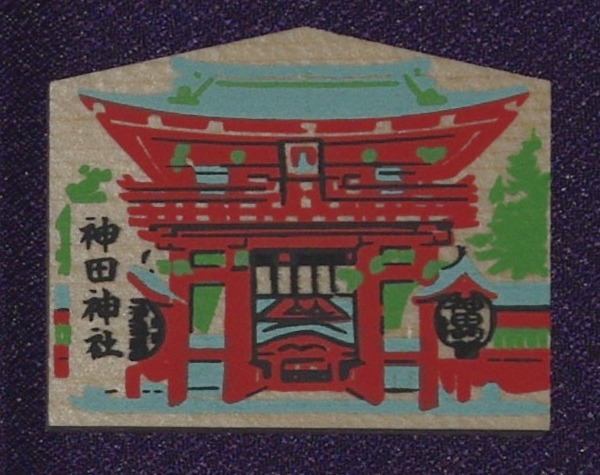
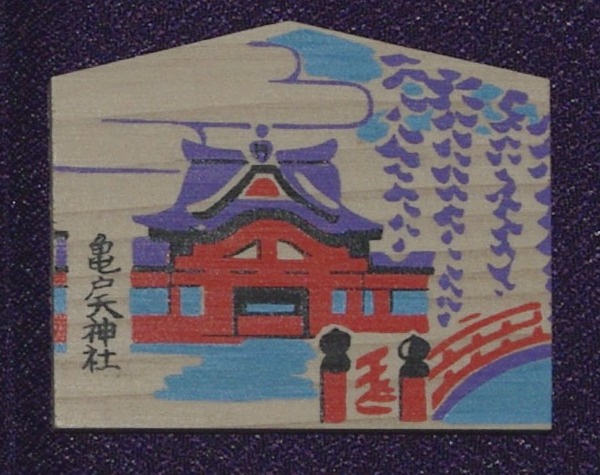
Die Schreine händigen Pilgern jeweils ein kleines Ema mit ihrem Bildnis aus, die zusammen auf einem größeren Ema befestigt werden und so schließlich anzeigen, dass der Besitzer die gesamte Wallfahrt absolviert hat.

Kosten

Die kleine Ema kosten 300yen. Das große Ema kostet 1500yen. Neben den Bahnkosten muß man für die Wallfahrt also 4500yen veranschlagen. Für die Bahnfahrten empfehle ich eine Tageskarte für die U-Bahn. Dabei sollte man Tokyo Metro und Toei buchen. Die kostet ebefalls 100yen. Für den Schrein in Oji und Shinagawa benötigt man zudem die JR, ein Japan Rail Pass ist von Vorteil, muß aber nicht sein.

Planung der Wallfahrt

Es ist möglich alle 10 Schreine an einem Tag zu besuchen. Man muß dann aber schnell sein und darf sich nicht lange an einem Schrein aufhalten. Es ist sinnvoll den Schrein in Oji oder in Shinagawa als Ende der Reise zu wählen, da die Anreise sehr lange dauert. Bei einer günstigen Lage des Hotels sollte der entsprechend andere Schrein als Startpunkt dienen. Meine Wallfahrtsroute war wie folgt:

  1. Kanda Myojin .. Chiyoda-Line: Shinochanomizu -> Nezu
  2. Nezu Jinja .. von hier zu Fuß wechseln zum ..
  3. Hakusan .. XY-Line: Honkomagome -> Oji
  4. Oji-Jinja .. JR-Line: JR Oji -> JR Akihabara -> JR Kameido
  5. Kameido Tenjinja .. Kinshicho -> Kiyosumishirakawa -> Monzennakacho
  6. Tomioka Hachimangu .. Monzennakacho -> Shiodome
  7. Shiba Daijingu .. Shiodome -> Roppongi
  8. Hikawa Jinja .. zu Fuß weiter zum ..
  9. Hie Jinja .. Tameikesanno -> Shinbashi -> Shinagawa -> Shinbanba
  10. Shinagawa Jinja

Ich rate aber allen, die Wallfahrt mit einem Besuch der japanischen Gärten oder anderen Sehenswürdigkeiten zu kombinieren und auf zwei Tage auszudehnen. Ich hatte nur einen Tag geplant und mußte es durchziehen. Es war aber sehr gehetzt. Man sitzt eine halbe Stunde oder länger nur in Bahnen oder rennt zu Fuß die Straßen entlang, nur im dann in 5 Minuten den Schrein zu besichtigen.