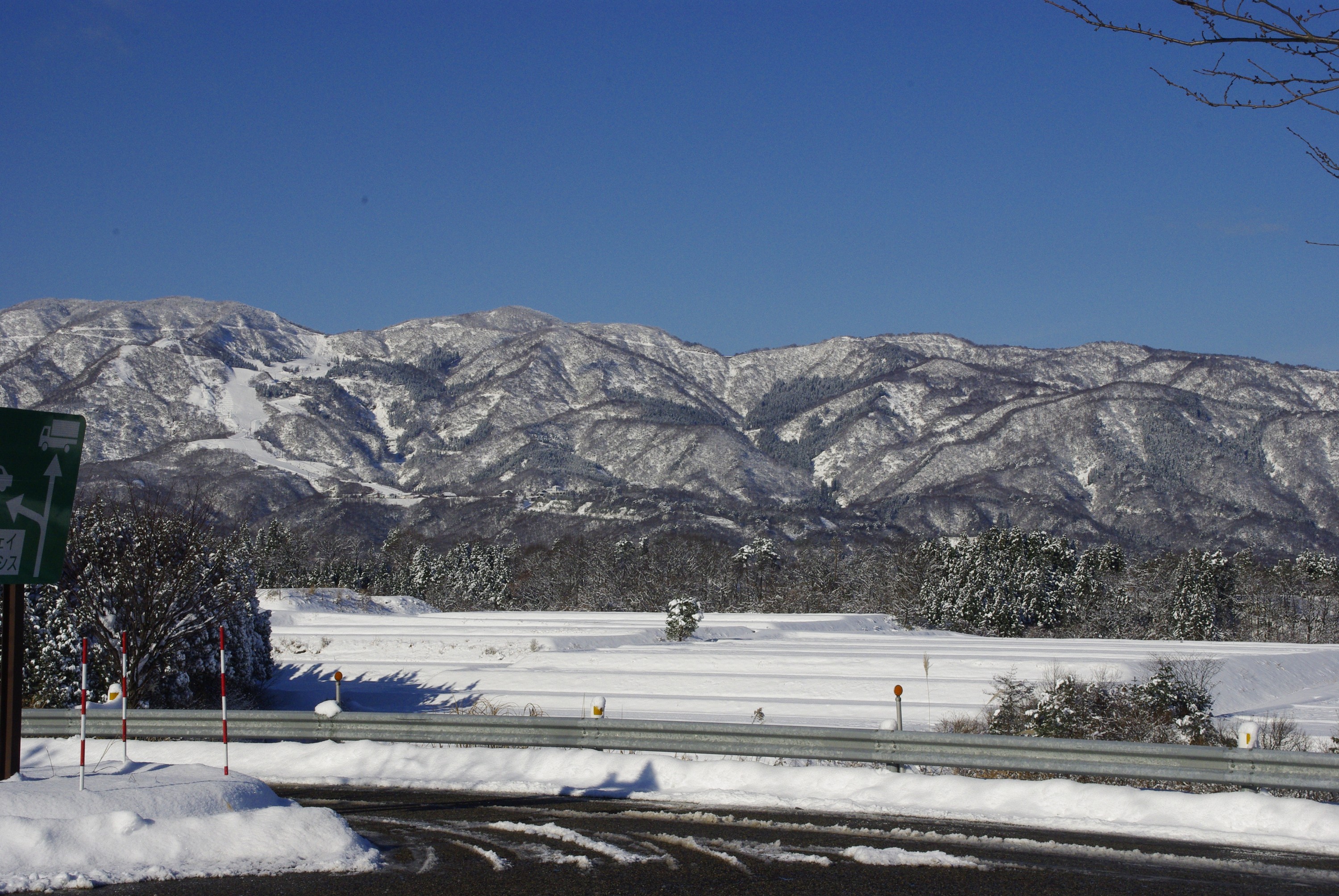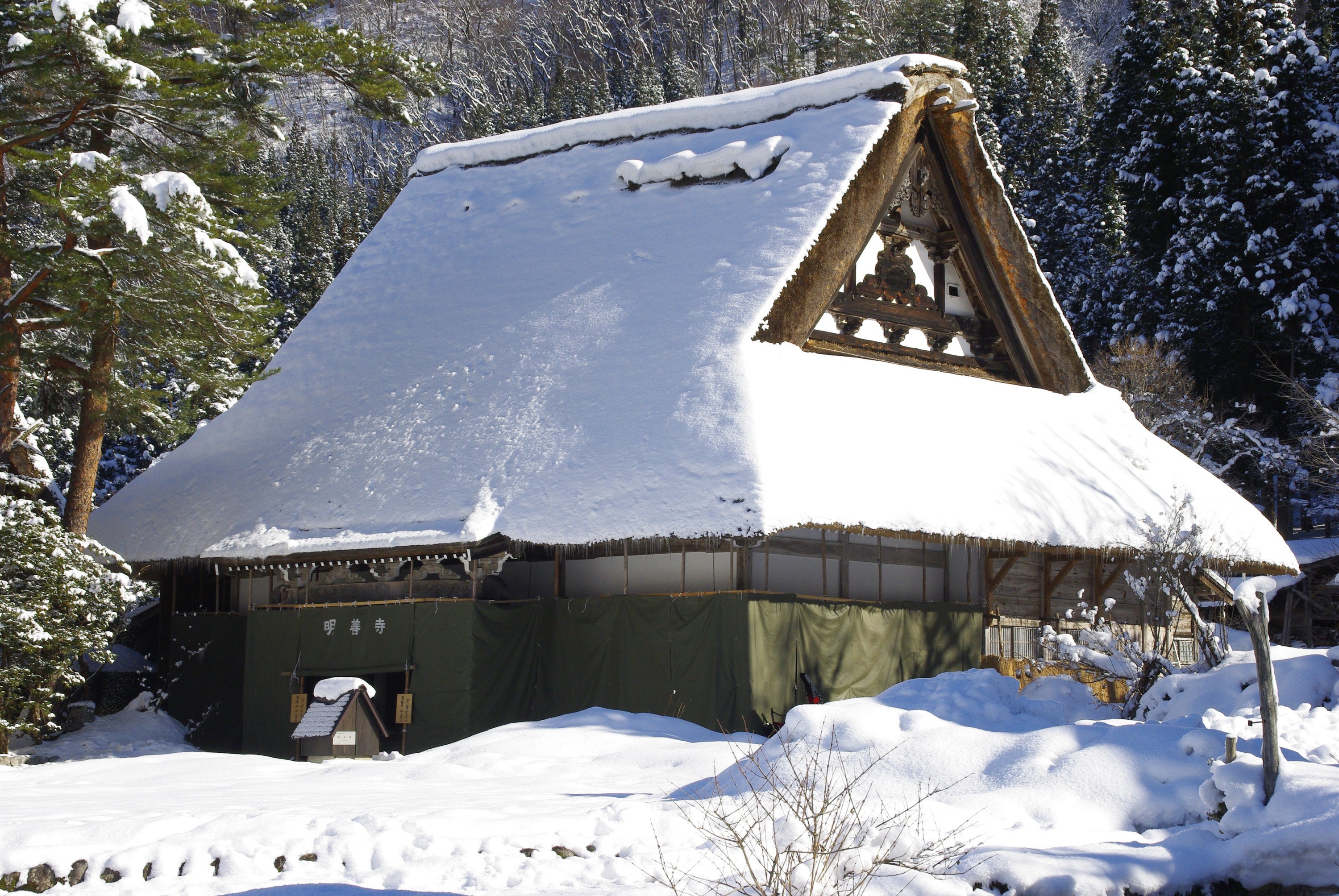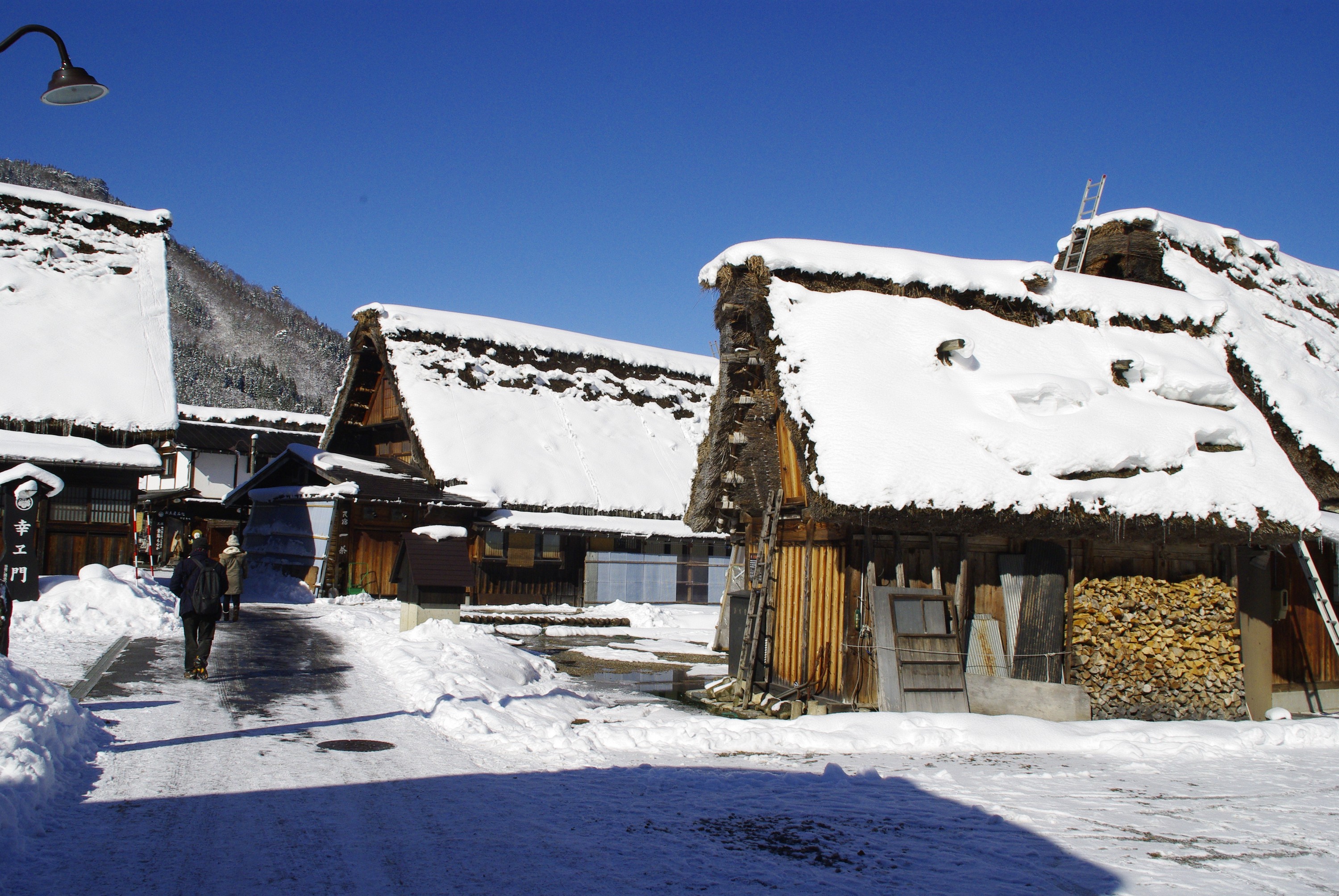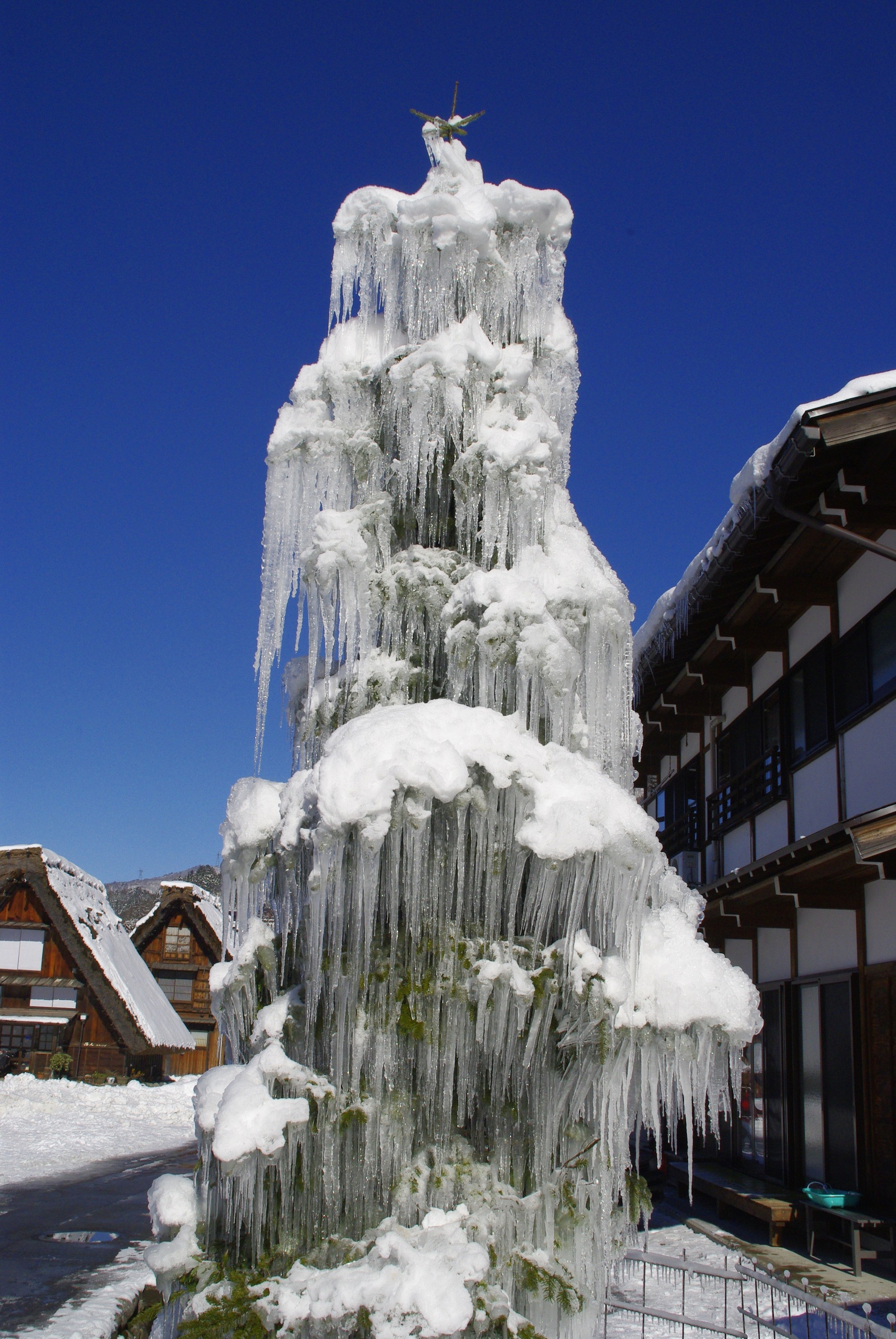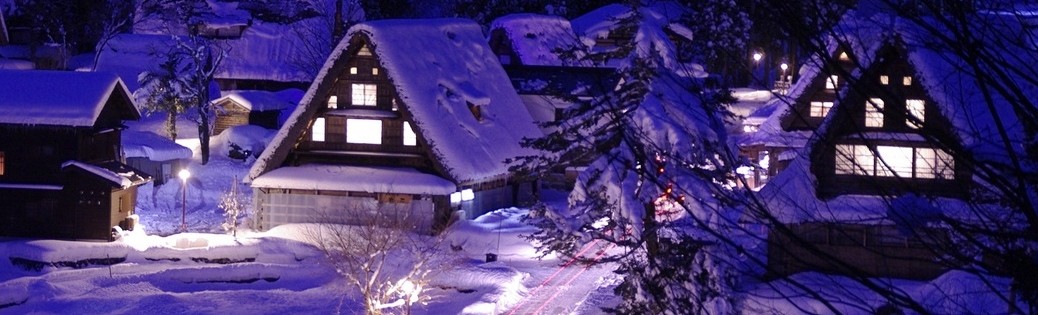
Shirakawago and Ainokura

A taxi is driving to the train station. I hope my reservation is working. Where is the bus? The driver tells me that I had to pruchase a ticket. Looks like I have a problem. But at least my seat is reserved. After a short discussion between the driver and the platform conductor I can pay cash. This was close. With every mile the bus is driving there is more snow in the mountain. Maybe I can see some snow in Shirakawa. Until now I always was one month to early.

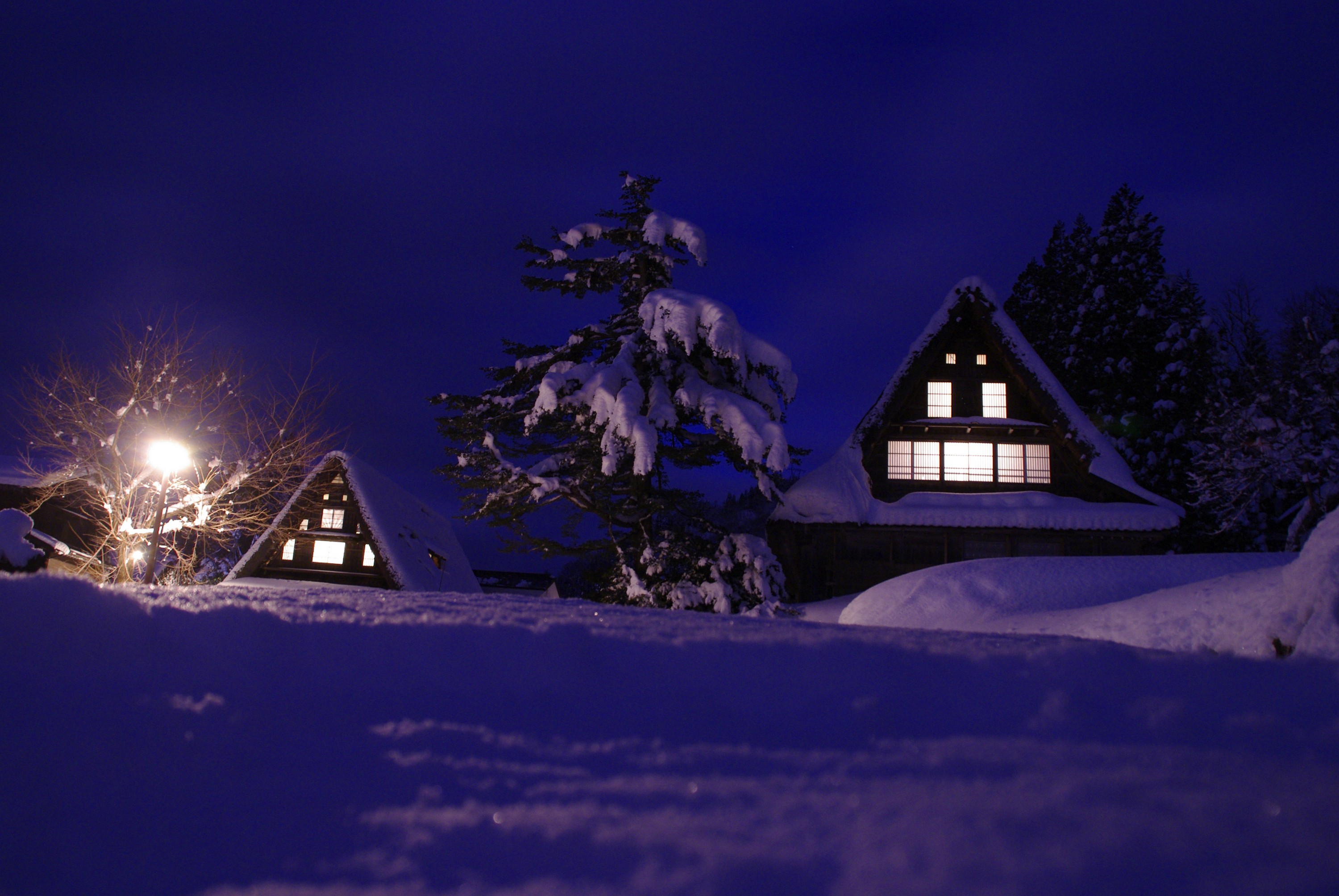
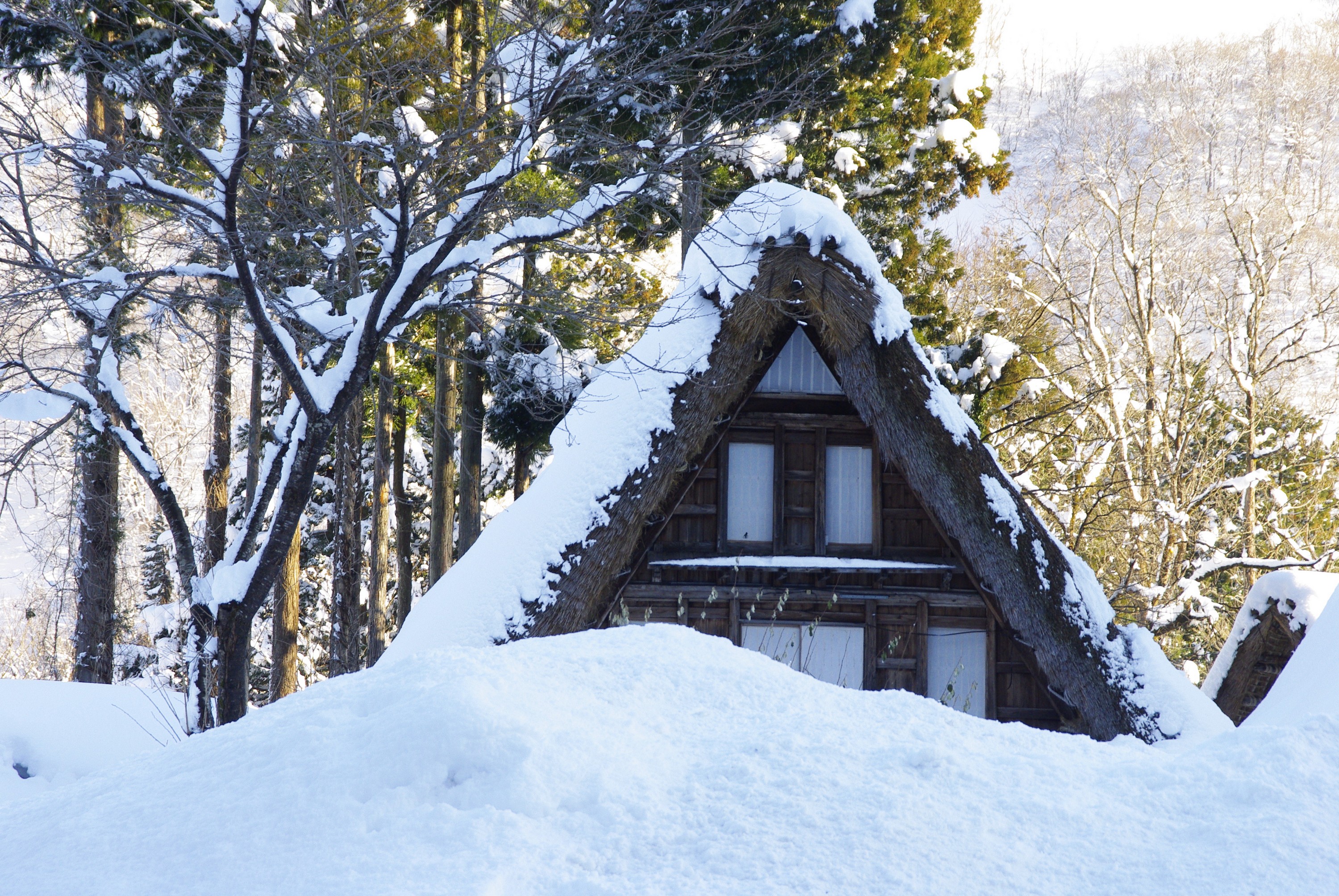
Ogimachi is a white dream. The temperature is around the freezing point. But the snow is melting in the sunlight. But there is plenty of it left. This will last until tonight. I cross the river by using a extremly thin concrete bridge that is swinging with every footstep. On he other side the old houses are covered with snow. It looks like they sunk into the snow. I walk thru the old houses. (This is how Gothmund may look like after heavy snowfall.) I find the hiking trail that leads uphill to the view point. It is closed but I try it anyway. The way is covered with ice and snow but I manage to get to the top. From here I have a perfect view down to the postcard like scenery. The perfect view is only destroyed by the street that cuts the town into two peaces.
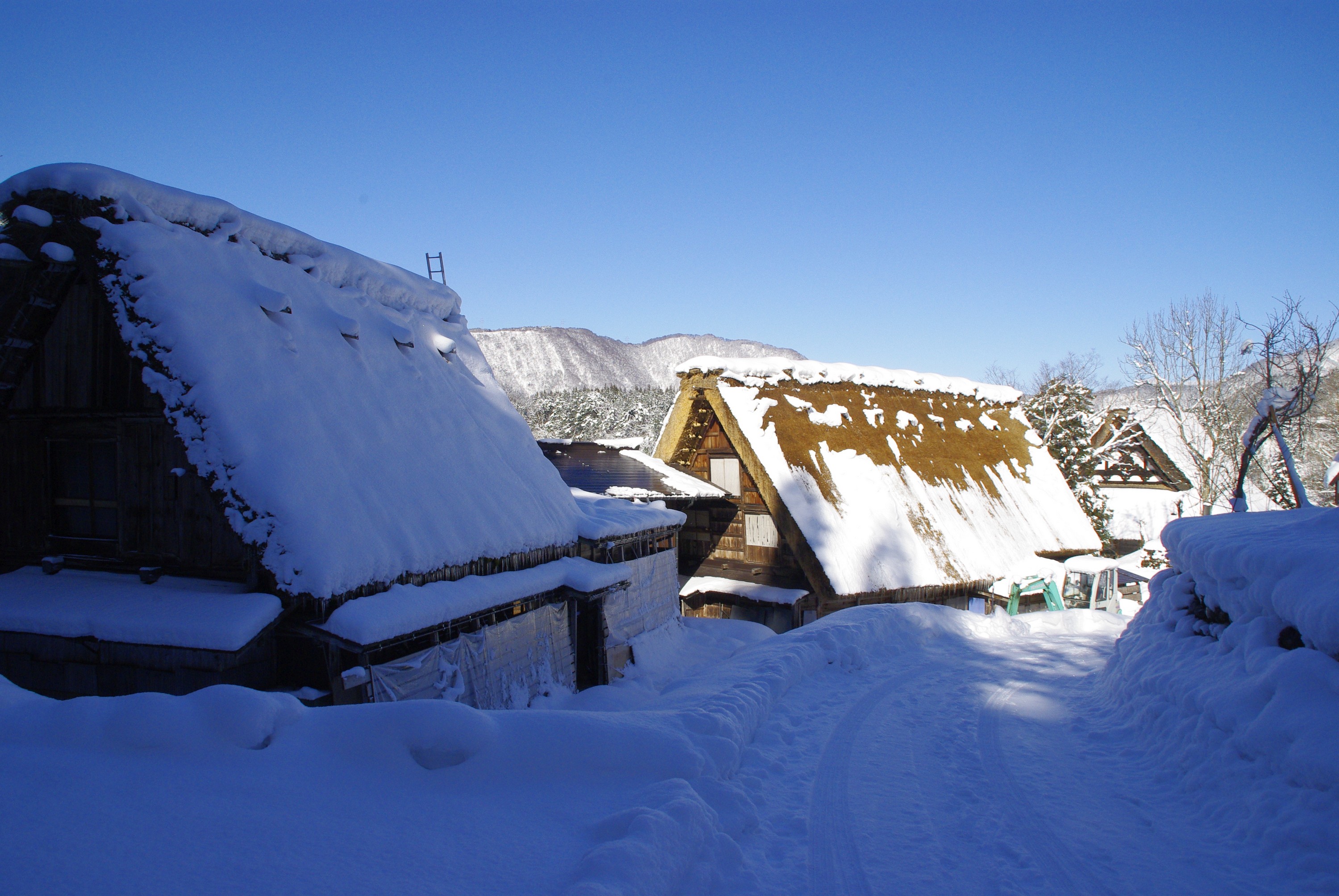
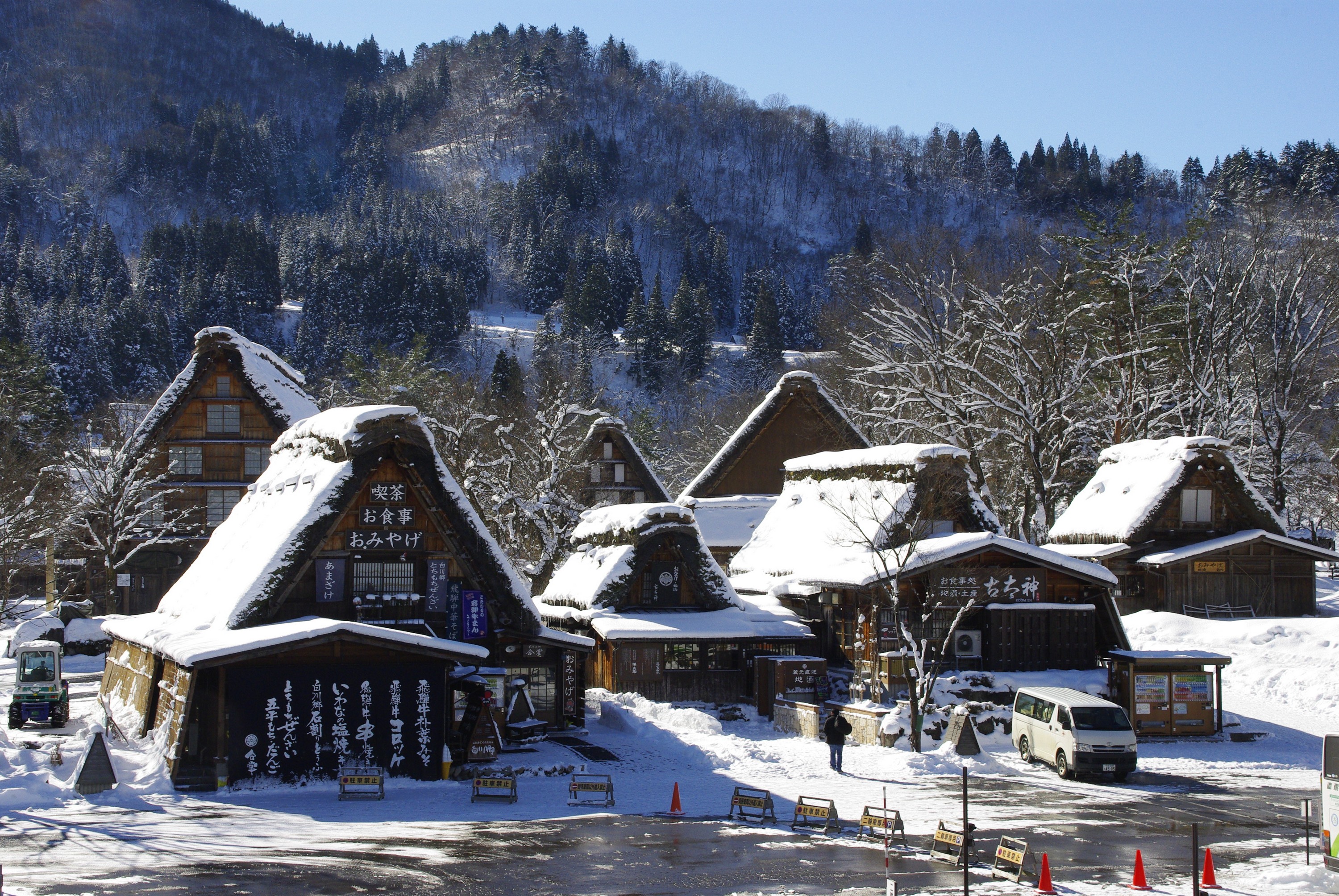
Ogimachi Gallery 1

Back in the valley I have some time left to walk thru the snowy streets. But with a look to my watch every few minutes there is no real holiday feeling. Too soon the hour is gone and I pace back to the bus station to pick up my luaggage. And than again over this strange bringe to the other side, because the bus is leaving there and not at the arriving bus station. Lucky for me that I can read Kanji and lucky for me that I spotted the bus stop earlier. It is not easy to pass the bridge with a heavy trolly. At the end of the bridge is a small step segment. I need three attemps.

At the bus stop I still have two minutes. Time for a coffee can and some postcards. The bus is on time. Like always in Japan. There is only one other passenger. After a few minutes I am in a conversation with the bus driver. I am „Doitsujin“. We stop several times on the way to Ainokura without a bus stop. The driver shows me old temple and houses. He opens the door so that I can take pictures. Cool.

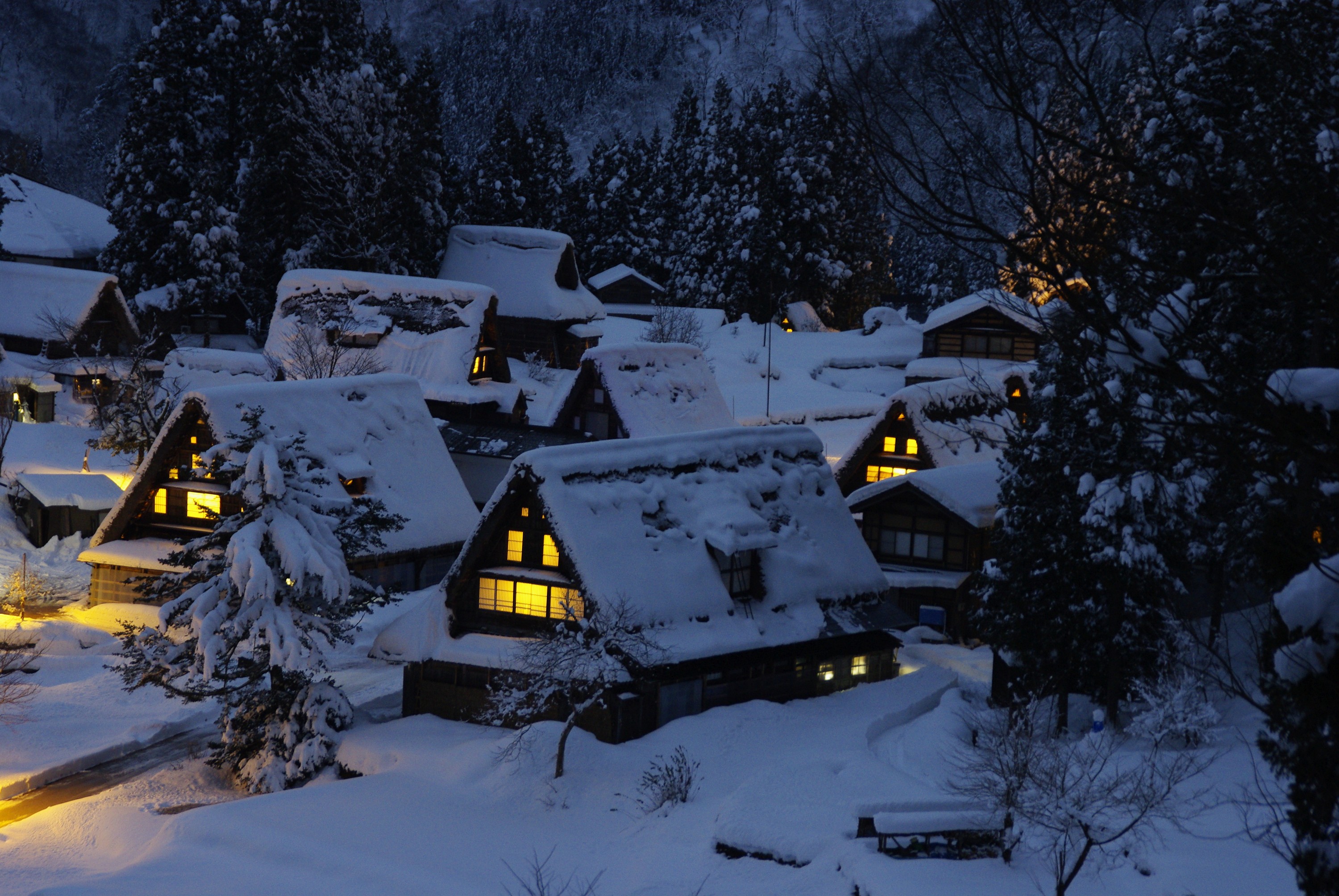
In Ainokura I am lost. After the bus is gone there is just me, the bus stop and the street. But no village. I spot a sign that says 300m. OK. Not easy with a trolley and the half molten snow. At the beginning of the village is a big parking lot. The guard gives me a small map; nice. The Choyomon is one of the first few houses. Lucky. Because the snow is 1m high.
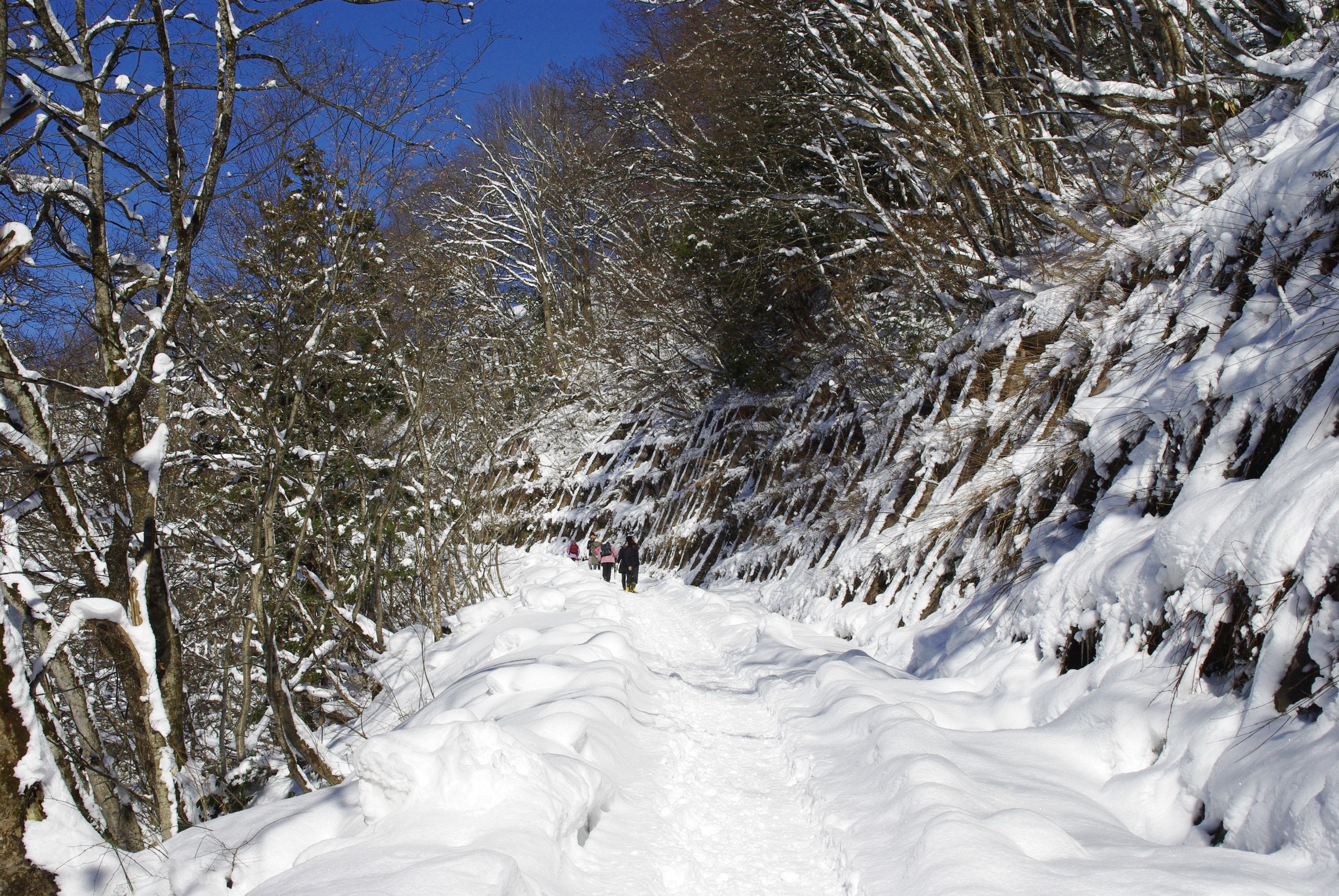
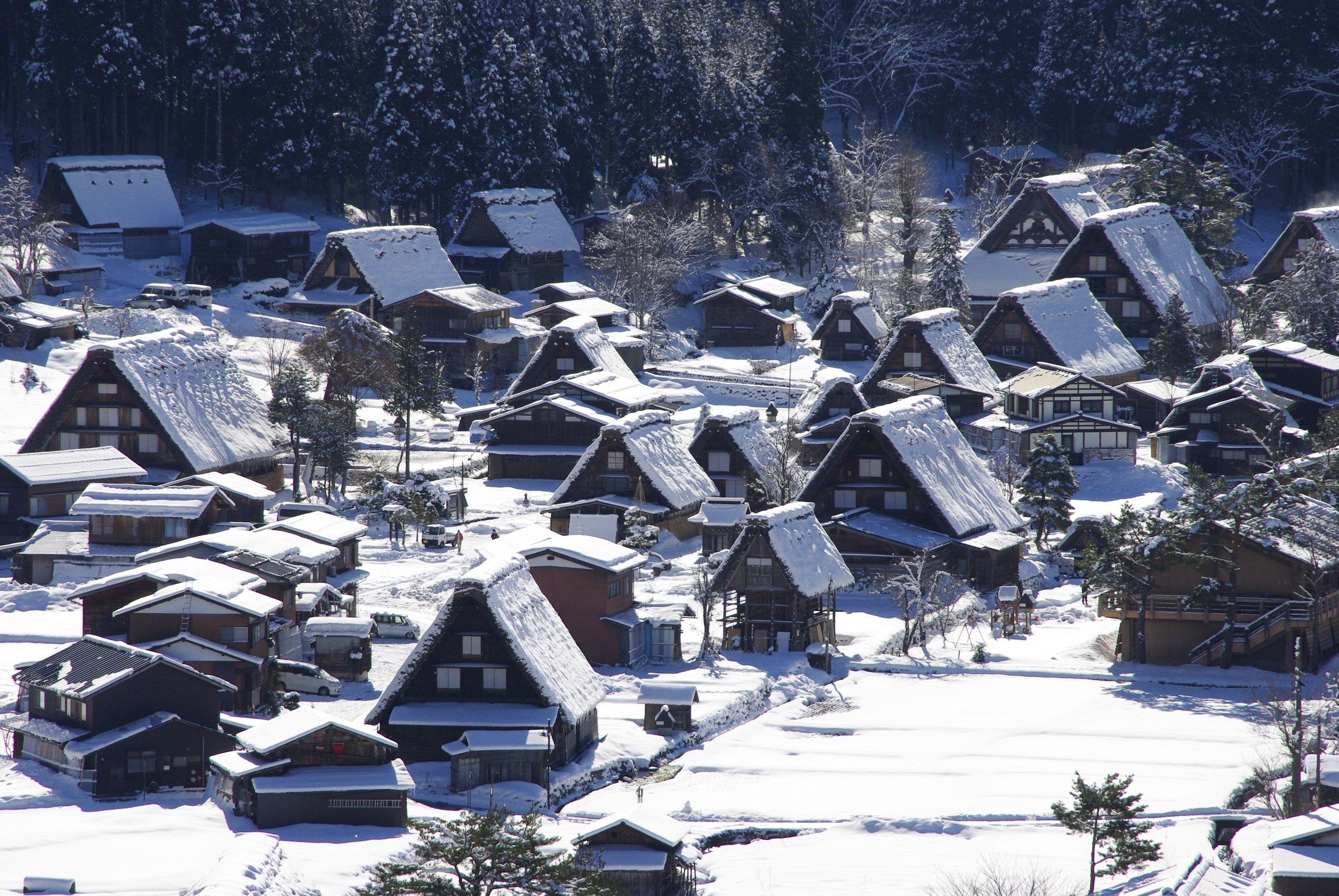
Ogimachi Gallery 2

I open the door and go inside. „Sumimansen“. An older women appears. The owner. We enter the central living room, without shoes. My room is just next to it behind a sliding door. The temperature inside is 45°F or less. I can see my breath. Then we go back to the central room an sit down next to the open fire. Fresh green tea is prepared. Cozy and cold at the same time. A small heater is spending a little warmth. A small sign says: „Do not use petrol. Only use kerosine.“ This I call a bold statement.

At 2:45pm I feel the urge to go outside again. Taking picture. Ainokura is very small and in the middle of nowhere. I should cover everything including plenty of time to enjoy the scenery. All hiking trails leaving the village are blocked by snow. I visit the small museum that is located in one of the old houses. Not much to see but I can climb upstairs to the second floor. The roof construction is amazing. There are no nails. The beams are put togehter by ropes. Reed is applied in two layers.

I try to get uphill to the siteseeing spot. A lot of snow but I can manage, somehow. The view is nice. All I have to do is to wait for the magic hour. The way is leading further uphill and returns down on the other side of the village. My attempt is stopped after a few meter. Up to my knees I sink into the snow. Not easy to get out.

Back to the village. Btw. The weather is perfect. The sun is shining, no clouds. I roam thru the houses and stop at a small shop. Here I warm up with some hot nihonshu. I also buy some souvenirs. At 4:30pm, dawn is beginning, I go back to the sightseeing spot. The moon is just appearing above the mountains. It is not possible for me to catch the mood. Not without a tripod and HDR.

I built myselft a small camera platform with snow. I believe that one or two pictures are very nice. Downhill I stumble into a problem: It is dark and all the snow is white. No contours. Where is the pathway. I walk slow and carefully. If the snow is going up to my knees I am offroad.
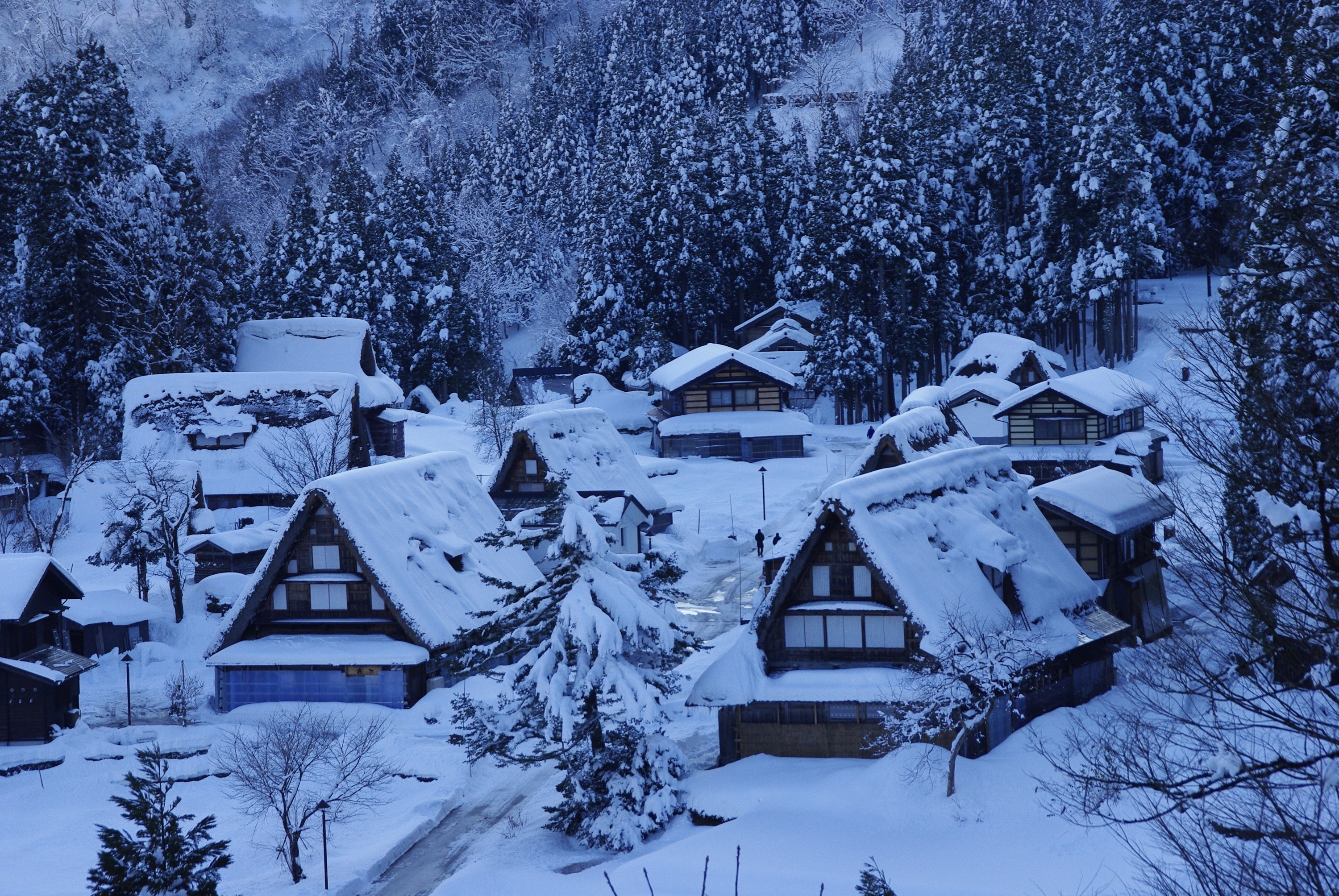
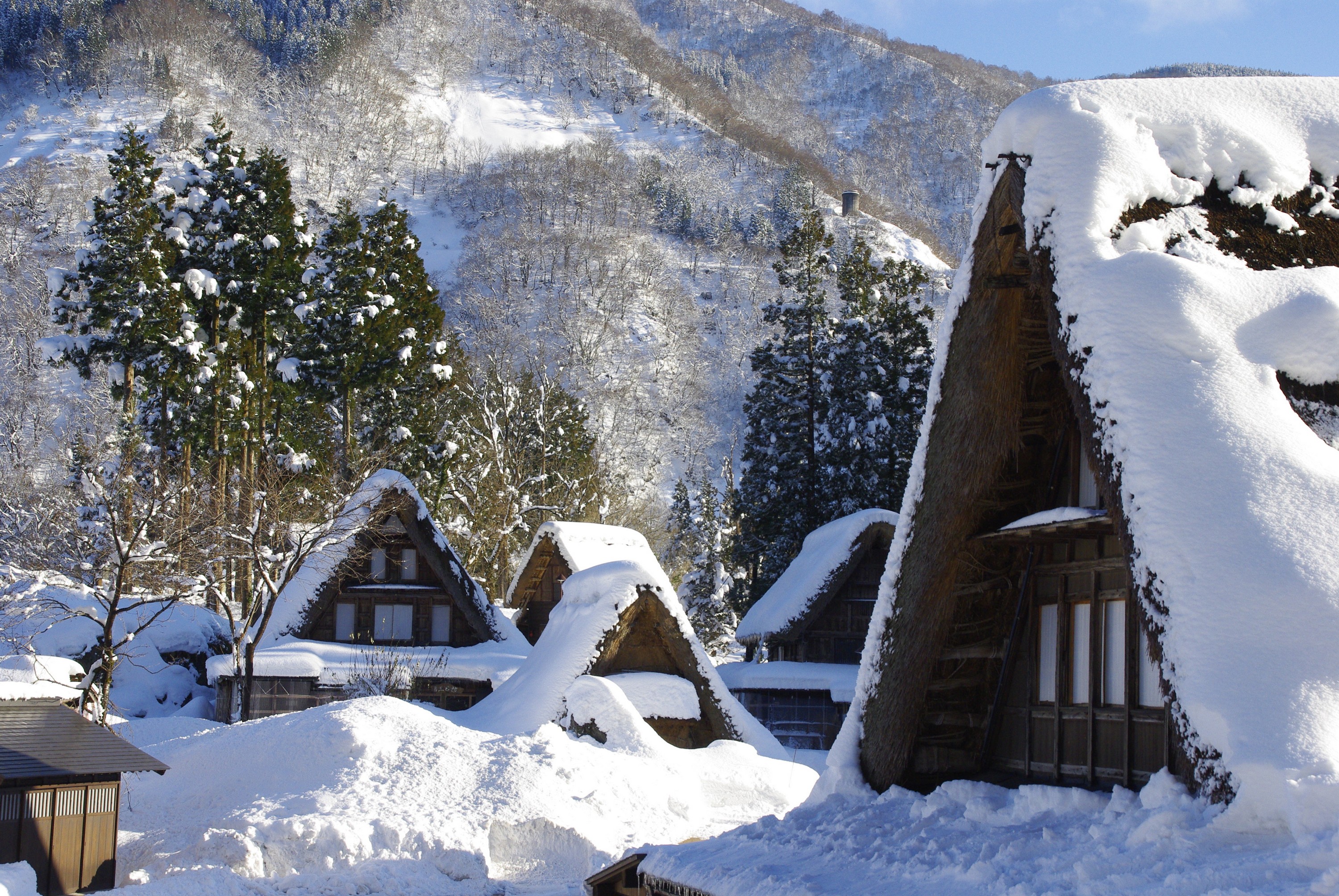
Ainokura Gallery

I am back in time at the Choyamon for dinner. Fish is already broiling over the open fire. A second guest appears. The mother of the owner also arrives; this is a real obasan. Lucky for me the the other guest can translate, without him I would be lost after 4 words.

The TV is showing „Sasuke’s Rising“. The reminds me of Takeshi’s Castle, but the obstacles are really difficult. You need a lot of strength and endurance. After the show it is time for a hot bath. In the meantime the kerosine burner is heating up my room.

Before I call it a day, I go outside for another stroll thru the city. We are close to full moon. The snow is reflecting enough light to orientate. It is dead quiet. No birds, no wind in the trees, and no cars! Nothing. A few meters laters I hear water. The runlet is small and a couple of meter away, but I hear it. Amazing and relaxing.

The night is interrupted very three hours. The heating has a safety shutdown and needs to be restarted. Without it gets pretty cold within minutes. It is like a wakeup call. I just press start and crawl back into the futon for another three hours.

https://www.youtube.com/watch?v=P3D639Y-O9Y&list=PLQLLygaAKRJ6Wlb-9Axzv0WCFzq2_WUq5&index=10
[deutscher Blogeintrag]

Kanazawa

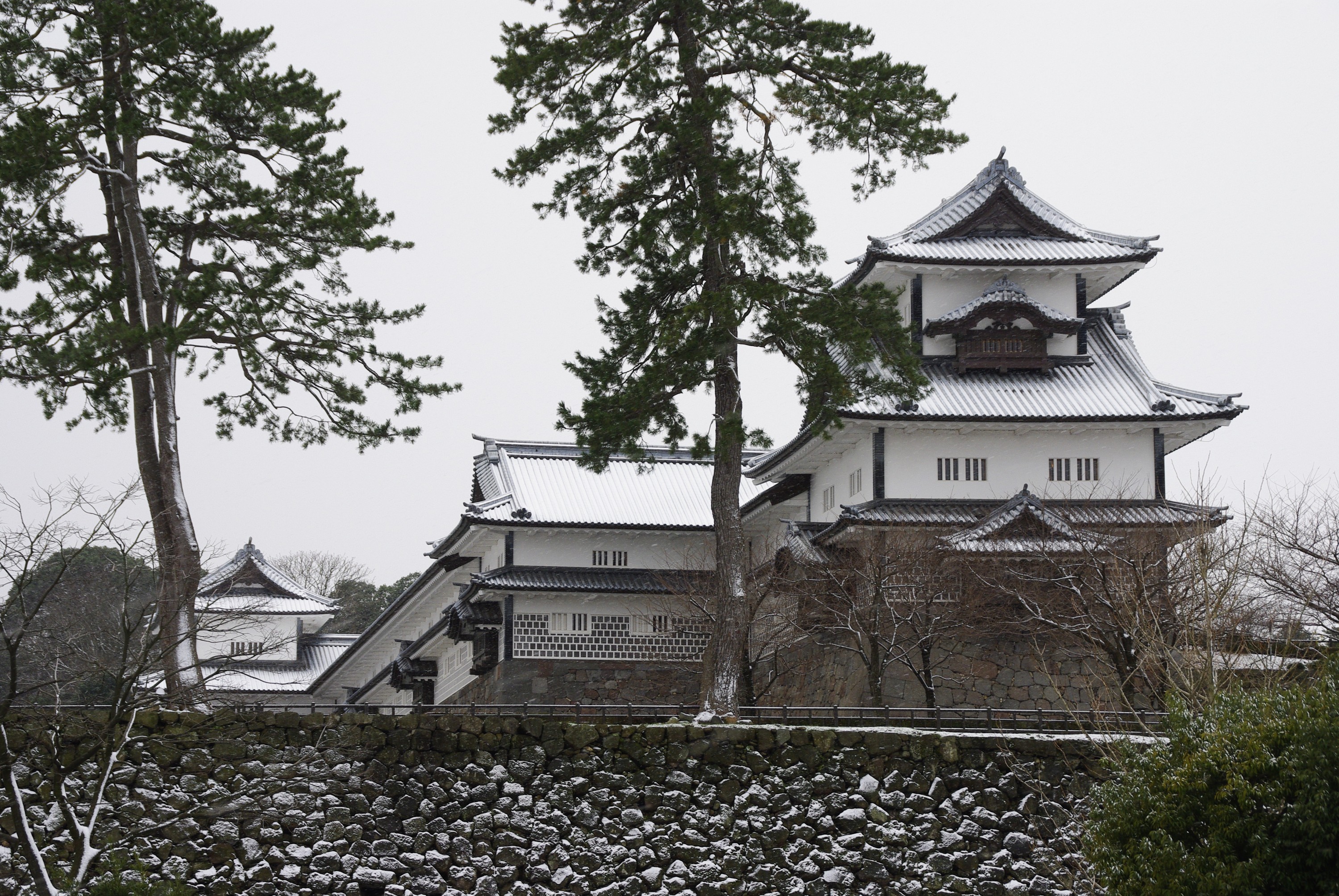
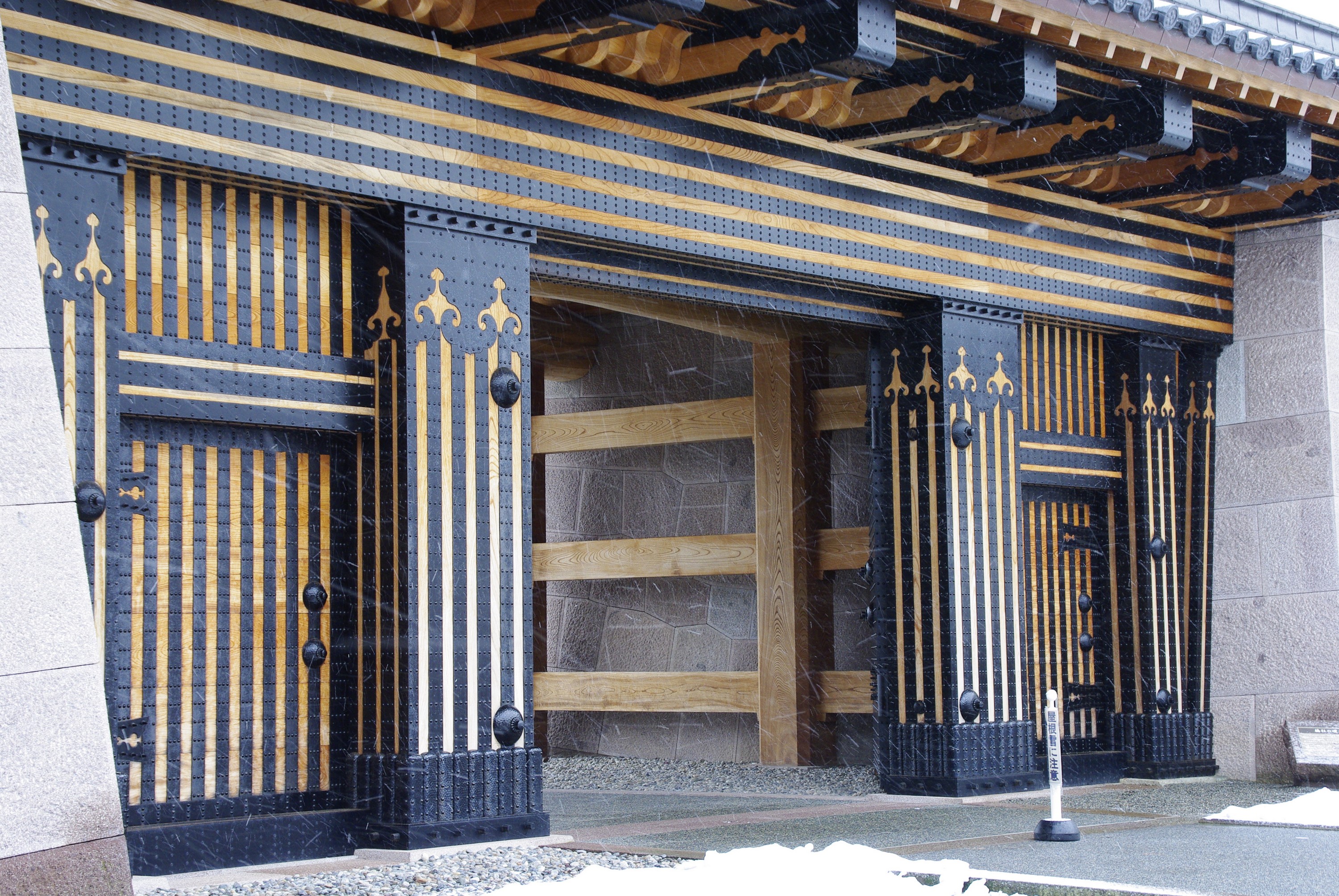
It was snowing over night. Not much, but now there is some kind of winter feeling. First stop today is Kanazawa castle. It is not complete and a reproduction too. It is worth a visit. I enter the inner place thru the big and heavy gate. The castle wall is white with black wooden beams and roof tiles. With the snow, everything is black and white, but the sky, that is grey.

Kanazawa Castle

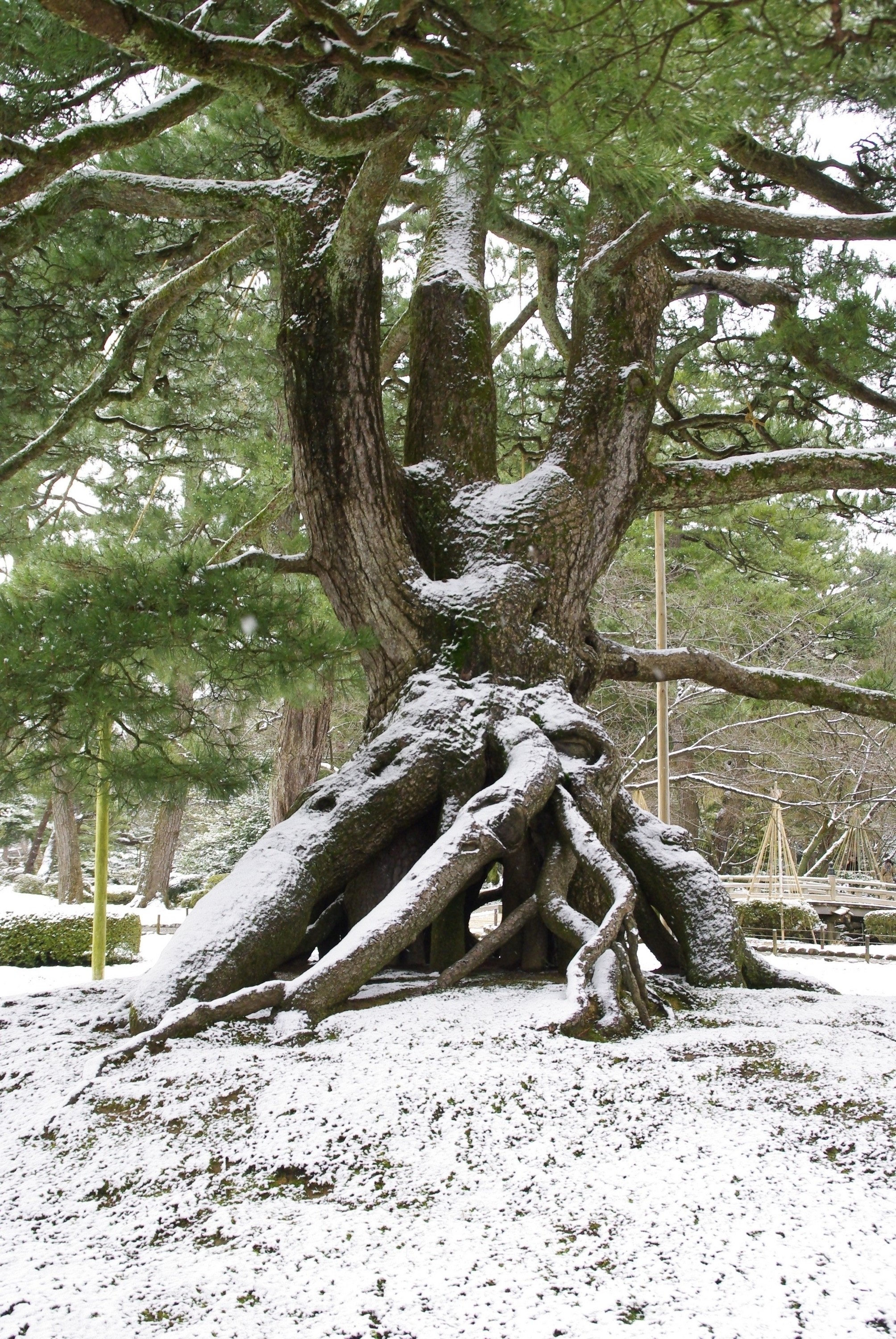
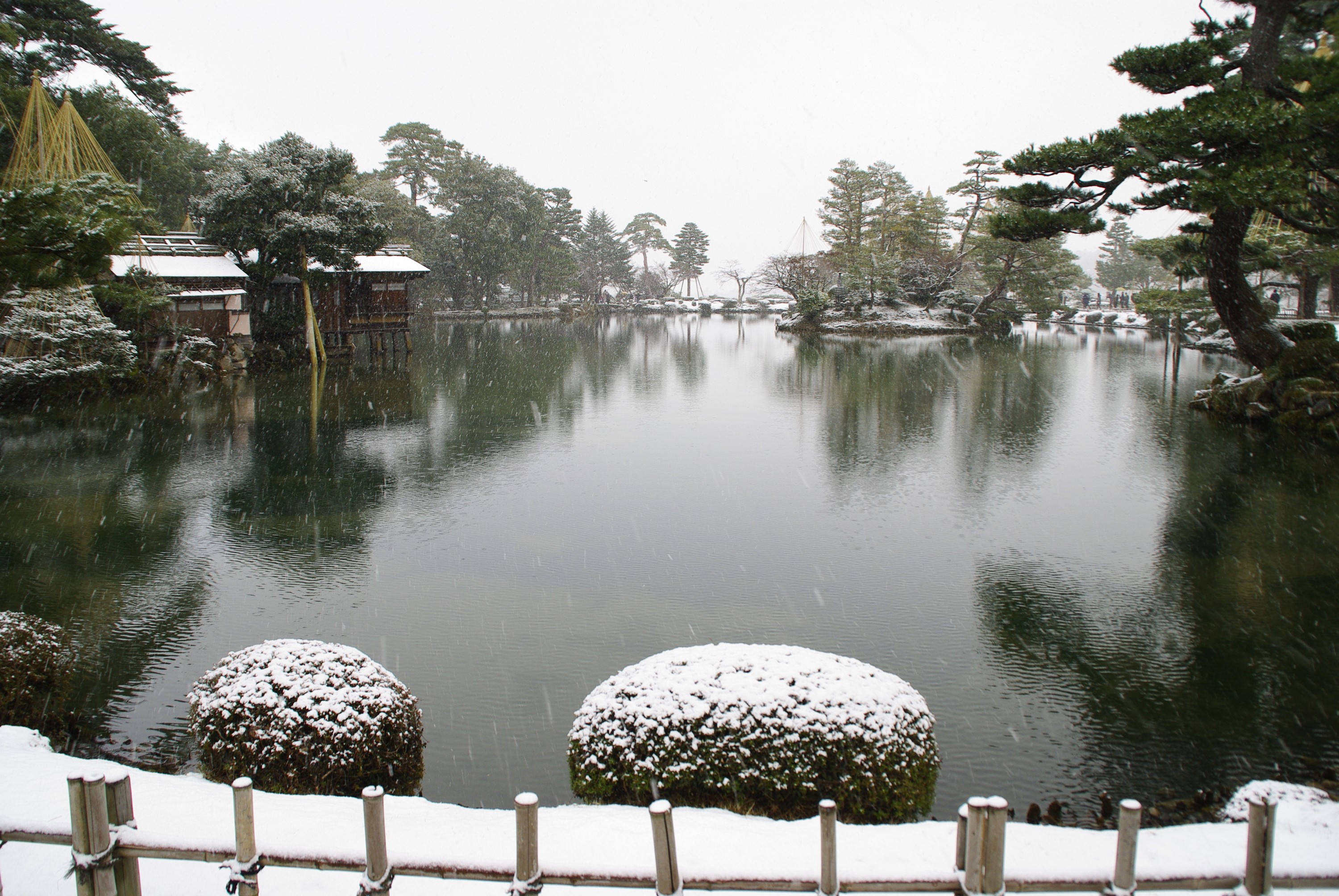
On the outher side of the castle lies the famous japanese garden Kenrokuen. It is one of the famous three. In summer it must be awesome. Even now in winter time the view is stunning. The central garden and the grass field. Like always they represent different landscapes. Even mountain regions with a river. It looks funny. All the branches of the trees are tied to ropes that are connected to a central pole. From distance they look like cones. I don’t know, why the do it. Maybe to influence the growth direction or to pretect the leave against the weigth of the snow.

I stop at the tea house. I order some green tea and rice cake (the fluffy stuff not the cracker) and enjoy the view from the padio into the garden. I could sit here for hours. Every position offers a unique perspective. It is cold and snowing again. This is how a winter holiday should be. Relaxing.

On the way to NishiCchaya I stop at the Noh theatre museum. I admire the mask and kimono. They even have a noh kimono to put on. This is something I love Japan for: They have many things to participate. Lucky that I am used to this type of cloths. Thanks to Kendo and Iaido. I don’t know how they can perform a full play with this stuff. The kimono really is heavy and it is hard to breath with the mask on. No I really have respect for the actors.

Garden

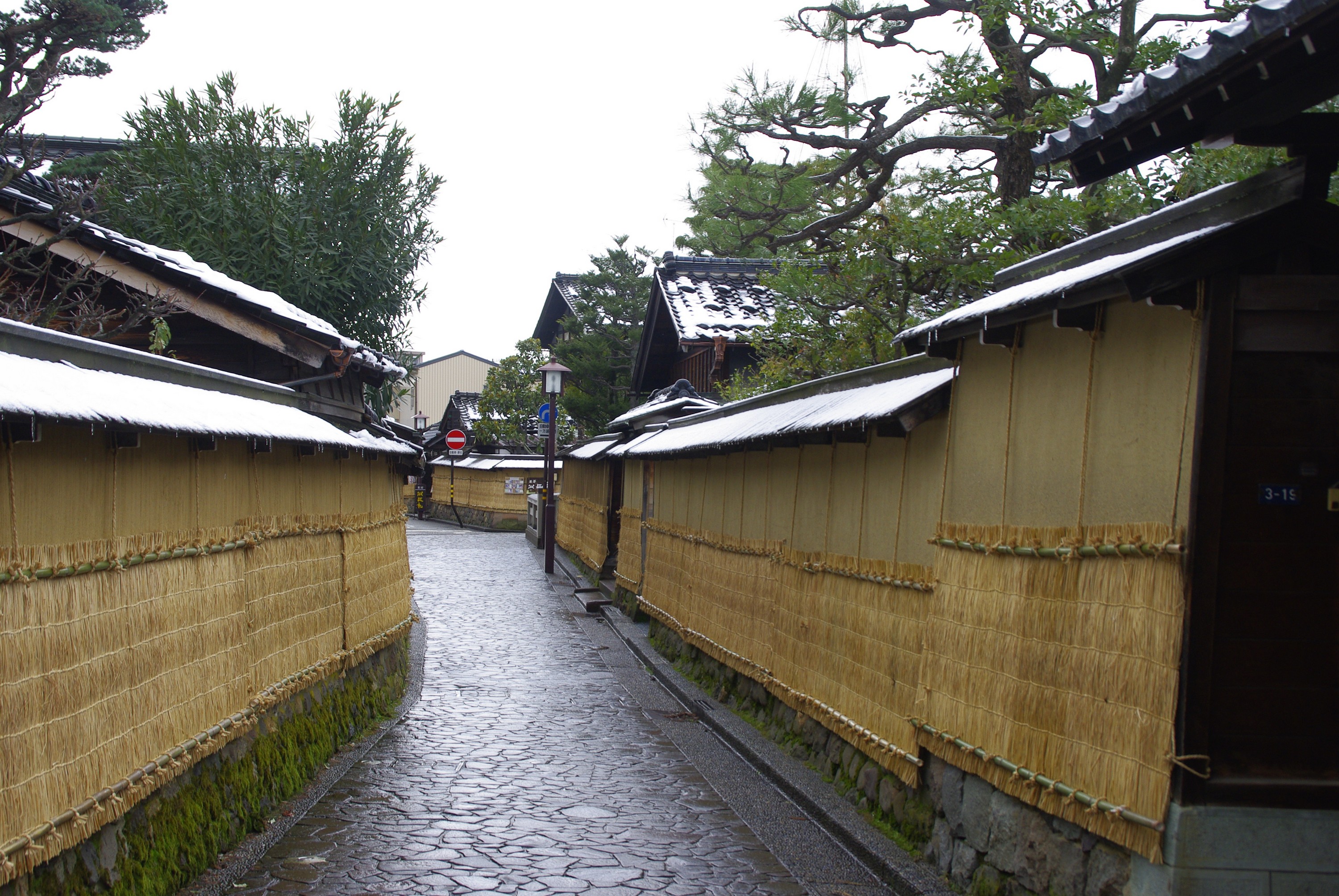
Nishi-Chaya is only a short street with a few old houses. They are in good condition. But I expected more. There is no resto, no souvenir shop. The search for Ninjadera is hard to find, but this is not the reason for its name. In this area are many tiny temples. I walk around a little bit. This area is a typical residential area. I walk around a little bit. Next stop is Nagamachi and old samurai houses area. Here you can shoot a samurai movie. The high garden walls are covered with bamboo mats.

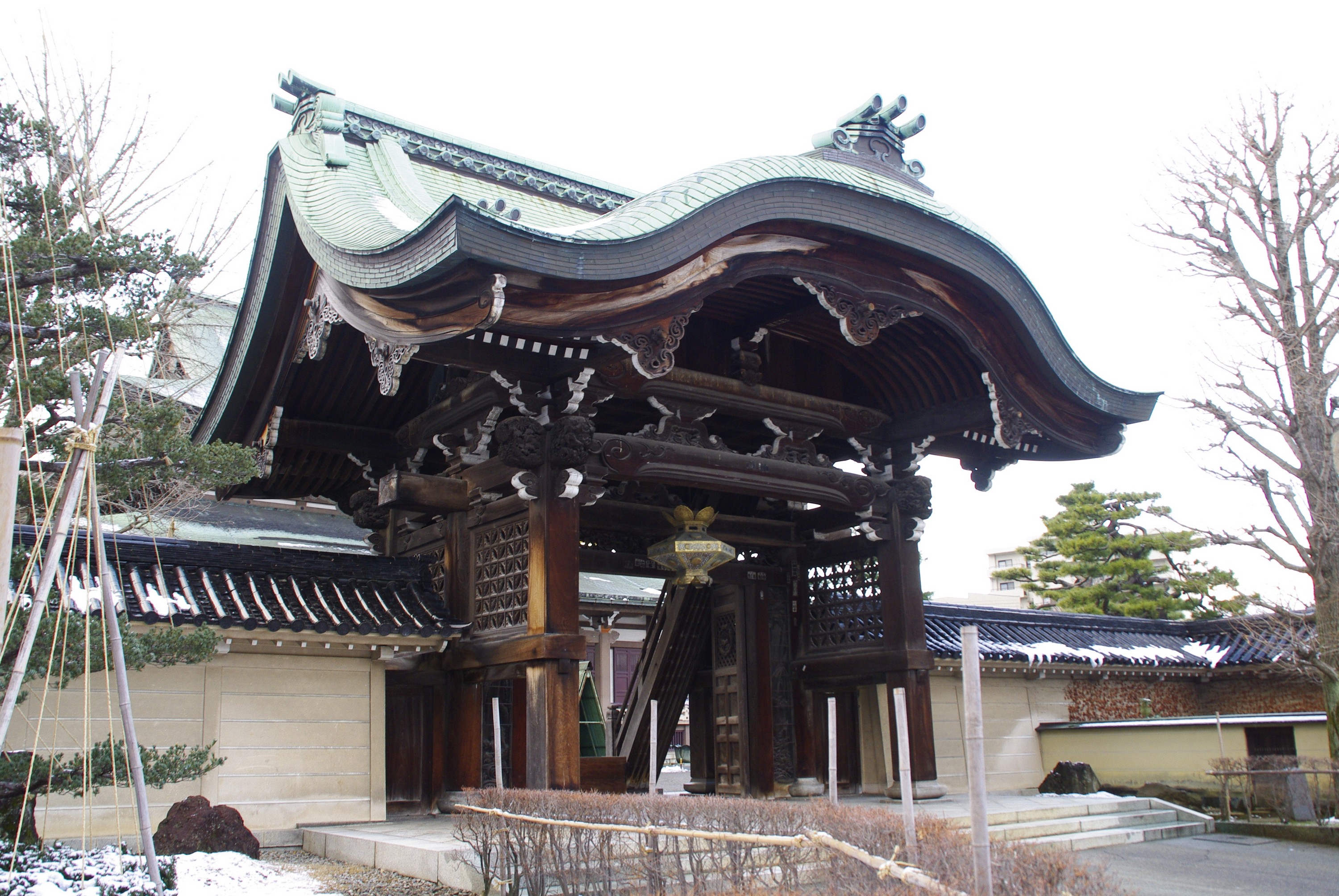
I totally forgot about the Oyama shrine until I stood right in front of it. The gates is unique. It was designed in 1599 by a dutch architect. It is a mixture of japanese, chinese and european elements. OK, you don’t have to like it.

Now a brief stop at the famous fish market. Lobster for $160, 40″ long octopus tentacles of deep red color and so many more strange stuff. Surprising what is considered as eatable (and some of this stuff really is tasty). The smell is very faint and fresh. This is how fish should smell. Almost not at all. Here I am the same opinion like Automatix (Asterix). But, for lunch I go for caree in a resto next to the market.

Nishi-Chaya and Higashi-Chaya

Higashi-Chaya is definately worth the walk. It is like a small version of Gion. There are two streets with old tea houses. In ancient time Geishas were bookable all over this places. Two streets are not much, but it is a lot bigger than Nishi. It feels like entering an old part of Japan when I entered a tea house. Pictures are not allowed, but the couldn’t catch the feeling anyway. A guest room always is a set of two rooms: one for the guests and one for the geisha and the equipment.

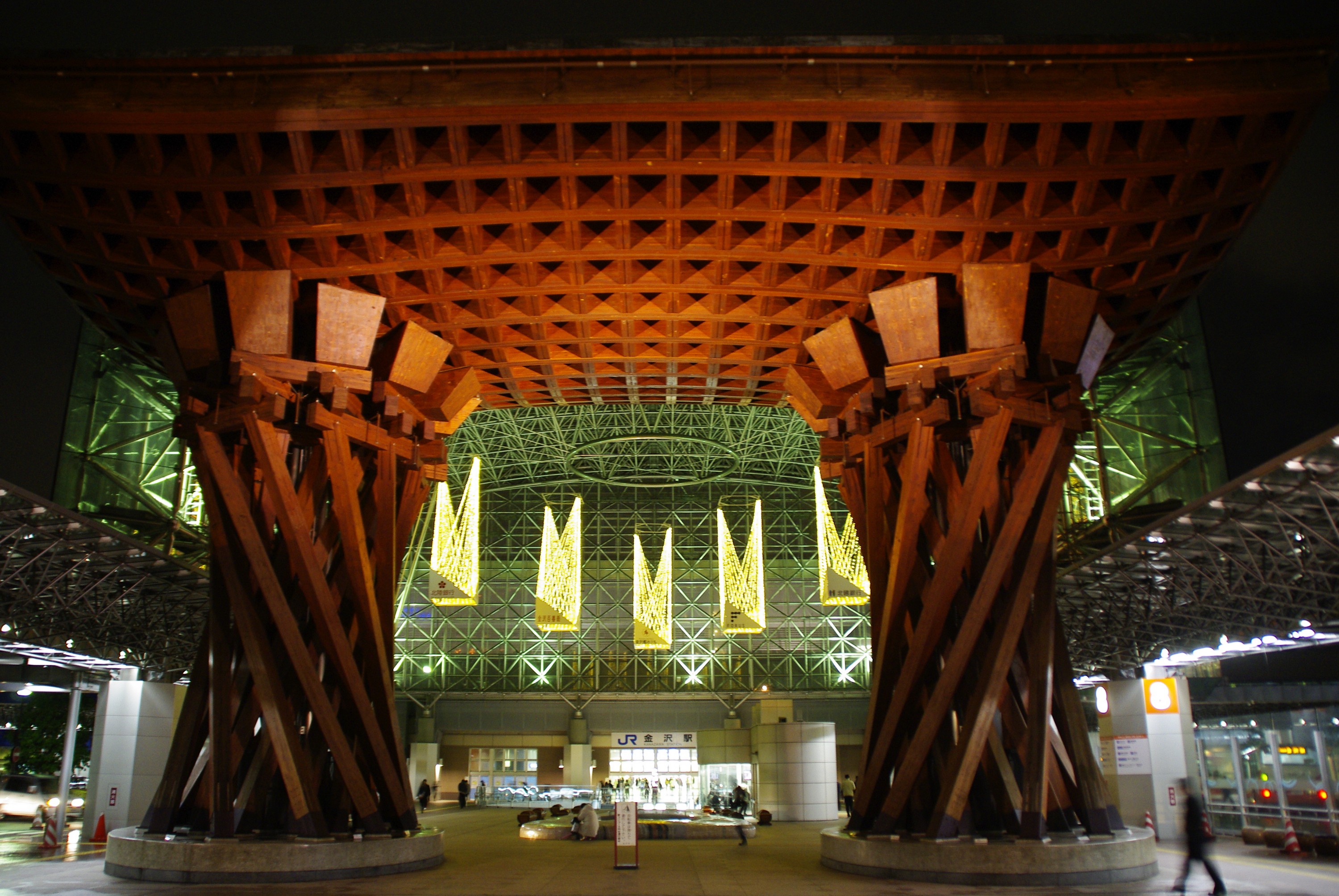
On the way to the train station (have to take another picture of the wooden skulpture/gate) I discover a small shopping street and a temple with a nice mon. In one of the shops I buy a curtain for my kamidana. But I am not able to find a tanzen (kind of haori for the winter) in my size. Neither at the train station. There is also no evidence of an Oosaka style haramaki, that I am looking for too.

Suddenly snow is falling. No. Arare. Like yesterday the streets are white within a second. This would be a perfect set up for pictures in Higashi-chaya or Nagamachi. But I am too far away. A minute later the sprinkler on the streets wash away the scenery. On the pedestrian the arare is 3cm high. I enjoy this fading view and moment.

Kanazawa

Back at the fish market I find a tiny izakaya in the basement. I order kariage, tine wooden sticks with breaded fish, meat, vegetable and other „stuff“. Here this days ends in a comfortable atmosphere. In the Ryokan a short visit to the onsen and then I fall into the futon.

[deutscher Blogeintrag]

Hikone and Eihei-ji

Today is the first real tavel day; with two brief stops. And after the Asuka-Yoshino-Day I am not that sure that it was a good idea. An early check shall me buy some time.

Hikone castle was easy to find. After a short walk I am in front of the castle wall. The way leads upstairs, underneath a bridge an the over the bridge into the castle. Inside is empty. The main tower is still there. All the other buildings are gone. Only some stones and the footprints are remaining. The tower is one of the oldest orignal castle towers in Japan. Its structure is completely built from wood. Impressive. But cold. I have to take of my shoes. From the tower I can see Hikone and Lake Biwa.

Hikone

While I am leaving the tower there is a performance of the castle/town mascot. A white hamster(?) with a samurai helmet. This is too japanese for me. The japanese garden seems to be beautiful in summer time. But now in the winter there are no flowers and half of the garden is a construction side. But I could manage to take some pictures without a digger.

Castle Road is filled with old houses; black wooden beams and white walls. A nice view. Here I stop for breakfast and lunch: coffee and cake. But the prices are … pricy. A whole cake in the size of an small pizza costs 3600yen. If I resize the cake to a german standard size I end up with approx 7000yen ($100). I am in the wrong business. By the way. This place is sooo cheesy: Baroque silverware, chair cushions and art noveau furniture (like in anime). I may be the first male customer.

On my way to Tsuruga I have to change in Nagahama. This was not planned. But the tracks are blocked because of an accident. I am already one hour behind the schedule. Where was the accident? Behind me? In front of me? A train arrives from Hikone. This tracks are free. I am getting nervous. Then the Ltd. Express to Fukui arrives. That is all I need.

In Fukui it is snowing. The next bus to Eihei-ji departures at 3:20pm. And the last one back leaves at 4:20pm at the temple. This means to wait more than one hour to only have 40 minutes to visit on of the biggest and oldest temple in Japan. Shall I take a taxi and kill my finances? $50 at least. I discuss my option with the bus station clerk  and decide for the bus. I can store my complete luaggage at the office.

Eihei-ji

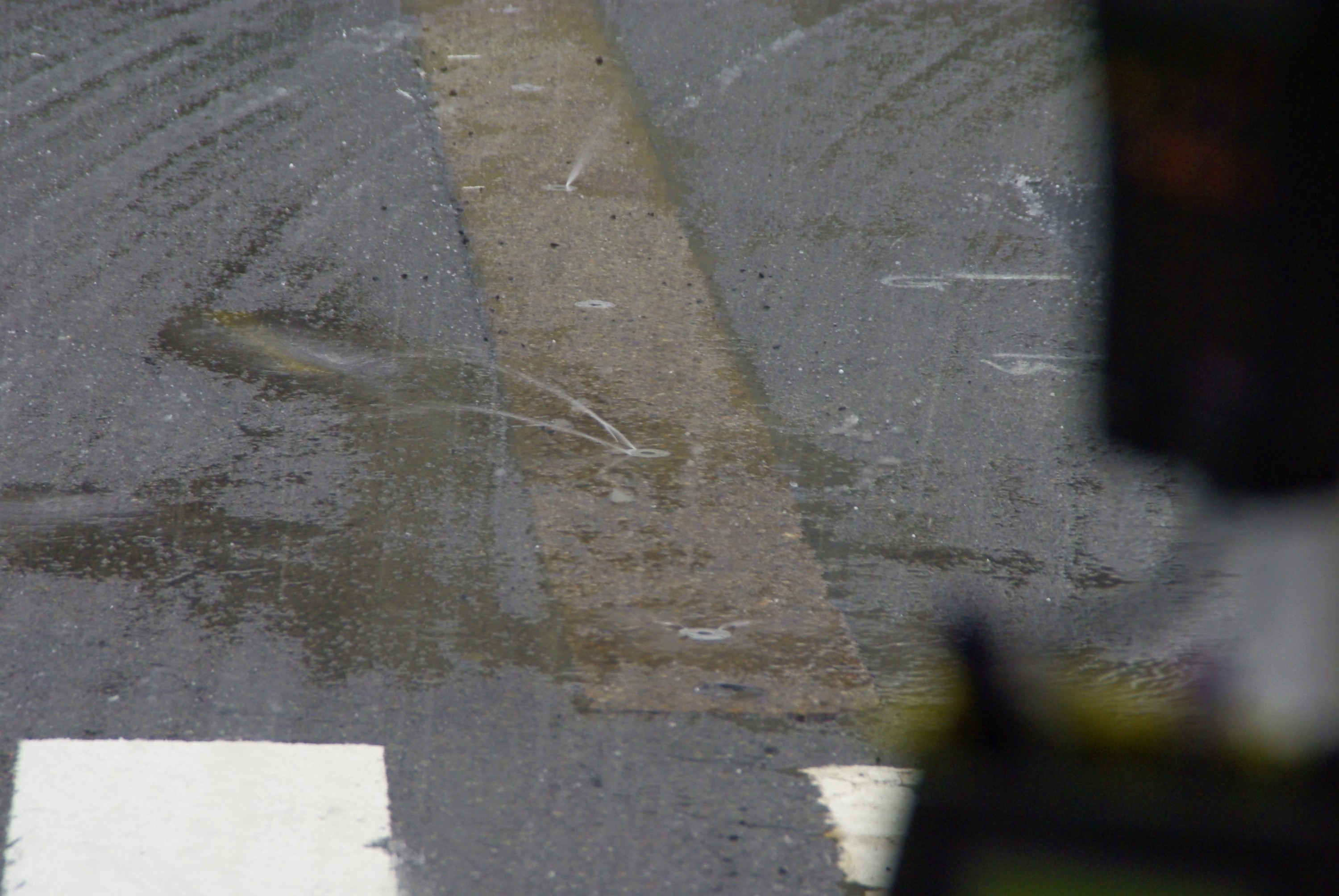
I use the waiting time for lunch. Karee. After that I am escorted to the bus and introduced to the bus driver. I am the only guest. VIP. The streets are funny. There is a sprinkler system on the centerline to melt and flush the snow from the street. Interesting system. But what do they do if temperatures are below 14°F?

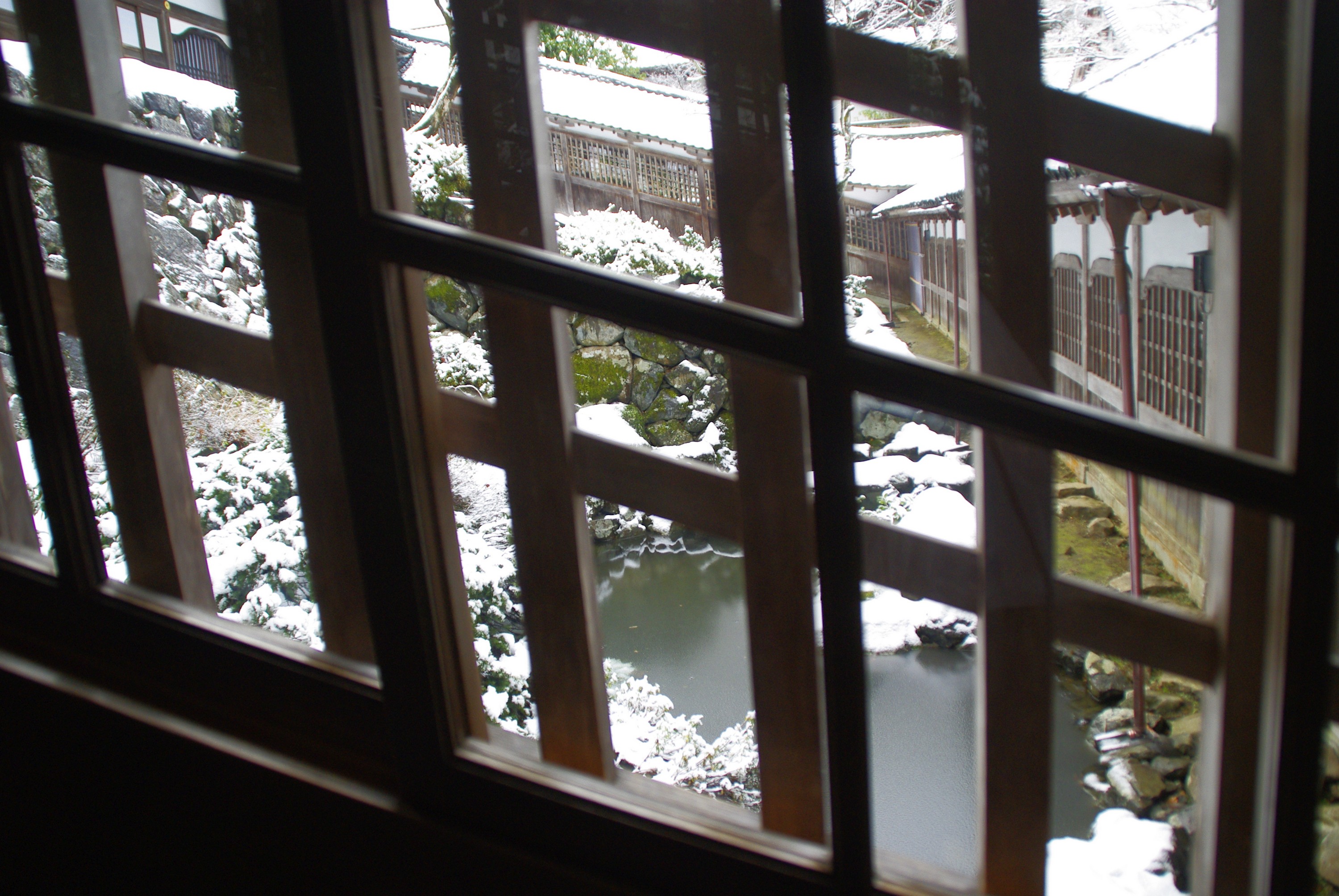
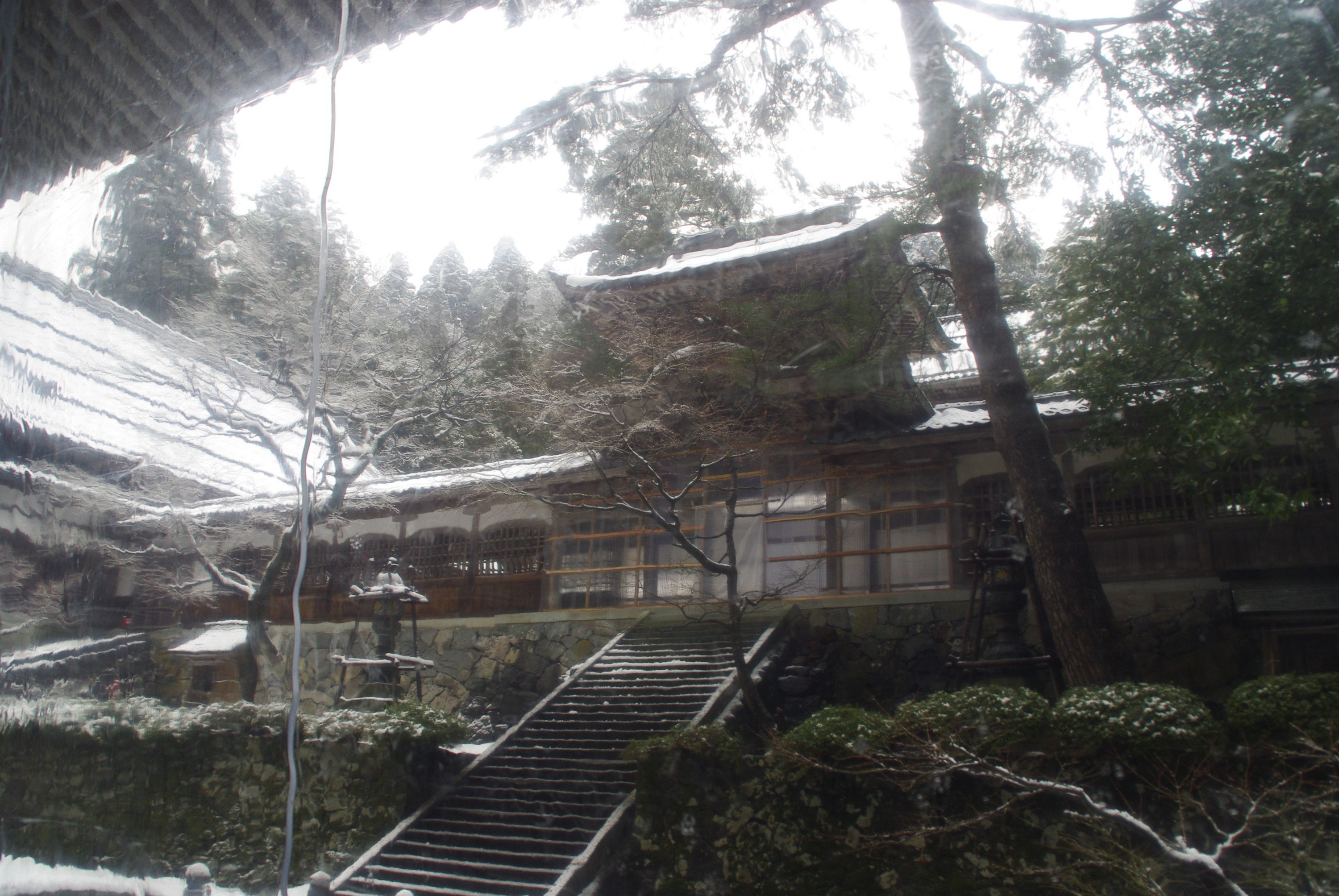
We arrive at the temple in a magic atmosphere: Snow, some fog. A little bit like Koyasan. Inside there are monks everywhere. I pace thru the halls and hallways. The temple is really beautiful and 40 minutes are far to short for a visit. Because of the weather many hallways are covered with pastic planes. It hard to get  clear view into the garden. Monks are praying in big hall. Some of them walking around and carrying things. They walk like robots on rails: high speed straight, then stop and a 90 degree turn. Acceleration. The things they are carry are held above head. Looks funny.

After a last short visit to a chamber with hundred of golden plates a run back to the bus. The bus stops is down the street. It is slippery. I have to buy the ticket in a small shop at the opposite side of the street. The bus drivers is so kind and waits for me. VIP. Again.

On the way back we pass a construction side. Concrete piles. They built a shinkansen track. Soon Kanazawa and Fukui are connected to Tokyo. This will change the location on the map. In the past monks travelled for weeks to get here. I have to spend a day in trains and changing several times. In a few years tourist can visit this place on a daytrip. I am not sure if this is good. Eihei-ji will lose some of its mystic aura.

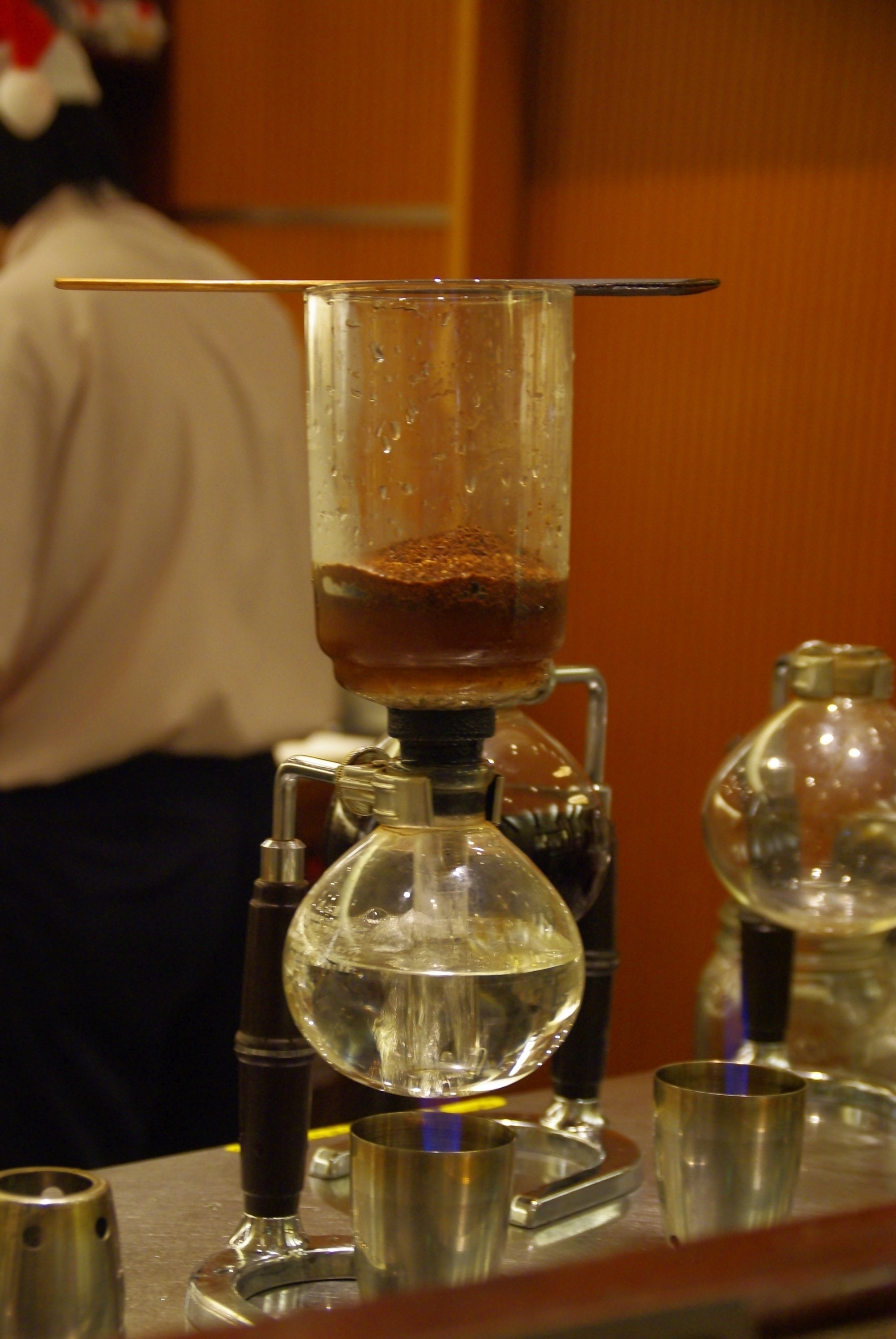
Another stop for dinner before I enter the next train to Kanazawa. I decide for a cafe where the coffee is boiled in a all glas coffee maker. They have 20 different blends. I decide for the European Blend and watch the waiter preparing it: Hot water in the lower bowl, coffee grain into the upper. Heating the water and it goes up. Looks like I need a more powerful bunsen burner at home.

Kanazawa: On the way to the Ryokan it starts to … it is not rain, neither snow. The Japanse call it Arare. I think we would call it graupel. I am surprised by its sudden intensity combined with heavy wind. Within seconds and without any warning the streets are completely white. No time to take cover. After a few minutes the show is over. I was hoping for snow but it was planned differently.

Kanazawa at Arrival

Where is the Ryokan? That shall be the right street. Even the guy I ask doesn’t know anything. Nice. But a colleage is helping. The Ryokan is somewhere close. Idead. A closer look shows it 30m away on the left. What a benefit if you can read Kanji.

After check-in I visit a izakaya around the corner, the was recommended by the staff. The place is part of the fish market. Here even for Japan the fish is really fresh. I order the sashimi plate: squid, shrimps, tuna, salmon, octopus, sea urchin. All fresh, all raw, all yummy. It is a fine, distinguished taste. Hot Nihonshu (sake) makes the evening perfect. I heard that sushi and sake doesn’t match. But the waiter says, that it is ok for sashima, because there is no soured rice. Back in the ryokan some onsen. Why? Because I can.

[deutscher Blogeintrag]

Kyoto

Today ist Xmas eve and I visit Kyoto. I start at the train station. Maybe that Tokyo Eki is bigger and has more people running around, but Kyoto Eki is just one big building. It is nearly a quarter mile long and provides more than 15 levels above ground (plus several basement levels). The building is like a big hole with a roof. The broad stairway over 15 floor is just impressive architecture. Upstairs is the Skywalk. A small pathway right underneath the roof.

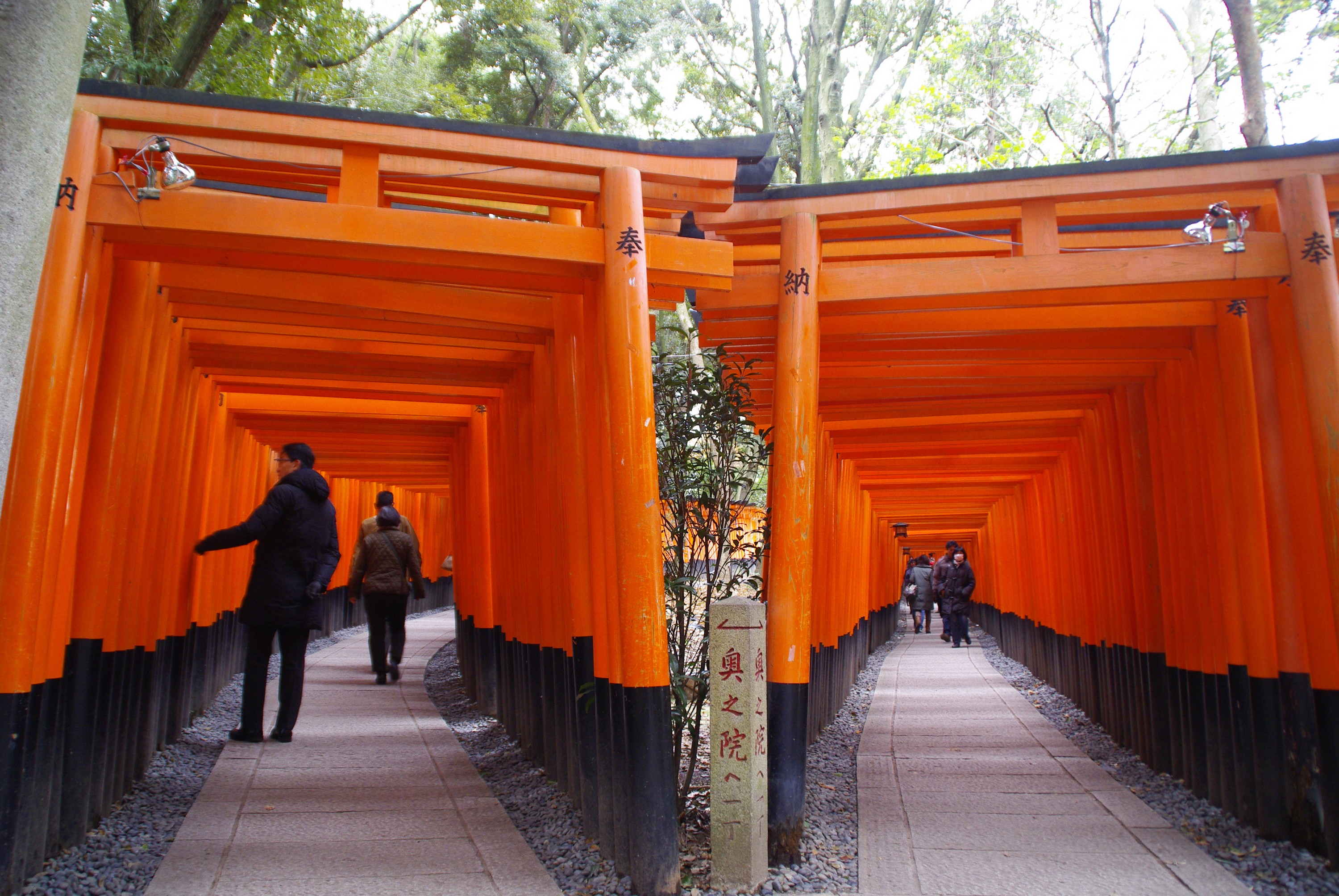
Inari Shrine

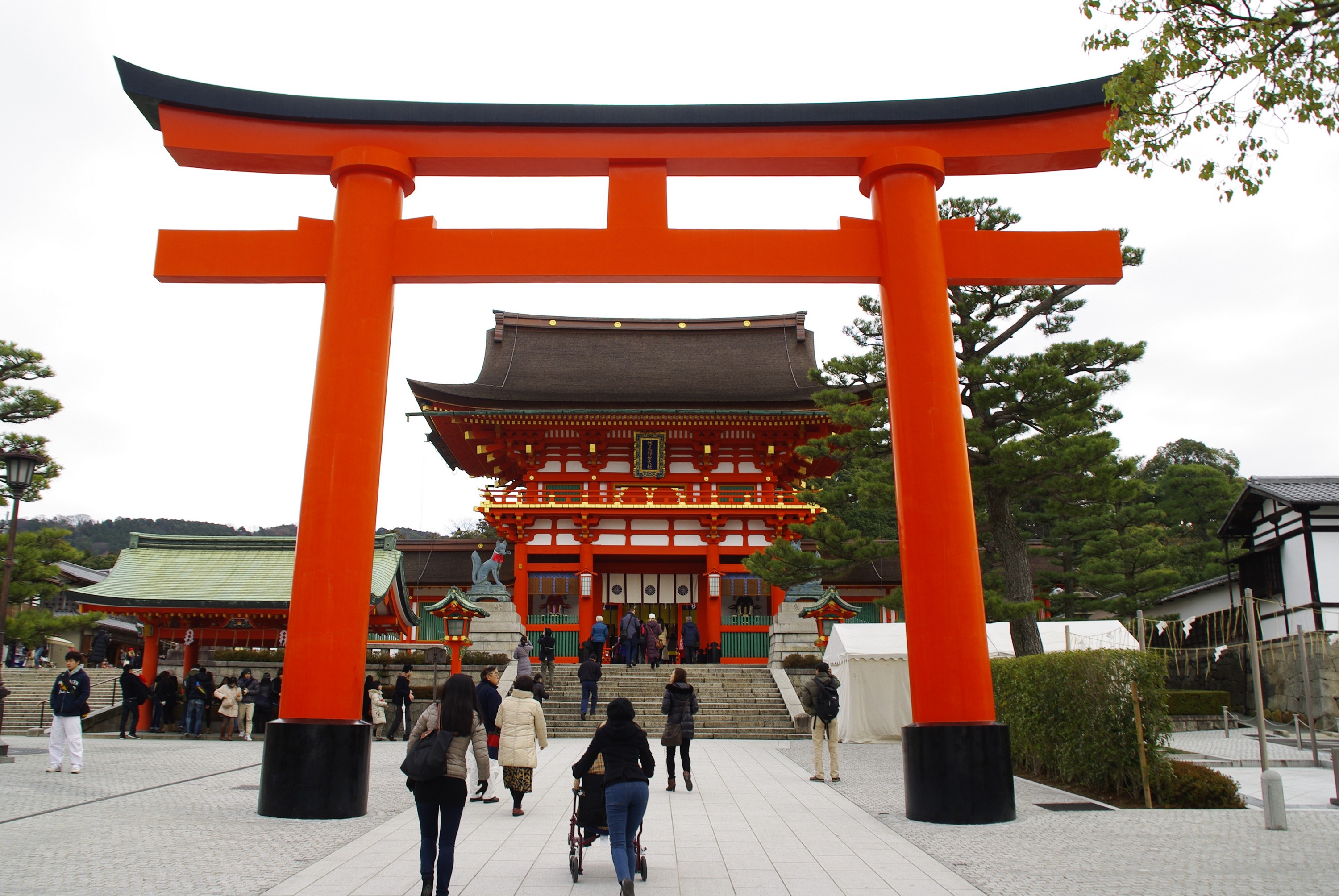
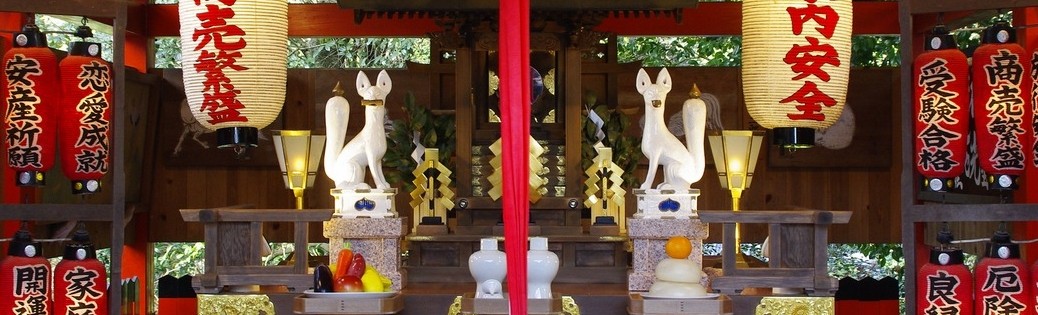
The next stop is everything but modern: The Fushimi-Inari-Shrine in South Kyoto (the train tracks mark the border between Kita and Minami / North and South Kyoto). Arriving by train I can spot the orange-red big gate from the platform. The buildungs are a sightseeing spot. It was a mistake to skip this shrine in my 2004 trip.

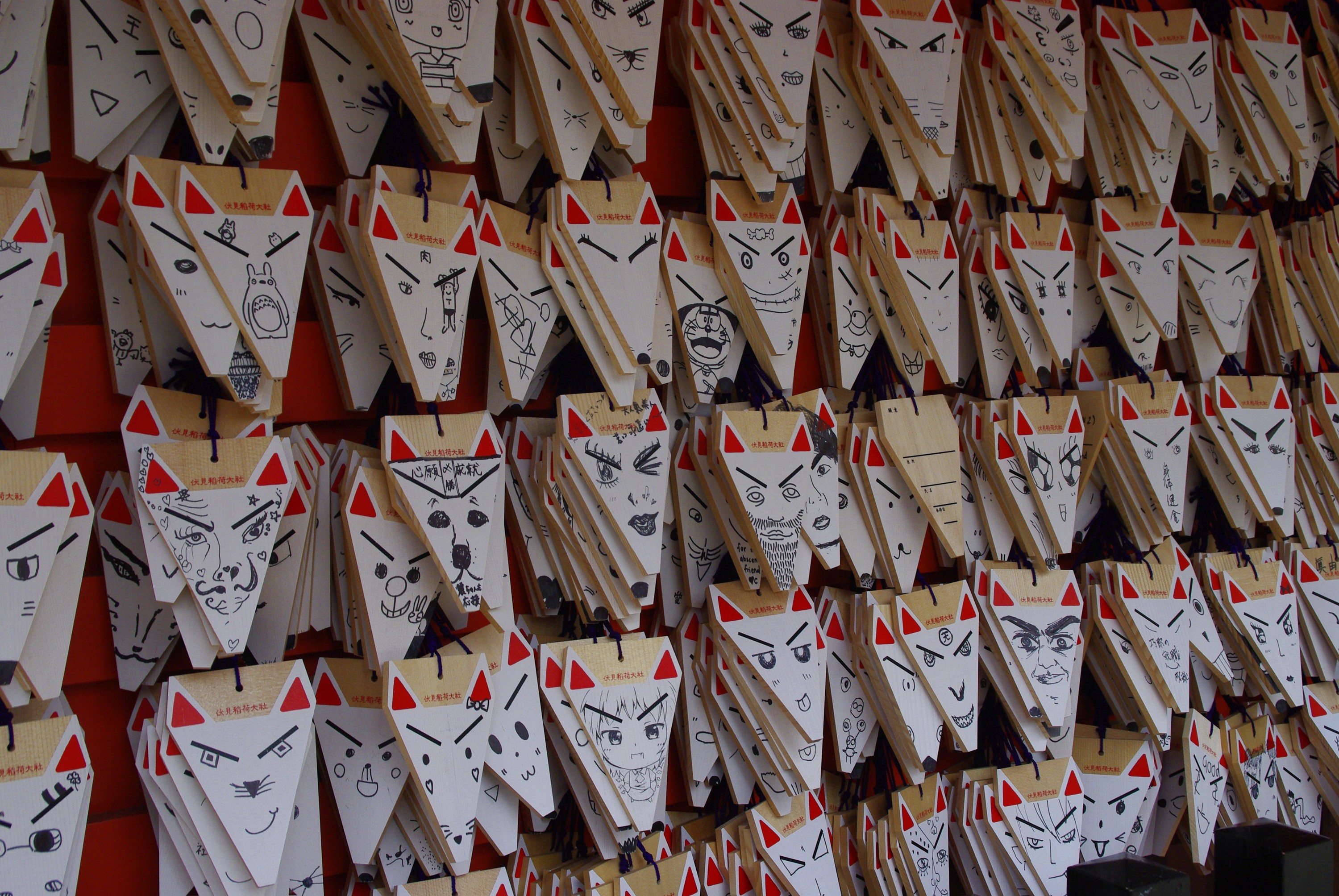
A good idea (to make some money) are Ema. Small wooden plates you can write your wishes on, like a letter the the deity. In this case the plate has the shape of a fox head. They are empty except for two lines that mark the eyes. It it impressive what people draw on this empty plates.

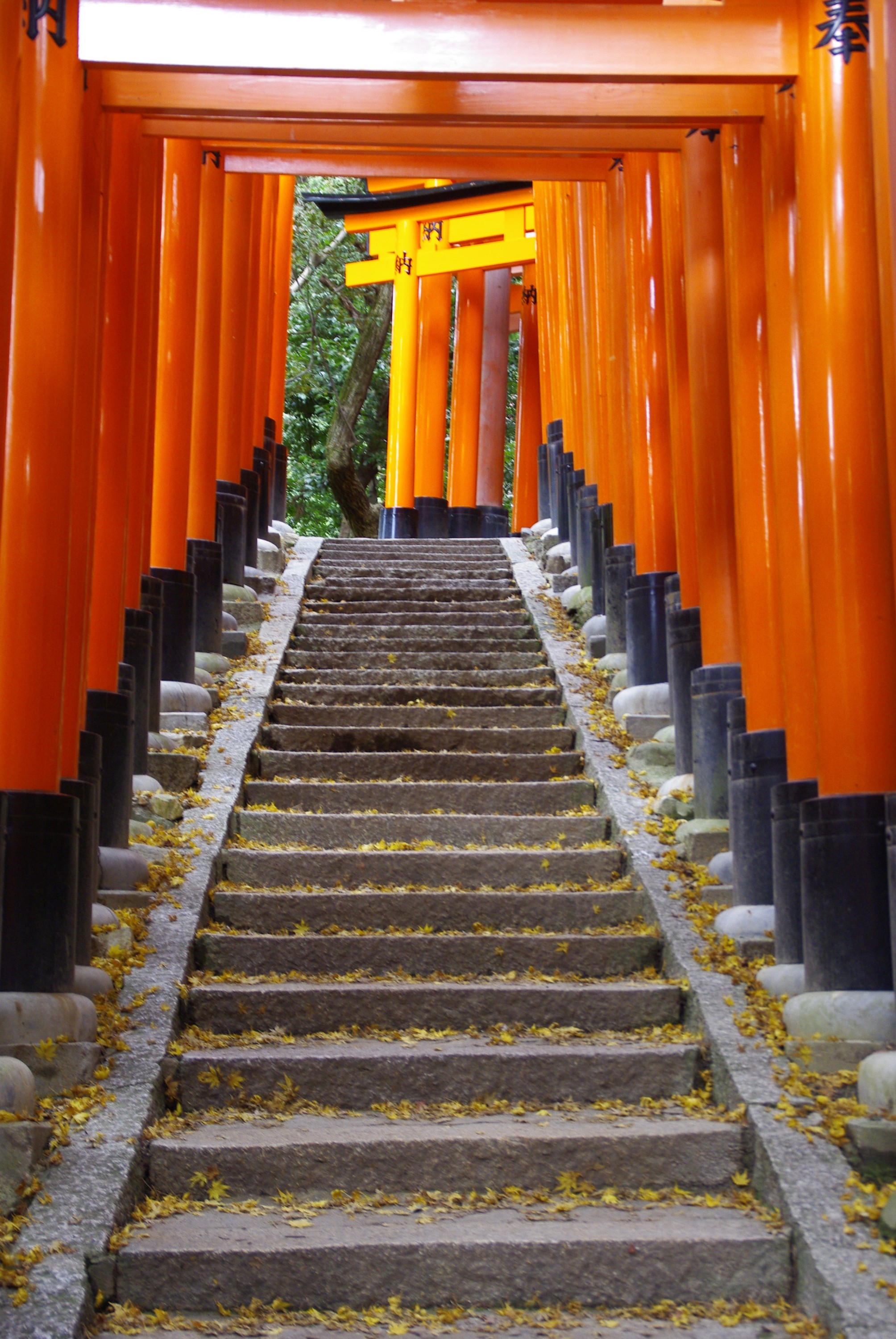
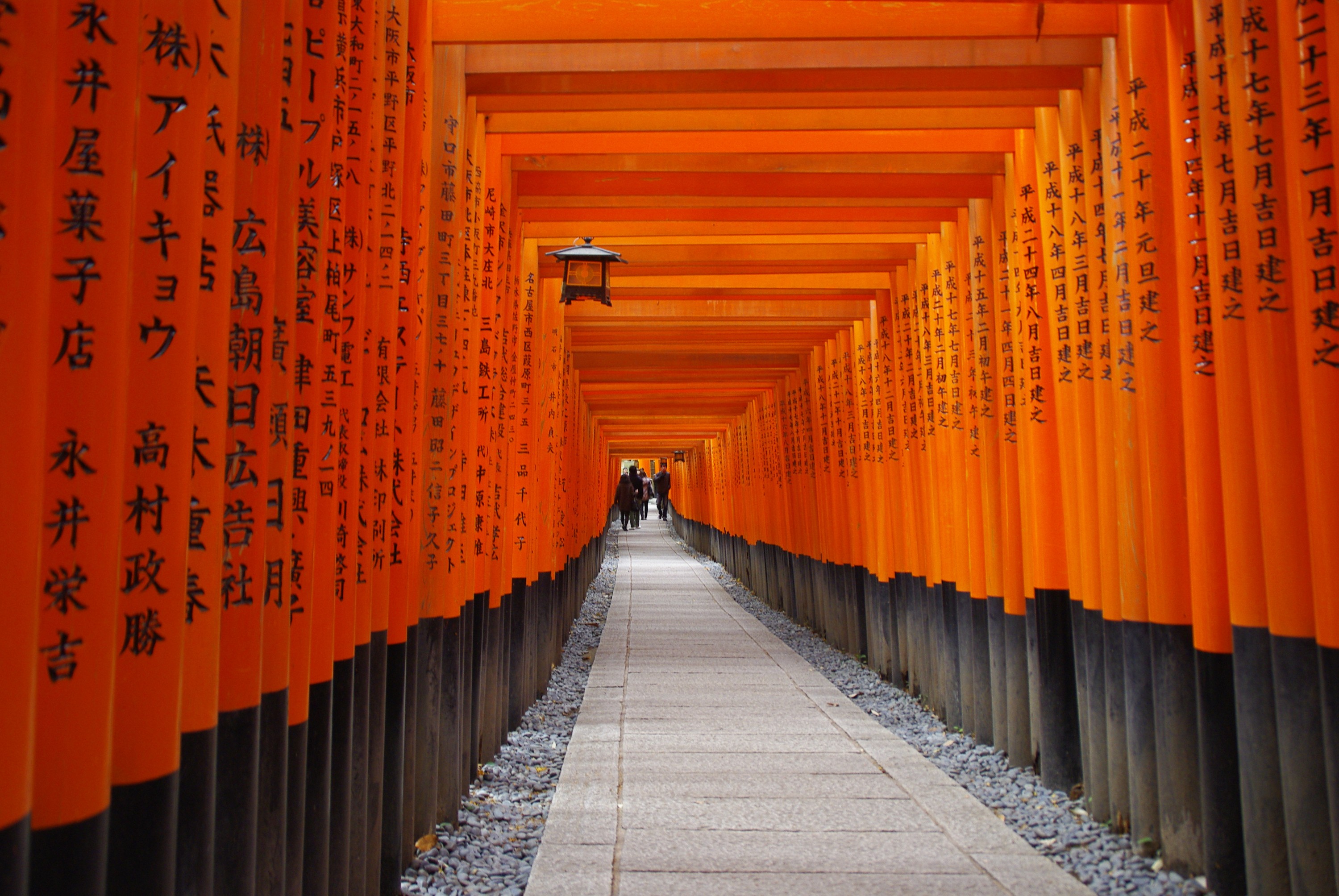
But the real attraction is behind the buildings: Torii. There are more than 1000 of them. It starts with 50 big ones in dark red. Then I arrive at the famous double row. Small Torii close-packed. What a view. What a view if you are standing inside. I stop counting after 200 Torii (in one row). It really is an experience to walk thru this tunnel of gates. The pictures do not capture this moment.

Behind the double row starts a 2,3km pilgrimage uphill with more gates. The guide says, that I need 2-3 hours. Shall I? But it will waste time. But I am already this far. What can I do? Damned. I’ll do it, but speed up. If there is no snow, I can run (this saying loses in the translation) …

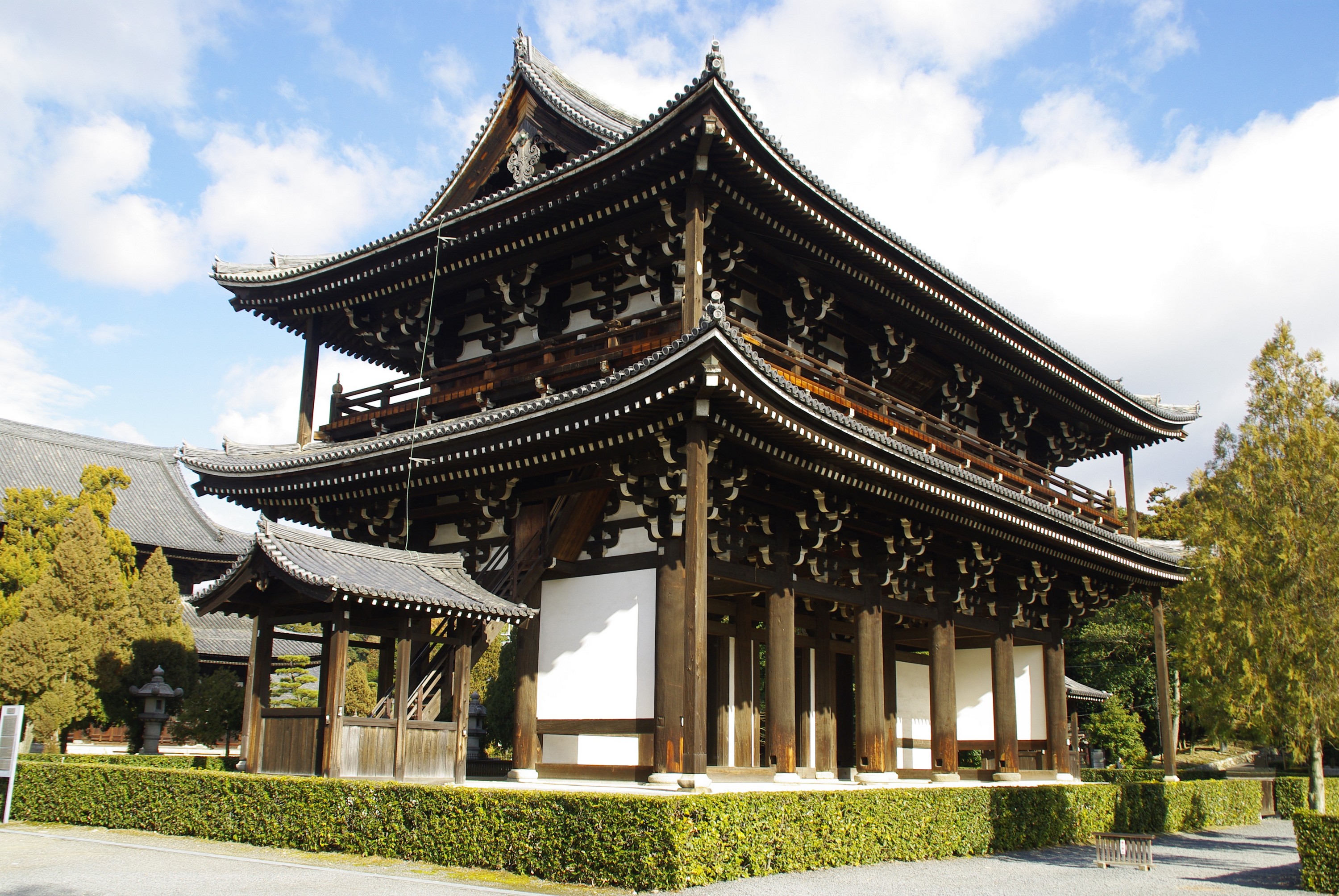
Tofuku-ji

Uphill. Stairs. The width of one step is to short to walk it with two footsteps. The next time the stars are two small for one european footstep. I try to take two steps at once. This is hard stuff. I need more training. Downhill it shouldn’t do that. On the way up I have a nice view on Kyoto. The train station is easy to find. Now I can see how big this building really is. At the summit is an old shrine, meaning many old stones with ingravings. I do not understand the purpose.

Next stop is the Tofuku-ji. I walk. I pass a residential area with narrow streets. I recognize many red buckets. They are filled with water. Like in many anime. These buckets are for fire figthing. In front of every house are 10 litre of water. In Germany impossible. After the first night on a weekend these buckets would be empty and smashed.
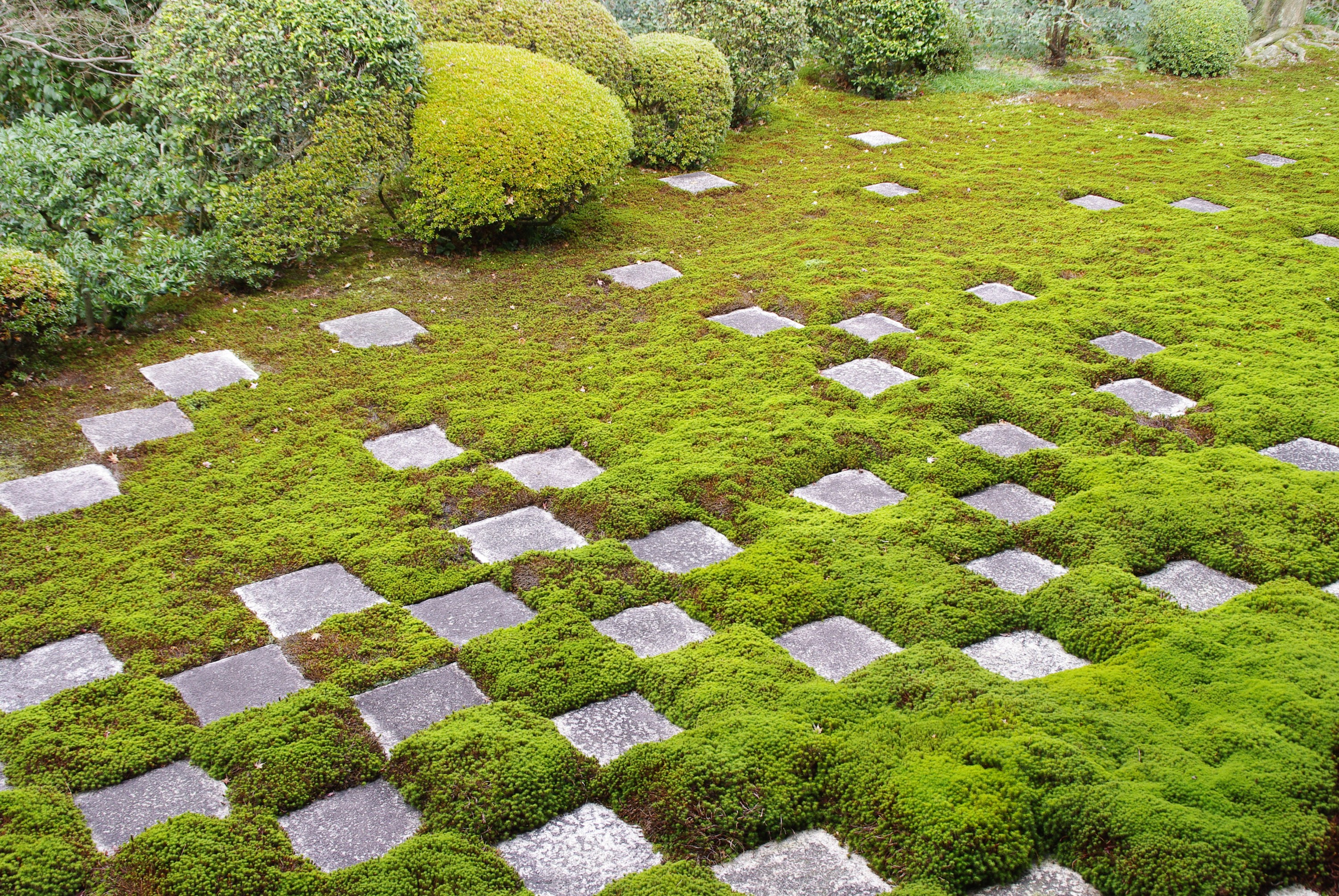
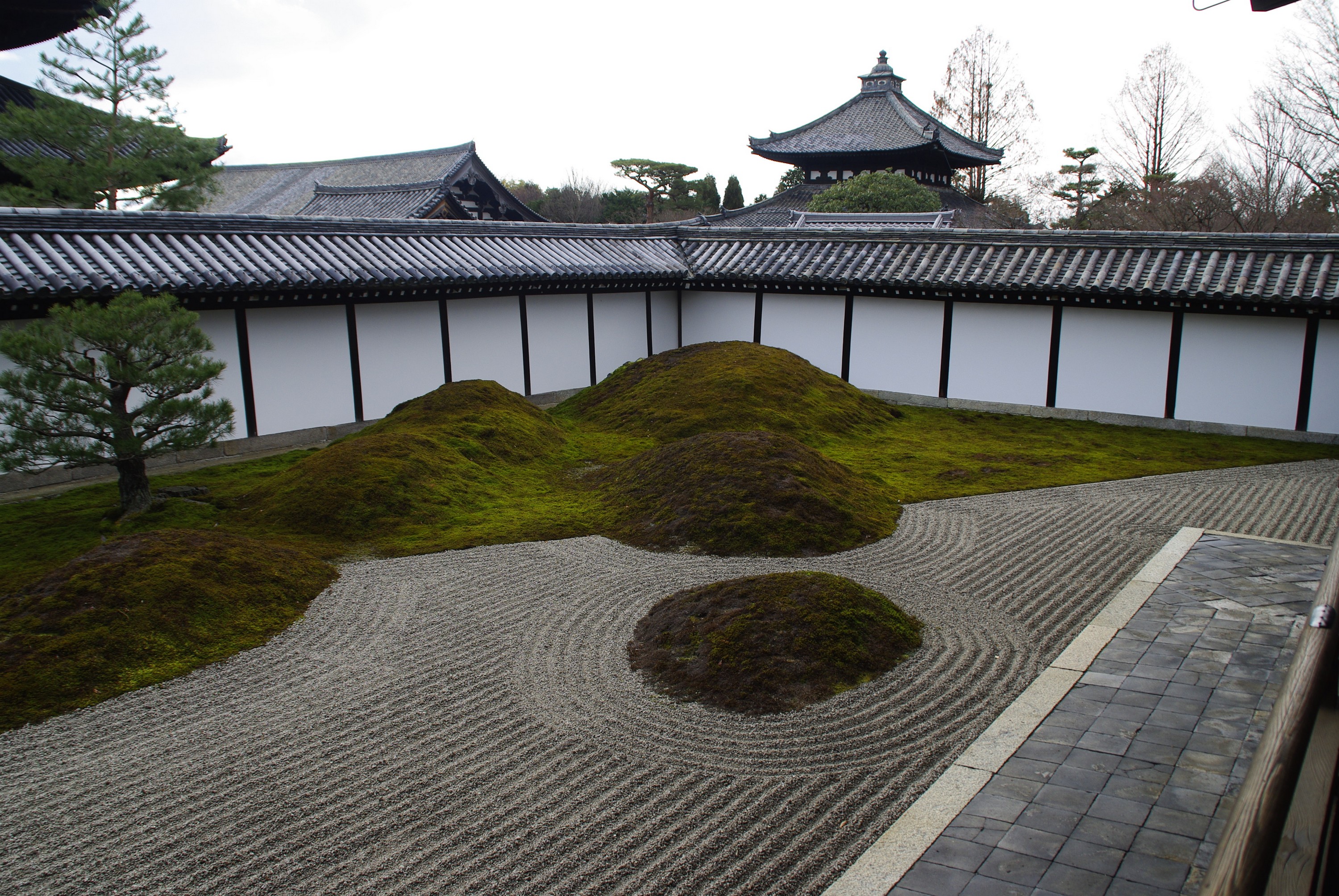
The temple garden must be impressive during autumn color. I am too late. All the leaves are gone. The stone garden is bigger than the one in Ryoanji. It is worth the entrance fee. And there are three different stone gardens.

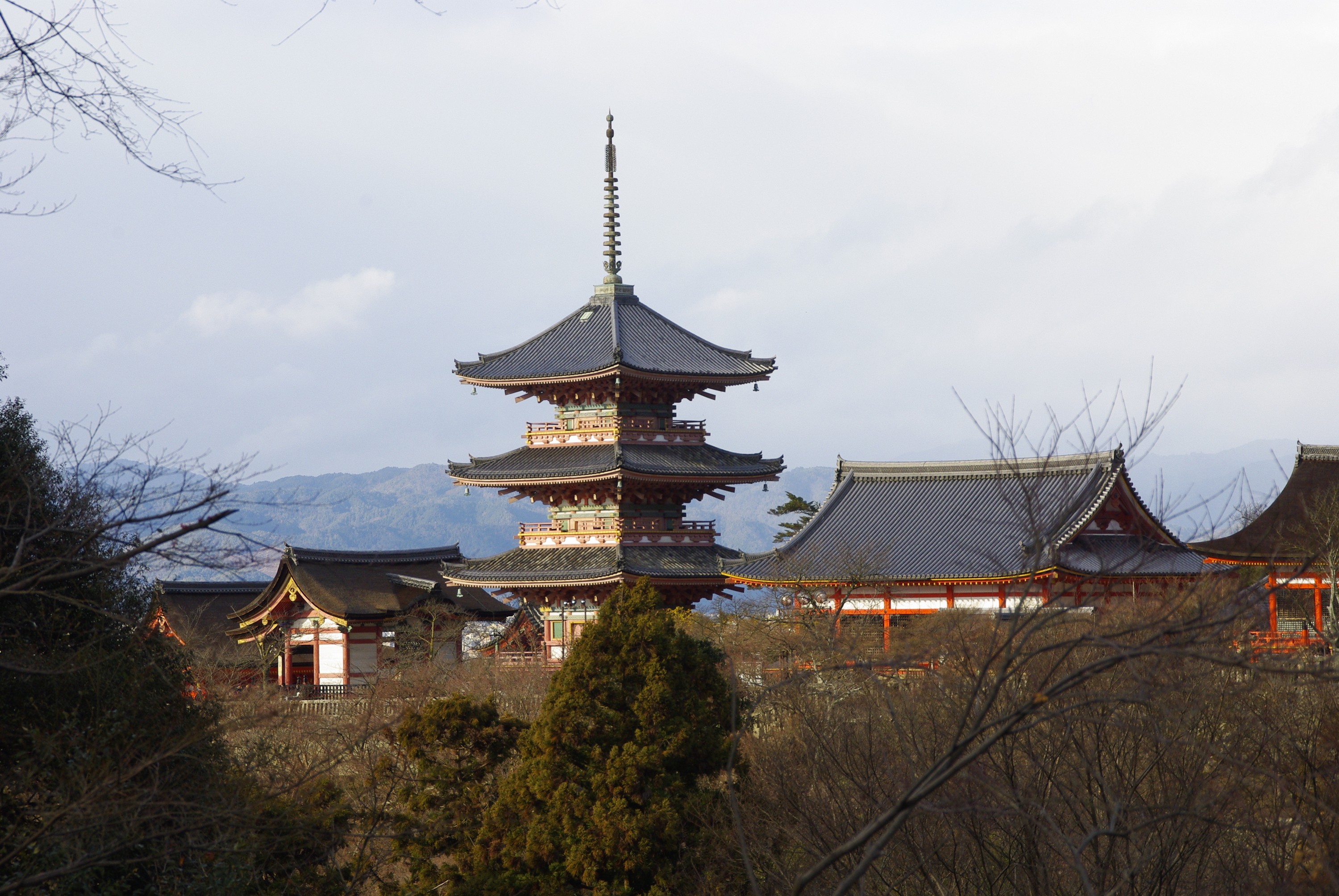
The subway brings me close to Kiyokizudera. I got myself lost in the maze of narrow, tiny streets of Higashiyama. Back on track I find myself in a shopping street that leads steep uphill to the temple. Or Shrine? I am not sure. In Kyoto you cannot seperate temple and shrines by building shape or the color of the torii.

Higashi-yama und Gion

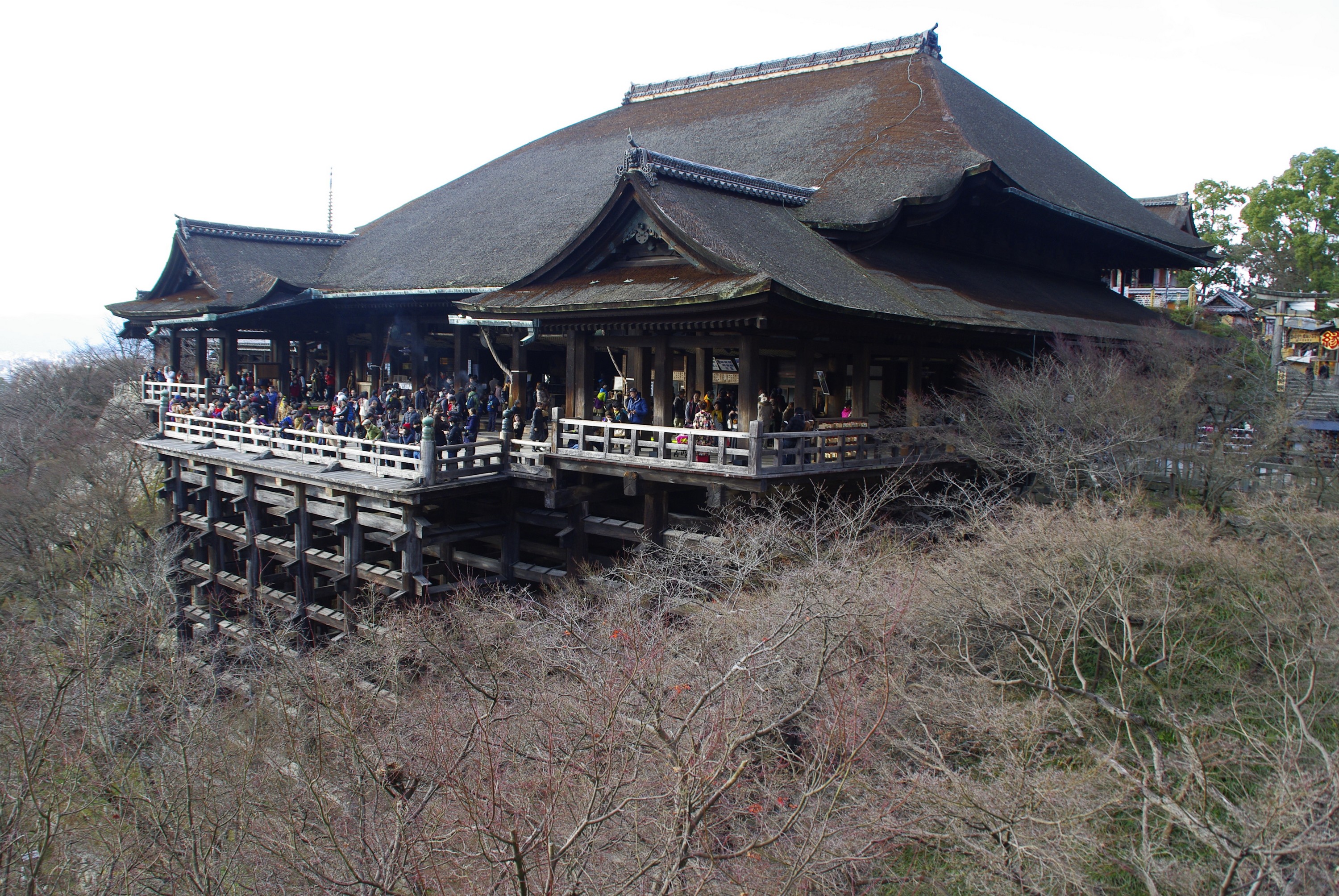
I enter an unspectacular hall. From the padio I have a nice view on Kyoto. Behind the  handrail it goes straight down. There is a path along the rock wall. The gallery on the other side is construction site. Bad timing. But now I have a good view at the padio and its wooden construction. This is the famous one. Wow. The path leads down to a tiny water fall. Also famous. It is the Ootwa-no-taki.

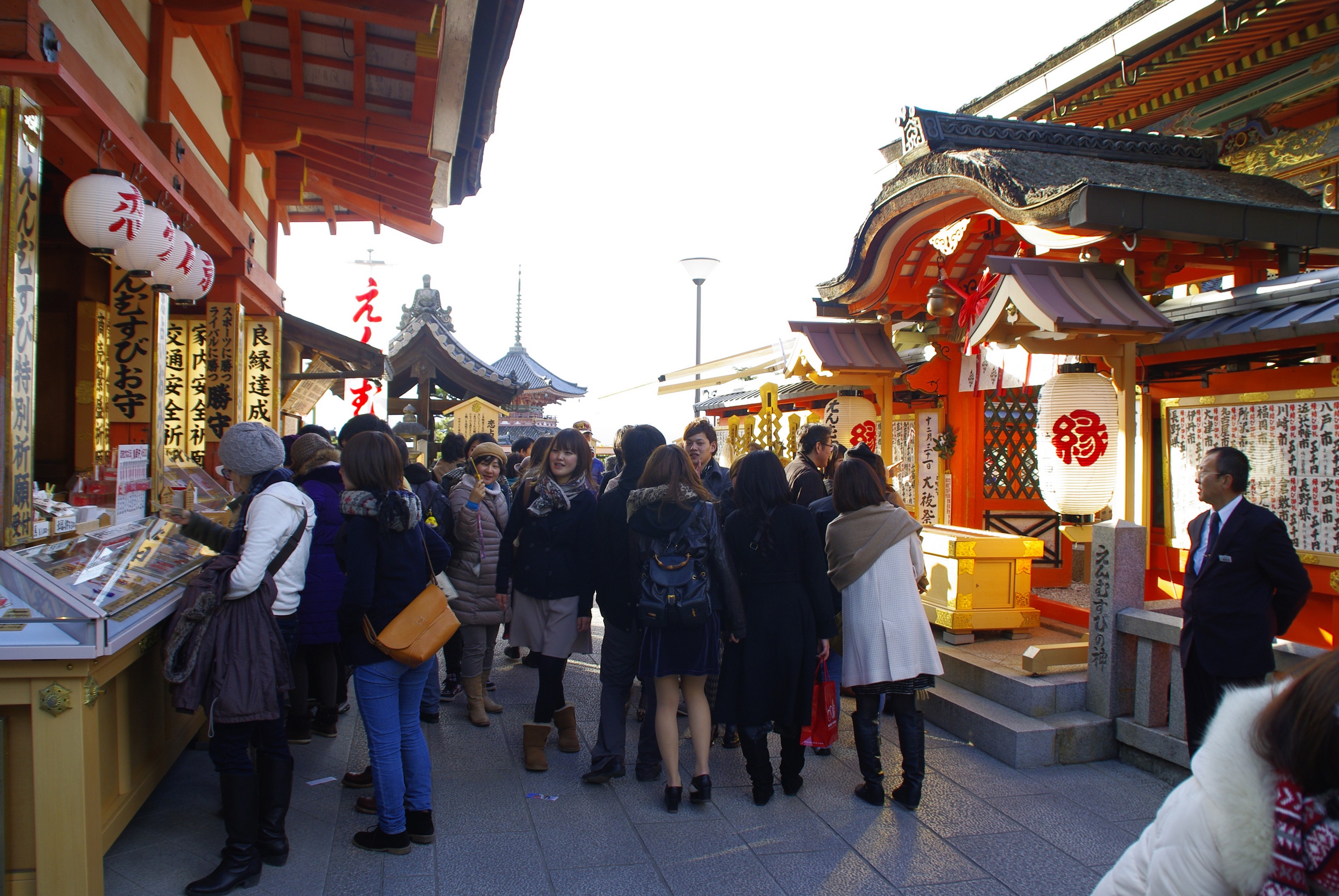
I spot a small shrine on the temple area that is filled with tourists. The attraction seems to be two stones. The shrine is the Jishu-Jinja and is dedicated to the deity of love. That explains a lot.

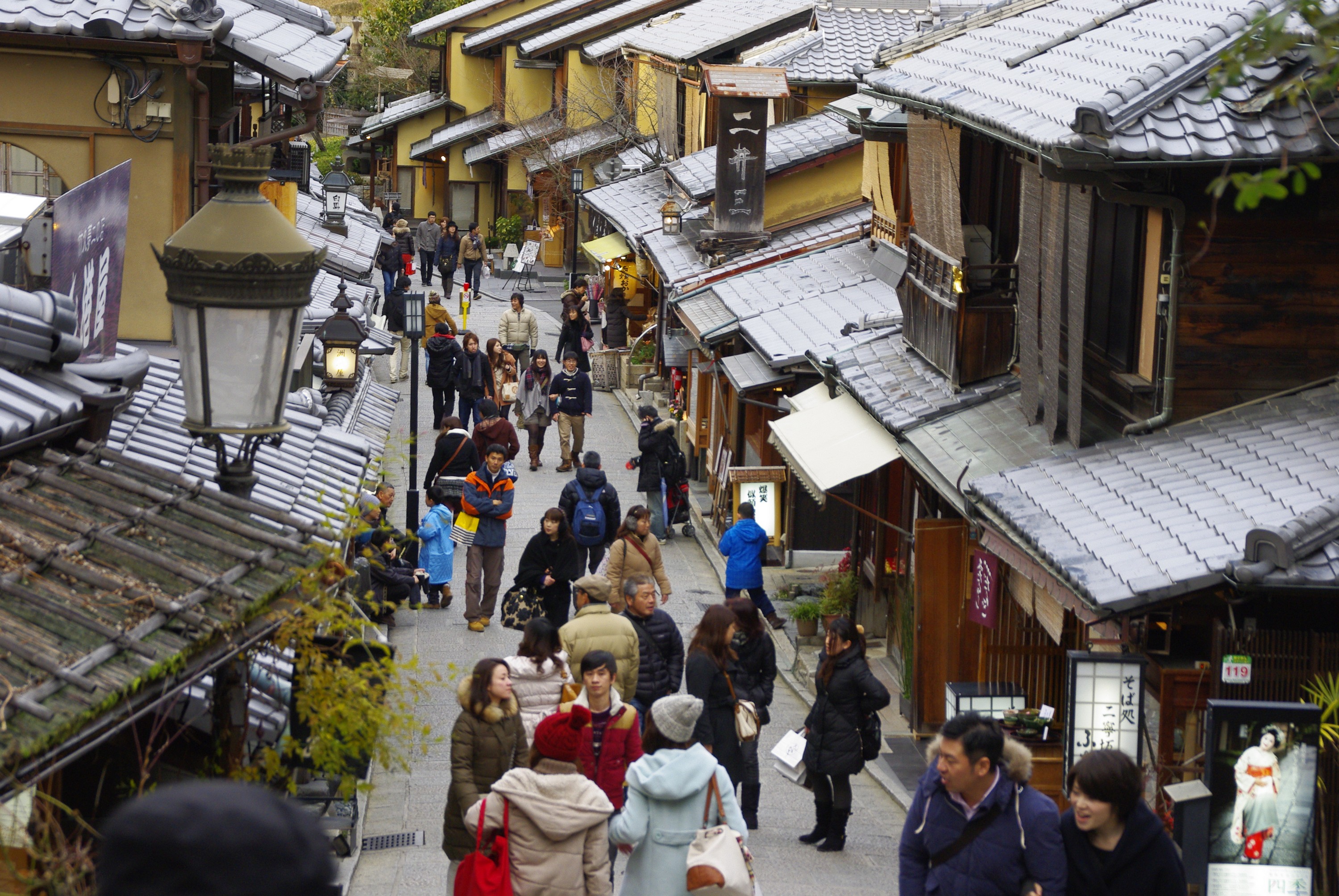
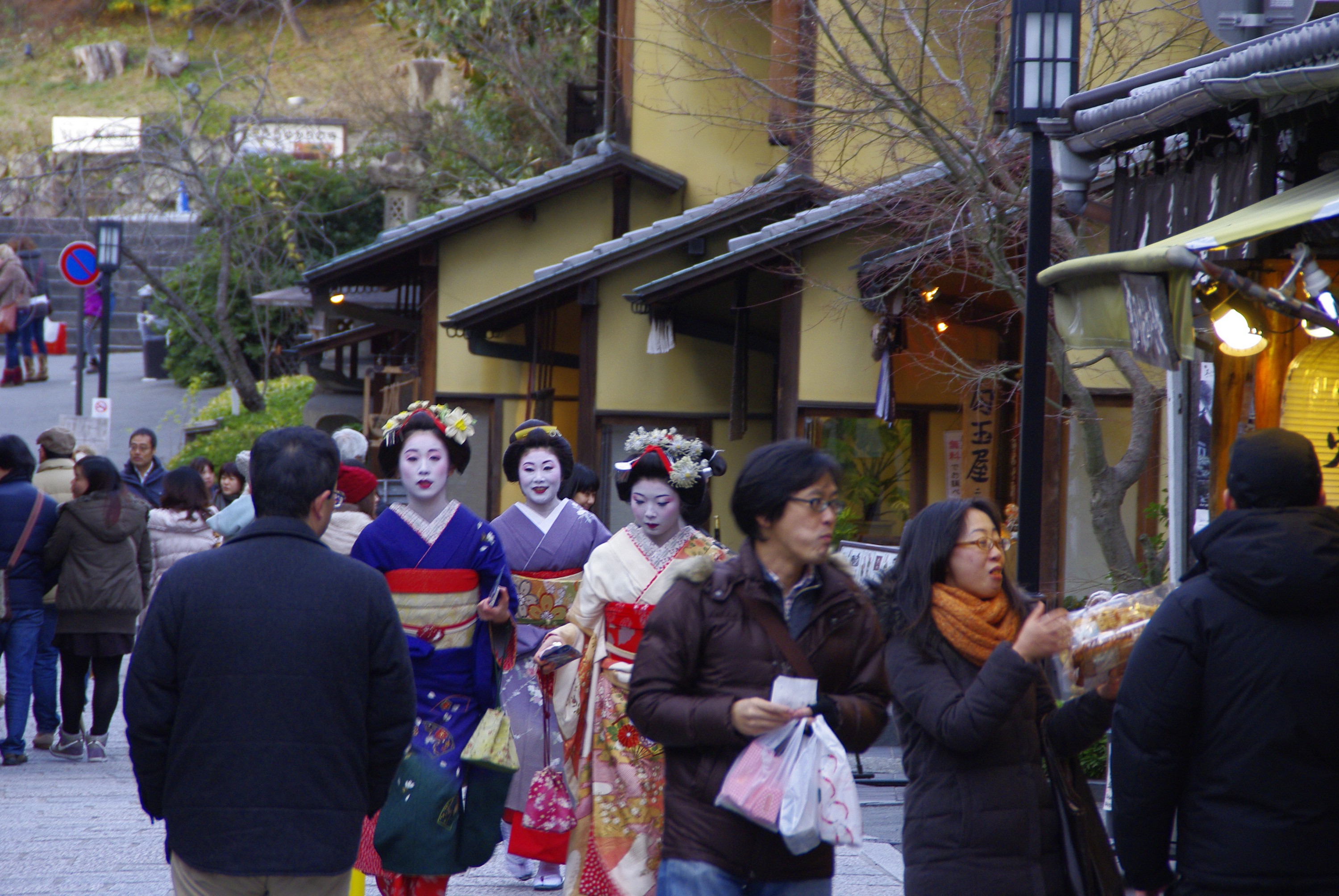
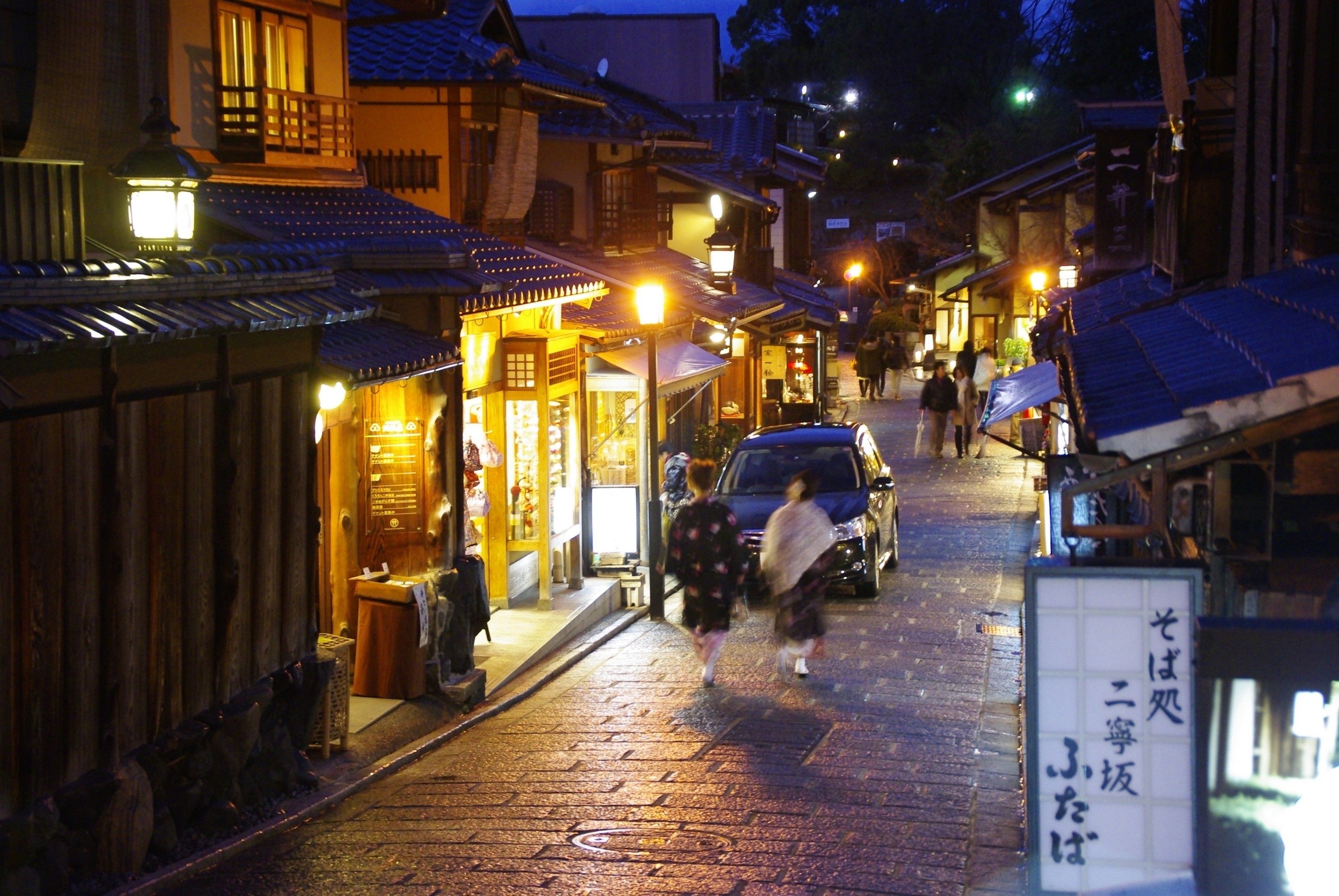
It is 3:30pm. I have to increase my speed. Back at the shopping street I almost miss the entrance to street with the old houses of Higashiyama. A nice place. A narrow street with stairs (and no cars). There are many shops inside the old houses to the left and right. Why I missed this place in 2004 … Maybe the same reason I missed the Kiyomizedera. I was stupid. Then I spot the first Geisha. Right. Gion is not that far away and the Chaya will open soon.

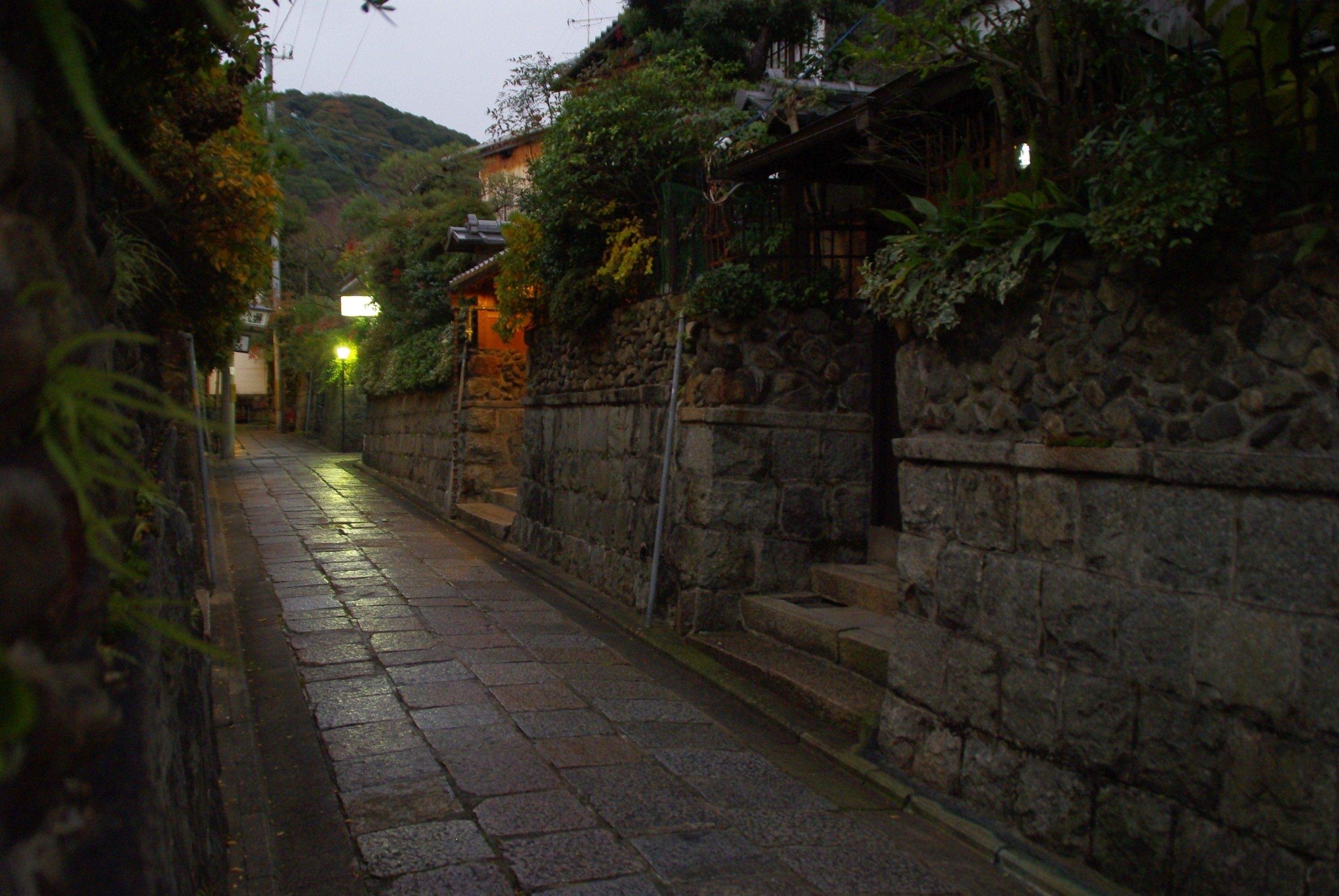
On the way Gio I get lost again; despite a map and a police box. What use is a map without the red „You are here“ dot? Argghh. I try the street on the left. It should end in a right turn. Yes. It does. This is Gion Corner. This area is filled with old tiny wooden houses and narrow alleys.

Gion

It starts to snow (a little bit) and dawn is beginning too. Last stop for today is Pontocho. Not an attraction like the usual ones. It is a narrow street with many Izakayas. Too small for a car but filled with tourists.

It is almost dark, when I am back at Higashiyama to take some night pictures (without a tripod). After that I walk home to the hotel. A long walk. Next time I’ll use the subway. Half way I decide for some snacks. I skipped lunch. The streets of Kyoto can be pretty dark. A brief stop at the train station for some Xmas feeling. Changing into something more stylish, abandon the camera and get into the next cab. Next stop: a Chaya.

I celebrate Xmas eve in compony of a meiko (Geshia still in training). She is speaking perfect english and serves all food and every single drink. There are some performances and drinking games. They know how to entertain. It is not cheap. Oh no. But it is awesome. I enjoy every single second (and the blog of today will end right here … *evil grin*).

[deutscher Blogeintrag]

Amanohashidate

Amanohashidateis one of the three famous sceneries. And today I move to a hotel in Kyoto. But how? With the loop line to Oosaka Eki.  And then? I view on the board. Platform 4 in two minutes. I ask the conductor if this is the correct train. It is. Lucky. Then the next question: I only have 1 minute to change the train. Is this possible? The conductor says yes. The other train is wainting at the same platform (and is waiting for us). Wow. In Germany this would be unthinkable.

I arrive in Amanohashidate at 11:25 and no coin locker left. The tourist information suggests a souvenir shop. Practical. I can store my luggage (even the big bag) and have breakfast. Prefect Timing. It starts to rain. I order Asari-Don, a local specialty. Don is always rice plus egg plus X. And in this case X are clams. Delicious. No comparsion to Germany. And a beer from a local micro brew: Kölsch, yes with a „ö“.

Southern side

I visit the small temple. Nothing fancy but really worth a visit. The ropeway brings me up to a viewing platform. The sandbank is not looking that long. I don’t know what I had expected. Because of the strong wind I cannot use the full zoom of the camera. There is also a small amusement park here for kinds. Really small.

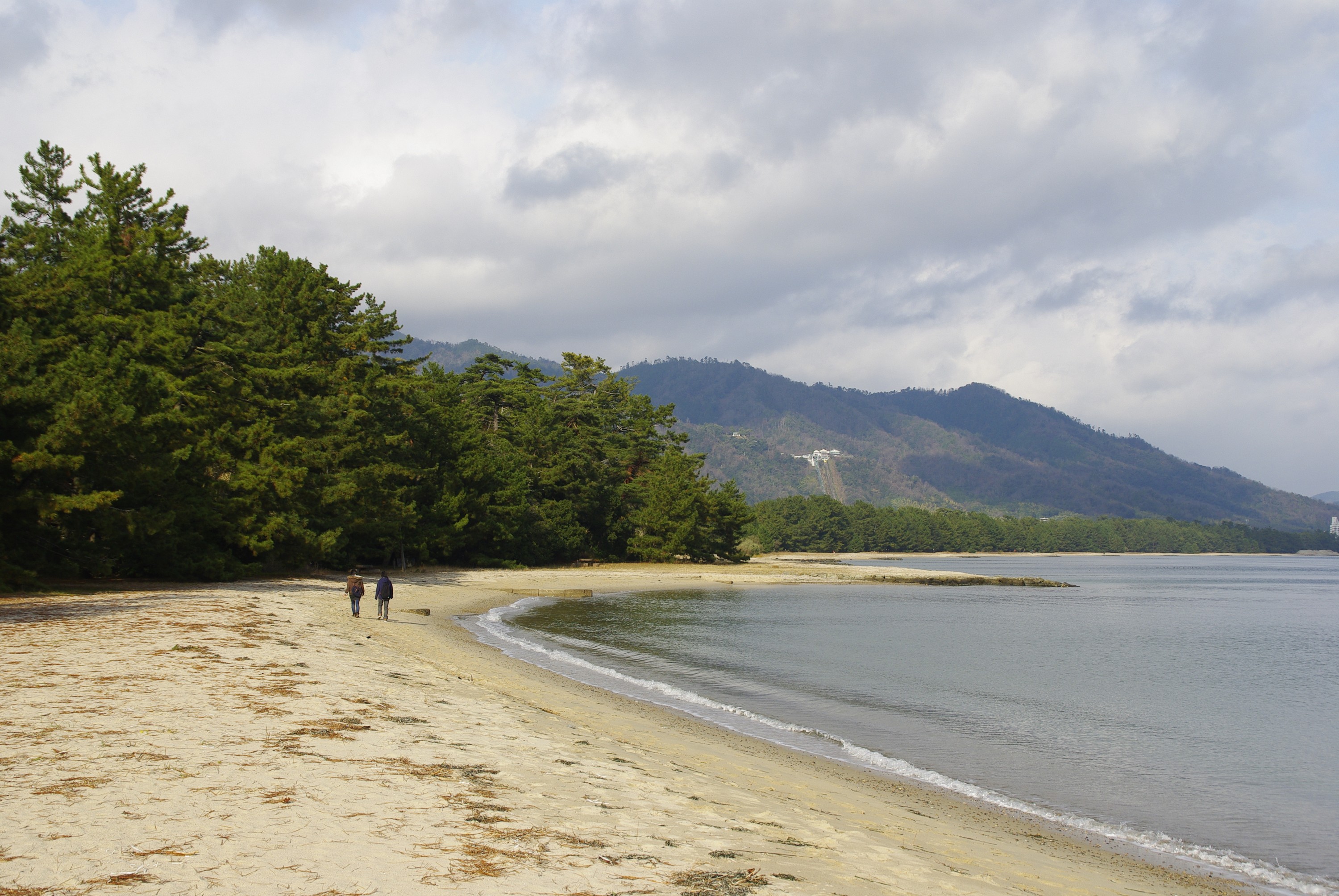
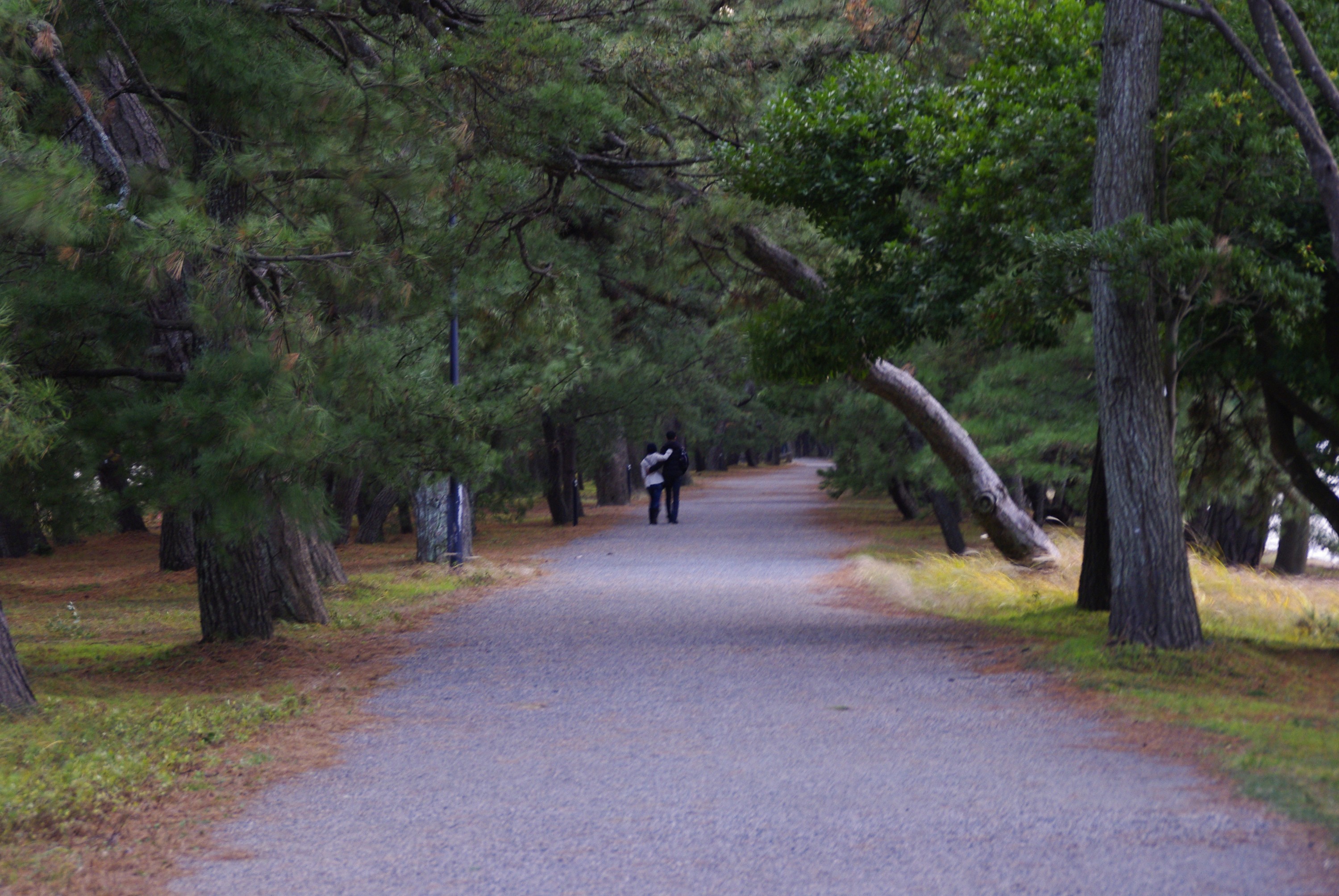
I start the walk to the northern side. The travel guide says that there are more than 8000 pine trees. The sand bank is 200m wide and has a nice beack on the right side. The view reminds me a little bit of the baltic sea. On the left side the pines are close the the water line. The wind is coming from this side. Here it is stormy. On the right side is now wind at all.  Both within 200m.
First sum up: Amanohashidate is nothing special. Of you are in this area, you can take a stop but it is not worth a 3 hour train ride. The sand bank may be unique but that is all.

On the northern side is a nice shrine. Behind it is a ropeway. At the top there is a viewing platform (again).  There are some strange poles with a ring on top. A saw them on the other side too. Looks like you can buy some wooden plates and try to throw them thru the ring.  I don’t know why. I book this thing in the category „fathomless Japan“.

sand bank

There is a bus to temple. Shall I? Another 1100yen? Japense are the Ferengi of the planet earth. And the are successful. It would be stupid to go back without going the last mile. The bus is going uphill on a extremly winding and extremly narrow road. Koyasan flashback.

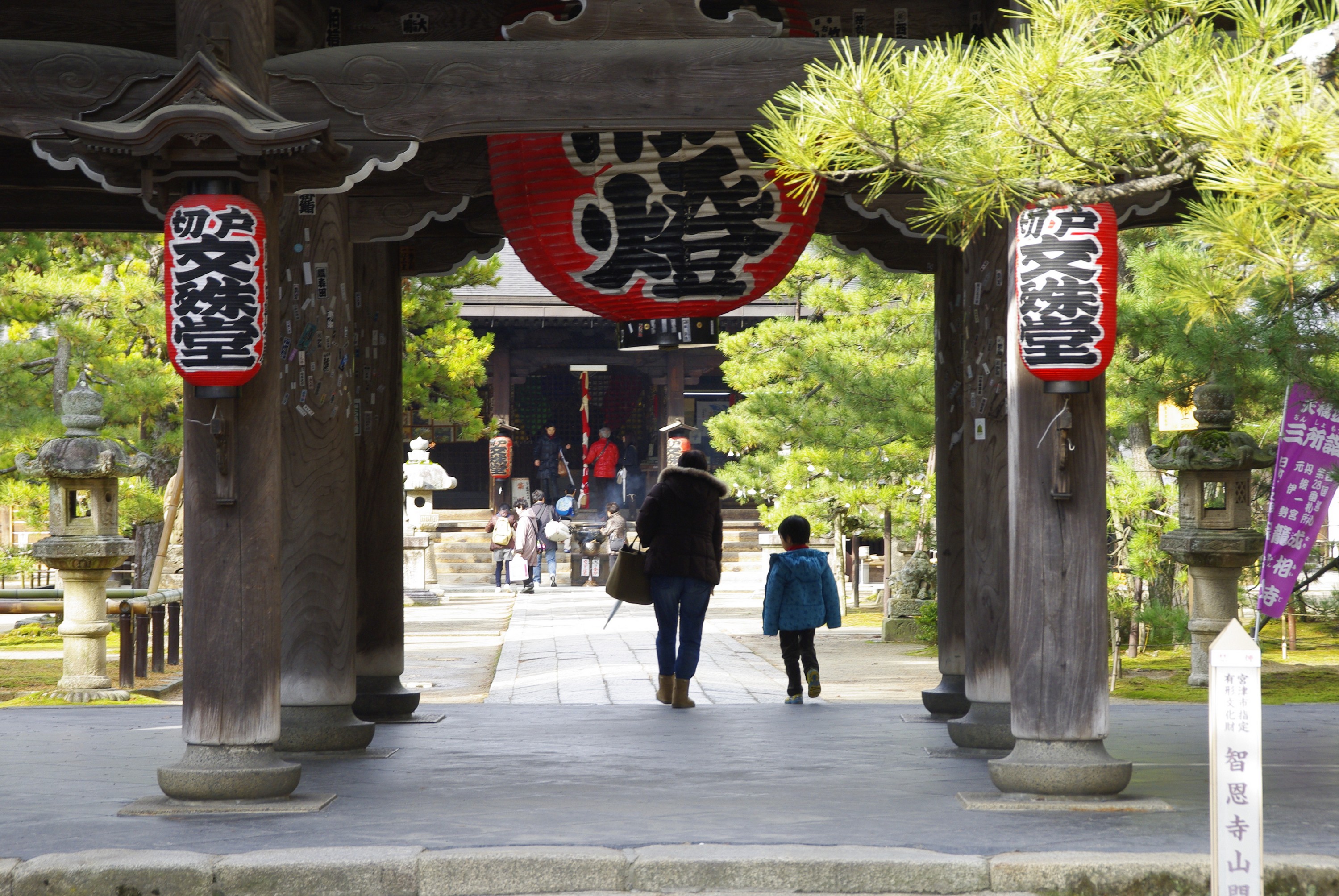
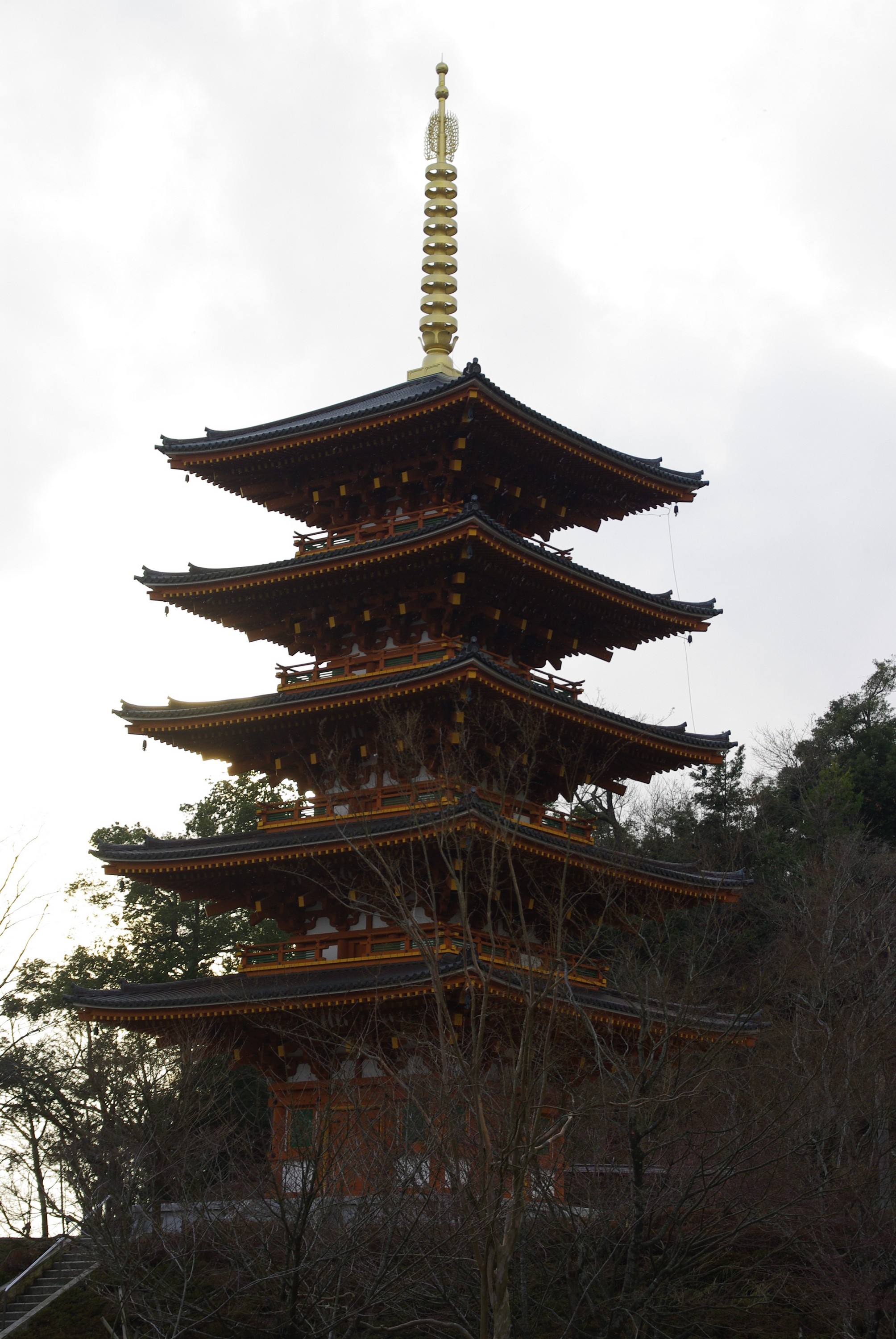
The temple was worth the money. Here at the top it is anowing a little bit. At the ropeway it was rain. This is snow line live. The temple is old and weathered. But this is its charme. Hundreds of lantern are hanging from the ceiling. Beautiful and impressiv. I only have a few minutes until the last bus is going back to the ropeway. I run. The driver is waiting for me. He stops. Because there is reason why this temple is mentioned in the guide. The pagode. I nearly missed it. I take some pictures. Next stop at the daimon. Just for me and a second tourist.

My rule to be always nice to the UPS guy, is also applicable for japanese bus driver and conductors. I talked to the driver at the ropeway station. Asked him, if the temple is worth the trip and if the remaining time of 20 minutes is enough. He said, that this is ok. He recognized me while I was running to the bus and also saw that I missed the pagoda.

To save some money I walk back to the southern side. Dinner at the souvenir shop. Udon. I don’t have to pay for storing my luaggage. Maybe because I visit the resto twice. The concept is working: You store your luaggage and maybe you visit the resto or buy some souvenirs. It is working for me. I saved 600yen for the coin locker *).

Nordseite

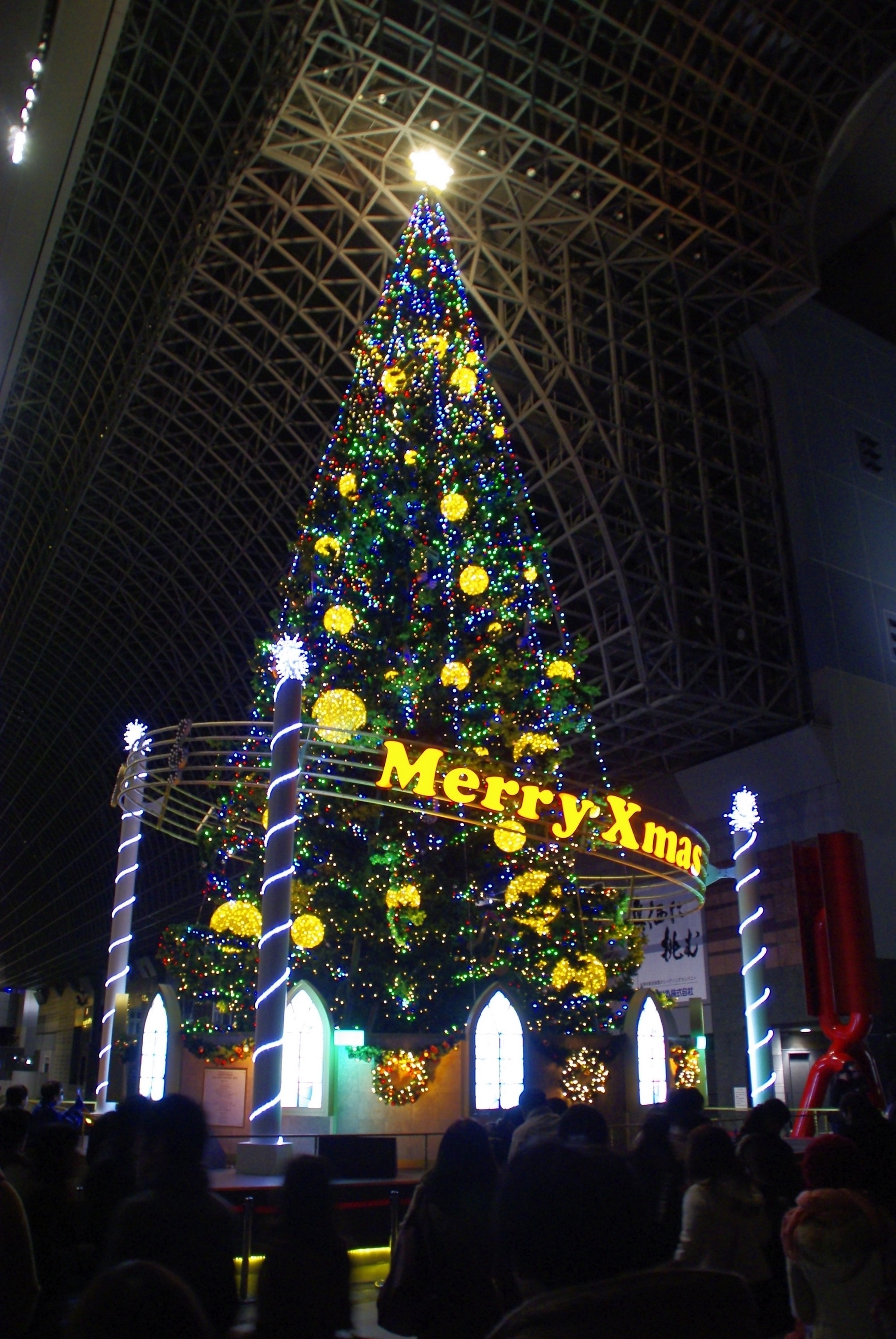
The express ends in Kyoto. The famous central hall is 10 stories high. At the bottom of the big stairway is a Xmas tree. I takes some time to find the north-south-passage. It is not easy to find the south exit. After that it is also not easy to find the hotel. Where is it? I check all streets and side alleys. Then I see the entrance. A small door and two elevators. That is all. The reception desk is in 3F.

Btw.. Internet! I am back online after three days without network. Sorry for this break. Pictures will follow within the next days.

*) If you are in Japan and cannot find a coin locker – this happened to me several times before – ask the tourist information or the station staff. Before the rise of the coin lockers many shops close to the station offered storage space for a small fee. For the shops this was an additional customer and some money. This old tradition is still existing today in some places. My advice: In a small town ask for a store with a storage service. In the worst case you spend the same money than on a coin locker. But usually you get some additional information that are not mentioned in the guide. Only disadvantage: The closing time of the shop. — On this trip I did this three more times. In Inuyama, Kisofukushima and Fukui. In Inuyama I placed my bag in the office of the train station because there was no locker of the right size. In Kisofukushima were no locker at all. In Fukui I could store my stuff in in the bus station office for my short trip to Eihei-ji.]

[deutscher Blogeintrag]