Vielleicht fliege ich auch die Strecke Tokyo–Sapporo. Habe einen Billigflieger gefunden, der die Strecke für 130€ anbietet. Vorteil: Man erspart sich 10 Stunden Zugfahrt. Nachteil: 15kg Gepäcklimit. Aber ich bin am verhandeln … Hoffentlich können die mein Fax lesen. „Japanese staff only“ stand auf der Skymark Homepage.
Nachtrag 10 Uhr: Übergewicht kostet 500円 pro 10kg… Also wirklich fliegen?
Gestern habe ich mich mal um die Hotels gekümmert. Hotel Edoya stand ja schon lange fest und ist auch schon gebucht. Aber alles andere fehlte. Heute habe ich dann endlich die Reservierungsbestätigungen für Sapporo, Wakkanai und Rishiri bekommen. Fehlt nur noch Asahidakeonsen. Da habe ich noch nicht einmal eine Idee.
Warum der Stop in Wakkanai? Ganz einfach: Die Zugfahrt von Sapporo dauert ewig und wenn ich nicht den ersten Zug kriege, ist die letzte Fähre weg. Also zunächst nach Wakkanai und am nächsten Tag weiter nach Rishiri. So habe ich zwei halbe Tage in Wakkanai und spare mir die Fähre für einen Tagestour.
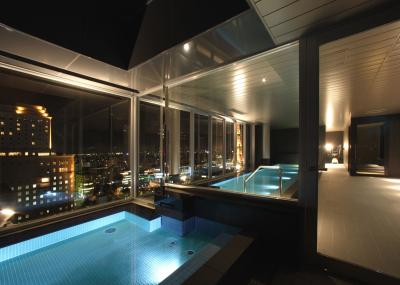
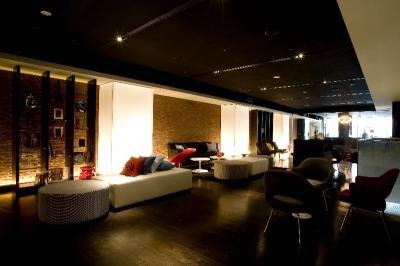
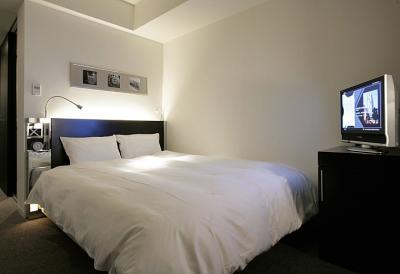
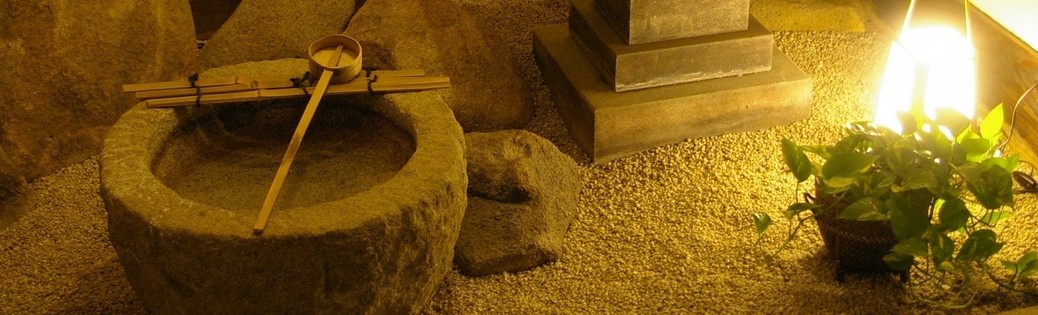
In Sapporo habe ich natürlich wieder zugeschlagen. Nach dem Kursfall des Euros hatte ich das Limit bei 10.000円 pro Nacht angesetzt (knapp 100€). Und jetzt: drüber … aber nur knapp. Dafür ist das Hotel Style pur. Unten ein paar Fotos zum Anfüttern.
Versuchen wir dieses mal einen Blog zu schreiben. Ich weiß nicht, ob es klappt, da ich nur selten Internetzugang habe. — Als Titelbild habe ich ein Foto meiner letzten Reise gewählt: Der Blick vom Mori Tower in Richtung Odaiba inklusive der Tokyo Rainbow Bridge. — Ach ja der Name „Seidenpriester“. Die Kanji meines Nachnamen lesen sich 坊 (Bou = Priester) und 羅 (Ra = Seide).
Nachtrag aus Mai 2011: Ich habe mich durchgerungen, diesen Blog aufzubohren. Ich werde die anderen drei Reisen nach und nach hier nachtragen. Zudem wird es einen Abschnitt geben, in dem ich ein paar Reiseideen geben will; keinen Reiseführer, davon gibt es genug. Aber Ideen, was man tun kann.
Kanji-Lexikon
Das Kanji-Lexikon begleitet den 2010er Blog. Ich liste dort die Kanjis aller japanischen Begriffe des Tages. Die Links und der Kanjiblog sind Teil der Nachbeartung:
A japanese man said to me: „We Japanese like cherry blossoms and dislike roses“.
I don’t want to discuss the japanese soul or aesthetic. But this words were an interesting sum up of both things. I always asked myself why are japanese gardens looking so different. The have a pond, gras and flowers. All you have in a european garden too. The difference has to be in somewhere in the details and I cannot explain it. It is the same with japanese styled room. You can say if they were designed be a real Japanese or an European. Something is different with the aesthetic of Japanese.
Japan is the country formed by of Buddhism and Sinto ideas. Both religion honour the ancestors. And compared to the christian religion they seem to be more comfortable with death and afterlife, somehow. Samurai always were styled. No one liked the idea to end up as a unclean dead body.
But back to the roses. Roses wilt at the stem. It is like they are despirately try to stay alive. Cherry blossoms are falling easy and beautiful at the moment of most beauty, in the middle of their life. It is like they don’t want to hold out to the last possible moment. They don’t wilk. They fall white and clean. Their life is short but powerful in their impression.
Therefore the cherry blossom is center of japanese aesthetic. It is like the German saying: „To stop if it is the best.“ (it really loses in the translation). For the japanese the cherry blossom is a symbol of perishabililty but also for a new start. With the cherry blossom spring is starting in Japan. But also a new school year. We know this from Manga and Anime. Goodbye from former class mates or meeting new frieds (and first love) at the a new school; and the cherry blossom in the background. So cheesy. But also, so Japanese.
The roses that holds to the wrong values.
The cherry blossom as the symbol of begin and end.
We can find a similar aesthetic in the movie Samurai fiction. In an interview I saw, the author Hiroyuki Nakano talked about the (only) two female characters, Koharu and Lady Okatsu. He said that there are two moments of beauty in a female life. Koharu represents the first moment. She is young and unmarried. Lady Okatsu is a woman in her prime. The second moment of beauty. If you follow the idea of cherry blossom. it is only logical, that she dies. She will not wilk.
Like the other articles about architecture also this one is under construction …
In Yokohama you have to know that the whole harbour area was redesigned in a project called Mirai 21. The Queens Plaza and the Landmark Tower are the center of this new area. Another architectural highlight is the pilot office at the harbour and the old brick warehouses. You should visit the area at night.
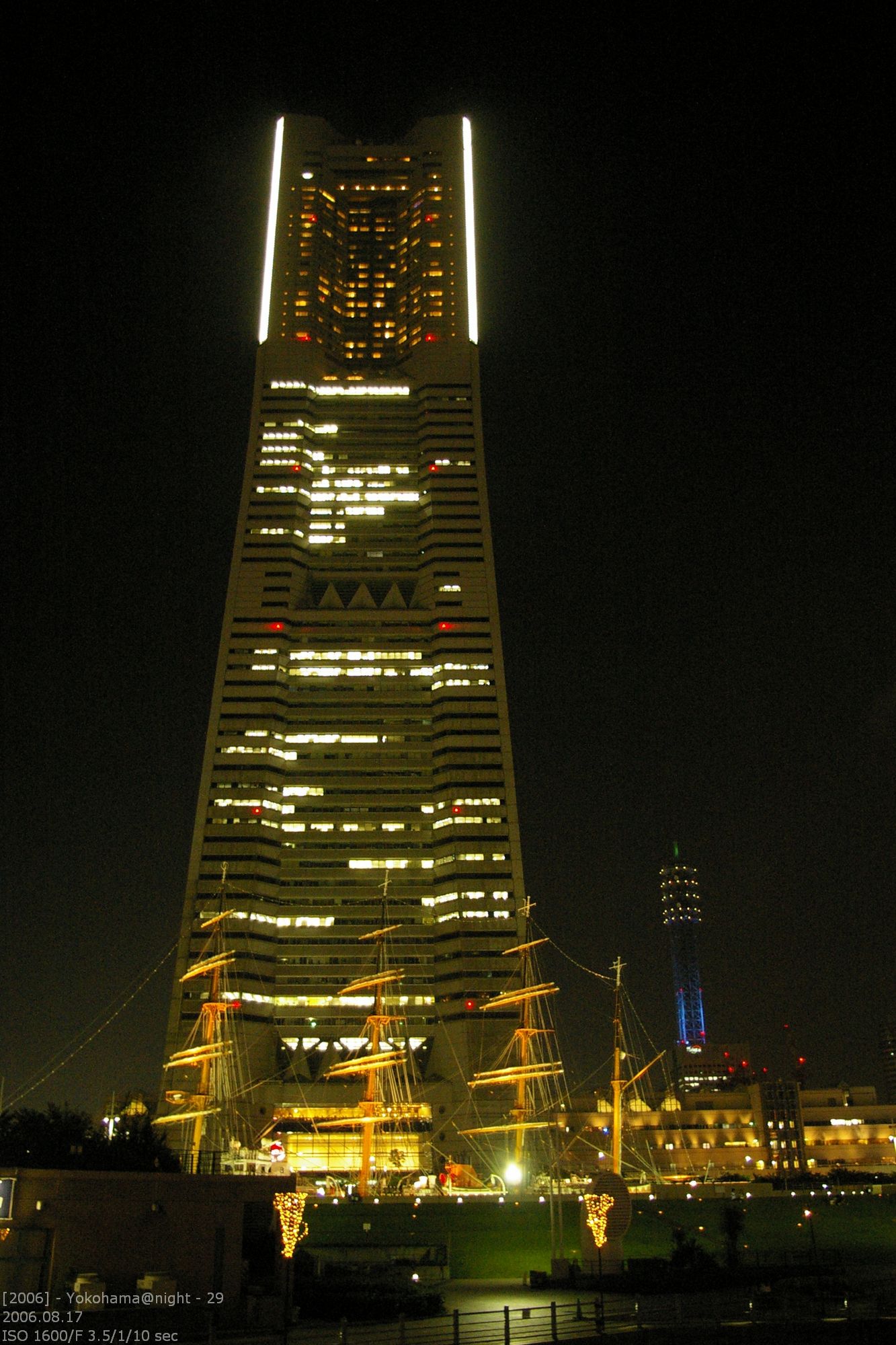
Landmark Tower
Height: 70 floors / 298,5m Building Time: 03/1990 bis 07/1993 Architect: H. Stubbins & Associates
Before the completion of the Sky Tree in Tokyo, the Landmark Tower was the highest building in Japan. While the Sky Tree is a TV tower, the Landmark Tower is still the highest office / hotel building.
The building is splitted into two functional areas. The lower floors are a shopping mall with 160 shops. Above that until the 48th floor are office space. Above this floor is the Royal Park Hotel. At the floor 69 is a sight seeing platform called „Sky Garden“. The elevator was the fastest in the world (in 2004). He reached 750m/min. The whole ride takes less than 50 seconds including closing the doors.
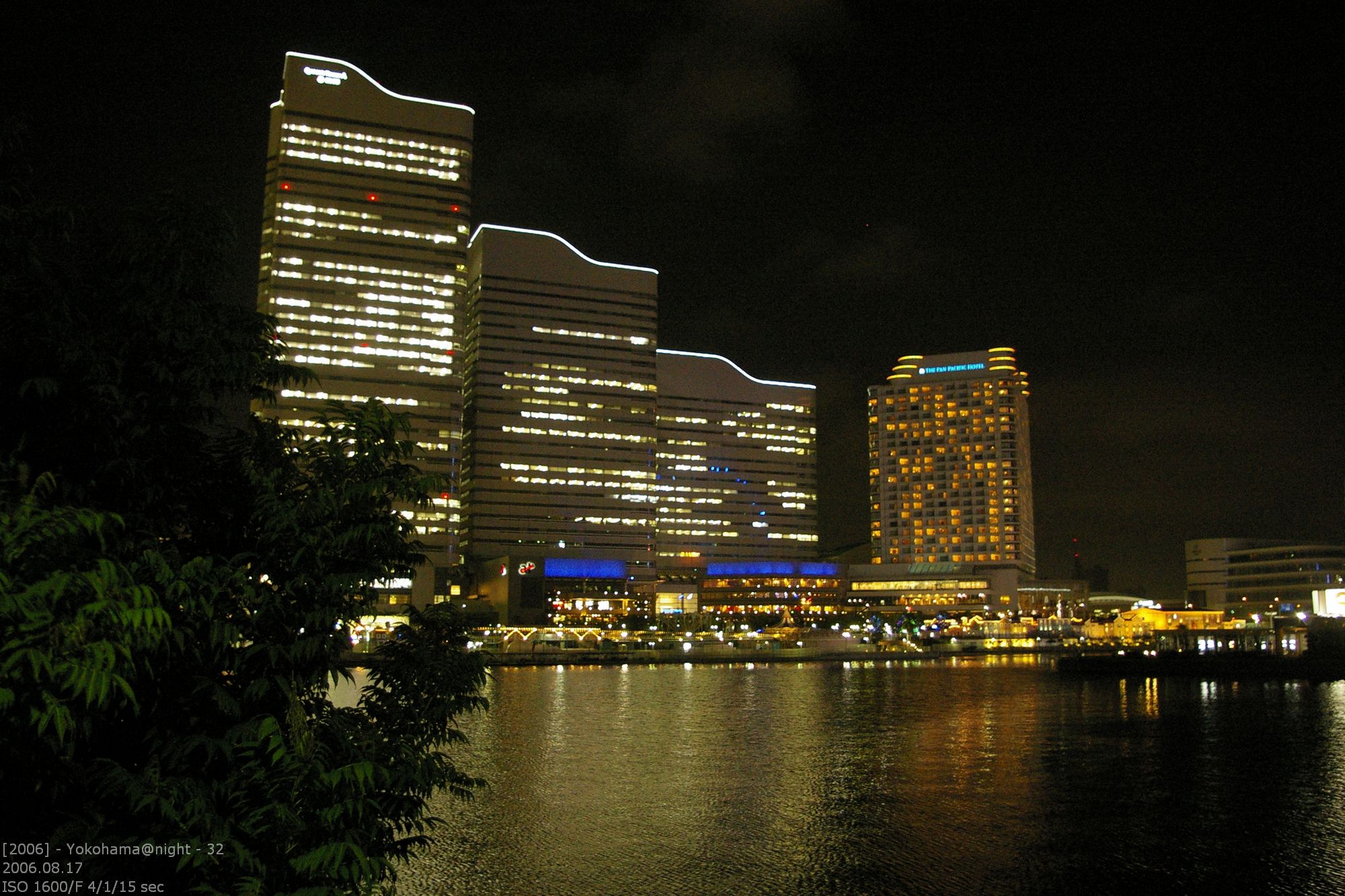
Queens Plaza
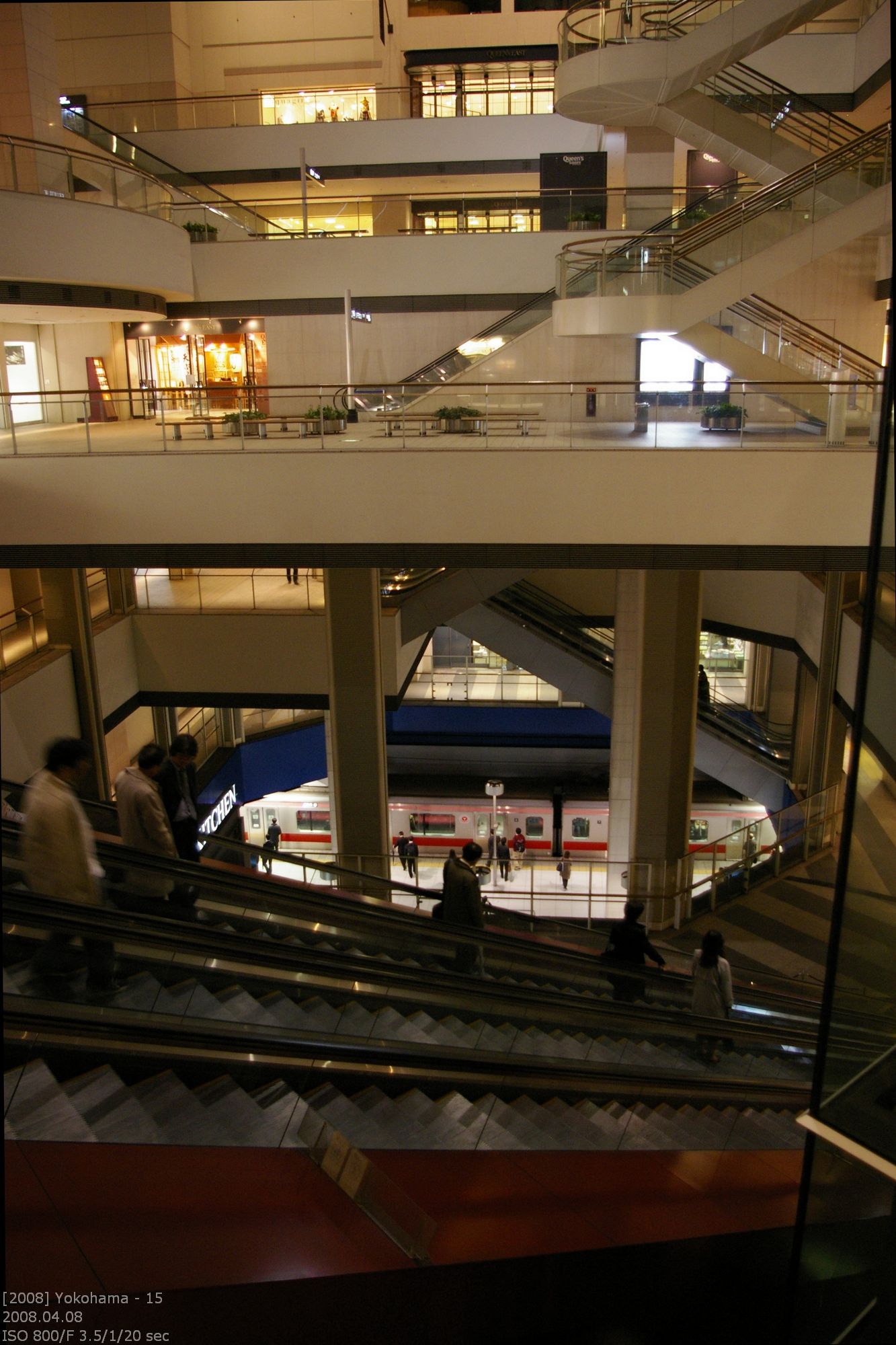
The Queens Plaza is a complex of three buildings that are connected at the basement level. In the core of building is the subway station. The station is totally integrated into the building. On on edge of the three buildings is a nose along the whole height. It is very good to see if you are looking down from the Landmark Tower. The nose is there to break the air stream caused by wind. It prevents turbulences and reduced vibrations of the building.
Station Core
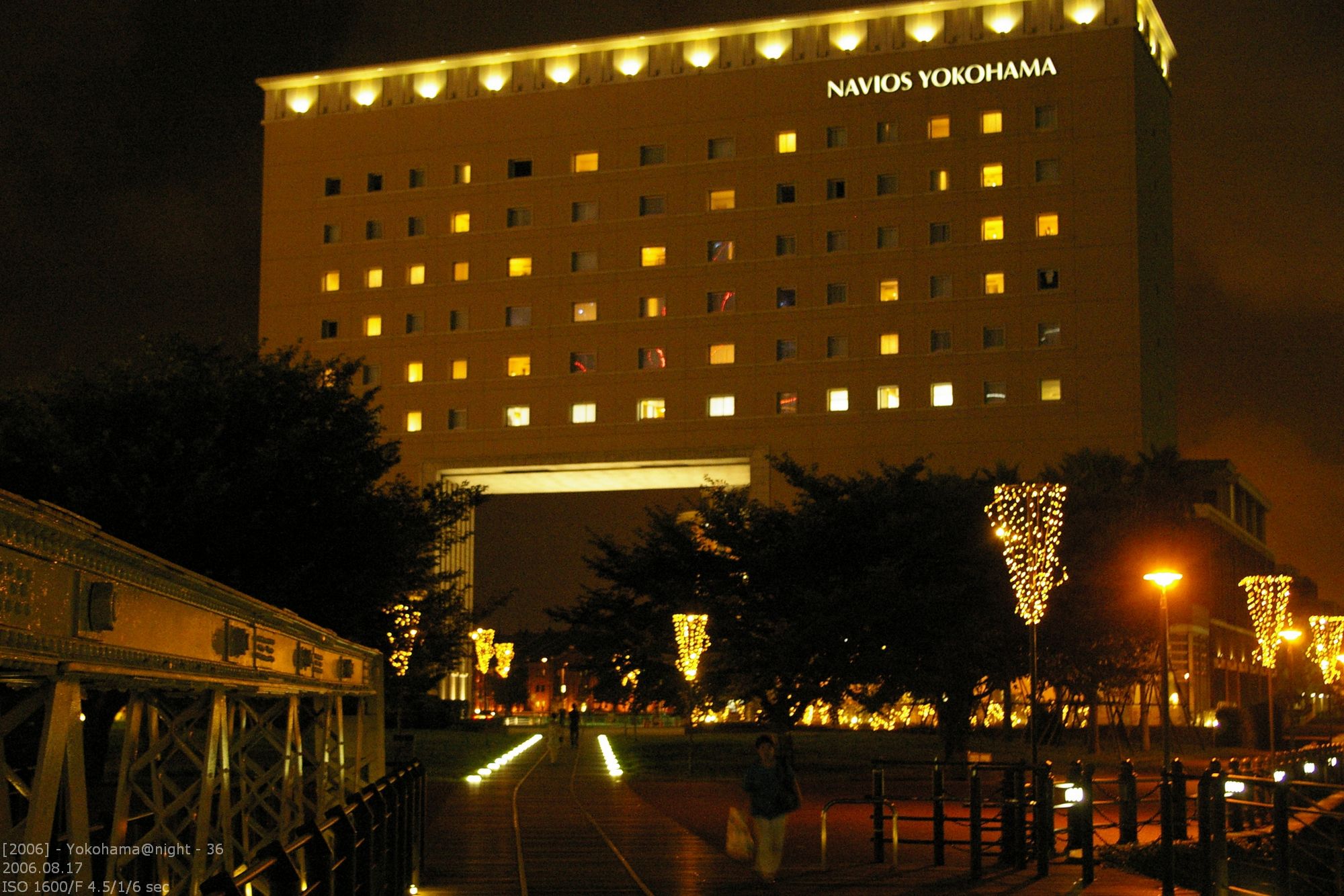
In the Mirai 21 project a part of the old train tracks was remodelled as a sidewalk. The tracks are still there and filled up with wood. The Navios Yokohama was built above this sidewalk.
Navios Yokohama
The train tracks are leading from the Landmark Tower to the brick warehouses. 2010 there was unused space to pass. Looks like Mirai 21 is still not complete.
Warehouses in Yokohama
The warehouses are unchanged on the outside. The didn’t touch a thing. The just added big glass elements in the former doors. That was the best thing they could think of. At night, of the buildings are illuminated in yellow/orange light, it looks like the steels frame of the building is glowing. Behind the thick walls are several restaurants and bars. This is a good example for reviving and old object with only tiny, nearly invisible changes.
Lotsenstation
Not accessable for tourist but still an eyecatcher is the pilot station. It is one of the most important buildings of the Japanese Avantgarde.
Yokohama is a good example that japanese architect are designing their buildings for the night. Nowehere else is the impact of an building that powerful at night. And only at night. During the day they are more or less gray blocks of the steel, glass and concrete.