Alle Beiträge von seidenpriester

Sake – beer or wine

Sake, japanese rice wine, is served hot and usually combined with sushi. WRONG. (1) You can drink sake hot but also cold. It depends on the situation and the quality of the sake. (2) Sake is not a wine. Sake is brewed, therefore it is more like a beer. (3) It is a typically mistake from tourists to drink sake while eating sushi. For the Japanese, the taste of both things do not match. It is like a strawberry cake with cream and a glass of beer.

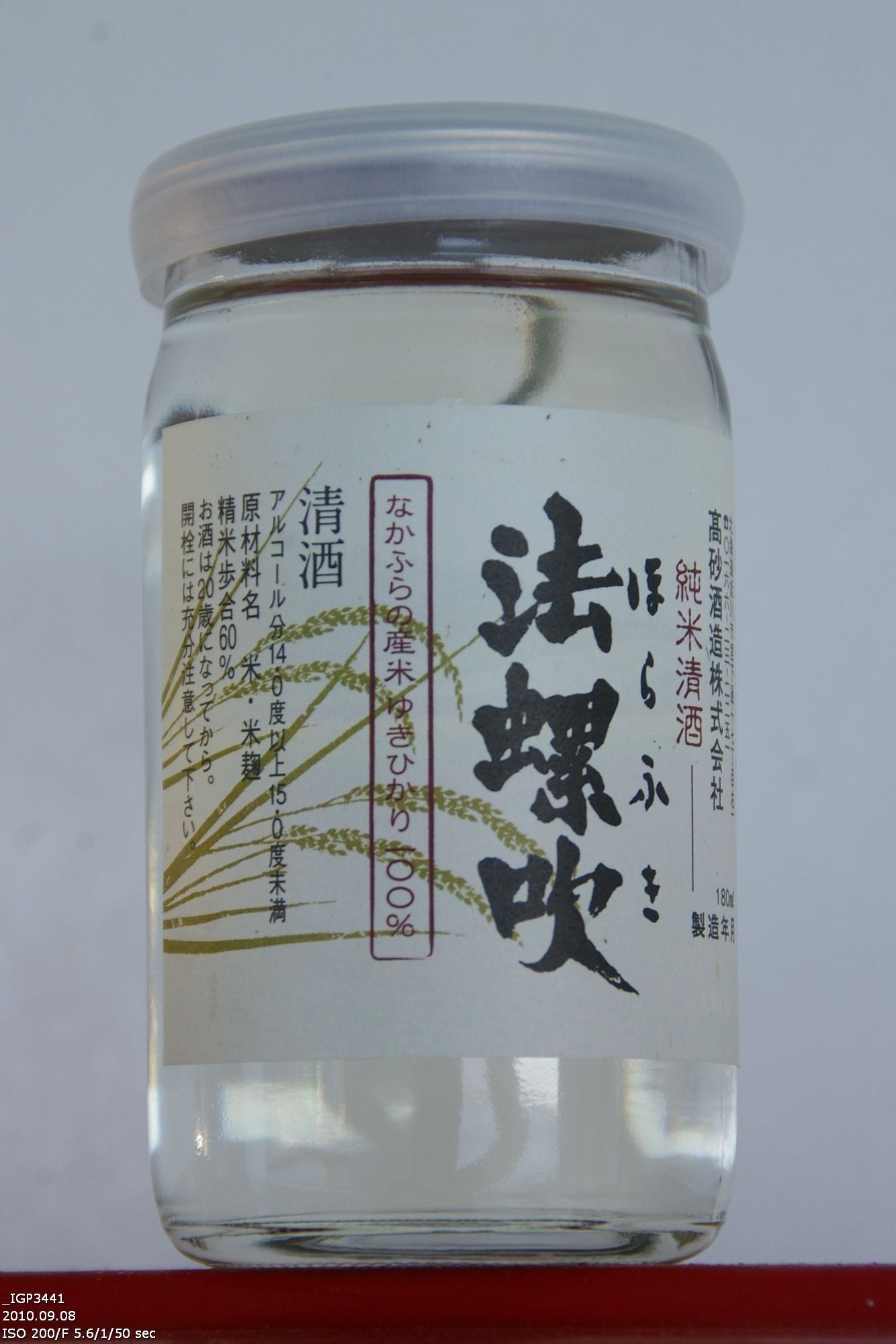
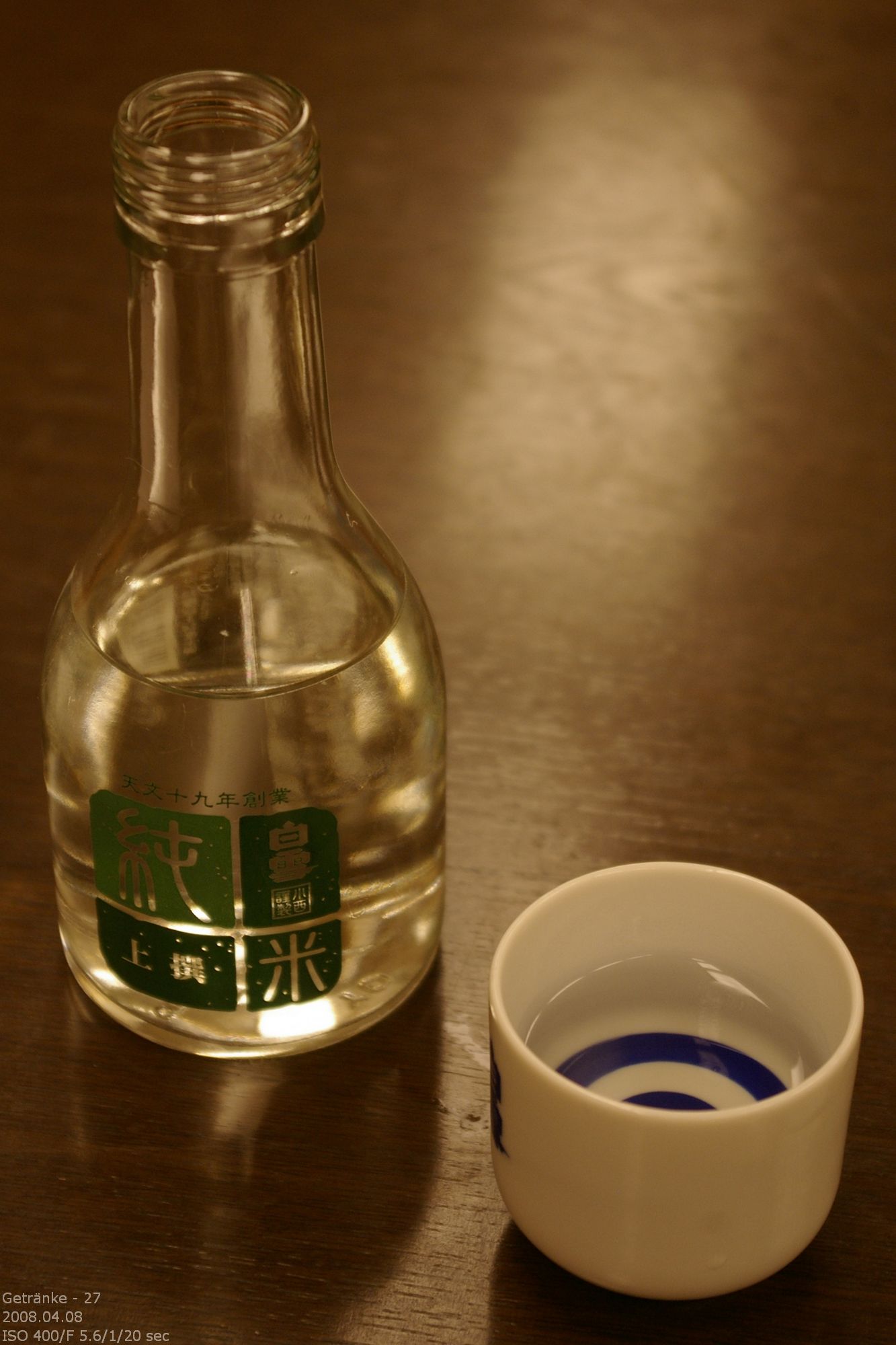
Sakeflaschen
Sakeflaschen

Sake is like the soul of Japan, because of it’s long tradition and it’s background. Sake is one of the offerings in a shinto shrine. A very long time sake also was the only alcoholic drink in Japan. Today you drink a good sake on special occasion like a big business deal. In Europe you might use a good whisky or rum.

Sakana: A word derived from sake. It stands for a good moment, like a mild summer evening with a fire work, that you are enjoying in company of a beautiful woman. They also have a saying for drinking hot sake on a cold winter day: „Putting a hot stone on someones stomach.“

Small bottles of sake

But what is sake? Wine or beer? There is no clear answer. It is like the katana. It is not a sword that by definition has a straight double-sided blade. And is also not a saber because of the mounting of the handle. The same goes for sake. The difference between beer and wine is the process: Wine is made from grapes (fruits). Beer is made from barley and yeast. You have to convert starch into sugar, before you can begin the alcohol generating process. For grapes you can directly start with the sugar. (By the way, if you don’t add hops to your beer and run the result thru a distill, you receive schnaps, and if you put it into old sherry and bourbon cask, you will get a whisky.)

Die Herstellung / The process

Rice is getting polished, to remove the outer areas of the grain. How much of the outer area you remove decides the the quality (and the price) of the sake. You need a lot of water. The brewing is a little bit more complicated compared with beer. One part of the polished rices is mixed with koji (a mold fungus). You also add yeast and lactic acid. Under high humidity and temperature rice starch is converted to sugar. After a certain time you add more water and the other half of the polished rice. All together is fermenting. In difference to beer, the yeast is stopping to work if the alcohol level is reaching 20% and your sake is ready. You may run it thru a filter.

Because of that, I have decided for myself to call sake some kind of beer, while the amount of alcohol is higher than for wine. Also for travellers from Europe: If you have a few bottles sake in your lugguage you might have to deal with the customs officer. In that case: Sake is not spirit neither is it a liqueur. I always tell them, that sake is a beer, because of the way to make it.

Sake Deluxe
Sake Deluxe

As far as I heard several time, the best sake is coming from Niigata. Every time I asked for Niigate-no-Sake in a Izakaya, the aleays lift an eyebrow. I am not sure if this is a good sign or not.

The quality of sake varies. Here again sake is like wine. You have the cheap version and good, high prices stuff. There is also a very cheap sake, that is mixed up with industrial alcohol. The stop the fermentation at an early stage an add the missing alcohol. You should remember the following kinds of sake: Futsushu is the standard sake. You can buy it everywhere in tiny one way glasses. This is usually the kind of sake you drink hot. Junmai and Honjozo are the good sake. Junmai-Ginjoshu and Ginjoshu are the very good ones, but also the pricy ones. The rice is reduced by 40% during the polishing. The Rolls Royce of sake is the Daiginjoshu or Junmai Daiginjoshu. The rice grain is reduced by 50%. In a Izakaya this sake is really expensive. In a sake shop a small bottle costs easily more than 30€.

Sakeabteilung im einem kleinen Kaufhaus

deutscher Blogeintrag

Sumo (V) – 行司 .. Gyoji

Der Gyoji (行司) ist der Ringrichter, der mit im Ring steht und den Kampf und das Ganze Zeremoniell leitet. Derzeit gibt es etwa 40 Gyoji, die diesen Beruf meist seit derJugend ausüben. Die Gyoji wurden erst im 16. Jahrhundert, zur von Zeit Oda Nobunaga, eingeführt.

Die Gyoji sind einem Stall (heya) zugeordnet. Hochrangige Gyoji haben wie hochrangige Sumotori einen Assistenten (tsukebito), meist ein Gyoji von niedrigem Rang oder ein niedriger Sumotori. (Man sagt, dass ein Sumotori, der einem Gyoji assistiert, nie Karriere machen wird.)

Aufgaben

Ein Tetegyoji (siehe unten) und zwei weitere Gyoji fungieren als Shintopriester und reinigen mit einem Dohyo Matsuri den Ring. Die Gyoji leiten auch den Einmarsch der Sumotori. Während ders Turniertages notieren sie die Ergebnisse und kündigen die Paarungen des nächsten Tages an.

Die Gyoji unterstützen auch bei der Planung der Begegnungen im Turnier und der Einstufung der Sumotori in der Banzuke. [Die Banzuke wird mit einem speziellen Kanjistil geschrieben, den zu Lernen es etwa 10 Jahre benötigt. Für die große Ita-Banzuke, die draußen am Stadion hängt, benötigen 3 Gyoji etwa 3 Tage.]

Aufgaben im Kampf

Der Gyoji orchestrieren den gesamten Kampfablauf; von der Vorbereitungsphase bis hin zur Überreichung der Siegerprämie.

Nachdem der Yobidashi die Namen der beiden Sumotori ausgerufen hat, wird dies vom Gyoji wiederholt. Die Sprechweise ist sehr gewöhnungsbedürftig; Silben werden ob extrem in die Länge gezogen.

Wenn der Zeitnehmer (shinpan) signalisiert, dass die 4-minütige Vorbereitungszeit vorbei ist, gibt er das Signal: Jikan desu. Te wo tsuite. [Es ist Zeit. Hände zu Boden.] Der Gunbai wird senkrecht gehalten und dann zum Gyoji gekippt. Es ist das Zeichen, dass der Kampf beginnt. Begleitet wird gelegentlich durch: Kamaete mattanashi. [Vorbereiten. Ich warte nicht.]

Nach dem Tachiai, dem Startangriff der Sumotori, erfolgt ein: Hakki-yoi. [Legt los, kämpft.] oder Nokotta, Nokotta! [Ihr seid beide im Rennen.]. Es ist gleichzeitig das Signal, dass das Tachiai erfolgreich war. Für den Fall, dass das Tachiai ungültig ist (zum Beispiel wenn die Sumotori nicht zeitgleich starten oder die Atmung nicht synchron war) bricht er das Tachiai und den Kampf ab. Das Kommando dazu lautet: Madamada [Nicht jetzt.]

Wenn der Kampf läuft ruft der Gyoji weiterhin Nokotta, Nokotta. Damit signalisiert er, dass der Kampf noch nicht entschieden ist, beide Sumotori noch im Rennen sind.

Wenn  der Kampf zum Stilstand kommt, z.B. weil sich beide Sumotori am Mawashi haben und jeder taktiert und auf den Fehler des anderen wartet, spornt der Gyoji die beiden Sumotori an, den Stillstand aufzulösen: Yoi hakkeyoi, eh! Yoi hakkeyoi, eh! [発気揚々!, 発気揚々!]

In dem Moment, in dem ein Sumotori den Ring mit etwas anderen als seinen Fußsohlen oder etwas außerhalb des Ringe berührt, ist es die Aufgabe des Gyoji, den Gewinner zu bennen. Hierfür zeigt er mit dem Gunbai auf die Siegerseite. Oft geht es um Millisekunden. Der Gyoji zeigt mit seinem Gunbai auf die Siegerseite, begleitet von einem „Shobuari.“ [Es gibt eine Entscheidung.]

Als letzte Handlung im Kampf ruft der Gyoji den Namen des Gewinners. Ist mit dem Sieg ein Preisgeld verbunden, überreicht er dieses. Der Gyoji bestimmt auch die Siegtechnik, die angewendet wurde.

Ist die Entscheidung diskussionswürdig kommtes zum Mono-ii der  5 Shinpan (Ringrichter). Der Gyoji ist nicht dabei. Entweder wird die Entscheidung des Gyoji bestätigt (Gunbai-Dori = Weg des Gunbai, also wie es der Gunbai anzeigte), umgekehrt (Sashi-Chigae) oder das Match wird wiederholt (Torinaoshi), weil keine eindeutige Entscheidung getroffen werden kann. — Ein Sashi-Chigae ist nicht gut für den Gyoji. Er muss dann einen schriftlichen Bericht abliefern und zu viele gefährden oder beenden seine Karriere.

Die Kampfzeit ist auf 5 (oder 4?; muss das noch mal prüfen) Minuten begrenzt. Ich selbst habe den Fall aber noch nicht gesehen. Nach Ablauf der Zeit ist es Sumotori erlaubt eine Pause einzulegen, Wasserzu trinken (mizu-iri). Aufgabe des Gyoji ist es dann, sich die Kampfposition zu merken, die nach der Pause von beiden Kämpfern wieder eingenommen werden muss.

Was ich schon erlebt habe, ist eine kurzer Stopp, ausgerufen durch den Gyoji, um den Mawashi eine Sumotori in Ordnung zu bringen. Da geht es weniger um die Gefahr, dass einer der beiden plötzlich nackt im Ring steht, sondern darum, dass der Mawashi im Kampf als „Griff“ benutzt werden kann.

Am Turnierende

Nach dem Turnier wird ein Gyoji von Sumotori aus den niedrigeren Rängen in die Luft geworfen. Damit werden die Kami verabschiedet.

Kleidung und Ausrüstung

Die Kleidung der Gyoji ist wohl das auffälligste im Ring. Dabei gibt es eine strenge Kleiderordnung, die den Rang des Gyoji symbolisiert. Da im Fernsehen in der Regel nur die Makushita-Ränge gezeigt werden, sieht man nur die aufwendige Version.

Kleidung: Bis Makushita-Gyoji werden einfache Baumwollkimono getragen. Im Prinzip sind sie damit den Yuktata ähnlich. Die Shibusa (Kikutoji = dekorative Rosetten und Fusa = Quasten) sind grün oder schwarz.

Ab Juryo-Ragen werden Leinenkimono im Sommer oder schwere Seidenkimono im Winter getragen, der Sozoku: Es ist ein Stil vom kaiserlichen Hof der Muromachi-Zeit. Optisch ist es ein Kombination aus Kimono und Hakama. Die Farben der Shibusa sind weiterhin rangabhängig. Ich habe sie unten bei den Rängen gelistet.

: Wie immer zu tradiotionellen japanischen Kleidung wird ein  Obi getragen, dessen Farbe aber zum Shizoko passt und keine Funktion zum Ranghat.

烏帽子: Diese Kopfbekleidung Eboshi sieht man heute noch bei Shintopriestern und zeigt wieder die Starke Verbindung zwischen Shinto und Sumo. Der Eboshi hat seinen Ursprung wieder am kaiserlichen Hof.

軍配: In der rechten Hand wird ein Gunbai gehalten. Dies ist ein alter „Kampffächer“, gelegentlich auch „Kriegsspiegel“ genannt, mit dem Signale auf dem Schlachtfeld kommuniziert wurden. Die Kordel am Gunbai heißt Fusa, deren Farbe eine weitere Information zum Rang des Gyoji liefert. Die Kordeln am Kikutoji haben übrigens die gleiche Farbe wie die Fusa.

足袋 und 草履: Das tragen von Fußkleidung sind rangabhängig. Tabi werden ab Makushita-Rang getrangen. Zoori (Sandalen) sogar erst ab San’yaku-Rang.

短刀: Der oberste Rang trägt sogar ein Tanto (Kurzschwert). Dies ist ein Zeichen, dass der Tategyoji die Richtigkeit seines Urteil über sein Leben stellt. Obwohl noch kein Gyoji nach einem falschen Urteil Seppuko begangen hat (das ist die Idee hinter dem Tanto), ist ein Sashi-chigai fatal. Mit dem notwendigen Bericht, bietet der Gyoji dann seinen Rücktritt an. Dieser wird in der Regel nicht akzeptiert. Im alten Japan war das alleine schon eine gewichte Tat.

Rang des Gyoji

Ähnlich wie bei den Sumotori gibt es auch bei den Gyoji Ränge. Die Bezeichnung besagt, bis zu welcher Klasse von Sumotori sie tätig werden. Es ist wie die A-, B- und C-Lizenzen für Fußballschiedsrichter.

Anders als  bei den Sumotori kann man den Rang an der Kleidung erkennen. Wichtigstes Erkennungsmerkmale ist die Fußkleidung. Untere Ränge arbeiten barfuß. Die Mitteklasse trägt Tabi. Nur die oberen Ränge trangen Tabi und Sandalen. Die Farbe der Fusa am Gunbai geben einen noch genaueren Einblick in den Rang, der ähnlich wie bei den Kyugraden in Karate farblich kodiert ist.

Hier die Ränge in der Übersicht:

  • Tategyoji = oberster Gyoji [violett] [Tabi + Zori] [Tanto]
  • (Fukutategyoji = stv. oberster Gyoji [violett und weiß] [Tabi + Zori] [Tanto]
  • San’yaku-Gyoji [purpur] [Tabi + Zori]
  • Makuuchi-Gyoji [rot und weiß] [Tabi]
  • Juryo-Gyoji [grün] [Tabi]
  • Makushita-Gyoji [grün und weiß (?)] [Tabi]
  • Sandanme-Gyoji [grün oder schwarz] [barfuß]
  • Jonidan-Gyoji [grün oder schwarz] [barfuß]
  • Jonokuchi-Gyoji [grün oder schwarz] [barfuß]
Karriere

Die Ausbildung ist lang und beginnt mit einer dreijährigen Schülerzeit, in der man eventuell befördert wird. Die meisten Gyoji starten in einem Alter von 19 Jahre. Die Ausbildung erfolgt nicht durch den Verband, sondern nach dem Seniority-Prinzip: Der Ranghöhere unterrichtet Rangniedrigeren.

Bis zum Juryo-Goji vergehen im Schnitt 15 Jahre und weitere 15 Jahre zum Makuuchi. Ein Tategyoji hat im Schnitt 40 bis 50 Berufsjahre an Erfahrung (und ist entsprechend 60 alt). Mit 65 Jahren gehen Goyji in den Ruhestand. Sie wirken also nur für vergleichsweise kurze Zeit, wenn überhaupt, im höchsten Rang.

Die Beförderung ist neben einer makellosen Liste solider, richtiger Entscheidungen von vielen Faktoren abhängig: laute Stimme, Führungsqualität, Kalligraphie, Schnelligkeit und Agilität.

Gyoji können nicht degradiert werden. Aber bei einer Beförderung übergangen werden hat den gleichen Makel im Lebenslauf.

Namen

Die Gyoji tragen  wie auch die Sumotori einen „Künstlernamen“. Der Nachname der Gyoji ist immer Kimura oder Shikimori. Der Vorname kann im Laufe der Karriere wechseln und ist meist ein sehr alter Name. Der Tategyoji heißt immer Kimura Shonosuke. Dies war der Name eines berühmten Gyoji der Edozeit. Der Fukutategyoji heißt immer Shikimori Inosuke.


[weiterführende Links: https://de.wikipedia.org/wiki/Gy%C5%8Dji, https://en.wikipedia.org/wiki/Gy%C5%8Dji, http://ozumou.com/e/archives/56] [Das Blogdatum ist Fake; erstellt: 11.07.2019.]

typical japanese – Obsession „Eiffel Tower“ (Part 2)

Not every radio tower looks like the Eiffel Tower. But one rule is sure: Every major city has a radio tower.

Kobe-Port-Tower (神戸ポートタワ)
height 108m, viewing platform at 90.3m; opened in 1963

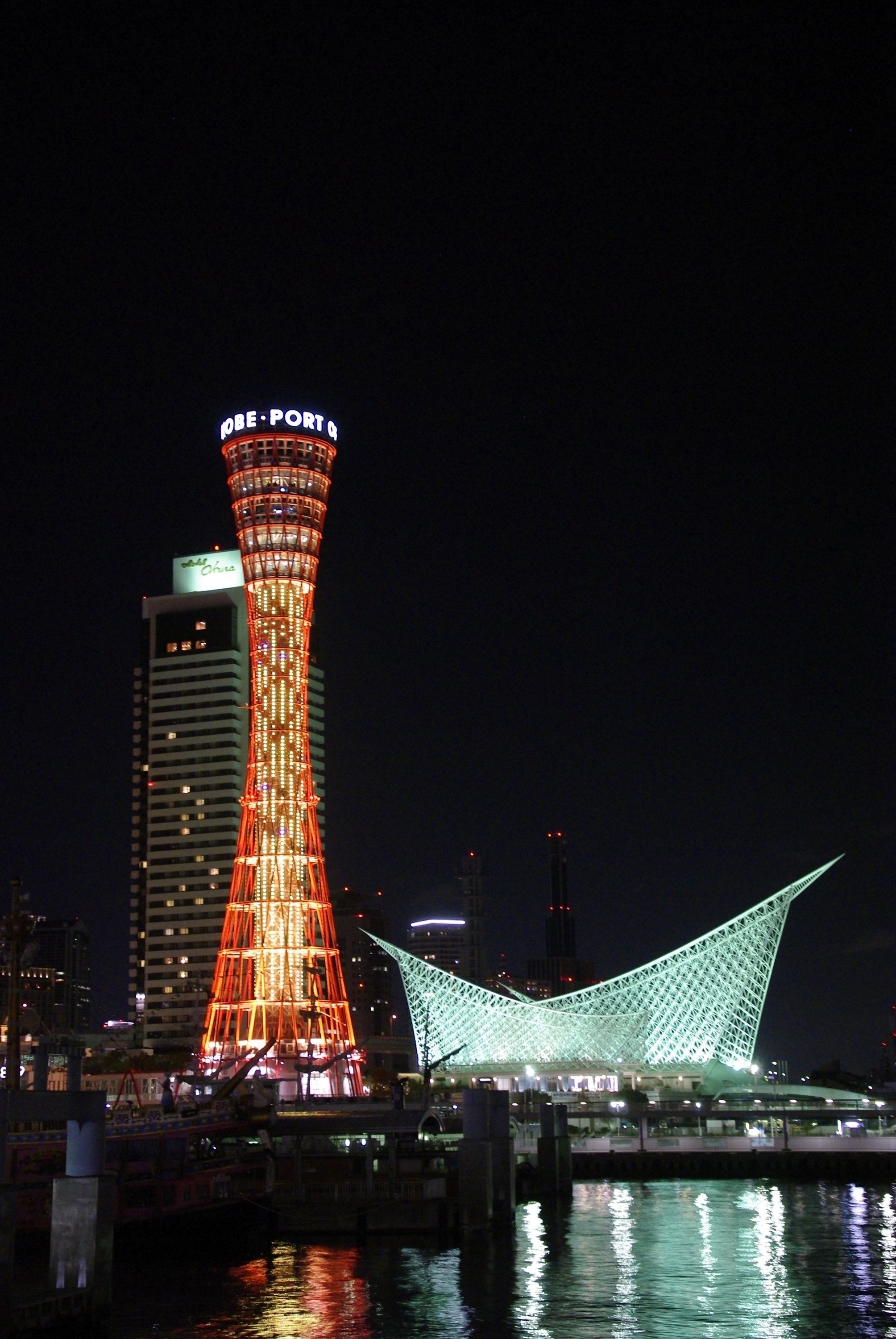
Kobe Port Tower is not a radio tower, but shall be mentioned here too. He opened in 1963 and is located in the Merikan-Park, an old harbour area of Kobe. The steel construction has a hyperbolic shape and resembles the Canton Tower in China a little bit. The tower is 108m high and has an obervation deck at 90,3m. The red steel is illuminated at nights and gives a nice constrast to the also illuminated roof of the aquarium next to it.

Tsutenkaku Tower (通天閣)
height 103m, observation deck at 84/87m; architect: Tachū Naitō; opened in 1956

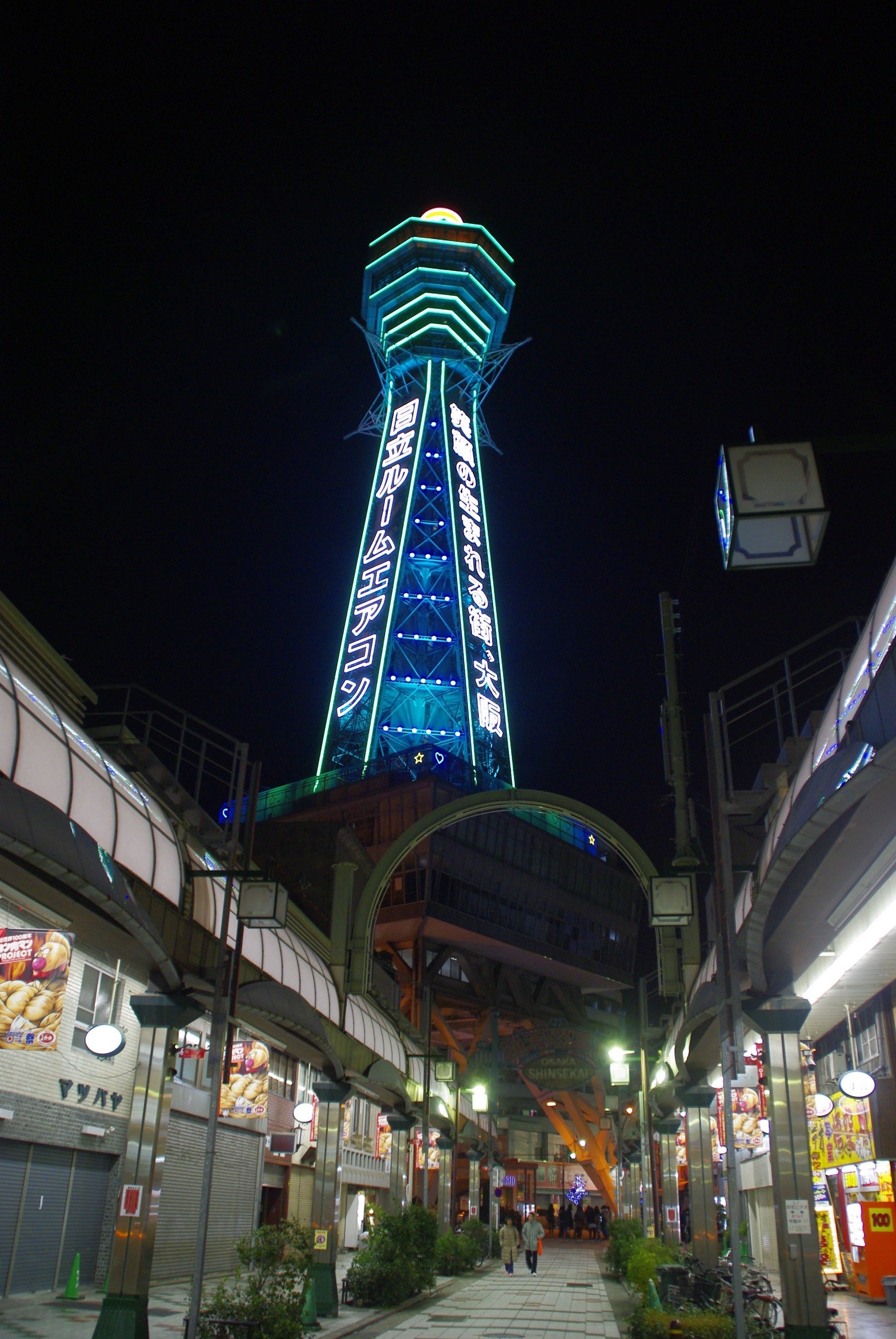
The tower is for sure and forever the landmark of Oosaka, no, of the whole Kansai area. No mange/anime playing in Oosaka without a reference to the Tsūtenkaku Tower. That by the way can be translated as „Heaven reaching tower“. He is located in Naniwa district close to the station Shin-Imamiya.

The current tower, opened in 1956, is the second tower of Oosaka. The first tower was opened in 1912 but burned down in 1943 and was demolished. This first tower really resembled the Eifffel Tower in Paris but was much smaller, and still the second highest building in Japan. You can say that this first tower is original and all other existing tower are only a copy. The second tower has a diffrent design. It has a eight edged ground shape and neon advertisement for Hitachi mounted to it. There are also two lights at the top that serve as a weather forecast. But the Tsutenkaku Tower has also something in common: the architect Tachū Naitō.

On the fifth floor Billiken is enshrined. This is a Goddess of Happiness or „things as they ought to be“ from Amerika(!). It is an import. I still don’t get this thing. But, Billiken seems to be a big number around the tower. Billiken is connected to Tsutenkaku Tower since the opening of the Luna Park in 1910. He got lost in 1923 when the park closed down. A copy was built in 1979 by old pictures.

[Small note on a personal matter: Tsutenkaku Tower is the only tower I ever visited the observation deck. This was on my first journey in 2004 … Added in 2012: I have to add the Sky Tree to this list. But this is a different story and I wouldn’t put the Sky Tree on to the list of the classical radio towers.]

deutscher Blogeintrag

typical japanese – Obsession „Eiffel Tower“

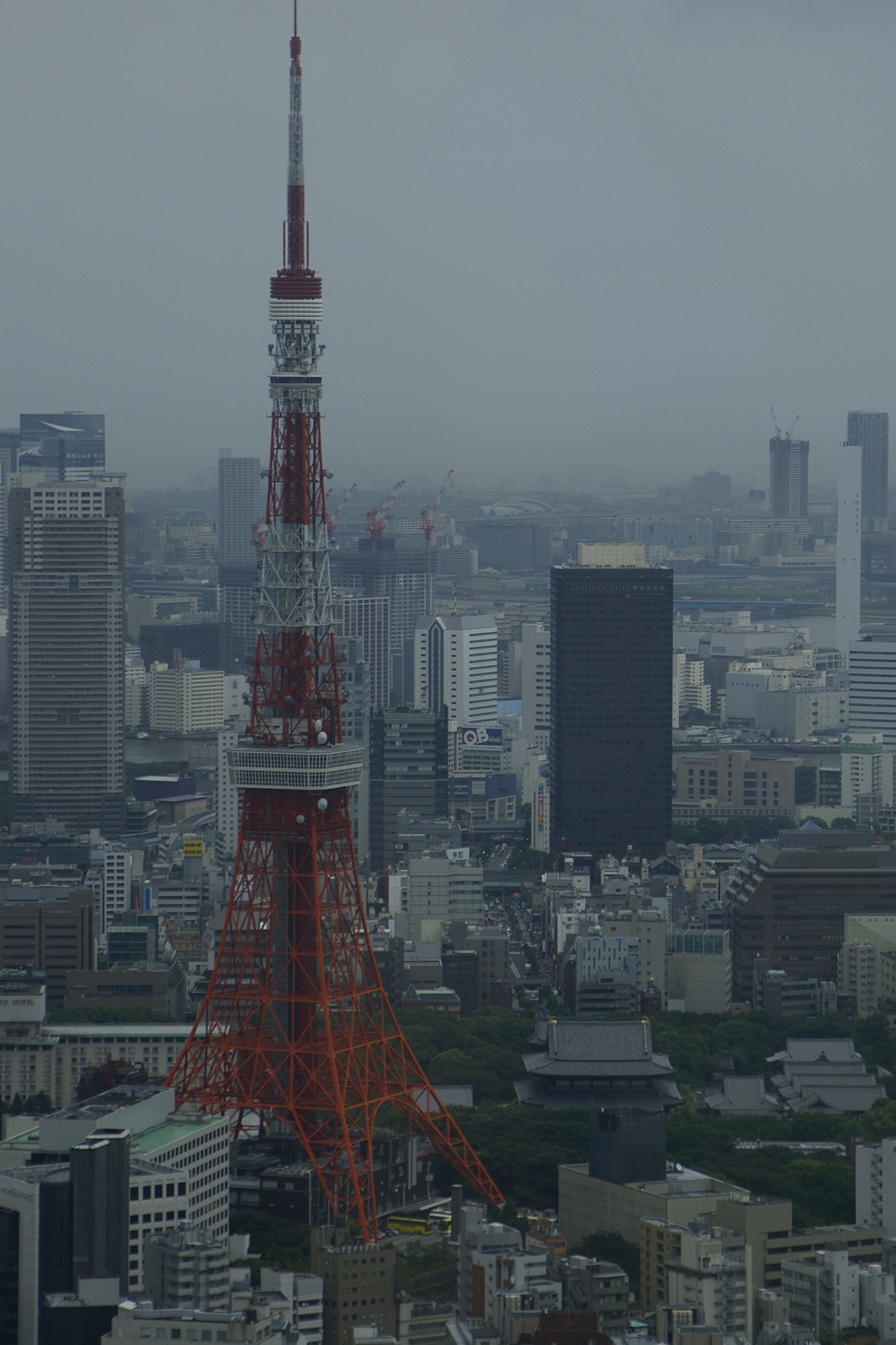
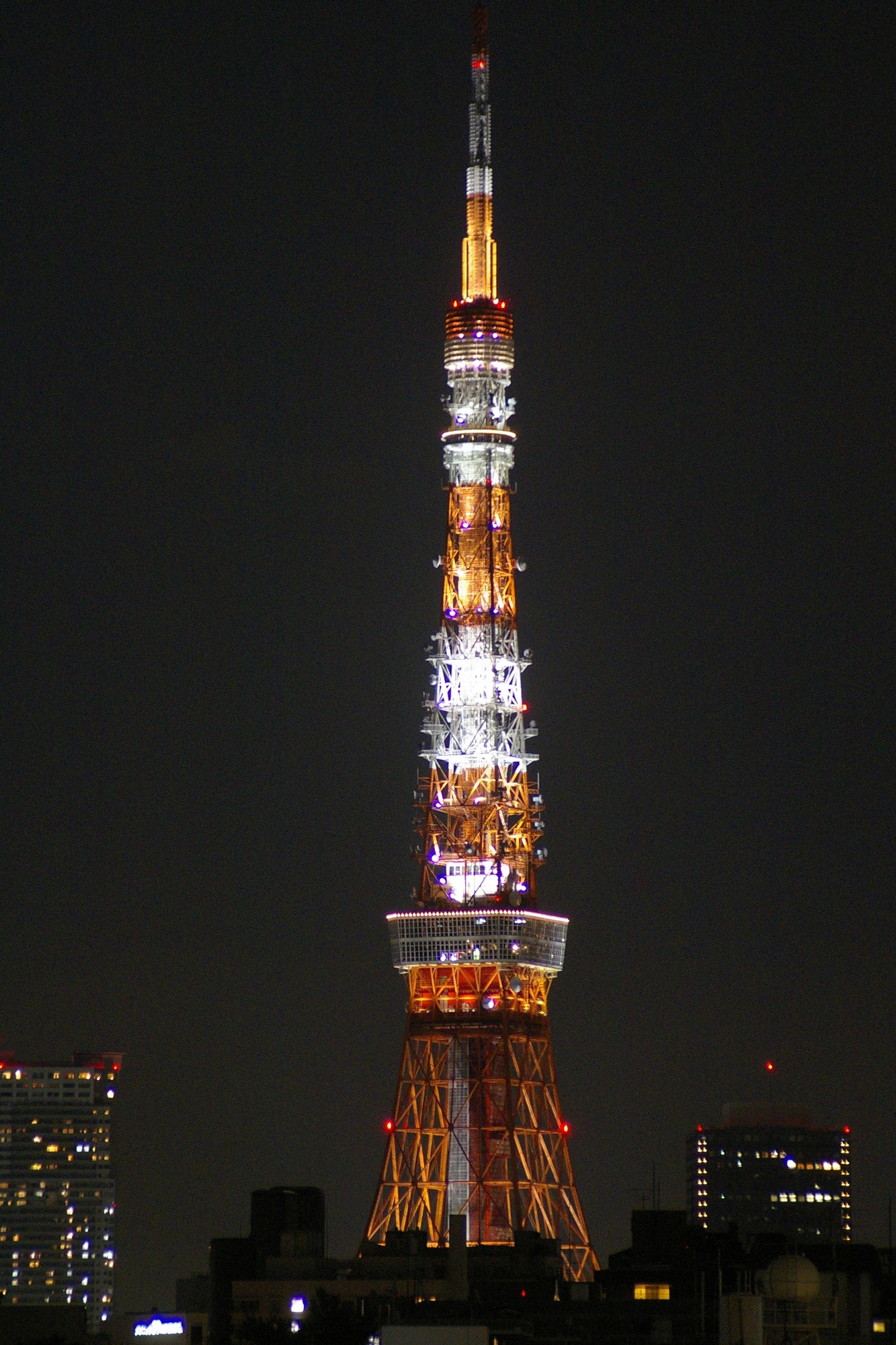
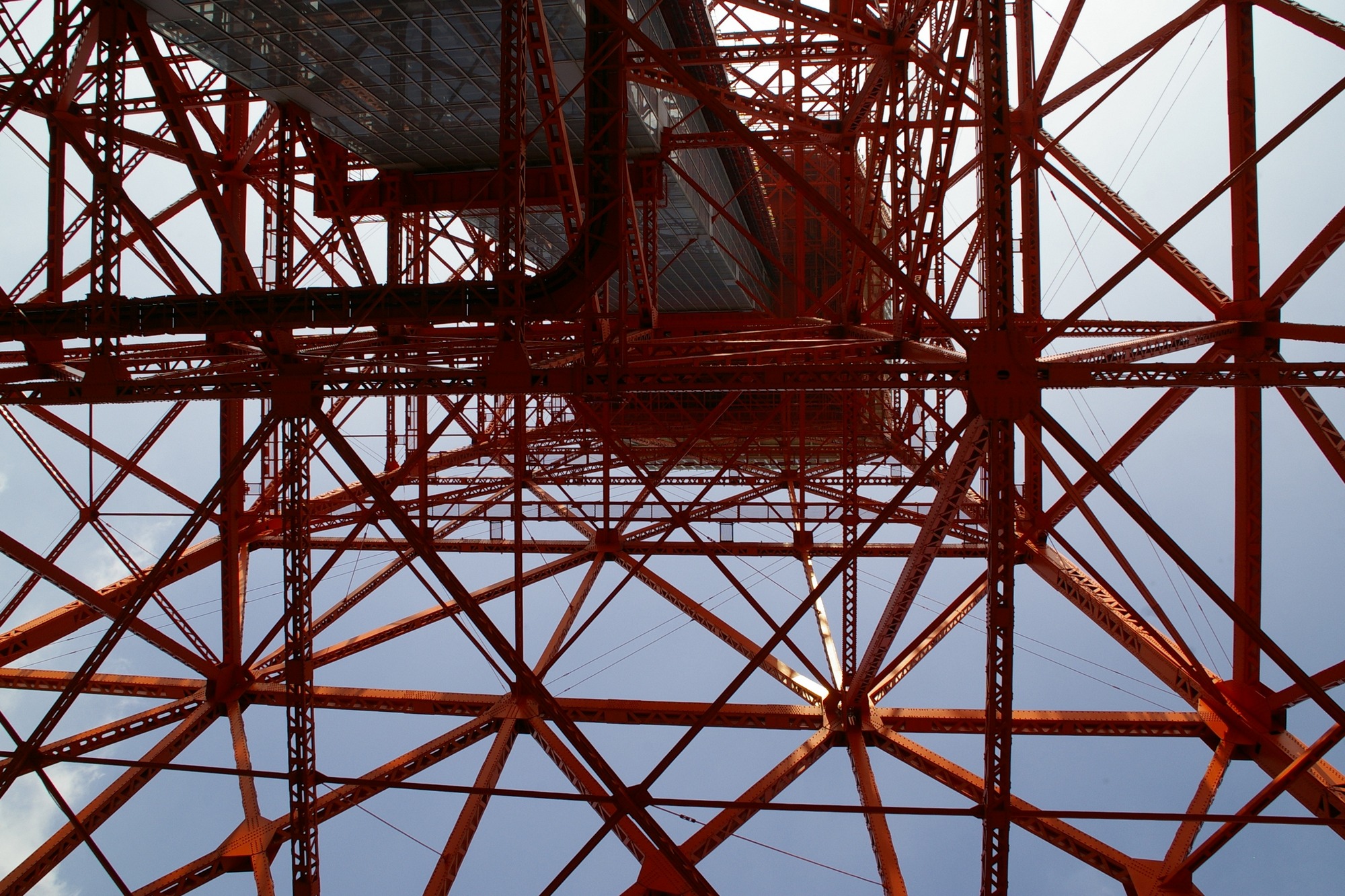
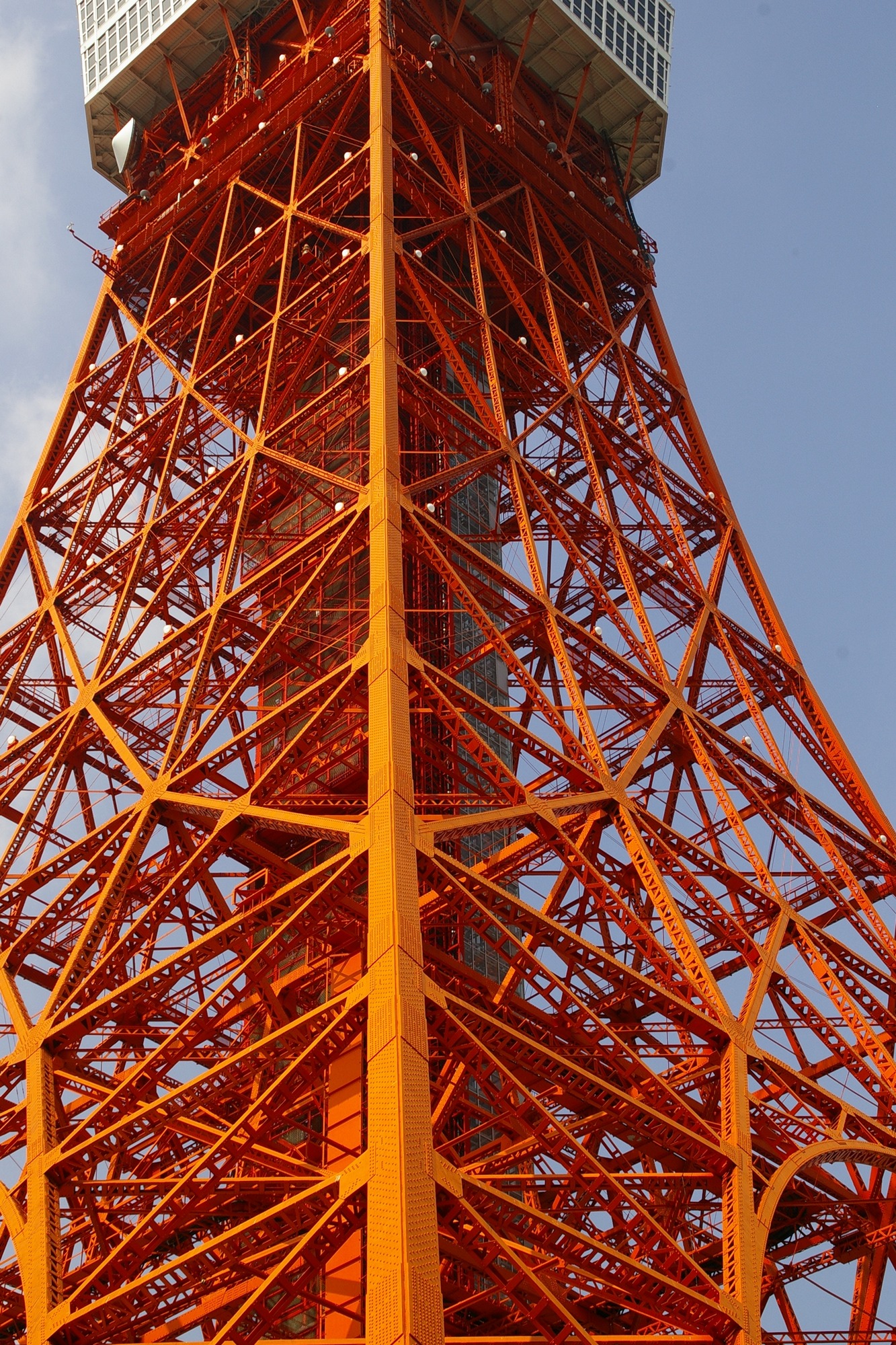
Siegmund would have it’s own explaination for the fact, that there is an Eiffel tower in every major city in Japan. You cannot imagine a big city without it. Radio towers are everywhere in Japan. But you cannot image a big japanese city without at least one special radio tower. This one will have a viewing platform and a shape like the Eiffel tower in Paris. The mother of all towers is Tower Tower, even if it was one of the last towers, that was built. Tokyo Tower is 333m high and it really lookes like the Eiffel Tower. But it is 9m higher and totally orange. It was built in 1958 and became the landmark of the city and still is the 3rd highest tower built of steel.

Tokyo Tower

height 332,6m, observation deck at 150m and 250m; architect: Tachū Naitō, opened 1958

He is one of the highest buildings in Tokyo and was the highest radio tower until 2012. At this year the Sky Tree with an height of 634m was opened. He has the potential to succed in beein the landmark of the whole city. It’s design is unique. He represents the Tokyo of the 21st century and will get it’s own blog entry.

Tokyo Tower is 9m higher than the original but only half the weight (4000 tons). But why built it out of steel and not concrete. In the 50ies they decided for steel because it is more stable in the fact of an earthquake. If you use steel it is obvious to decide for a similar shape like the Eiffel tower, that became the blue print for steel towers.

The family

Tokyo Tower is only one of several towers built in the 50ies. Tokyo Tower is just the biggest one. Here is family (the part of it I already visited). You can see the similarity. They were all designed by the architect Tachū Naitō and have a viewing platform.

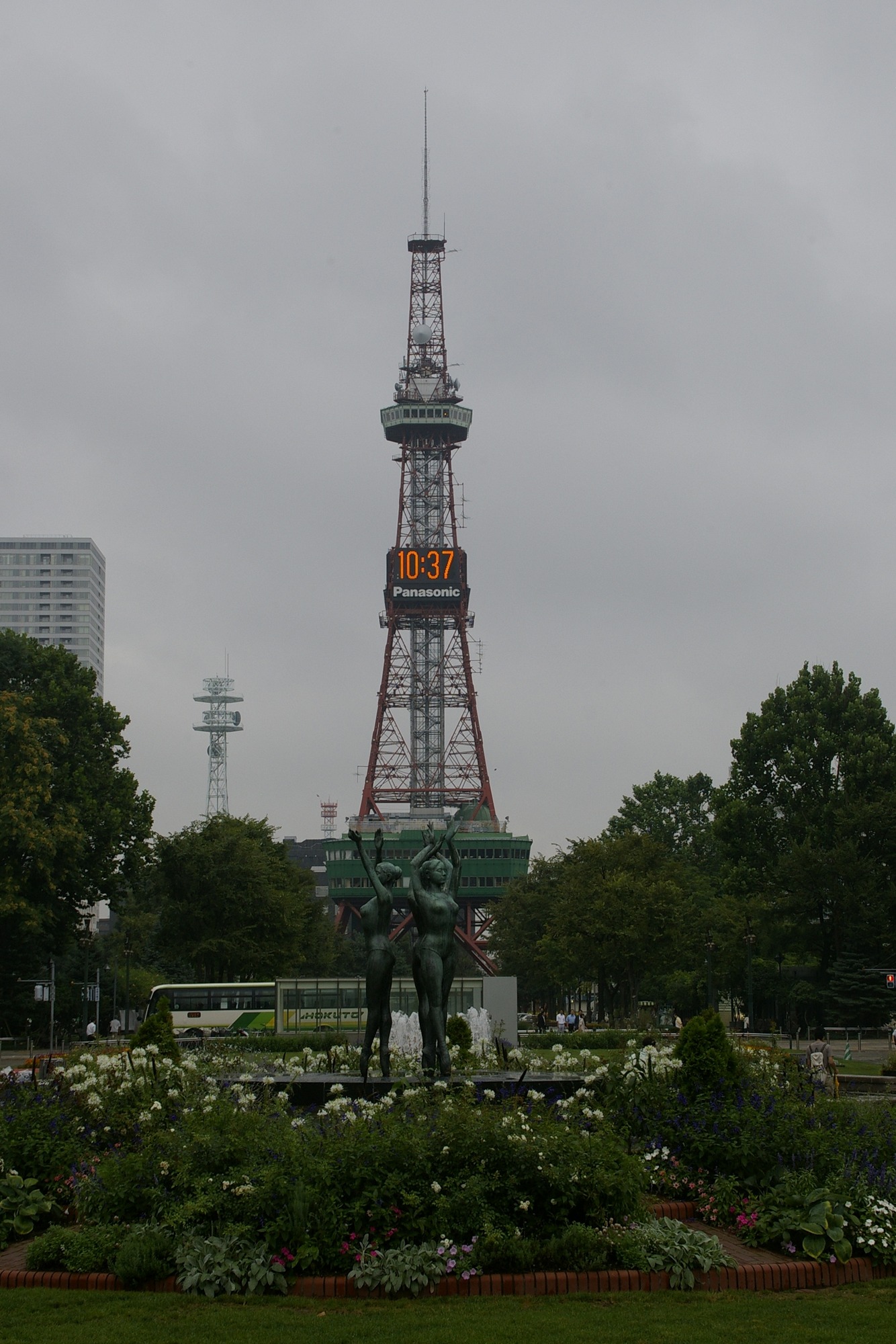
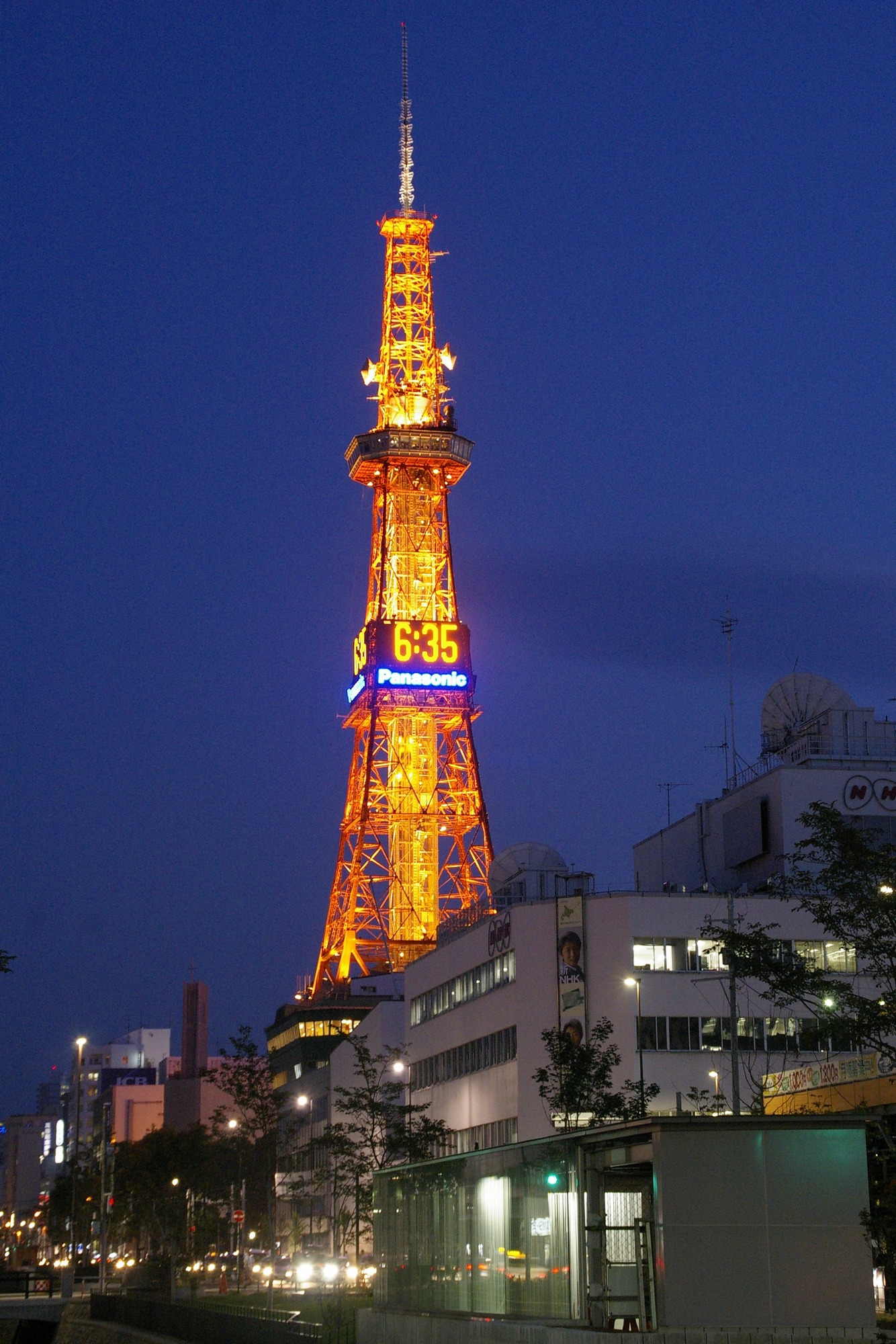
Sapporo TV Tower (さっぽろテレビ塔)
height 147,2m, observation deck at 90.4m; architect: Tachū Naitō, opened in 1957

Sapporo Toweri is older than Tokyo Tower. He is like the older brother. The reason was the time to built up Tokyo Tower. It just took so long. He has two observation decks. The lower one at 90,4m is a big souvenir shop with windows. In 1961 they mounted a digital watch. Saporro Tower is located in the Odori-Park, that is the origin of the street coordintes in Saporro (the streets in Saporro are numbered in East, West, South, North). At night the tower is illuminated in orange, like the big brother in Tokyo.

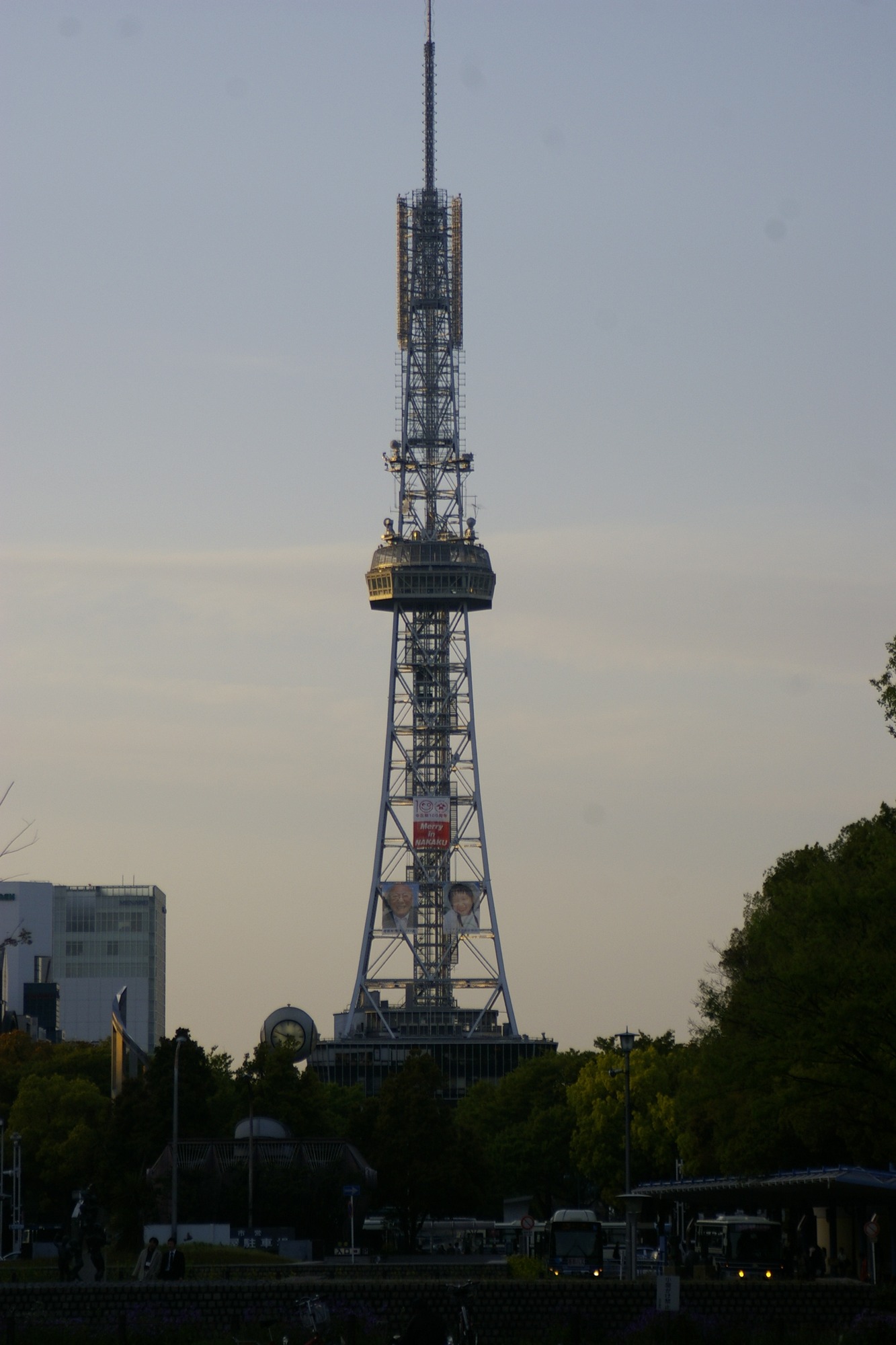
Nagoya TV Tower (名古屋テレビ塔)
height 180m, observation deck at 90m and 100m; architect: Tachū Naitō, opened in 1954

It is the oldest radio tower in Japan that has the shape of the Eiffel Tower and is also designed by Tachu Naito. It’s height is 180m and the observation deck is at 90m. The specialty is a free deck at 100m (roof of the viewing platform), called Sky Balcony. You can take the stairway (310 steps), if you want. There are restaurants and souvenir shops at the 30m level. The tower is located in the city center of Nagoya in the Hisaya Odori Park.

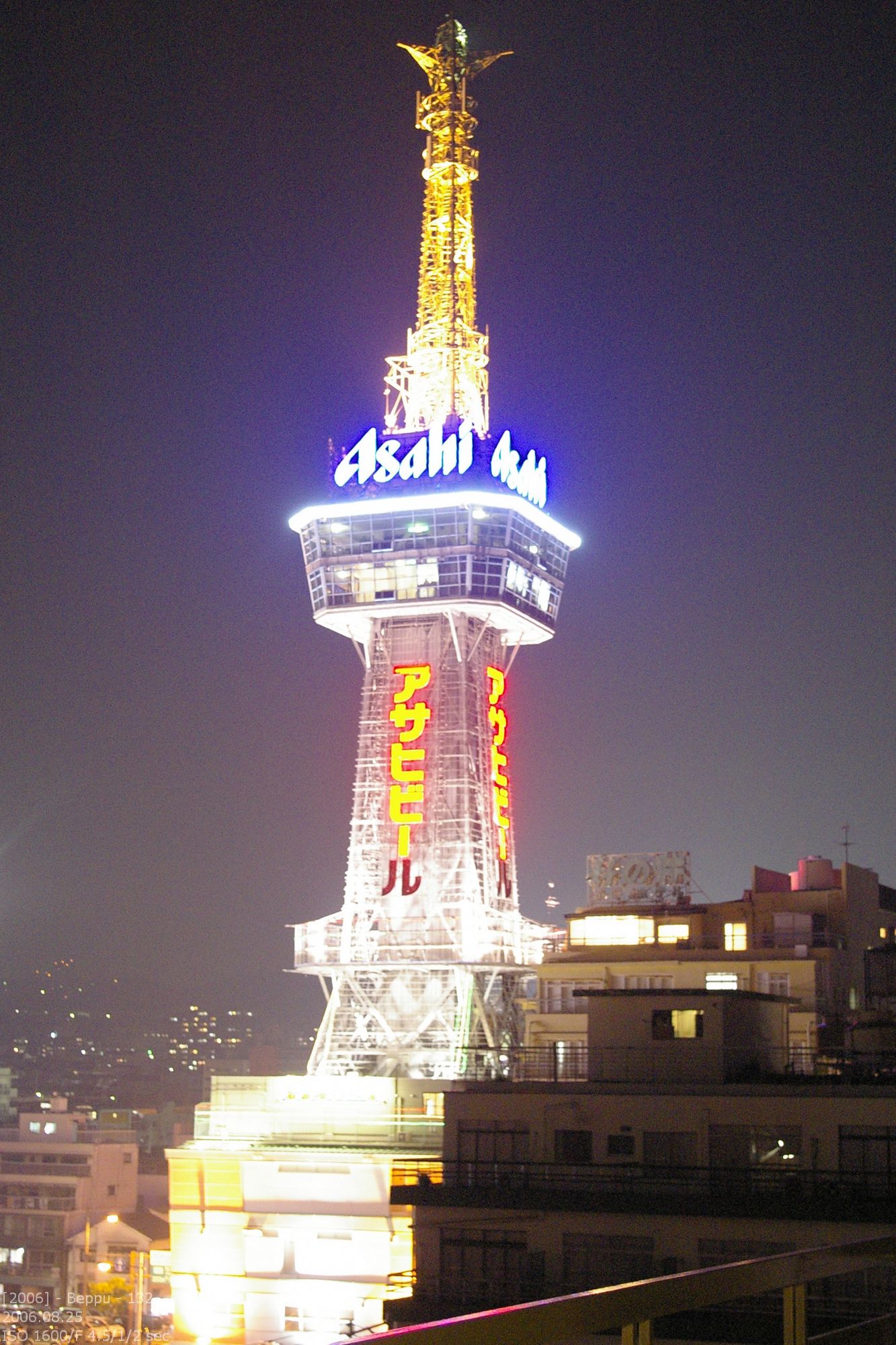
Beppu Tower (別府タワー)
height 100m, observation deck at 55m; opened on May 10, 1957

Beppu also has a tower, a tiny one. It was built at the same time as Tokyo Tower. The foundation of this tower is concrete building. He was built on the roof. It is very close to the tiny beach of Beppu on the east side of the main road that leads from the train station to the water line.

deutscher Blogeintrag

typical japanese – Koban (the japanese TARDIS)

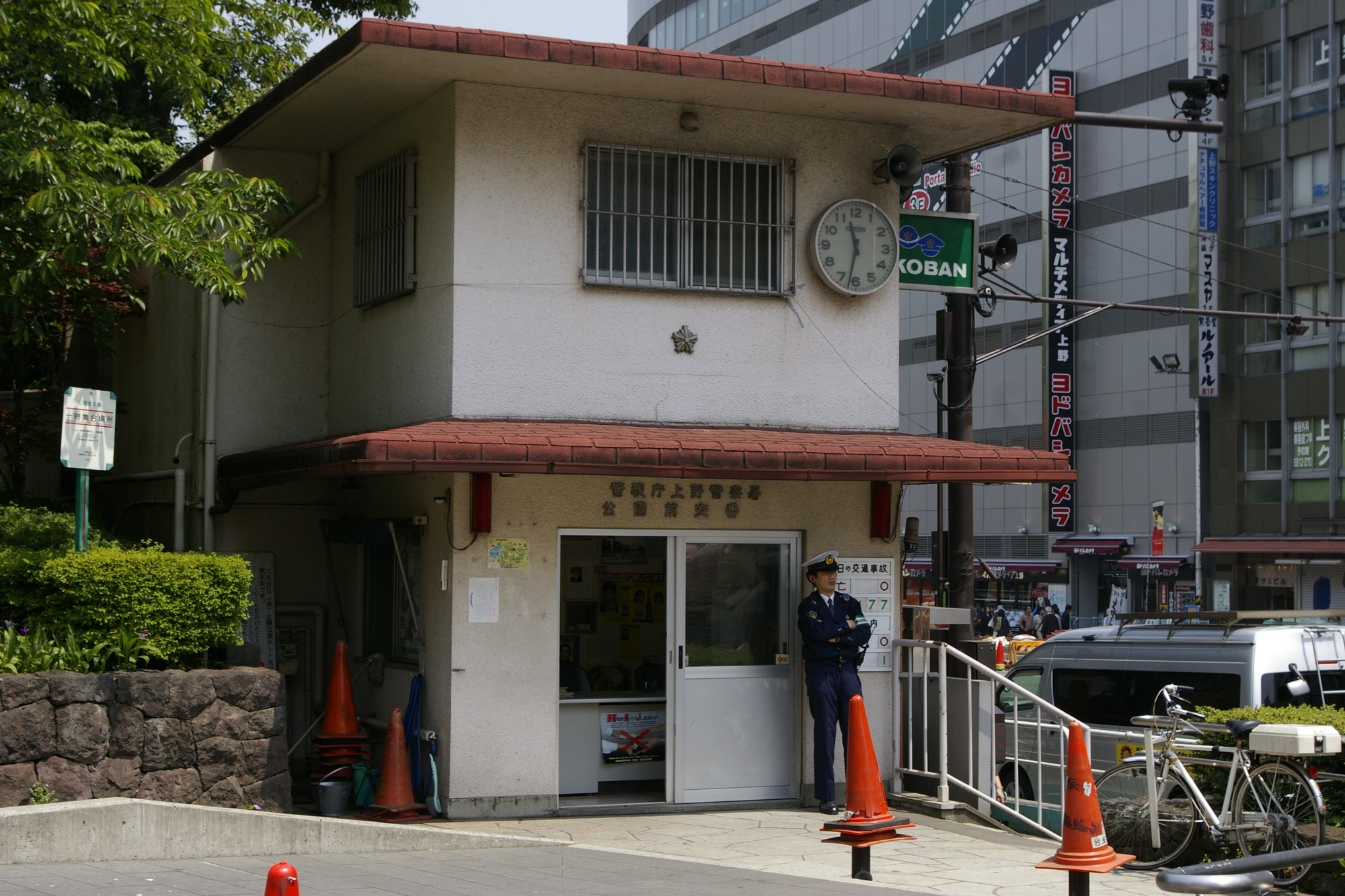
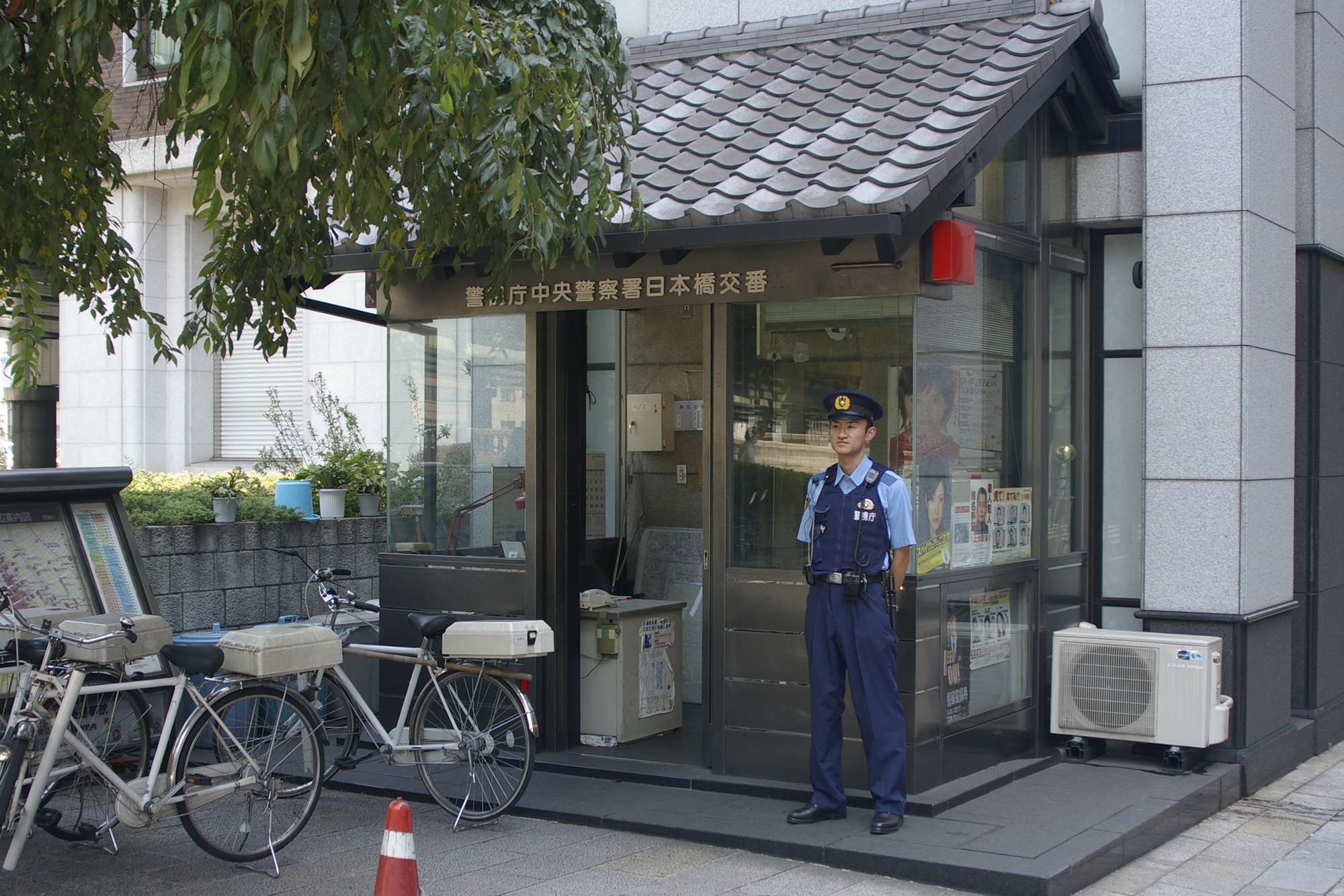
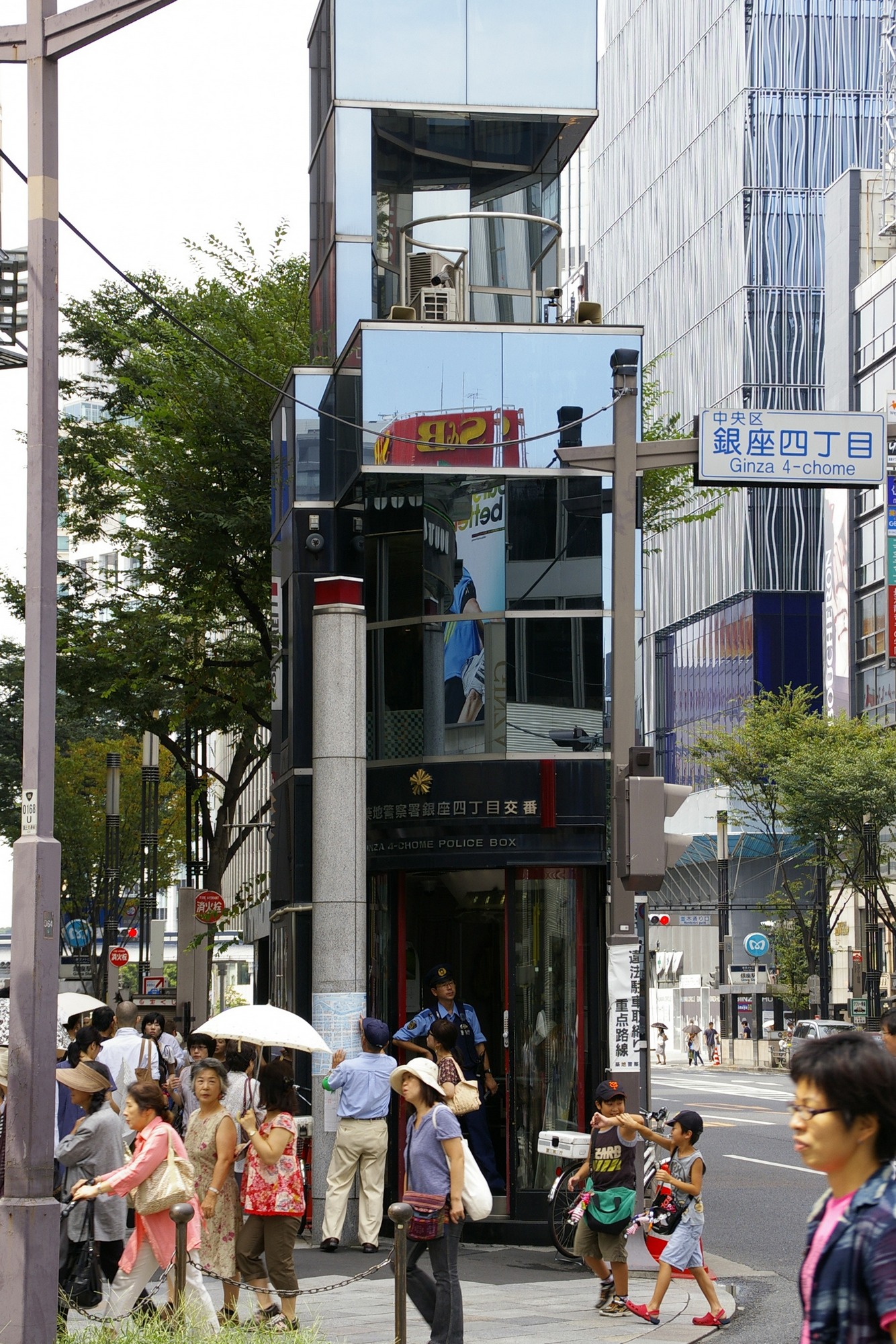
Koban, with a long o, is a police box; a tiny police station with usually one or two officers. The boxes are a big benefit for tourists. They are everywhere. Every block has a least one. Because there are no house number (and if there are, there is no logical order), the koban is possibly the only place where you can get help to find the house you are looking for. Sometimes there are street maps that will help you. Finding a koban is easier.

Koban in Ueno

Koban are also helpful if you got yourself lost in Tokyo. The description of the way back to the hotel always is to complex for my knowledge of Japanese. I tried it and gave up. Therefore it was easiert to ask for the next koban on the way. Then I asked the next koban for the next koban, and so on. Usually there is a koban every quarter mile.

Finding a koban

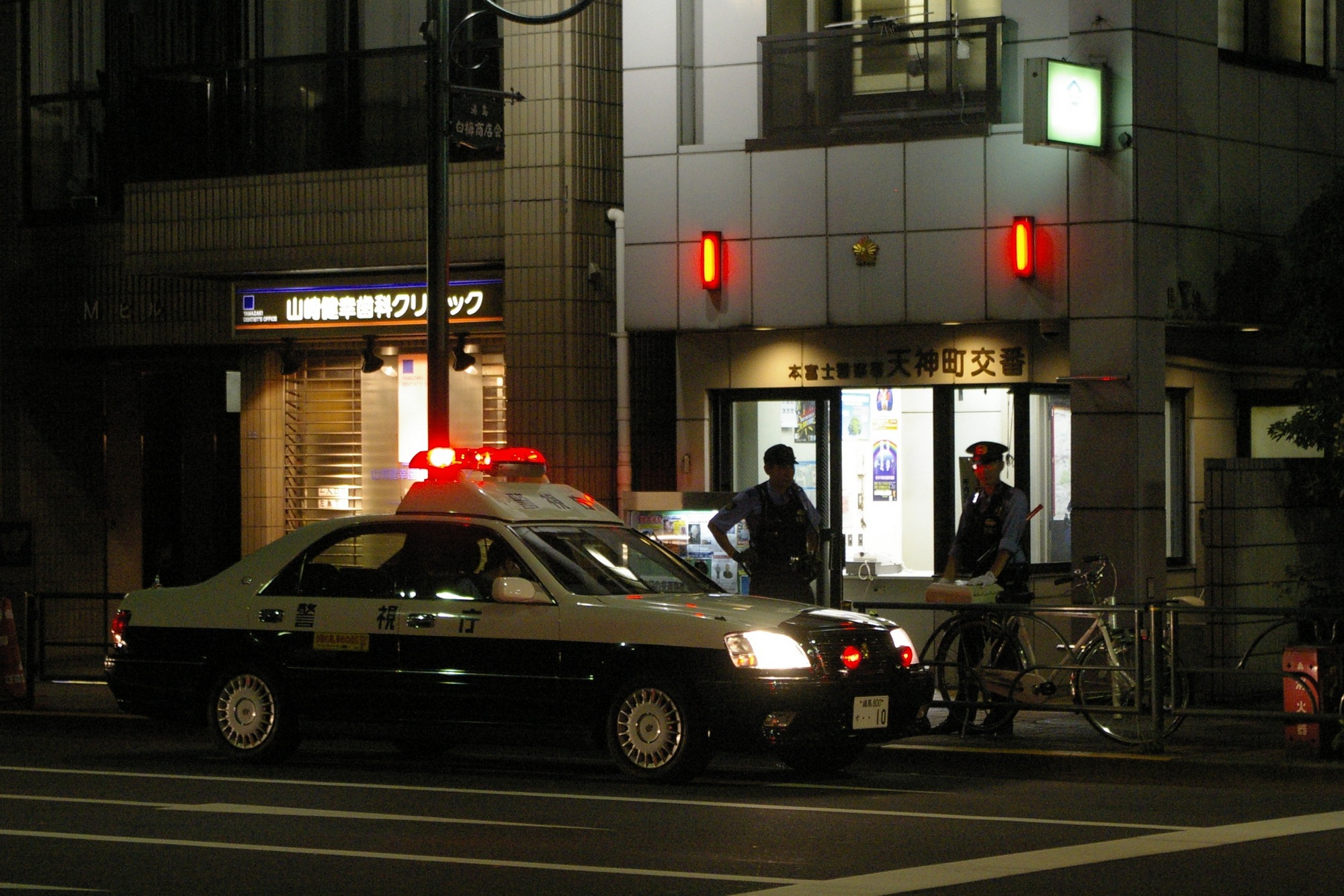
A koban is easy to find. At night there are two red lights. Ok, at daylight it is a little more difficult. Usually there is a police officer standing in front of the koban. Looking for an American cop? Donut shop. Looking for a German Cop? Döner Shop. Looking for a Japanese Cop? Standing in front of a koban. Typically Japanese. Often you can also see the white bicylces.

The frog

Some koban are really well camouflaged. The one in Taito had a big japanese police stick mounted on the wall. It more looked like a souvenir shop. On Ginza the koban was some kind of an attraction. There was a big plastic frog on the roof. (The frog was gone 2010.) Because police boxes are everywhere, they are also the aim of architects., like this one in Ueno park.

More about this topic, if I have more pictures and informations.

deutscher Blogeintrag