Archiv der Kategorie: 東京

Keine Region im eigentlichen Sinne. Tokyo gehört zu Kanto. Ich bezeichne also Tokyo aber gerne das Areal, das man schnell mit dem Zug von Ueno/Tokyo erreichen kann. Über „Was ist Tokyo?“ läßt sich streiten. Genau genommen ist es nur das Gebiet am Kaiserpalast. Die Präfektur ist ein weiter gefaßtes Tokyo. Das Ballungsgebiet Tokyo ist wiederum großer als die Präfektur. Bei mir fallen auch Yokohama und Chiba in die „Region Tokyo“. Kamakura und Hakone sind hingegen Kanto.

Dezome Shiki

There is no report from yesterday, because nothing happened. It sat in busses and trains all the day, or I waited at stations. And all why I enjoyed the onsen after breakfast until 11am and therefore missed the only good connection to Tokyo. At the museum at the Kusatsu bus station I learn something about this place: The water here has a ph level of 2.4. Wow. That is acid. A steel nail dissolves within 18 days, completely. Even concrete is getting erode within days.  There are over 100 springs that produces 9.800 gallon/minute of water. The heat power is 1700 million calories per hour. And the european doctor who studied the medical effects of the water was from Germany, from Bietigheim-Bissingen. There is the connection. By the way … I met the the girl from the Izakaya in the train. That wasn’t planned at all. She is also going to Tokyo. But she already had plans for the evening. So I spent the the end of the day in Ueno.
Parade

TODAY is the Dezome Shiki. The alarm clock goes off at 7am. Subway at 7:30am. I arrive Tokyo Big Sight at 8:25am. Wow. I took me one hour. Are run thru the hallways. I ask for direction and mention that I have an invitation. The answer: „You are Mr. Boller from Germany? Welcome.“. This I didn’t expected. My seat is on the western side of the VIP area. The third row from the top. I have a perfect view. Next to me are sitting some guy from the austrian embassy and on the other side the chief of the special forces of the Hong Kong police.

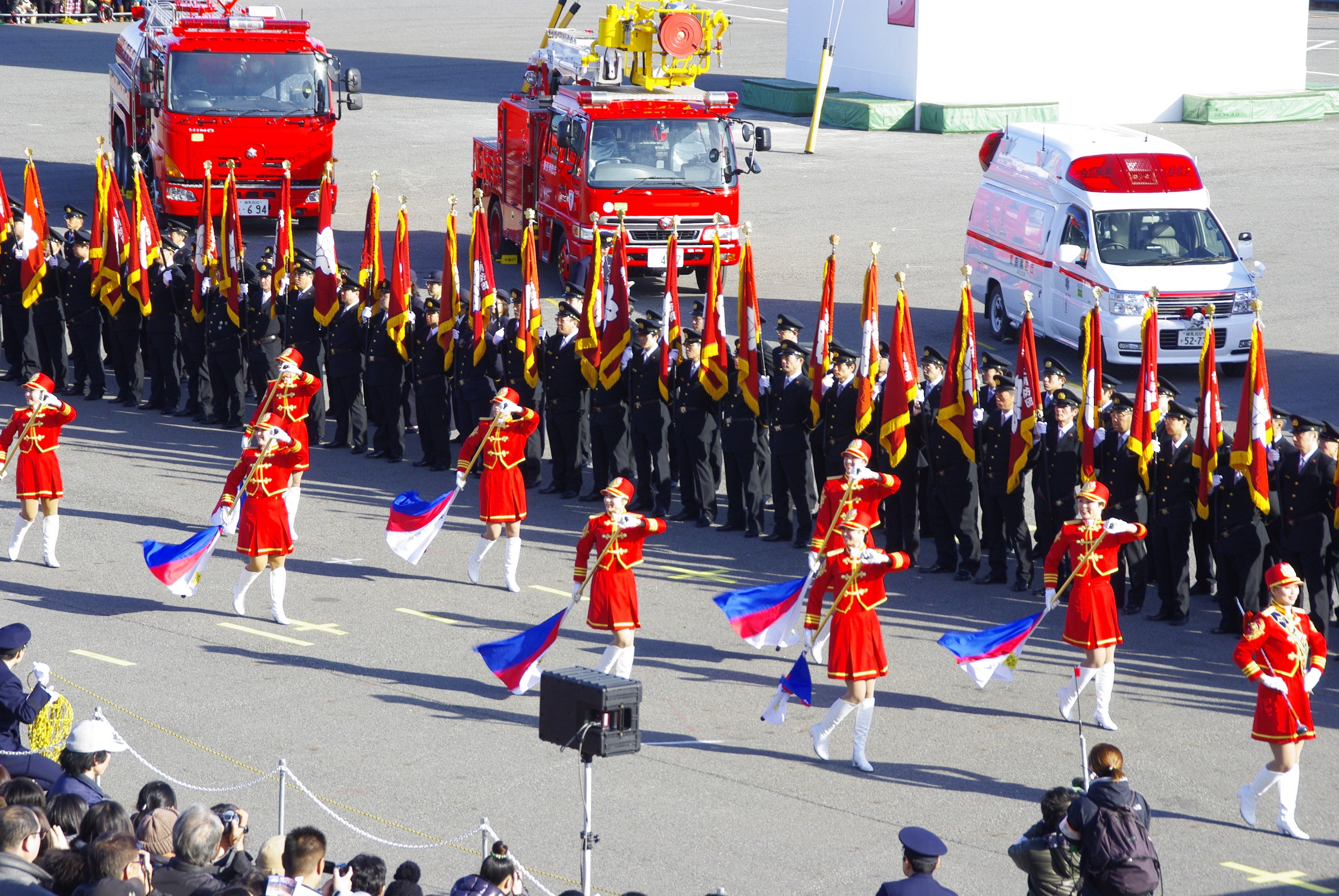
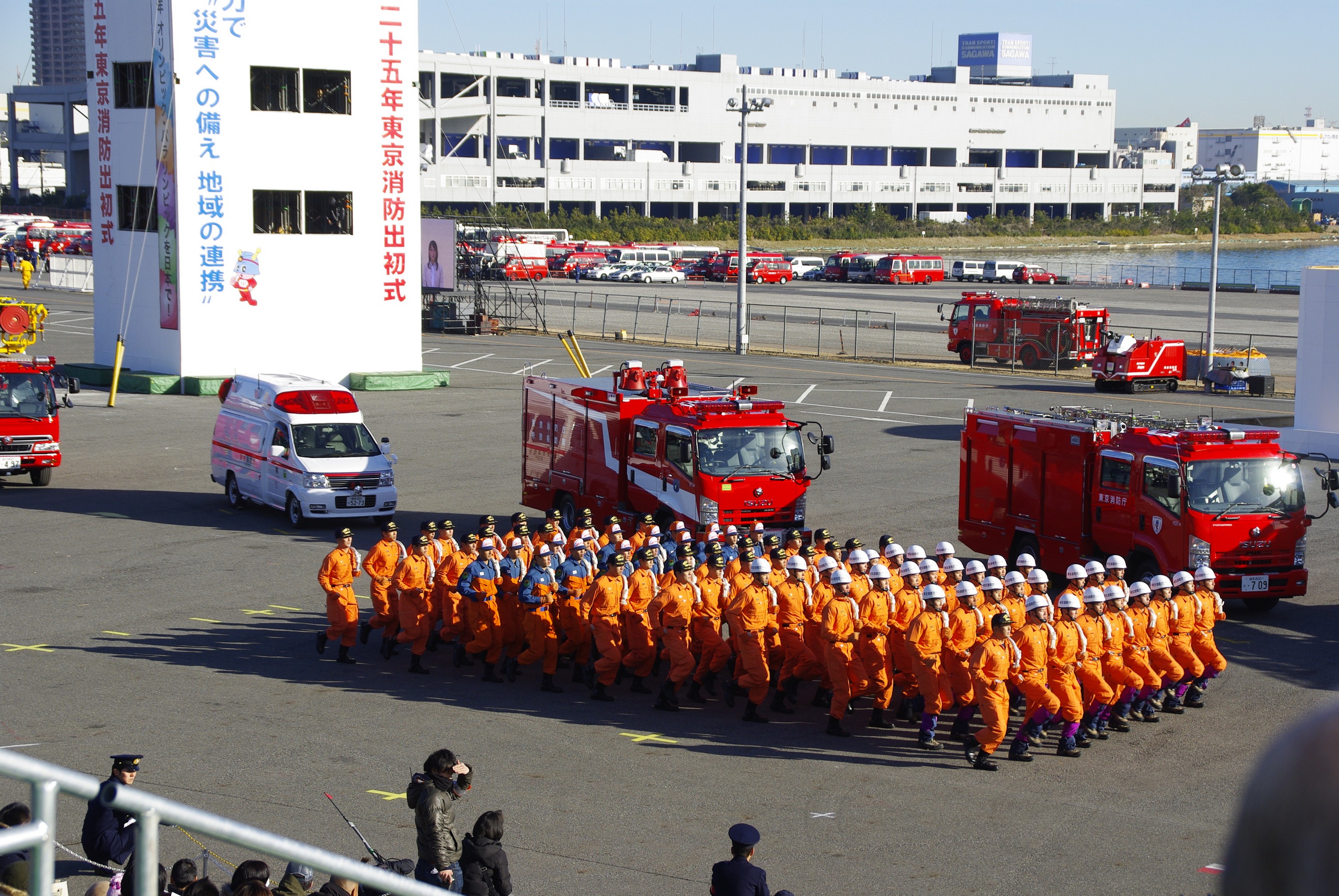
The official part begins. Greetings and and some standard talk. Now the vize prime minister of Japan is talking. The flag is hoisted, the national anthem is played. The cadets of the fire fighter academy are marching in perfect formation. IMpressive but a little bit to much military style for a fire department. The speaker (I have a head set with an english translation) says, that marching is trained to raise team spirit and learn to act as a unit. ok.
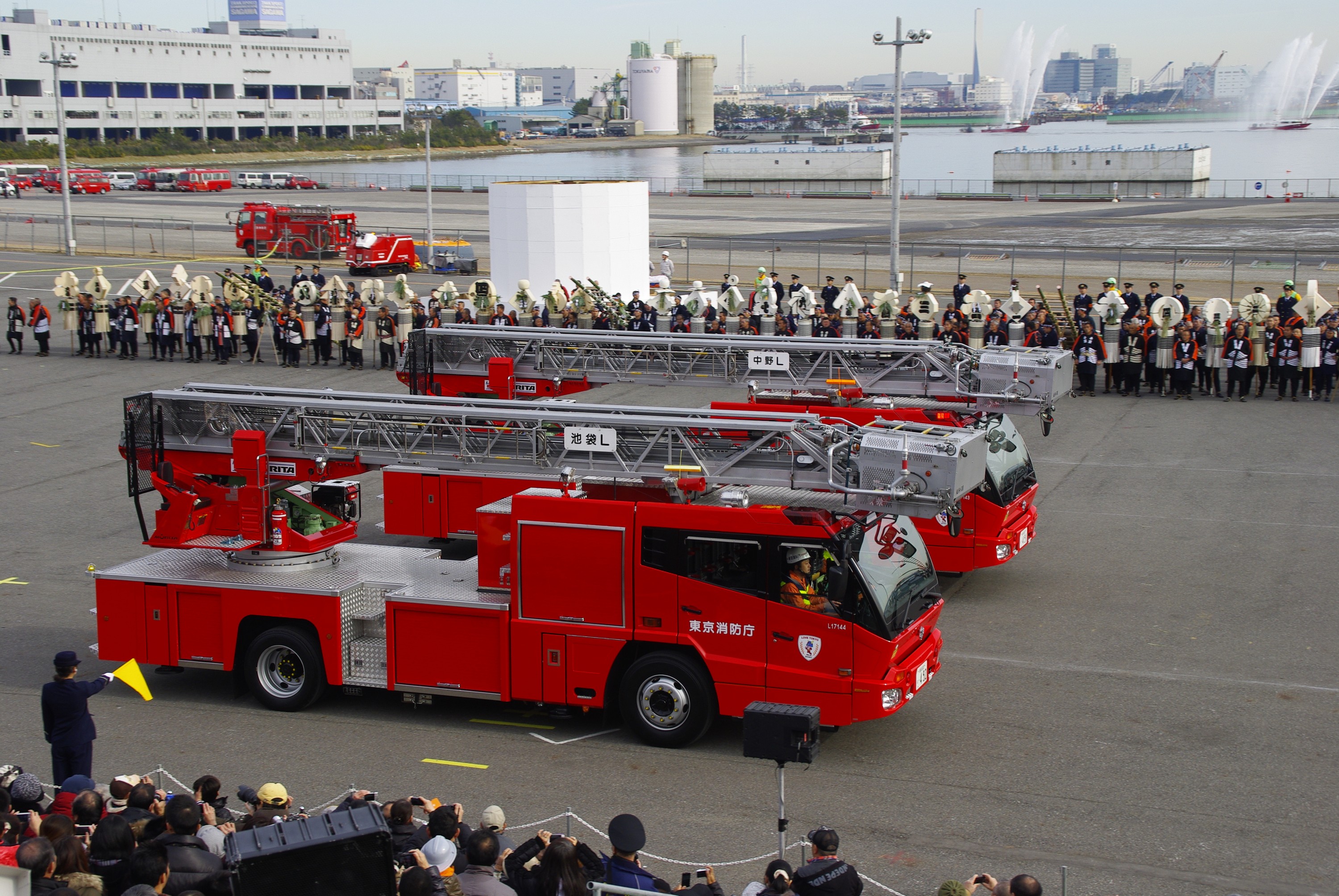
Fahrzeugparade

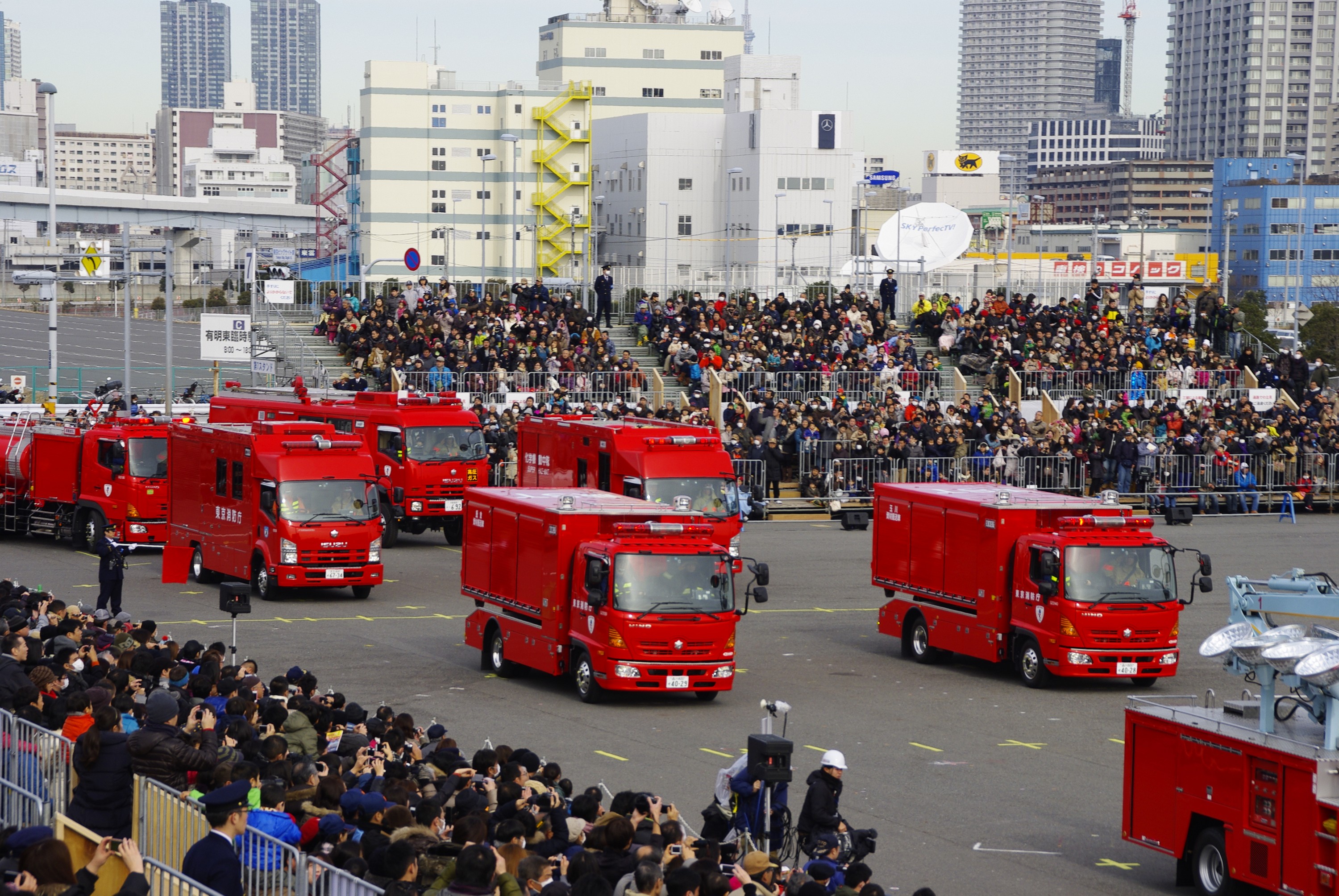
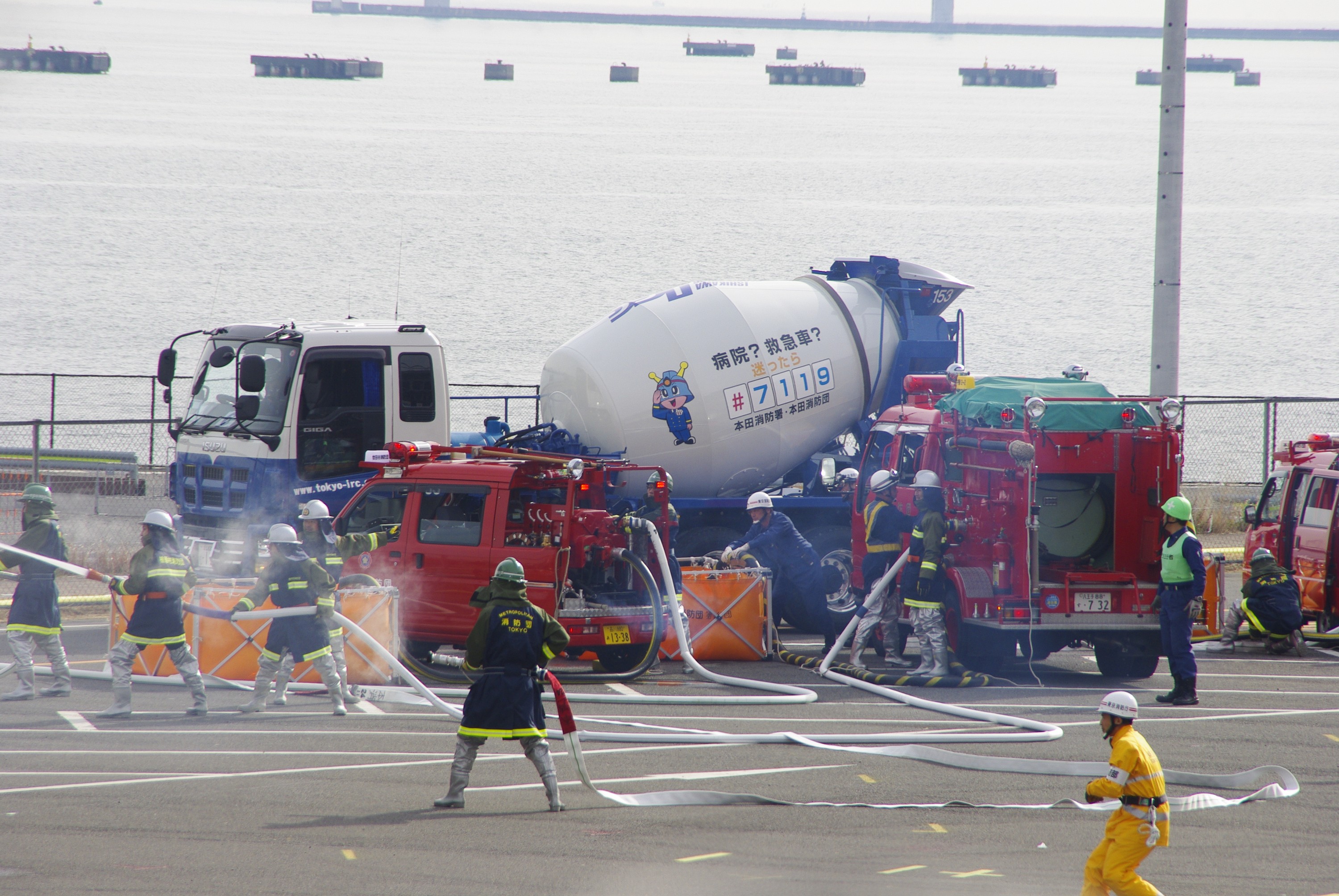
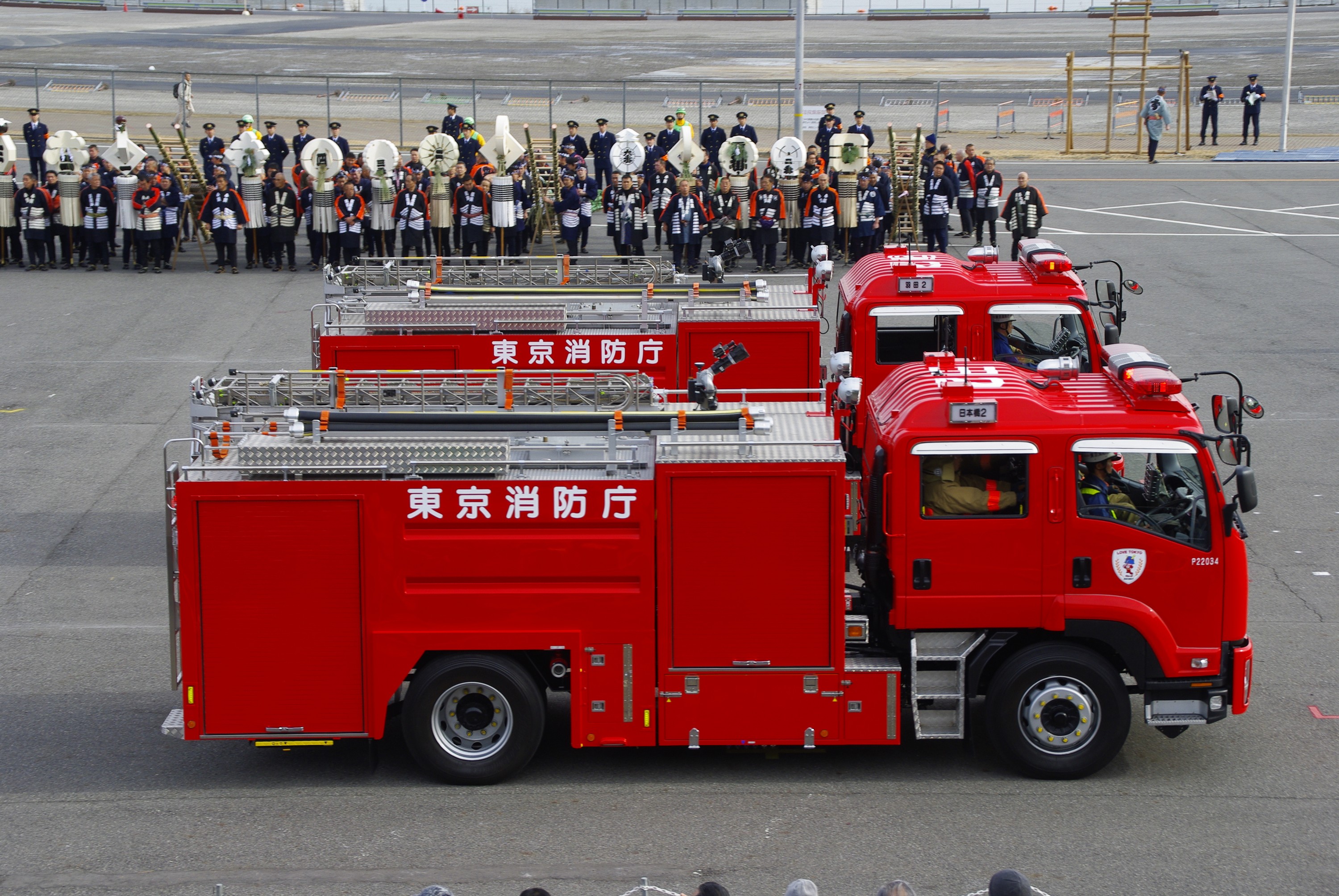
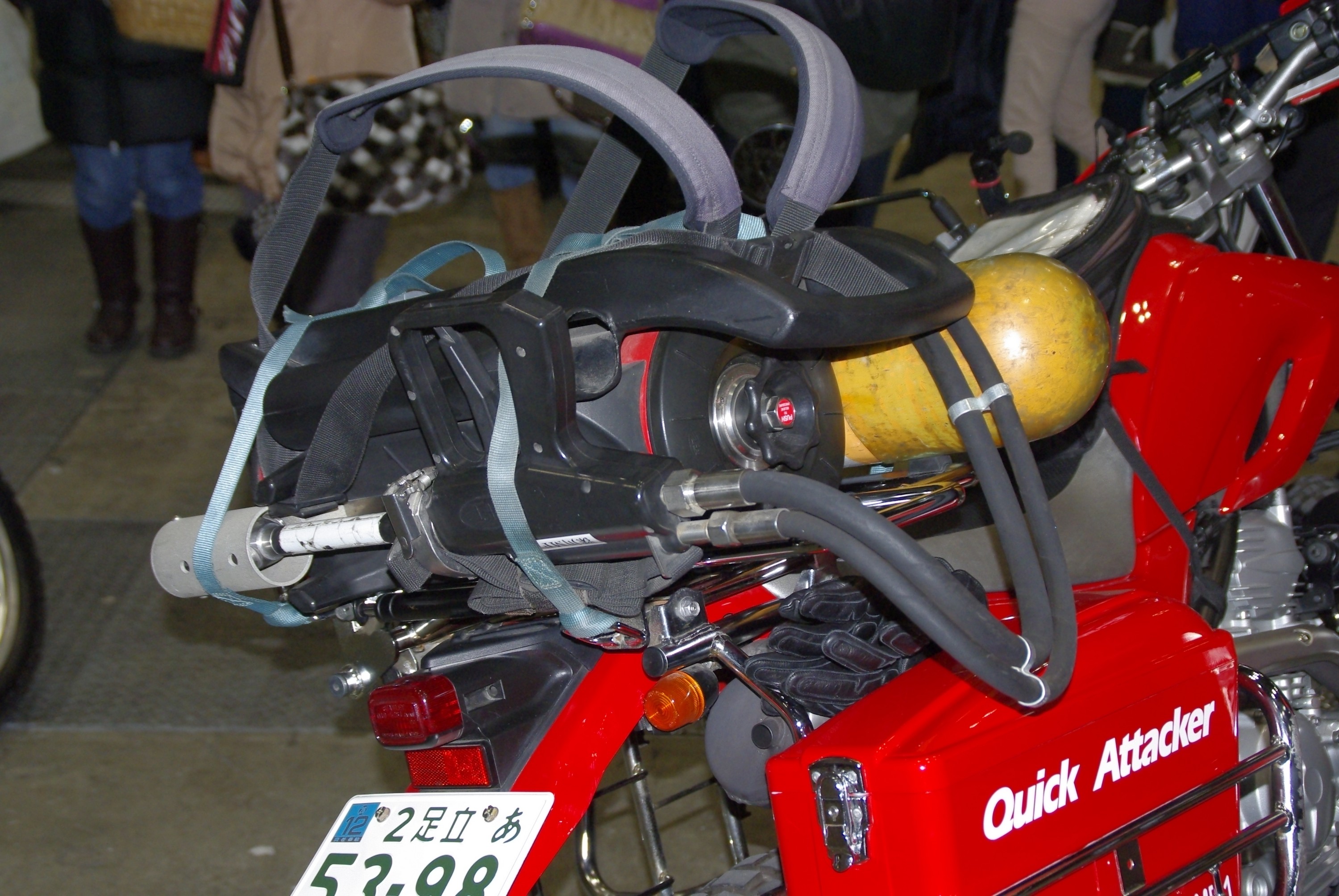
Sveral different units are marching by. Then the parade of the fire trucks starts. They really have some cute little cars and also big high tech trucks. Maybe I write more details in a different blog. Just this: They have a „Super Pumper“ that provides easily 1000 gallons/minute by using 6″ hoses.

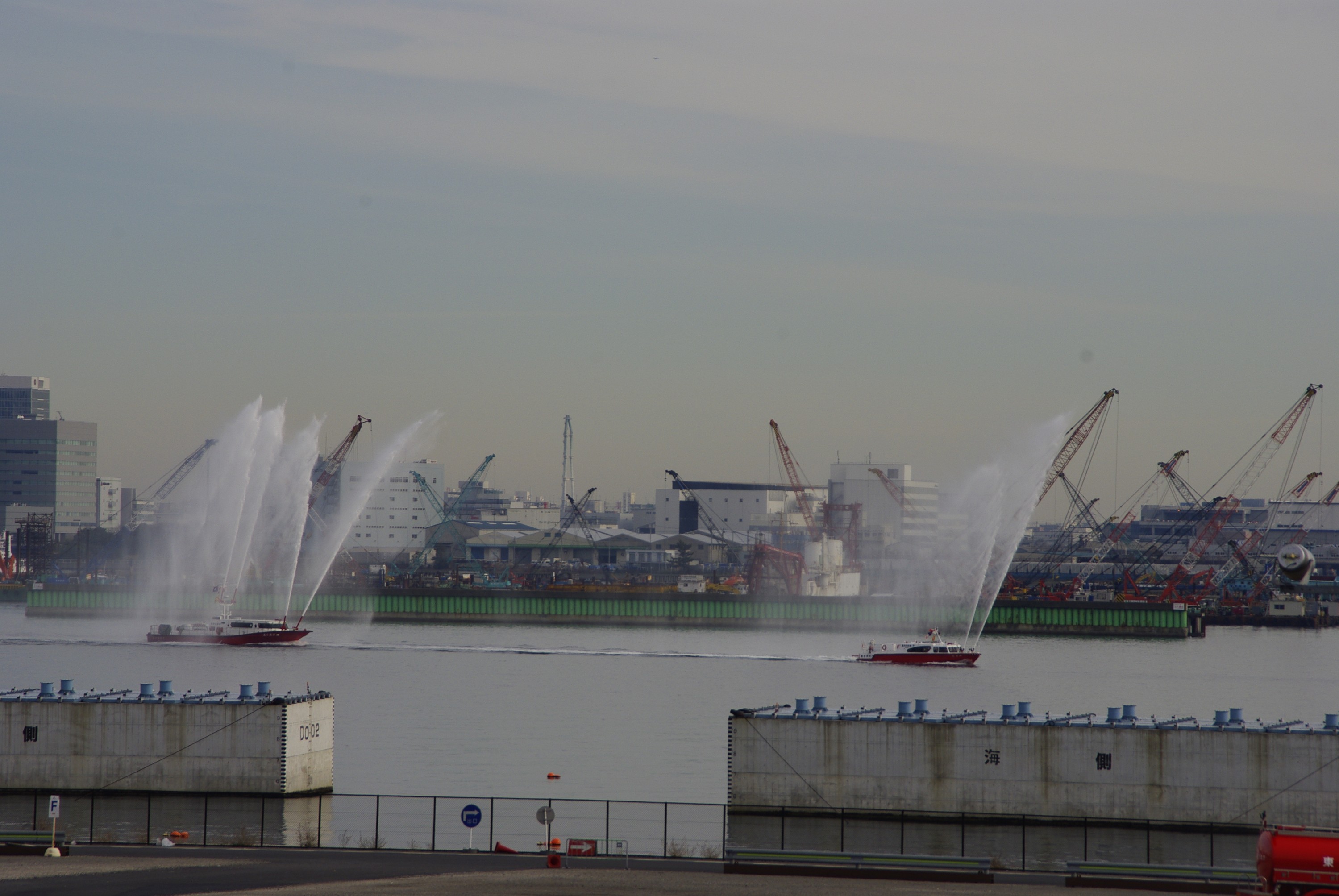
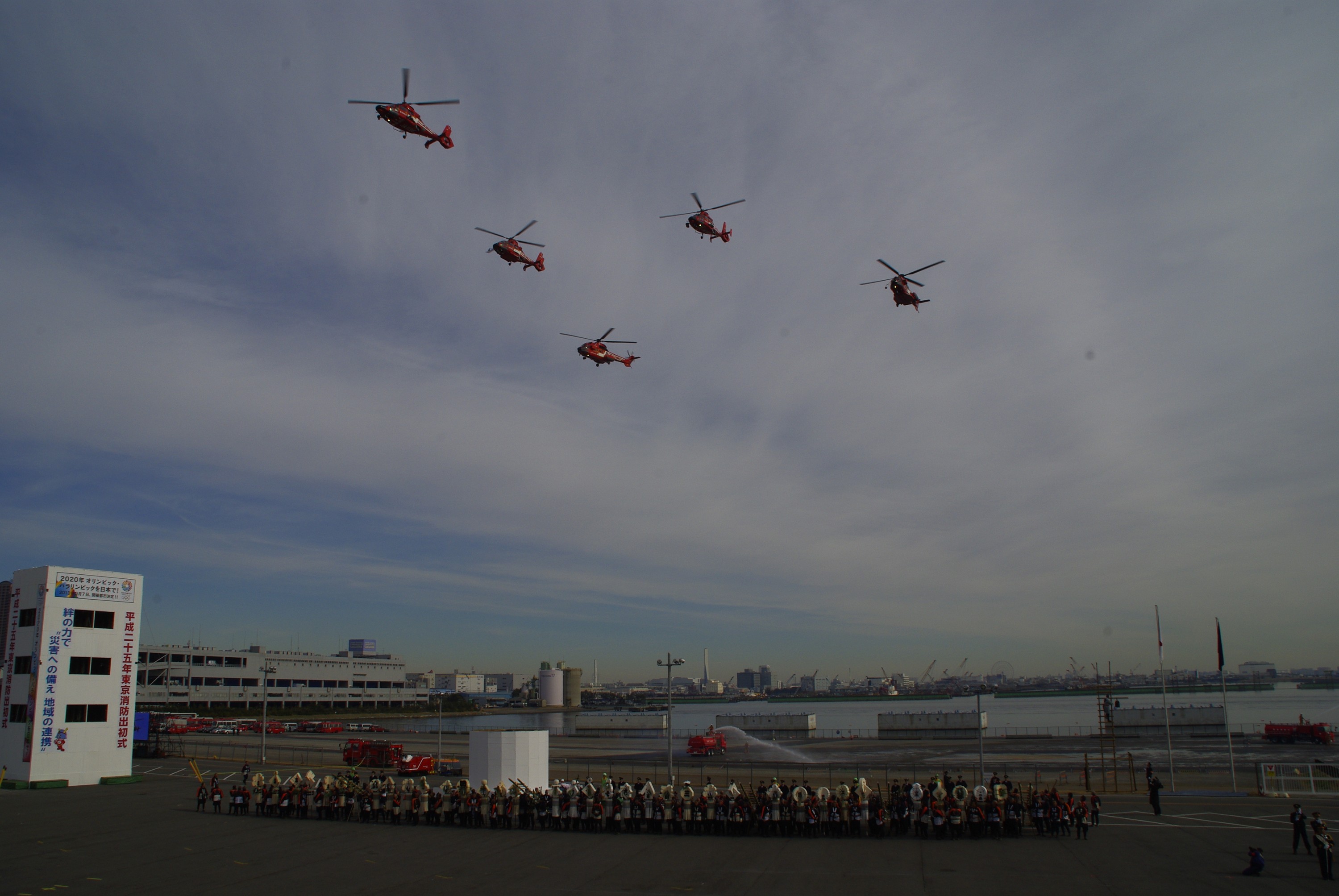
In the backgroud the fire fighter boats are going into their position and start to produce big fountains of water. 5 helicopter are approaching in formation and flying deep over our heads. This is an every-goes-show.

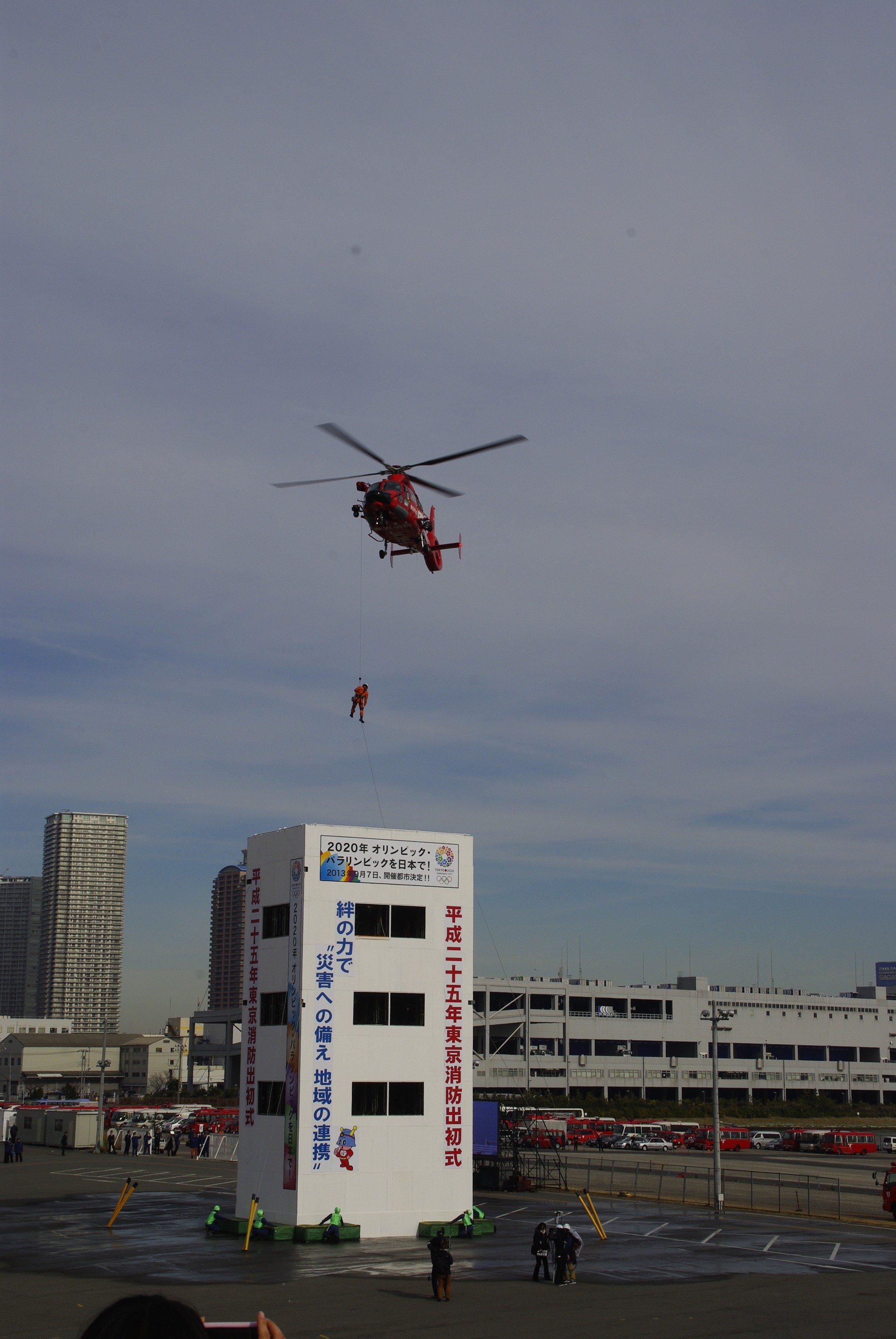
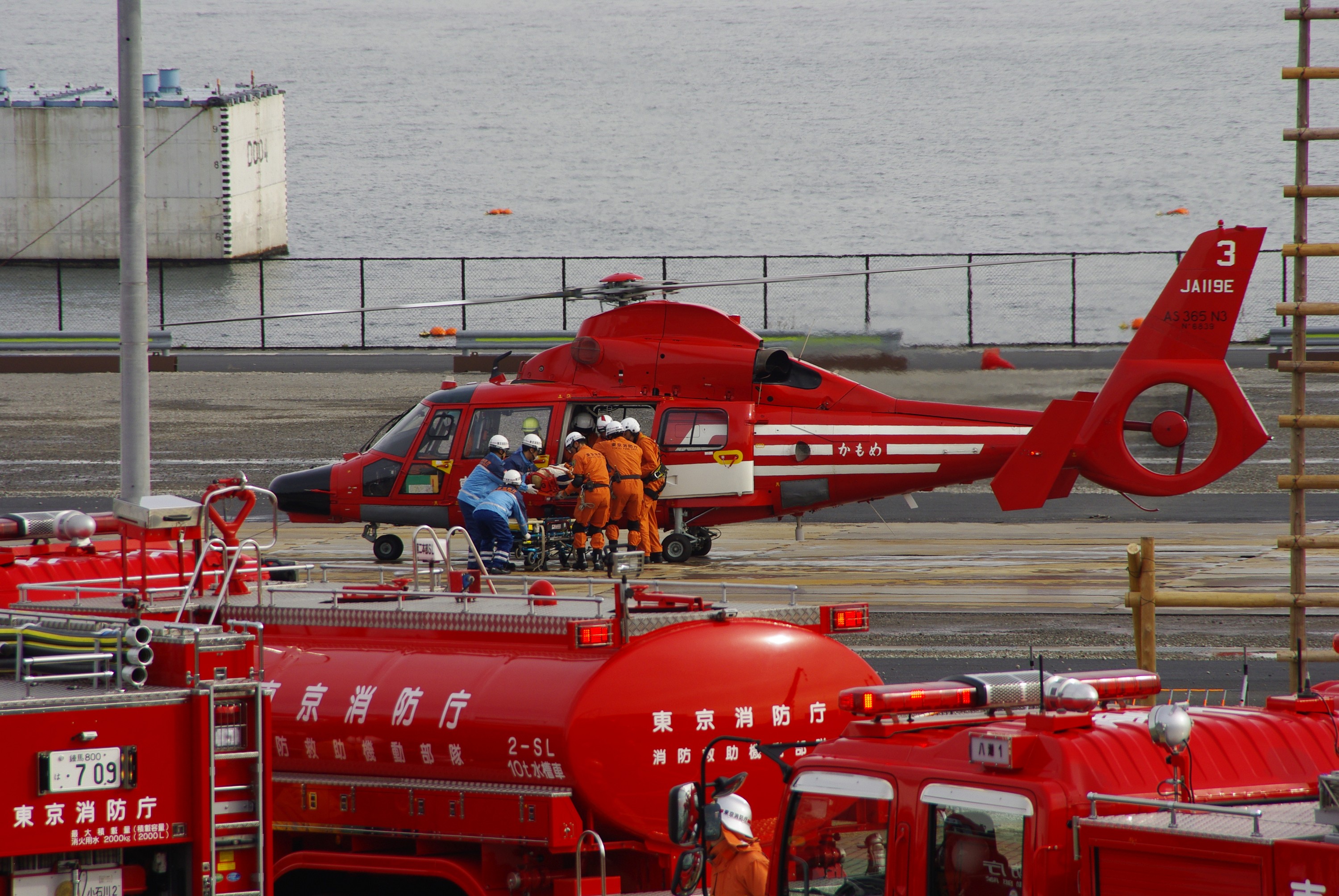
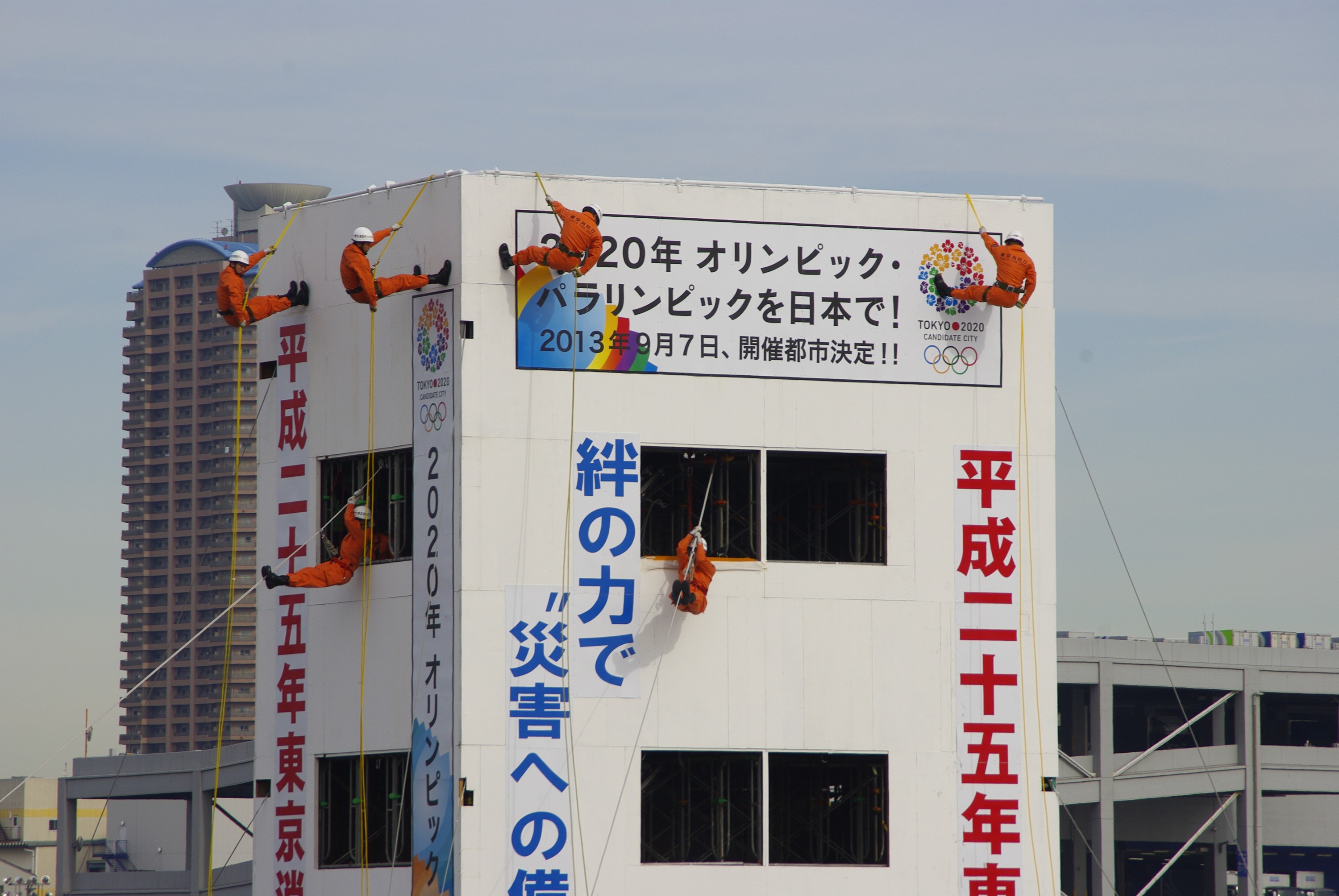
Next point on the agende is a big exercise; more precise: there are 4 exercises at once. An earthquake related car accident, a burning tall building, a haz mat incident and a rescue from high altitude. The diffrent events start with a delay of approximately 60 seconds. Fire trucks are driven arounf constantly with their sirene on. 50 trucks in total.  The helicopters are back. Fire fighter rope down. Injured victims are reeled in. The fire at the haz mat is getting bigger. The haz mat team arrives. The earthquake situation is getting worse. Many rescue teams are working parallel. I don’t know where to look first. Now two automatic water cannons taking care of the haz mat fire.
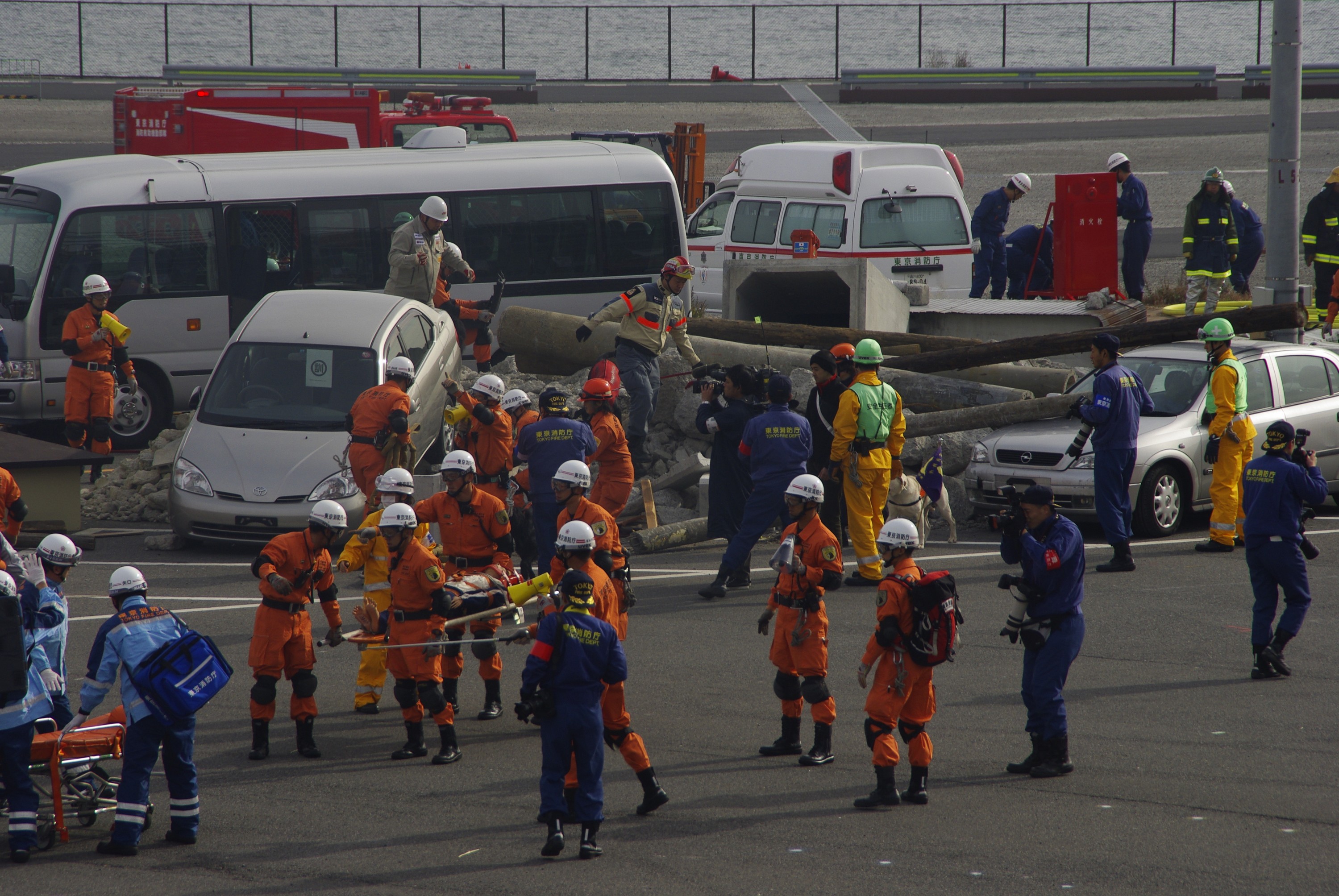
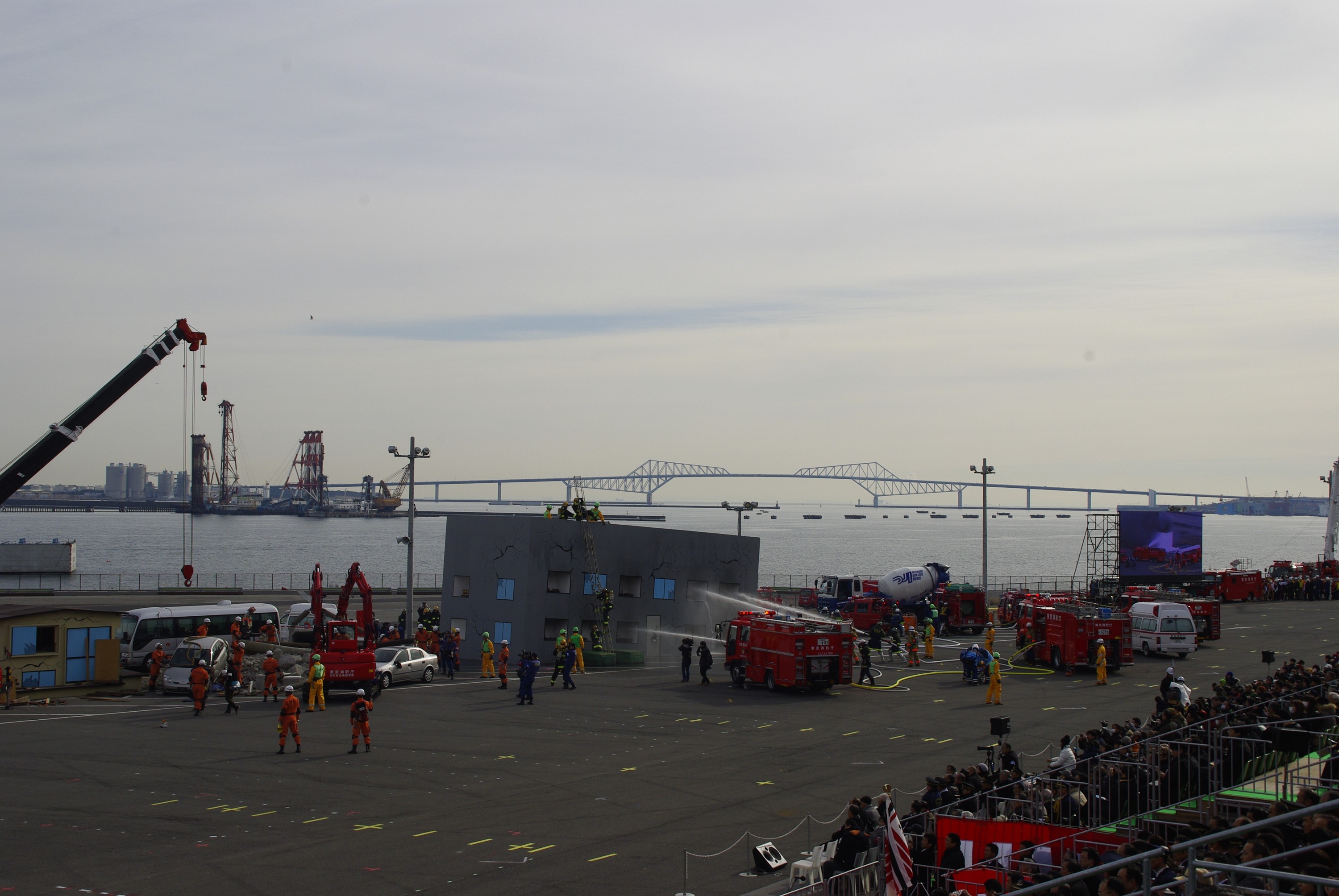
Excercise

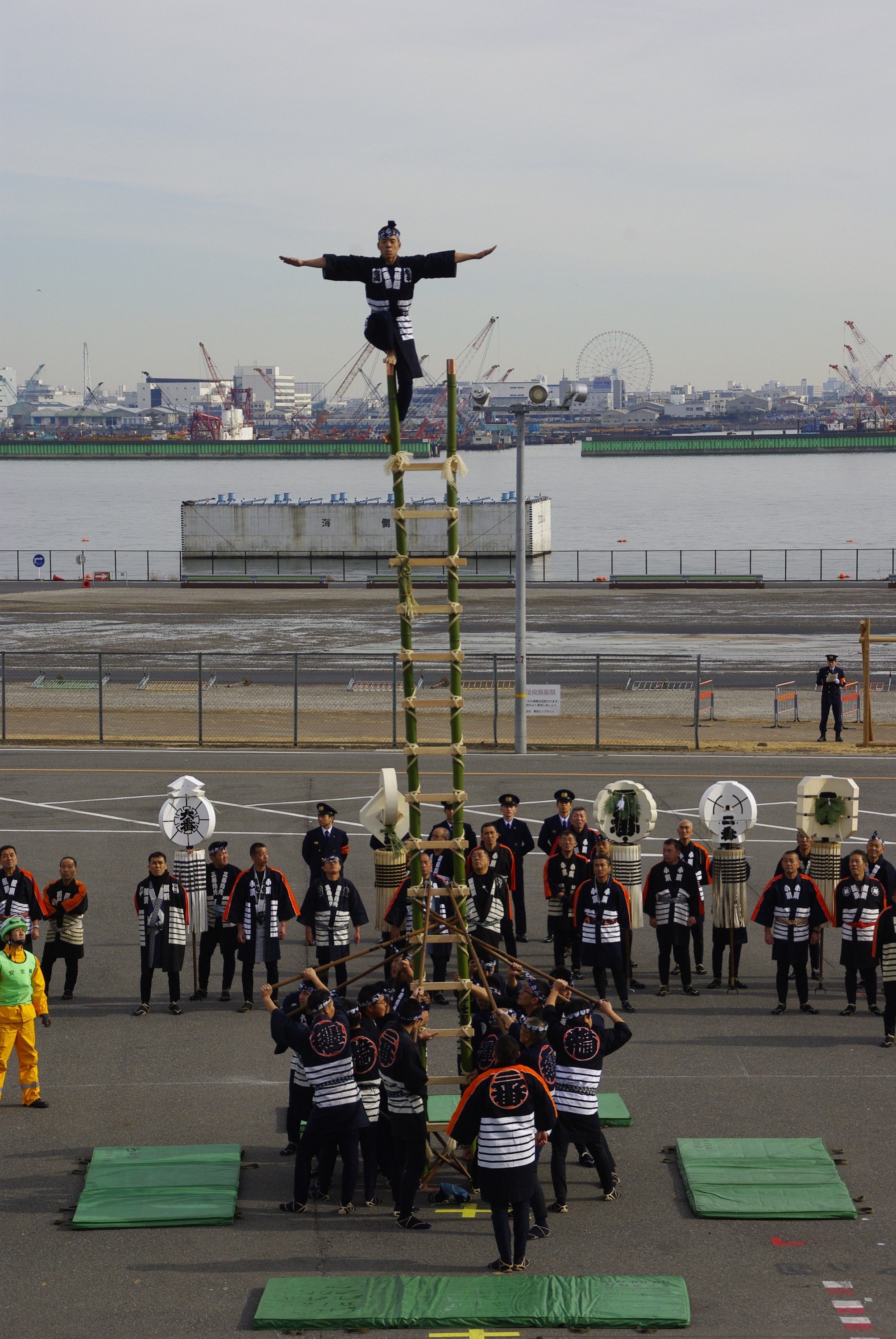
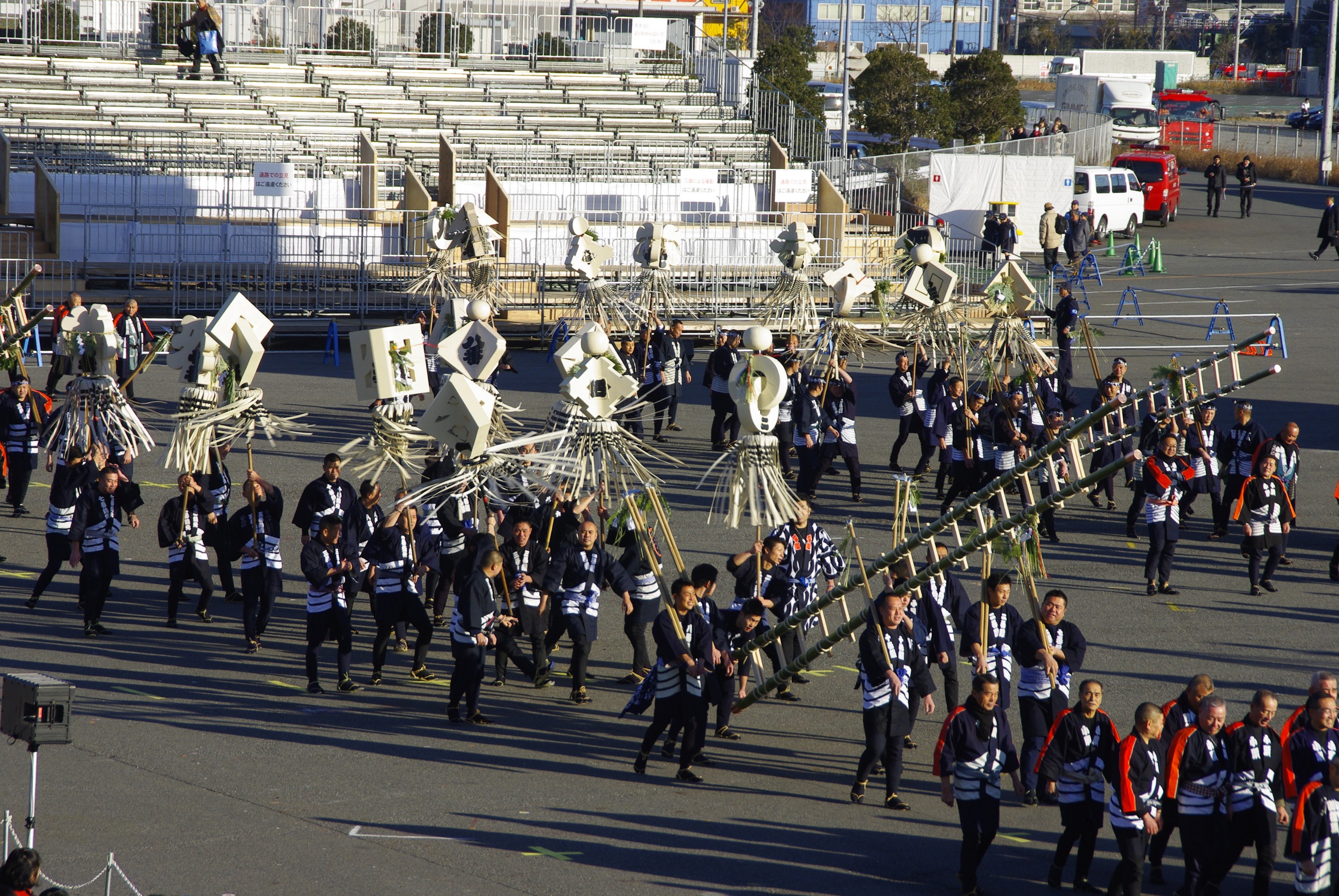
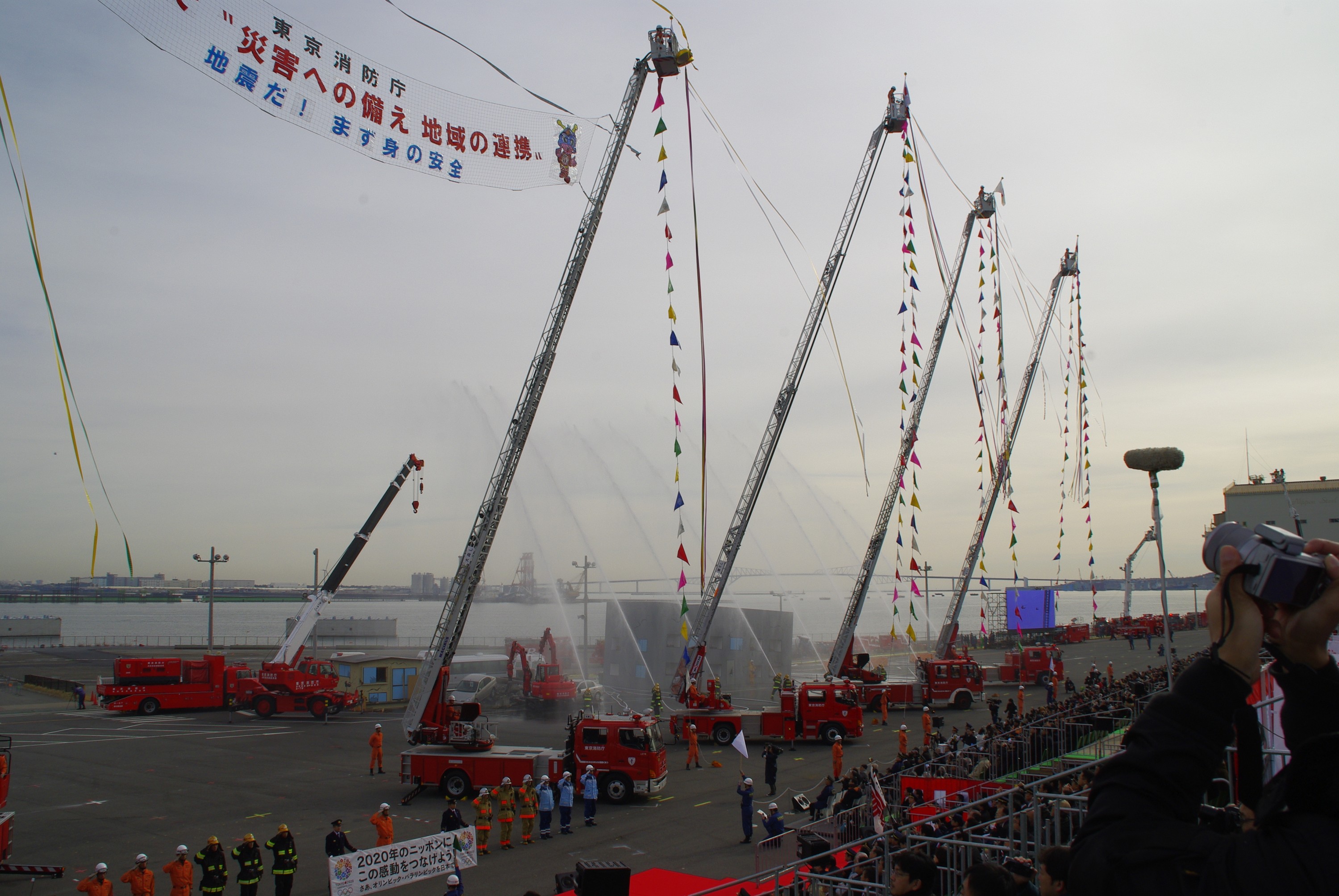
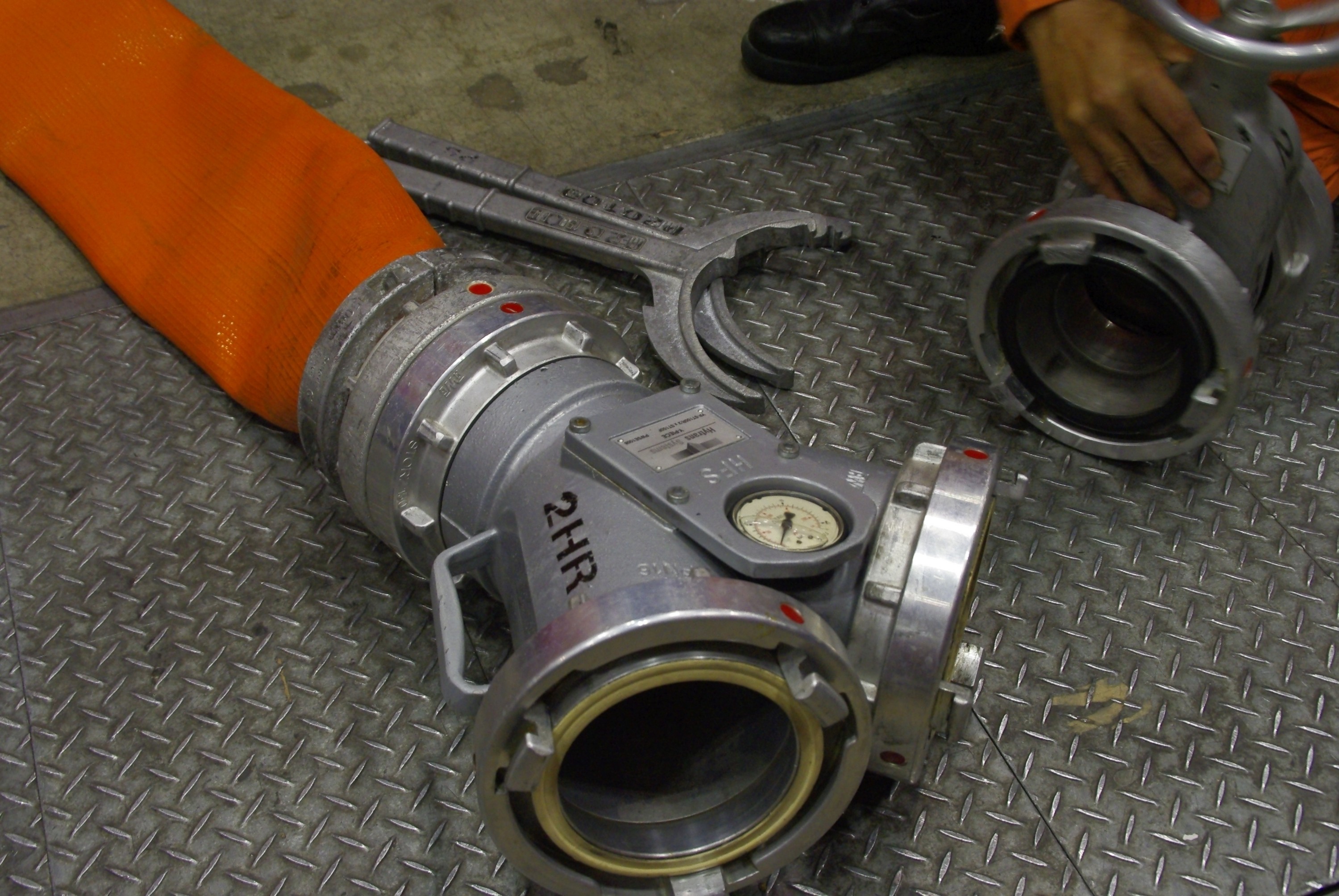
The show is closed by 10 ladders that roll out a big banner and festoons. The flag is reeled in. What a show. And I watched everything from the VIP section. I walk back into the fair hall. Here trucks and equipment is presented. I skip the technical details. They have an earthquake simulator, games for children, a.s.o. The music corps is playing a concert.
[deutscher Blogeintrag]

The Emperor

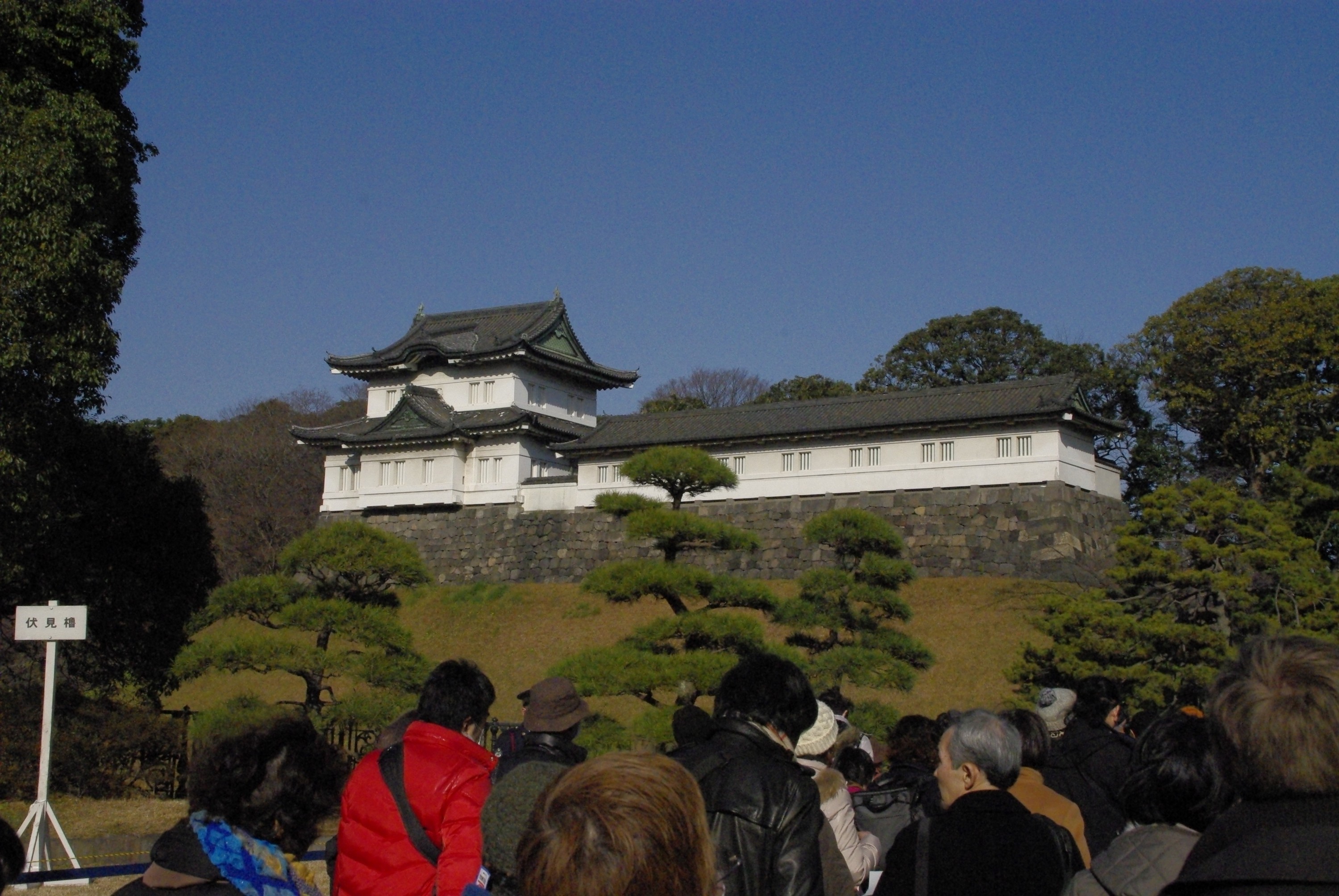
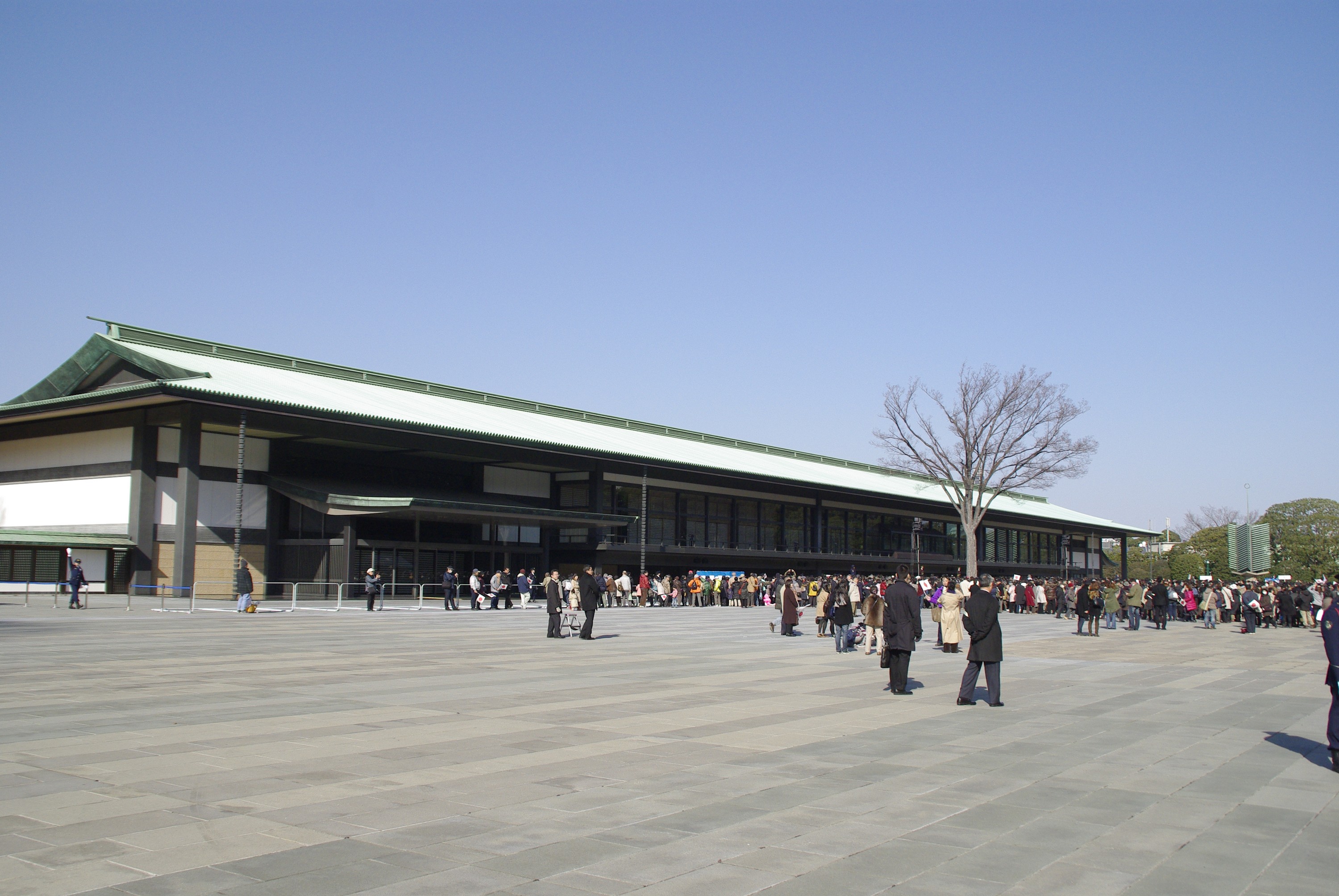
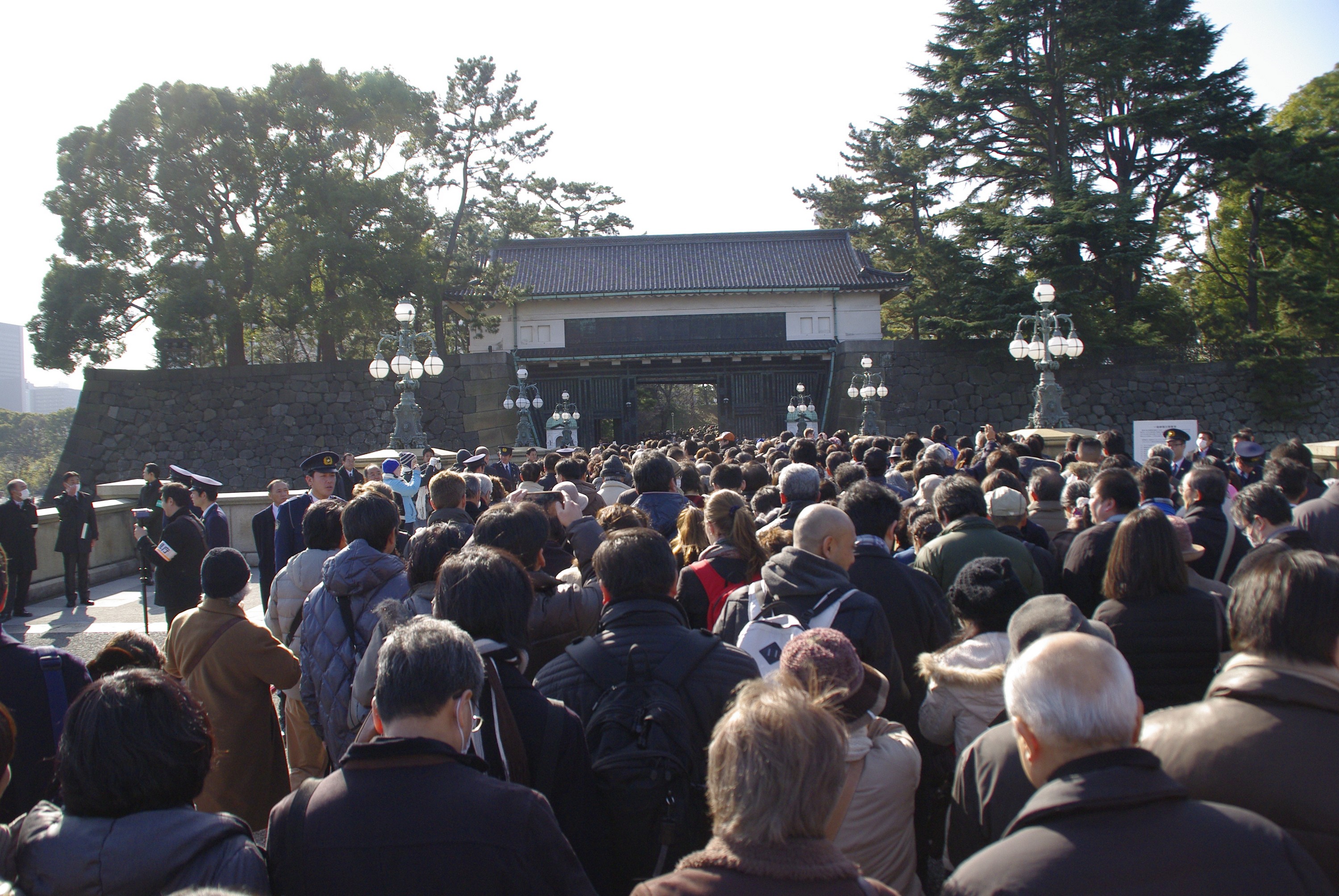
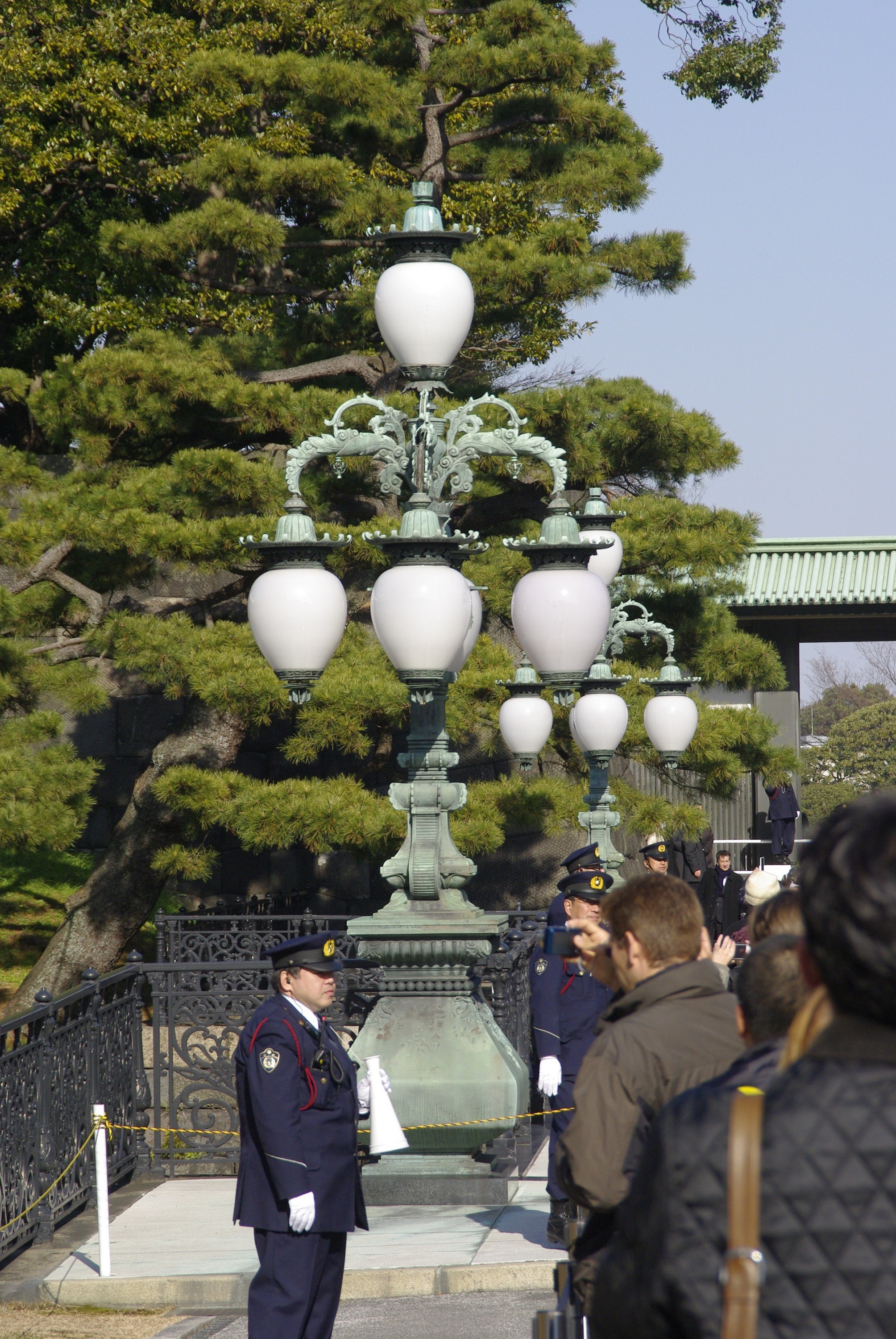
I get up early; Unusual for me; Breakfast at 8am. Next stop is the post office. I need cash. But the ATM is still offline. I am running out of money. Next stop is the emperor palace. Three extremely long queues. And an interesting concept. I queue is filling up with people, one is wainting and the third queue is proceeding. The next queue is in front of the security check; without a backpack or handbag I can pass. Another checkpoint only checks my pockets, but lees intensive than a bouncer in front of a German discothek. And another queue.
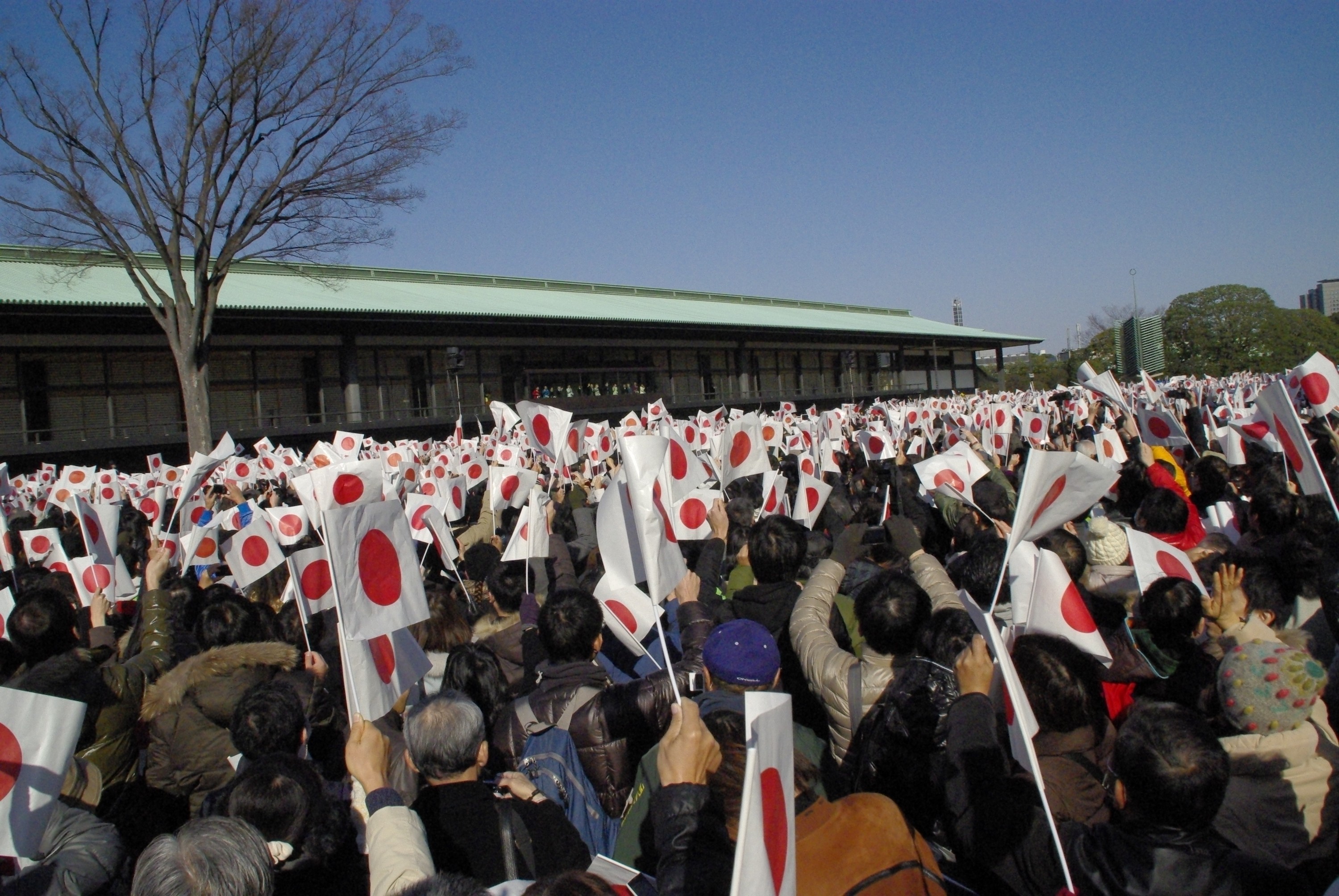
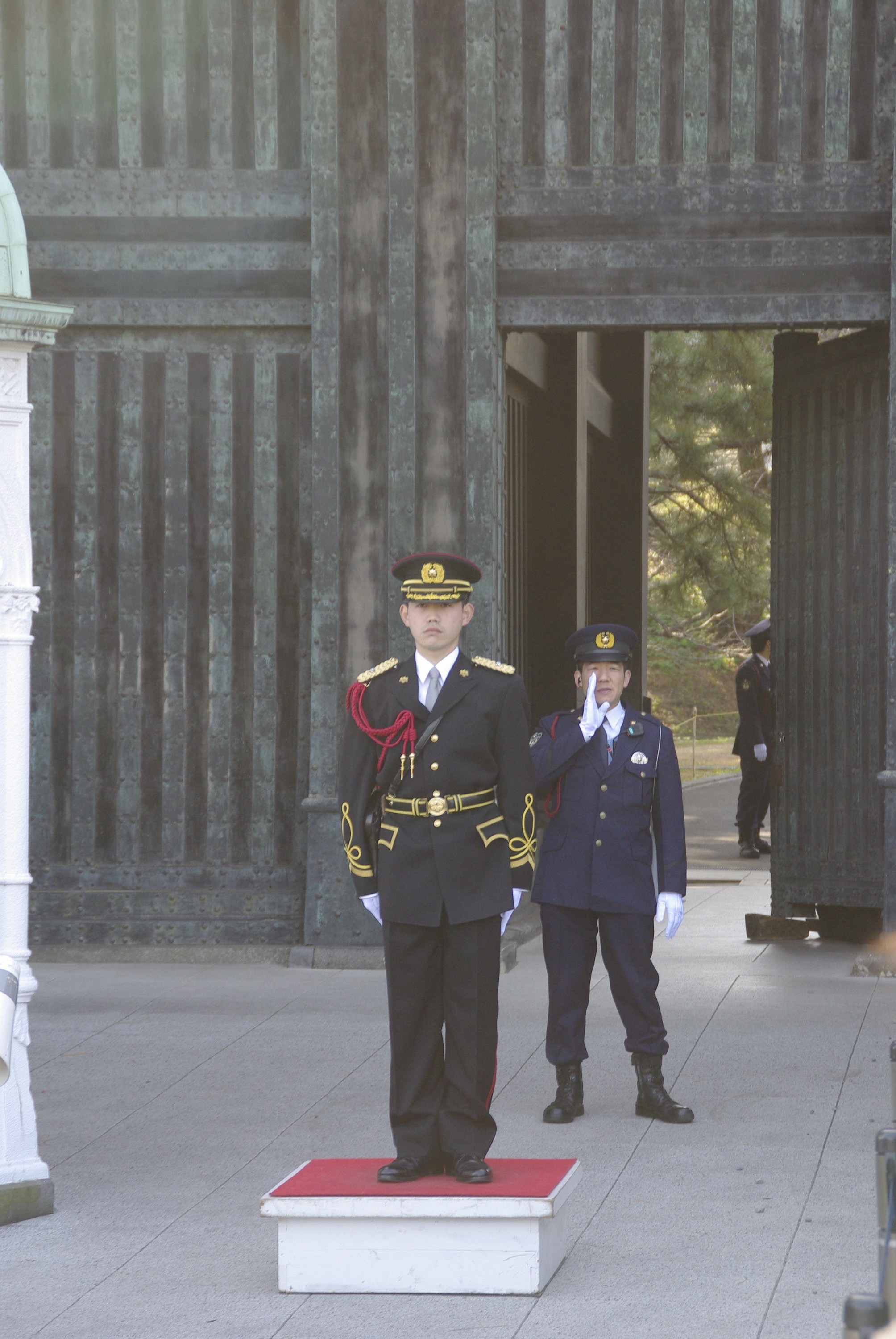
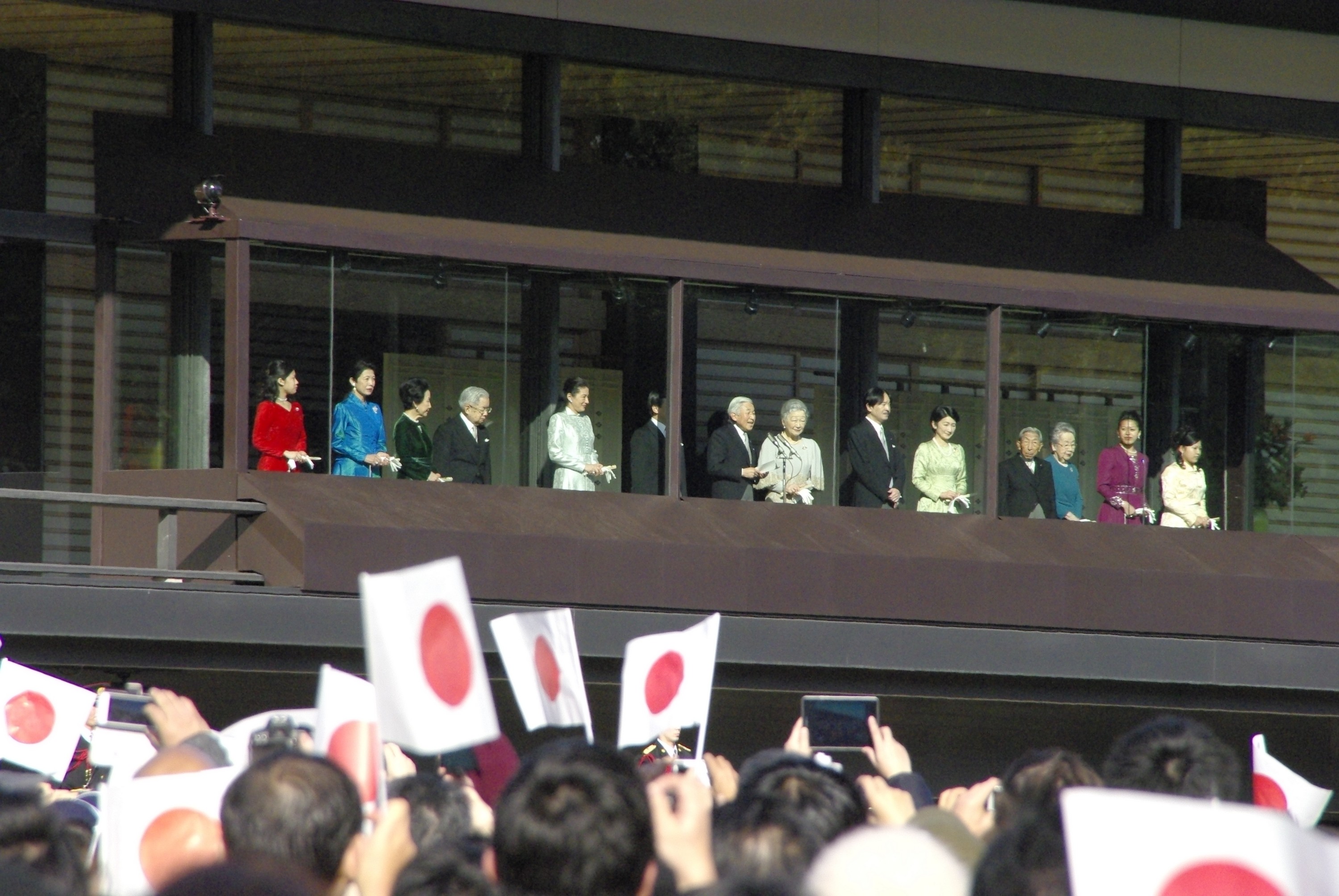
Slowly we proceed to the big gate. I meet two swedish guys. We chat a little bit. Then I arrive the gate. Usually this is as fas as you can go. Now I am allowed to pass. I walk the way up to the inner palace area. The area in front of the gallery has the size of a football field. I find myself a place in the middle. This is timing. In this moment the japanese emperor is starting his speech. I try to take pictures blindly with the camera far over my head. Too late I recognize that the camera settings are at 1600 ASA. But the pictures are ok. The speech is over, everyone is celebrating. A group next to me is shouting „Bansai“. Funny. In Europa you only say Bansai before plan to try something stupid.

Emperor Palace

Then I get flushed out. No chance to resist the stream of people. 20 minutes later I am back at the street in front of the palace. I decide to take another round and queue again for the third speech. The second is running now. The queue is shorter this time. I am still impressed how they organize this amount of people. This time my position is not that good. I have reflections in the window and no polarisation filter at hand. The speech, The celebrating people, alle the flags.

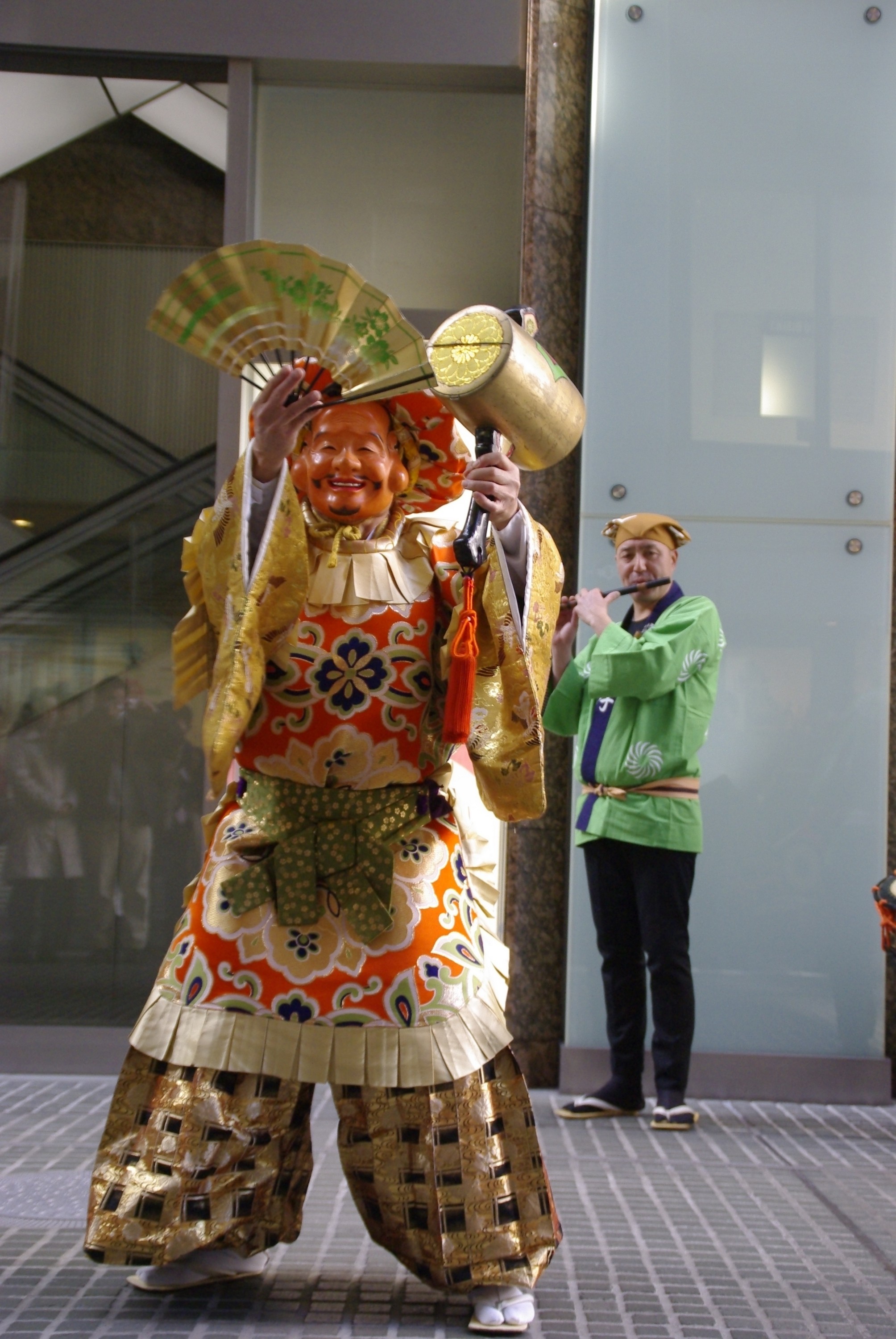
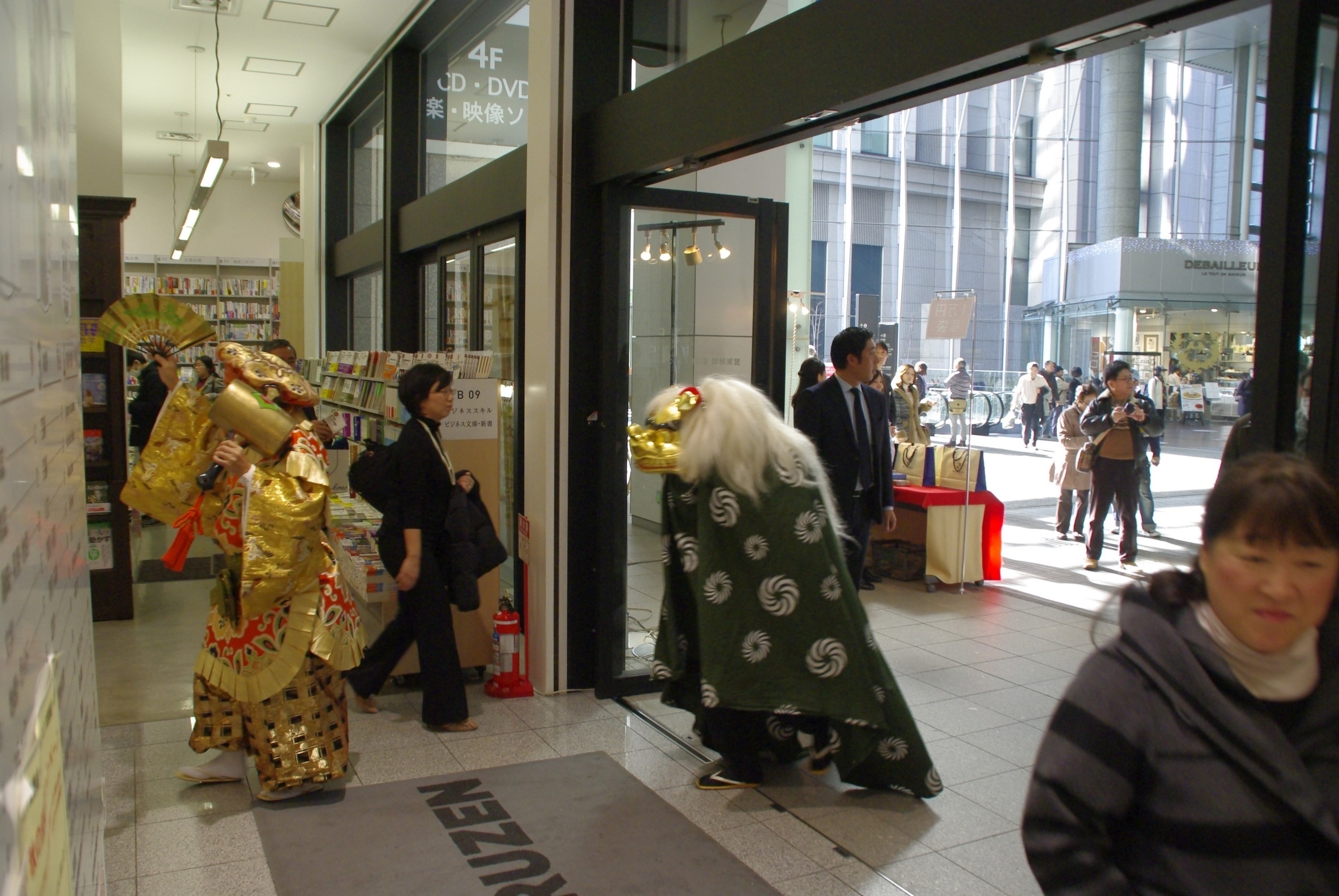
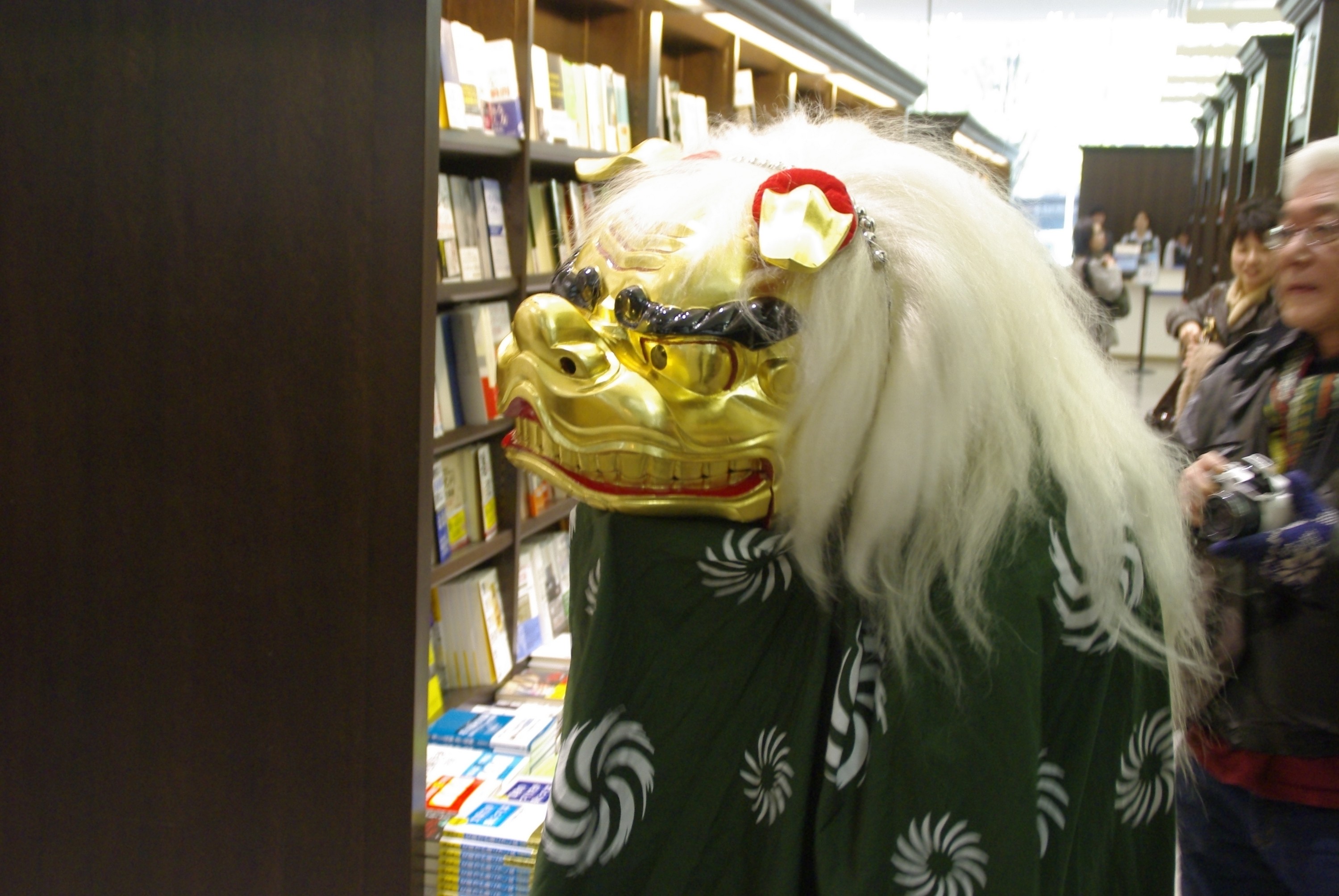
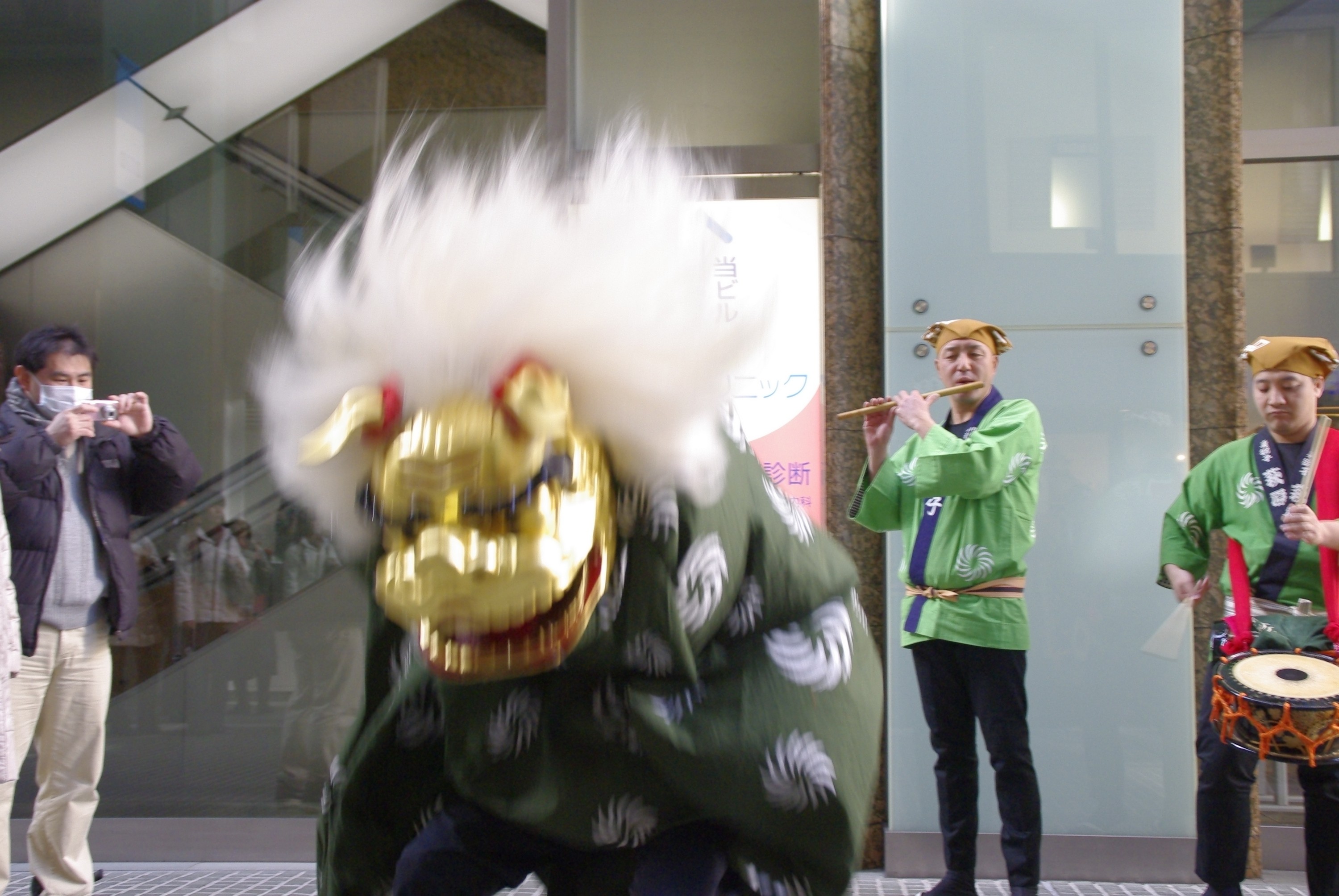
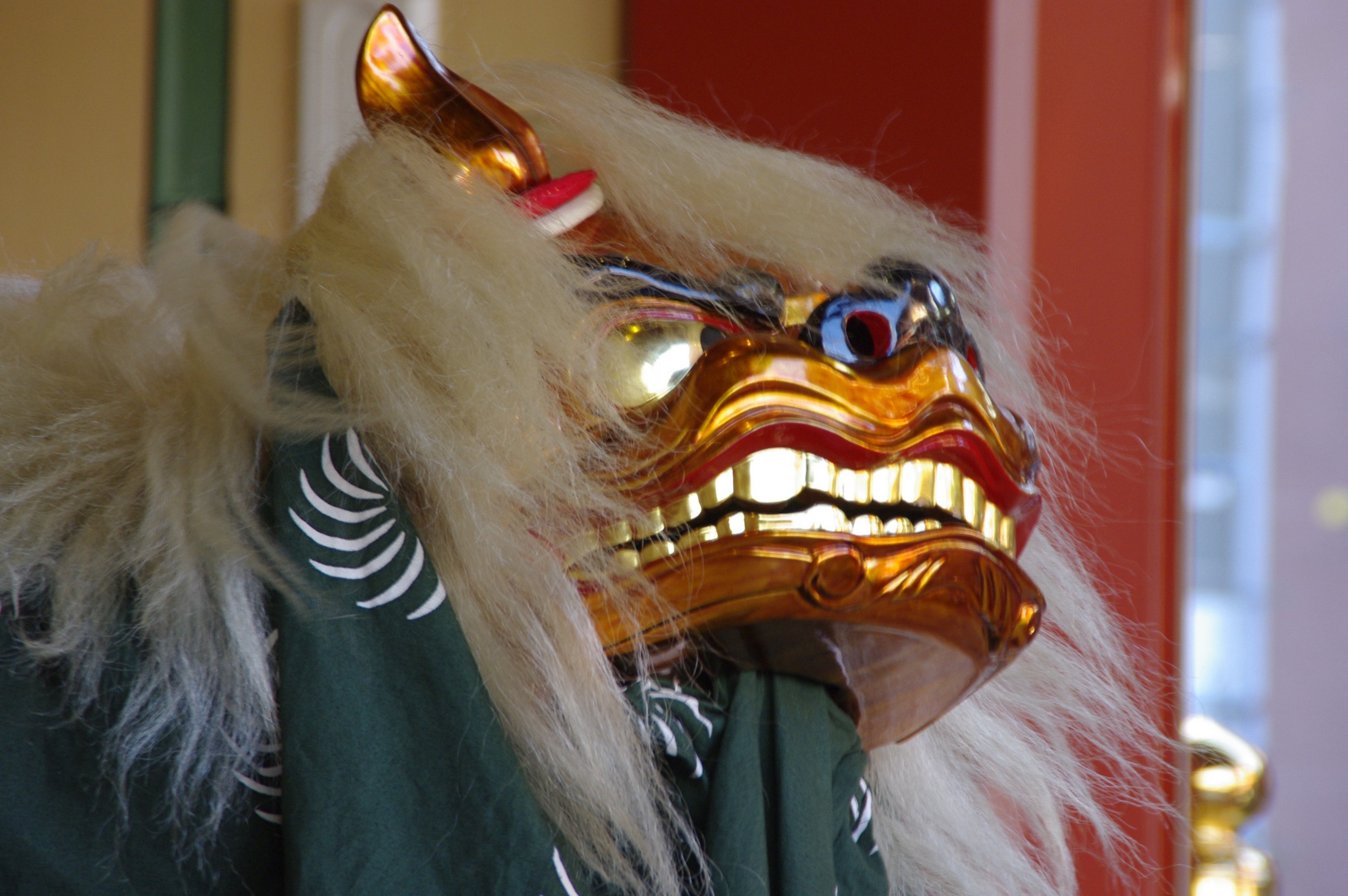
At 12:30am I am back at the train station. The dragon dance takes place at Oazu shooping depato. The dragon shall eat all the bad spirits. He is in company of Ebisu, the deity of luck, and people with drums and pipes. They are walking from shop to shop.


1am. The tea ceremony is just around two corners. Why not pay a visit. After the ceremony I have chat with the master. I learn, that there is a meaning in the position of the wipe (?) at the belt: You wear it at your left side. Because this is the position of the sword and a tea master doesn’t carry a sword. There is also bushido version of the tea ceremony. Here you carry the wipe on your right. I am impressed how he folds the wipe with one hand in one single move. I try it. No chance.

Dragon Dance

Back to the hotel; a brief stop for Tonkatsu (lunch); then the shinkansen to Ueda. I only have 1000 yen left. Enough to get to Bassho but not for the way back. In Ueda I find a bank; no money; I ask the JR office and the police; the Lawson clerk; no chance for foreign credit cards. I call the hotel that I will arrive late. Lucky for me that I have my mobile with me. I call because I have ordered dinner and I hope I can eat it delayed.

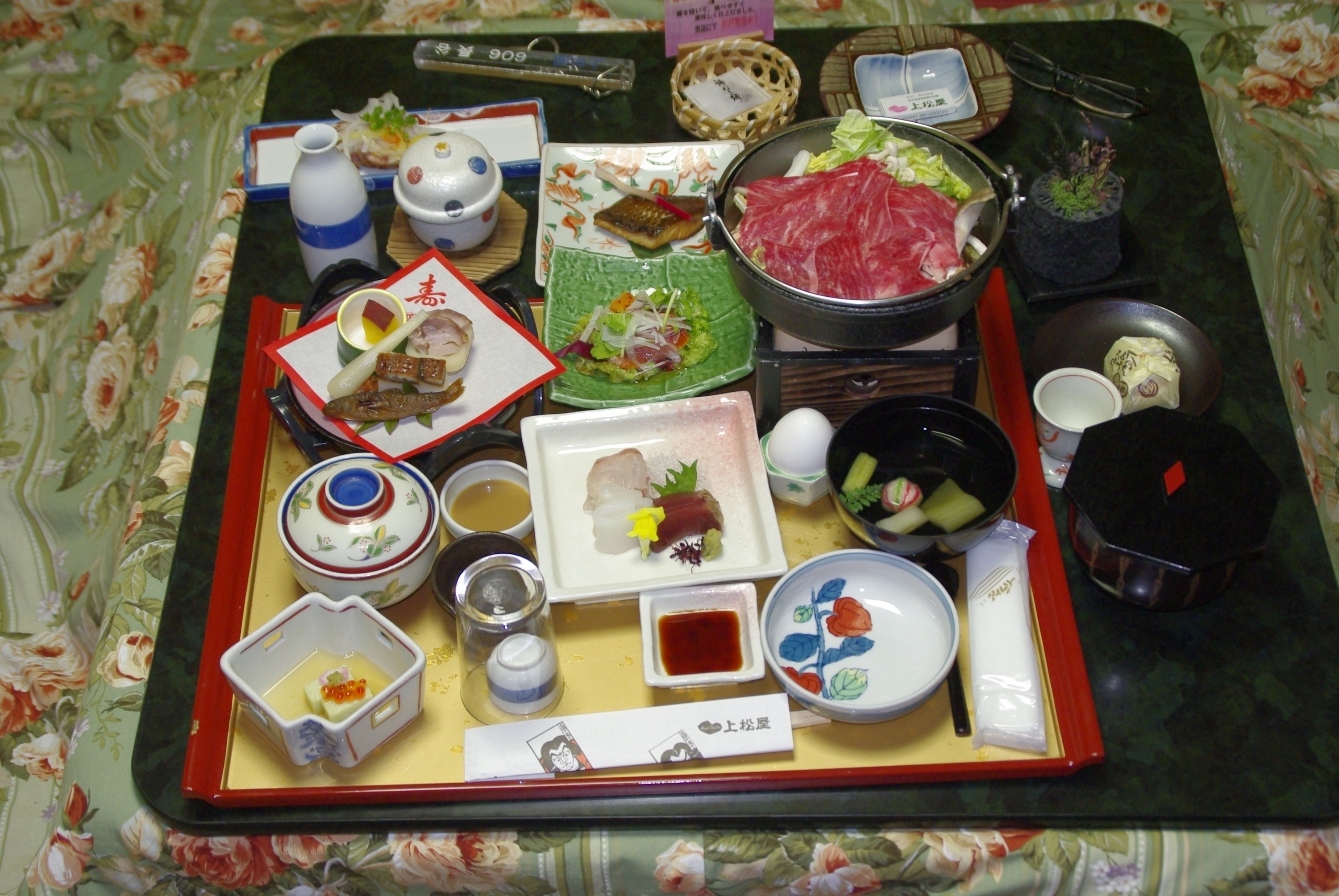
The hotel owner picks me up at Bessho train station. The dinner is waiting at my room. Small portions, but plenty of them. More than usual. Because of New Year. Lucky! The day is complete (without money). Next stop: hotel onsen. Extrem relaxing. There is some snow around the pond. Not much but it is ok.

[deutscher Blogeintrag]

Tokyo Jissha

The clock is ringing before 8am. Wow. In Germany is still 2012. Strange. Today I have a big plan: Tokyo Jissha, 10 shrines in Tokyo, in one day. I hope this is possible. If I remember all be people in front of the Yushima Tenmangu, this project will have some difficulties. After the breakfast a brief view to the shrine. Yes. This 200m long queue is still there.

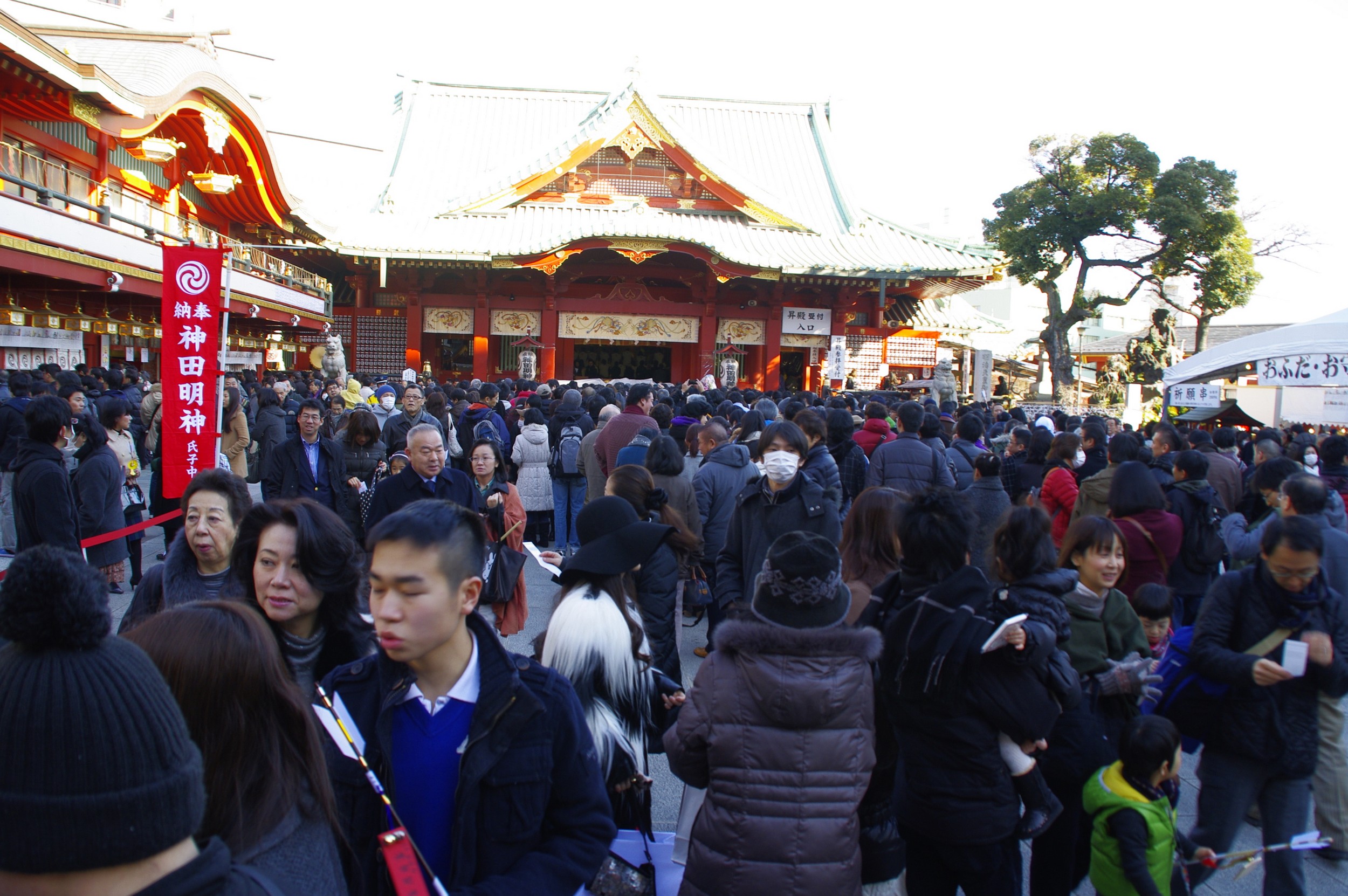
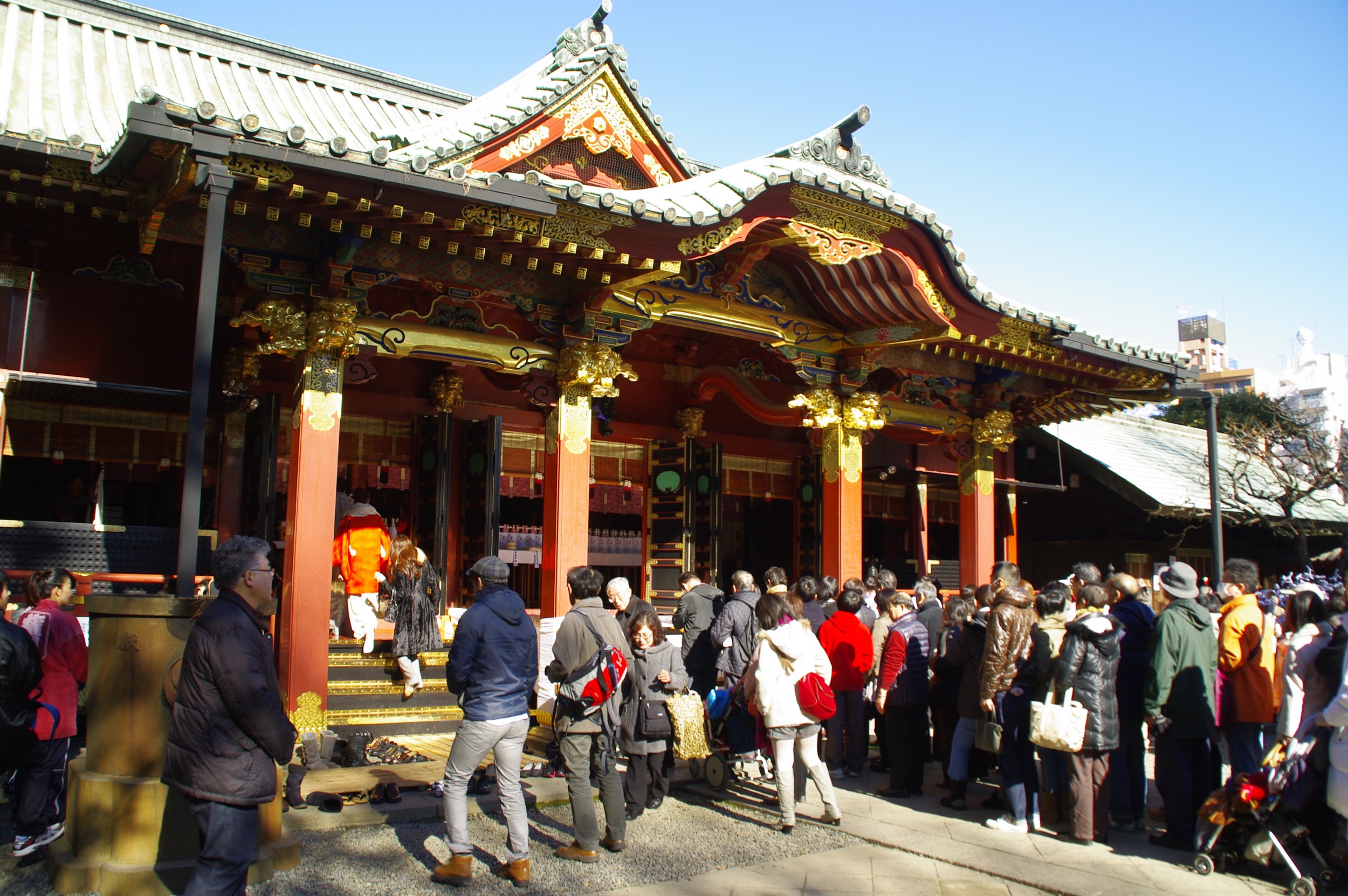
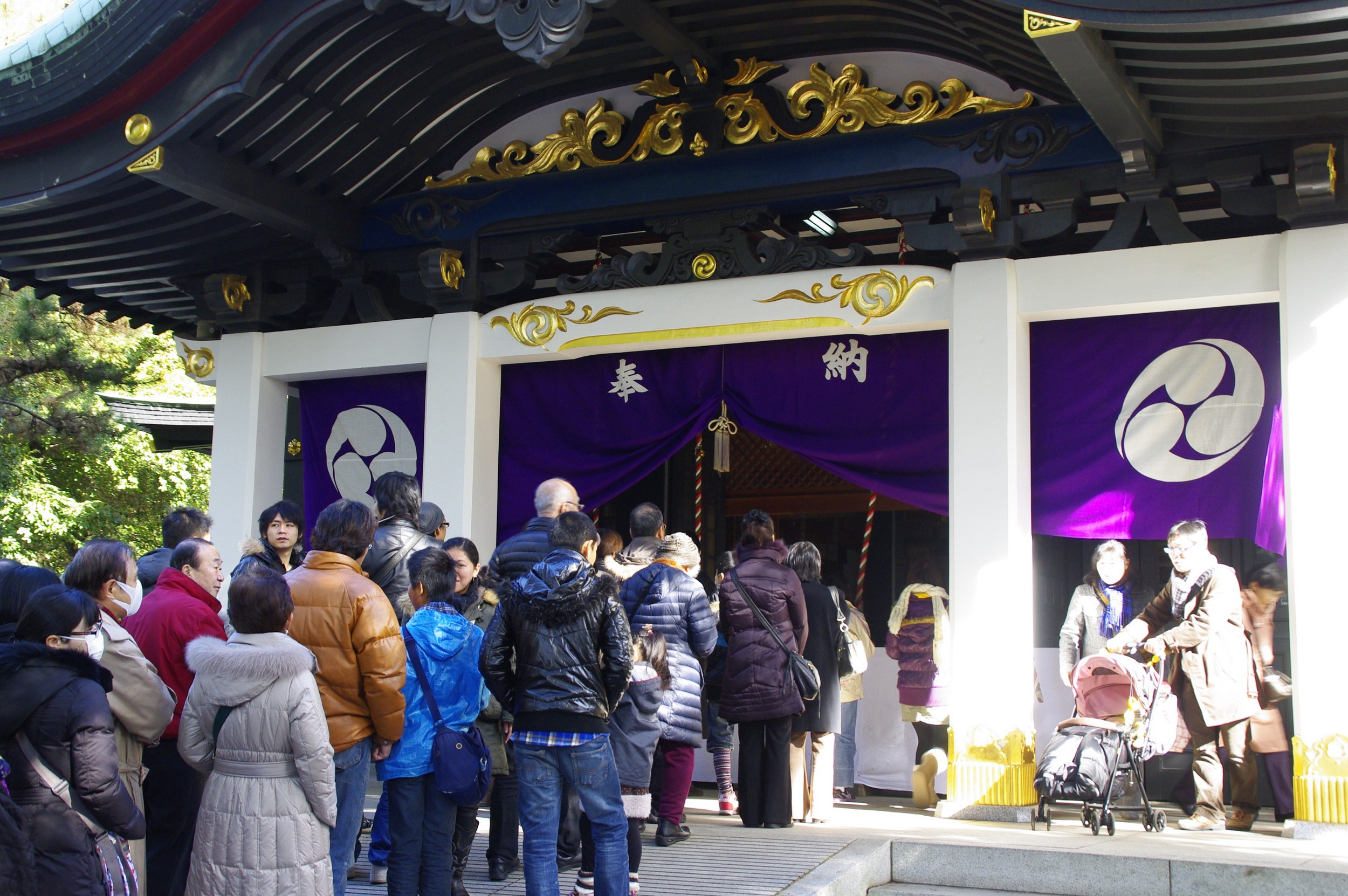
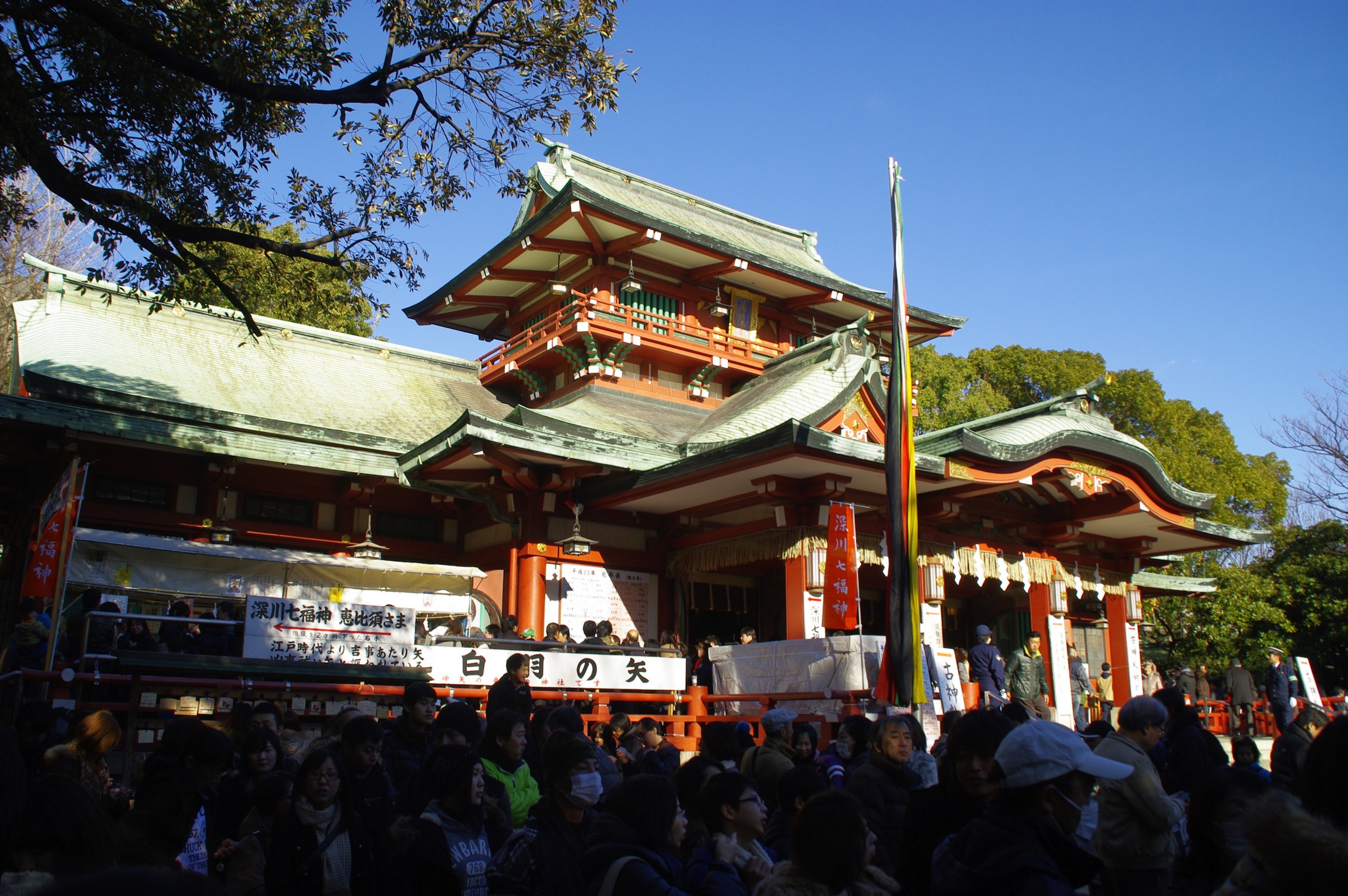
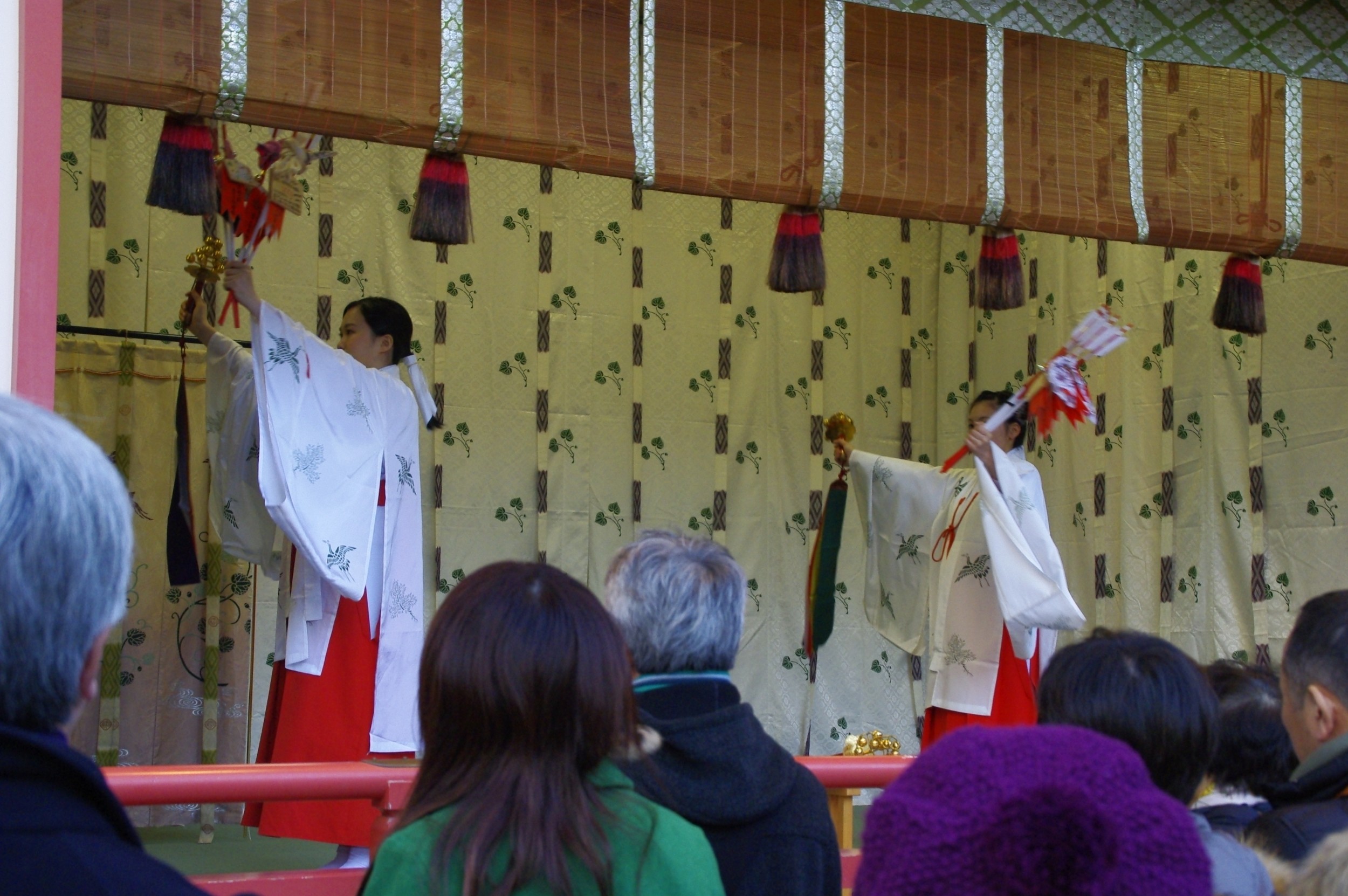
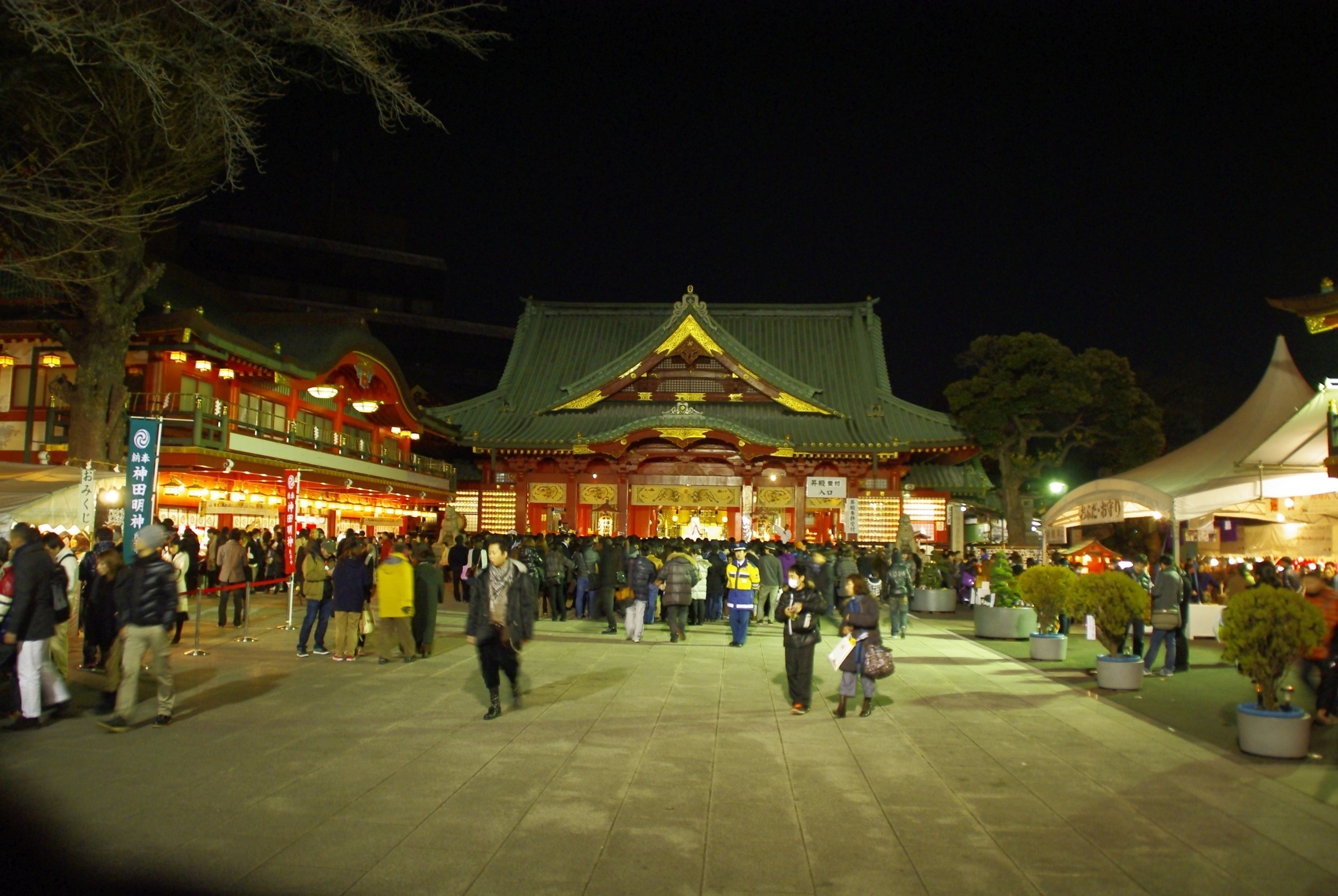
(1) Kanda Myoin — even mor people. The whole palce is filled with Japanese. Everywhere are small booths with yakisoba, Takoyaki, Oden; an endless list. I ignore the queue and walk to the desk window. I have my first ema and also the big plate to mount all 10 ema. There is a dragon dance performing on a stage. Like 2008 the dragon „eats“ your money. The deities are bribeable. No time to embrace the moment in full. I have a schedule.

(2) Nezu Jinja — I know the way. I am confused. Only a few people and no booths. The complete opposite of Kanda. Lucky for me. My second ema.

(3) Hakusan –I walk the short distance. It is a smaller shrine and also not many people. Getting in, getting out. Again I saved a lot of time.

(4) Oji Jinja –Lucky for me that this shrine is close to the train station. It is a nice shrine in North. Something for an advanced Tokyo trip. Here again are booths and a long queue. It is 11:55am; 4 shrines in 2 hours. This is good. Now I have a long train trip via Akihabara to my next destination. For a moment I think about using a shinkansen. Why? Because I can.

(5) Kameida Tenjin –This take a whiel to walk there. Over 30 minutes from Oji. At the shrine I have to use the backdoor. This place really is crowded. But at the backdoor I have to pass all the booths. The way is packed like on a christmas market. Traffic Jam. It takes some tome but I declare Half Time. A good moment to drink some Amasame.

(6) Tomioka Hachimangu –This queue is long, very long. The police has closed parts of the 6 lane street. The shrine is hidden but worth a visit. I talk to Japanese women; in fluent English.

(7) Shiba Daijungu –this is a smaller shrine I usually would skip. The next shrine I know. I get nervous. 3 Shrines left and it is already 3pm.

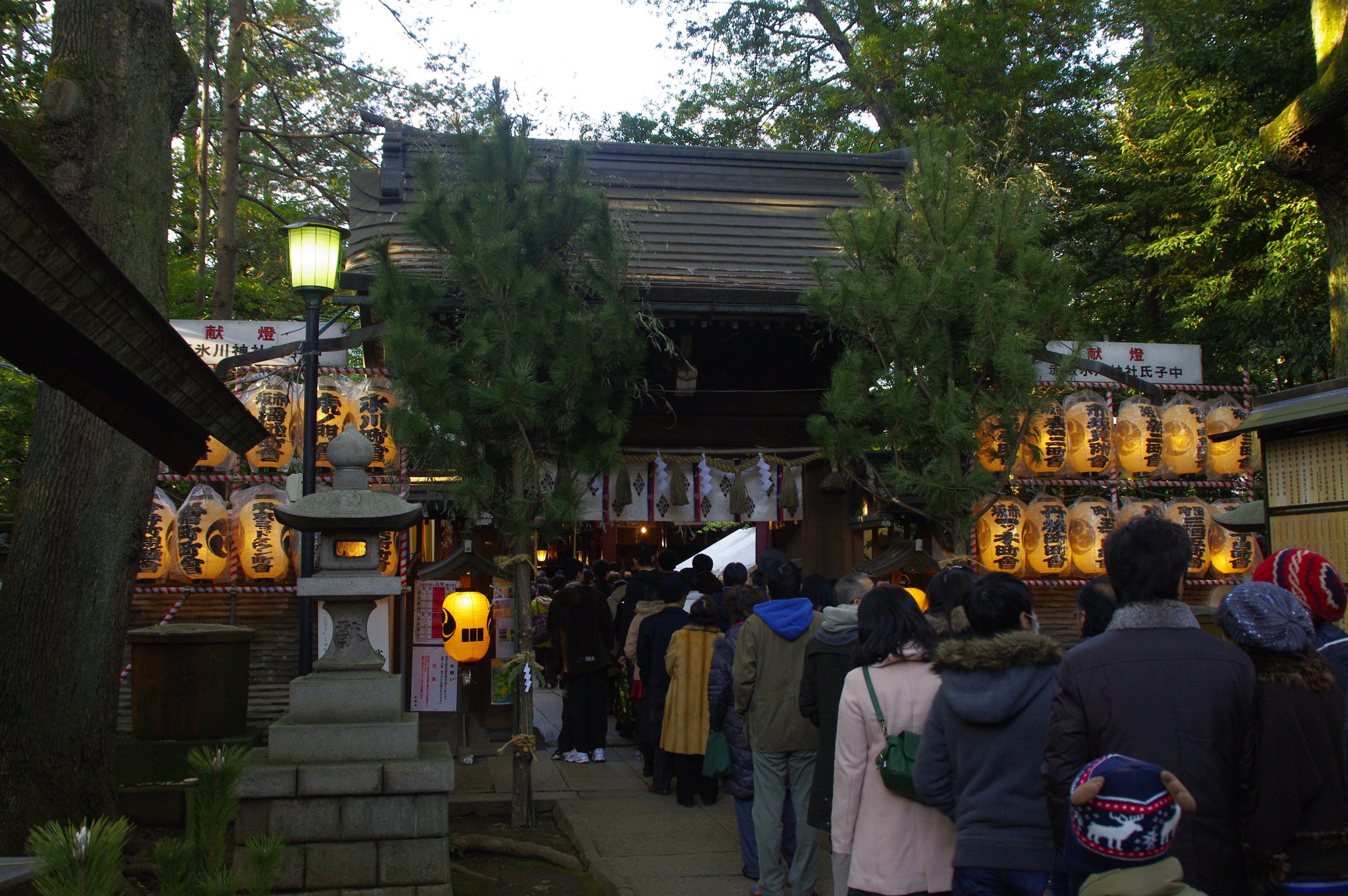
(8) Hikawa Jinja –I walk from Roppongi station. A different approach than last time.

(9) Hie Jinja –This shrine is only 15 minutes away by walking. A big stairway leads up to shrine. I saw the stairs 2010 but I never imagined that they belong to a shrine. Wow. They even have an escalator. Again I get stuck between dozen of booths. Now only one last ema is missing.

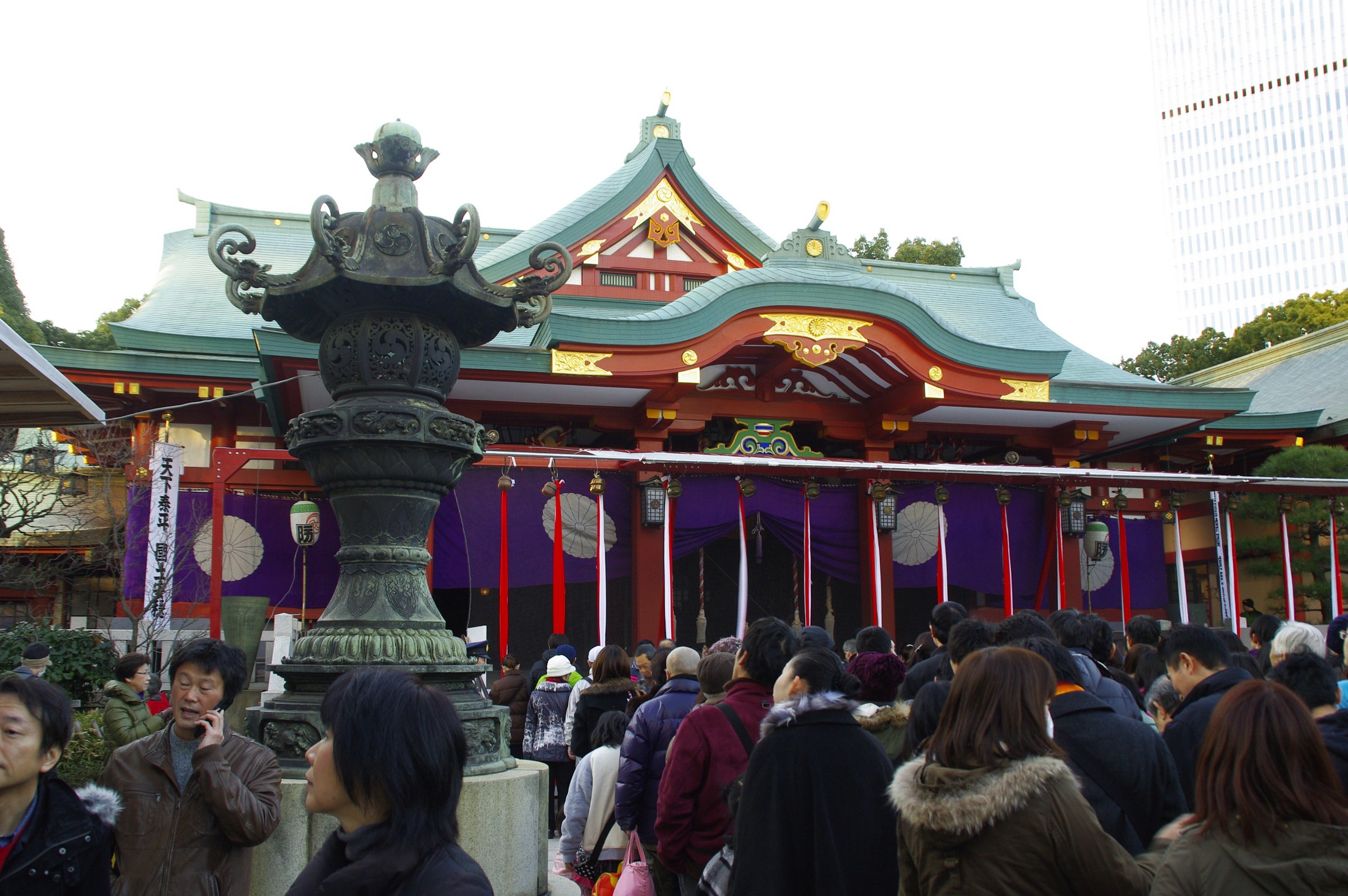
Tokyo Jissha

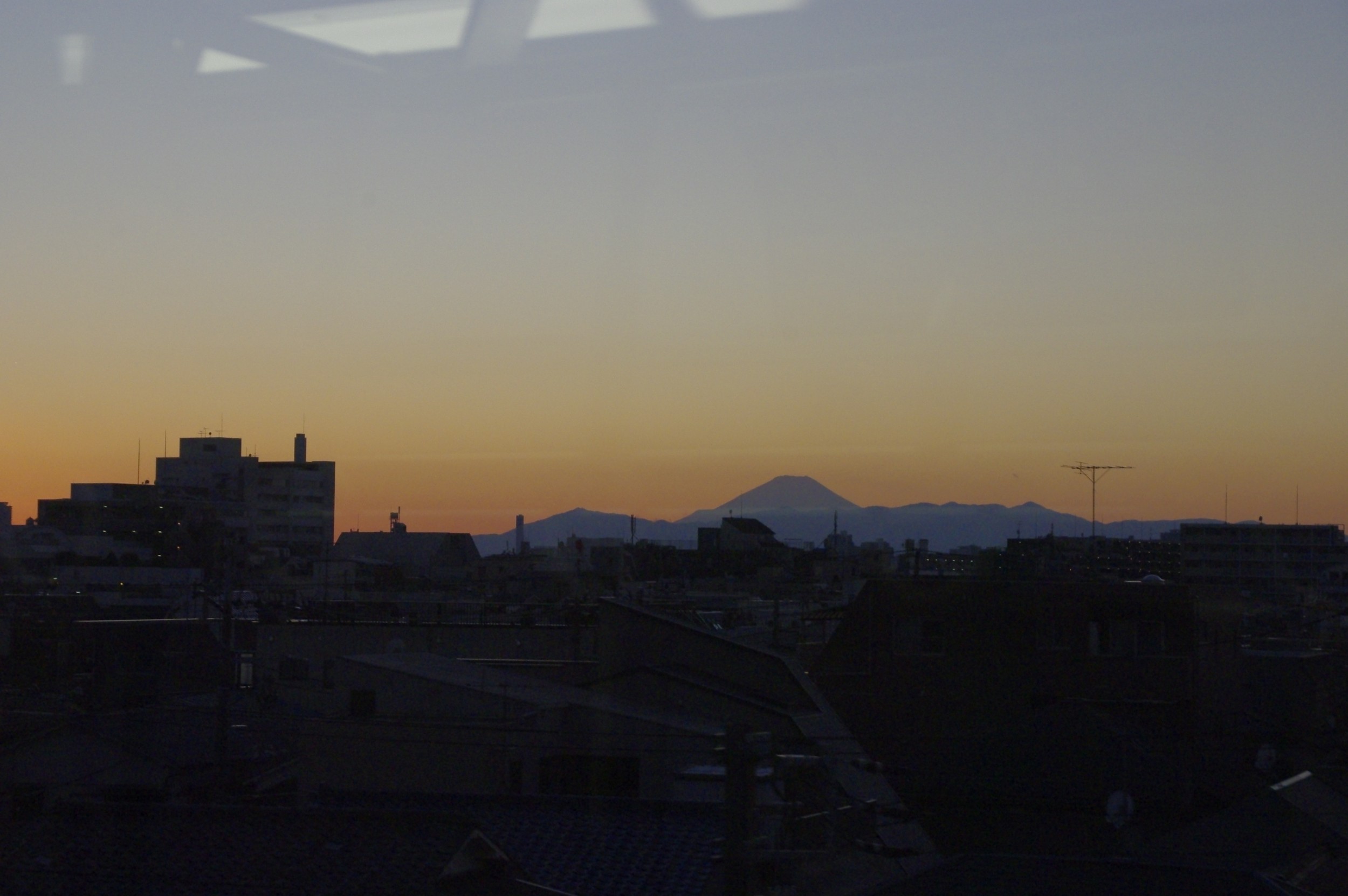
(10) Shinagawa Jinja — In theory a simple thing. Toei Asakusa Line. But I jump into the airport Express and miss my stop. 8 stations later I can change direction. Dawn is already in progress. But this diversion gives me the chance to spot the Fuji. It is the first time I see this vulcan from Tokyo. The local arrives the correct station after 5pm. A critical time. And then I run completely around the shirne because I miss the entrance. There are still people here waiting in a queue. But the windows where I can buy the ema are closed. I ask at the shrine office. No problem. My Tokyo Jissha is complete. All ten in one day.

Ok. I cheated. I didn’t prayed. But if I sum up all the queues, I would have need 4 days. Back to Kando Myoin, to complete the circle. 6pm and still a queue. Time for nihonshu and oden.

The booths at Yushima Tenmangu are already closed. Back to the hotel for a hot bath. Now I watch „Dinner for One“. Somehow a New Years Eve tradition in Germany. A brief stop at a Izakaya and then I have to pack my stuff. Tomorrow I will visit the palace, the dragon dance and the tea ceremony. And I also travel to Bessho Onsen.

[deutscher Blogeintrag]

31. December

I don’t have a detailed plan for today. There is no plan at all. First stop is Yushima Tenmangu. Then I walk to the Sumidagawa and to the shrine. I was carrying the Miskoshi two years ago. I make an observation: Tokyo is more dirty than I remember. And the number of hoboes seems to increase.

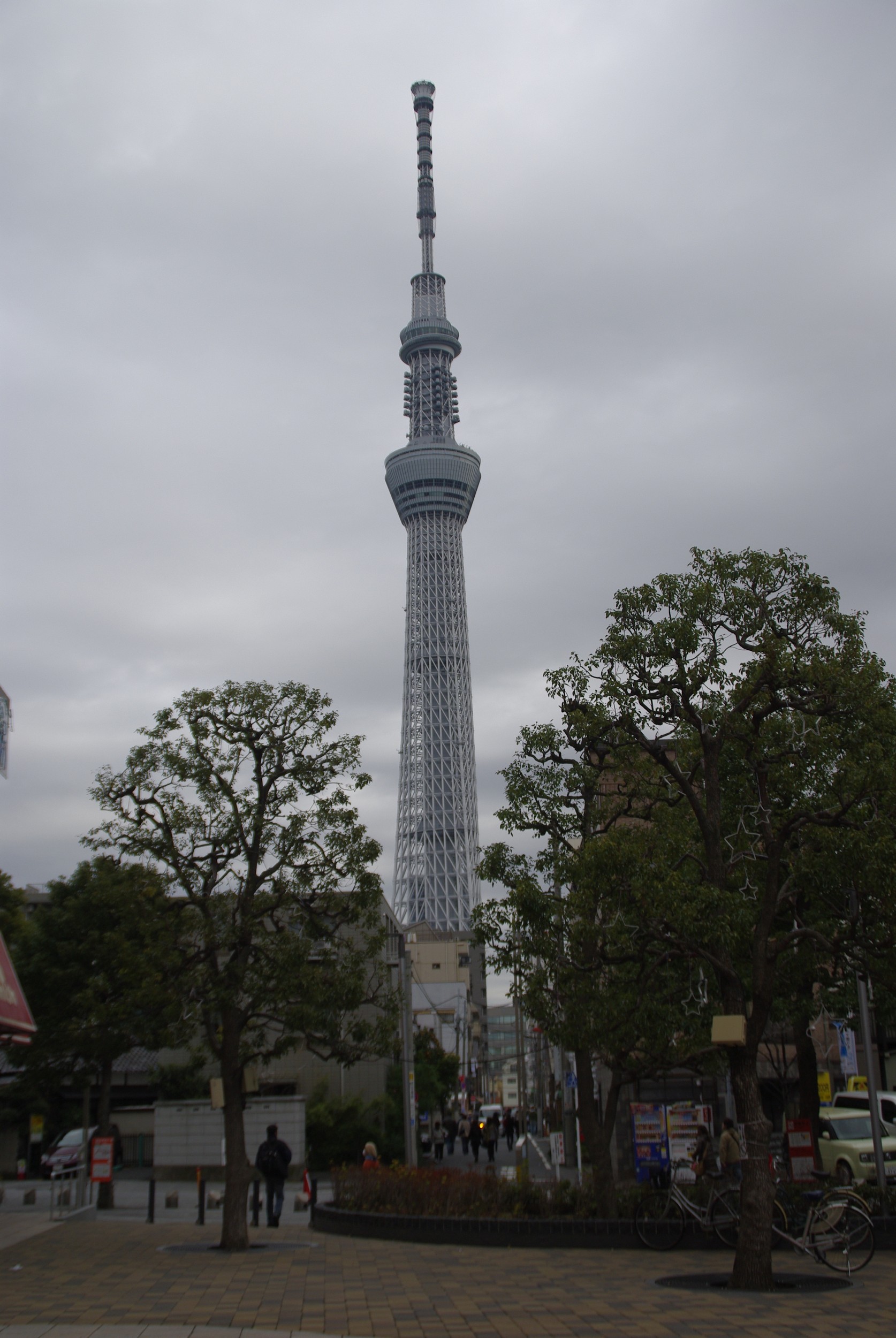
Next stop is the Sky Tree. This thing is tall, really tall. The foundation of the tower is a big shopping mall. I need some time before I understand how it is working. You have to queue to get a place on the waiting list. You get a „waiting ticket“ for 4:30pm. And it is just 11am. With the ticket you have to queue again at the printed time to buy the real ticket. Judging from the queue I will stay here at least 30 minutes for the waiting ticket. This is to stupid. I will kill the whole day by waiting. I will postpone the ticket.

Tokyo Sky Tree

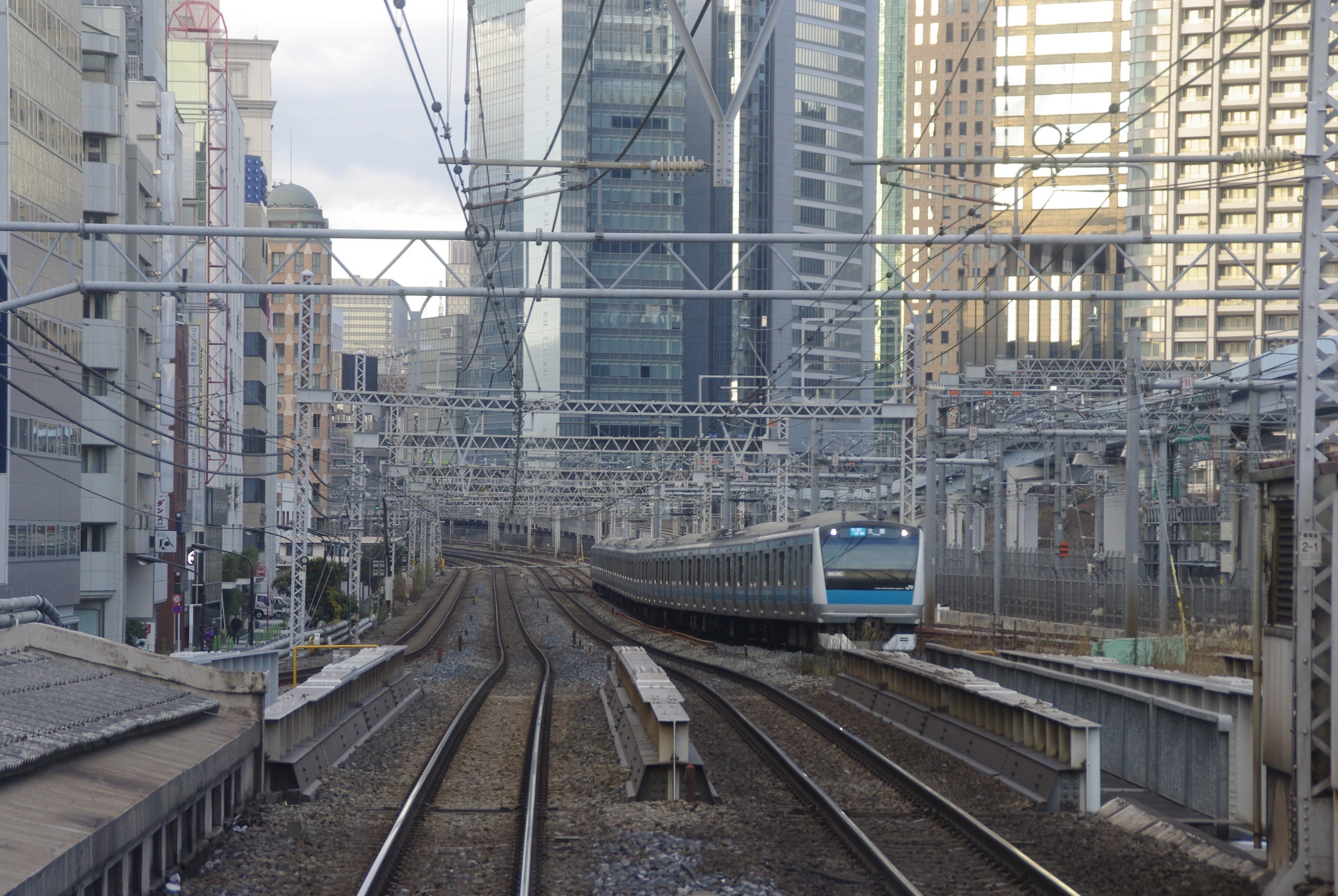
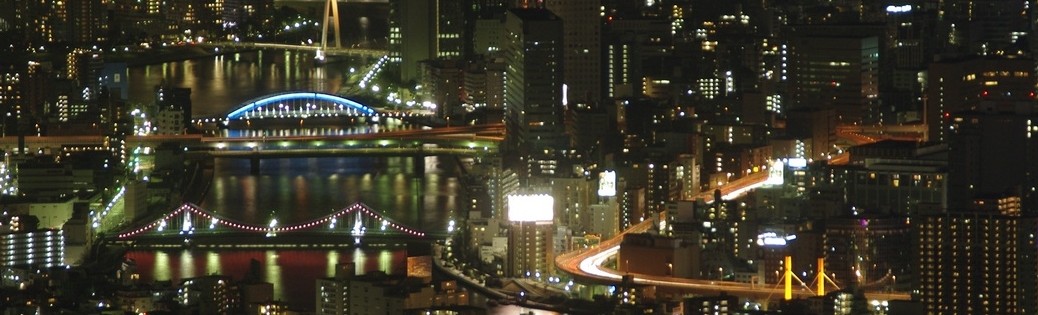
The walk to the metropolitain garden I wanted to visit is wasted time. The garden is closed during the days around New Year. Therefore I walk to the Sumida bridge to Tokyo Eki. Now I am standing at the knot of the express ways that built be backbone of the traffic in Tokyo. It is just a east of Nihonbashi. The express way is stacked in several levels. Here I get a feeling how compact Tokyo is.

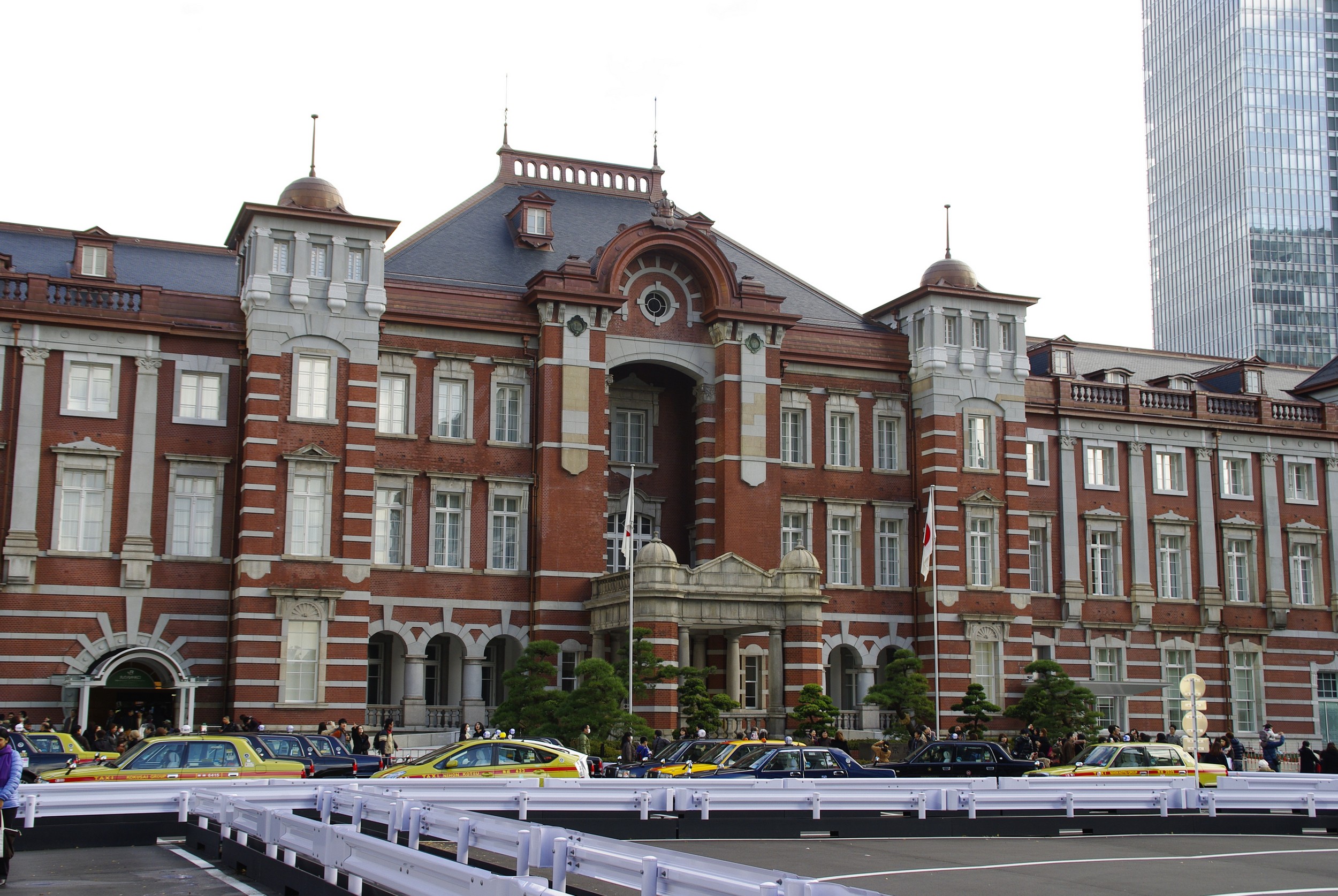
Now on my fifth journey I visit the old Tokyo station building. It looks like a combination of German and English architecture. And the tourist office I ask for things I can do within the next day. Which temple I should visit tonight. Looks like I know more about Tokyo the the ladies behind the desk. Will say: My question are too special. I am beyond the average tourist. But I learn two things: On January 2nd is a dragon dance and a tea ceremony here in Marunouchi. This I can combine with the visit of the emperor palace.

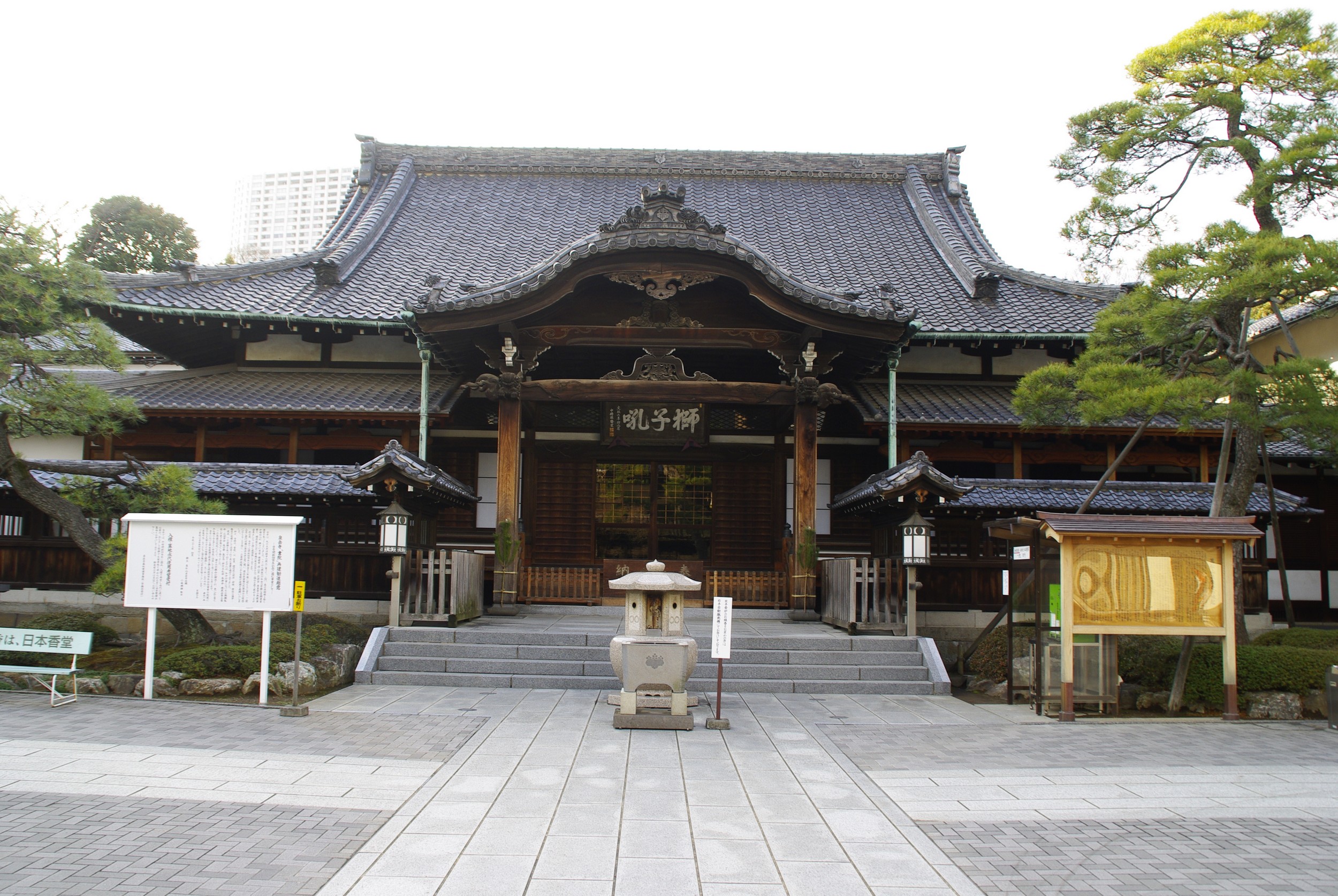
The day is half gone and was not really successful up to now. Place 2 on the worst-day-list behind Inuyama. I get the train to Shinagawa to visit the grave of the 47 ronin. The temple is nothing special. A unspectacular standard one. But the graveyard is well frequented. Hundreds of incense sticks are burning everywhere around the tombstones. The 47 ronin are more important figures in the Japanese culture than I thought.

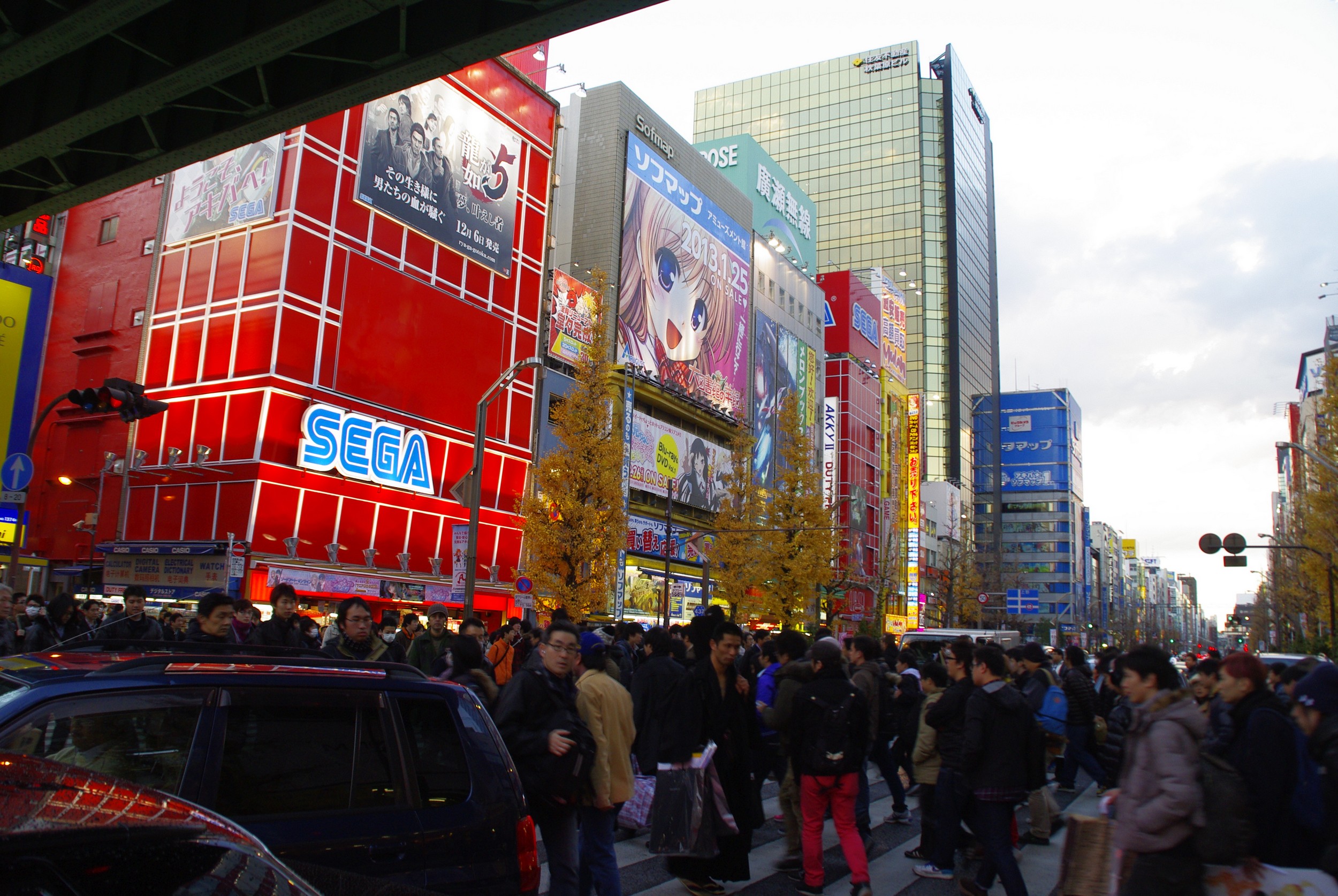
At the late afternoon I take a stroll thru Akihabara. I want to buy special souvenirs and visit some Maiden Cafes. Pictures are not allowed. And I also will not report about this places here. Just: You are called „o-sama“ or „Master“. This is a very strange place, even for Japan. It is part of the Otaku subculture. Totemo hen.

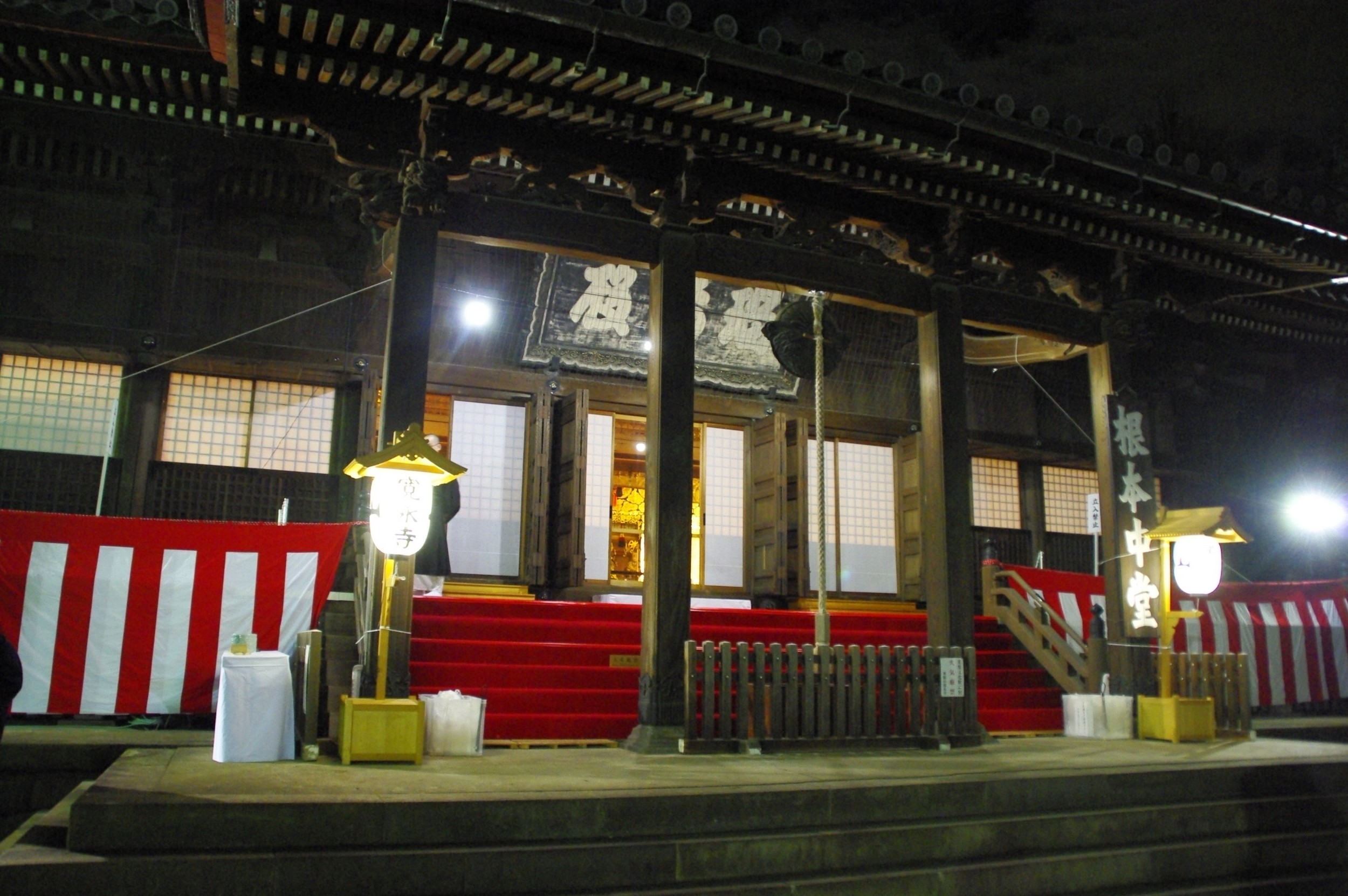
At 6pm I am back at hte hotel. The lady at the reception desk promised me to ask the hotel owner for a good temple. Senno-ji and Zojo-ji will be a very impressive place tonight. But the chance to ring the bell will be zero. And many gaijins are there too. His suggestion is the Kane-ji at the northern end of Ueno-park. I never heard about this temple; the Lonely Planet neither. My chances to ring the bell seems to be good.

Impressions of Tokyo

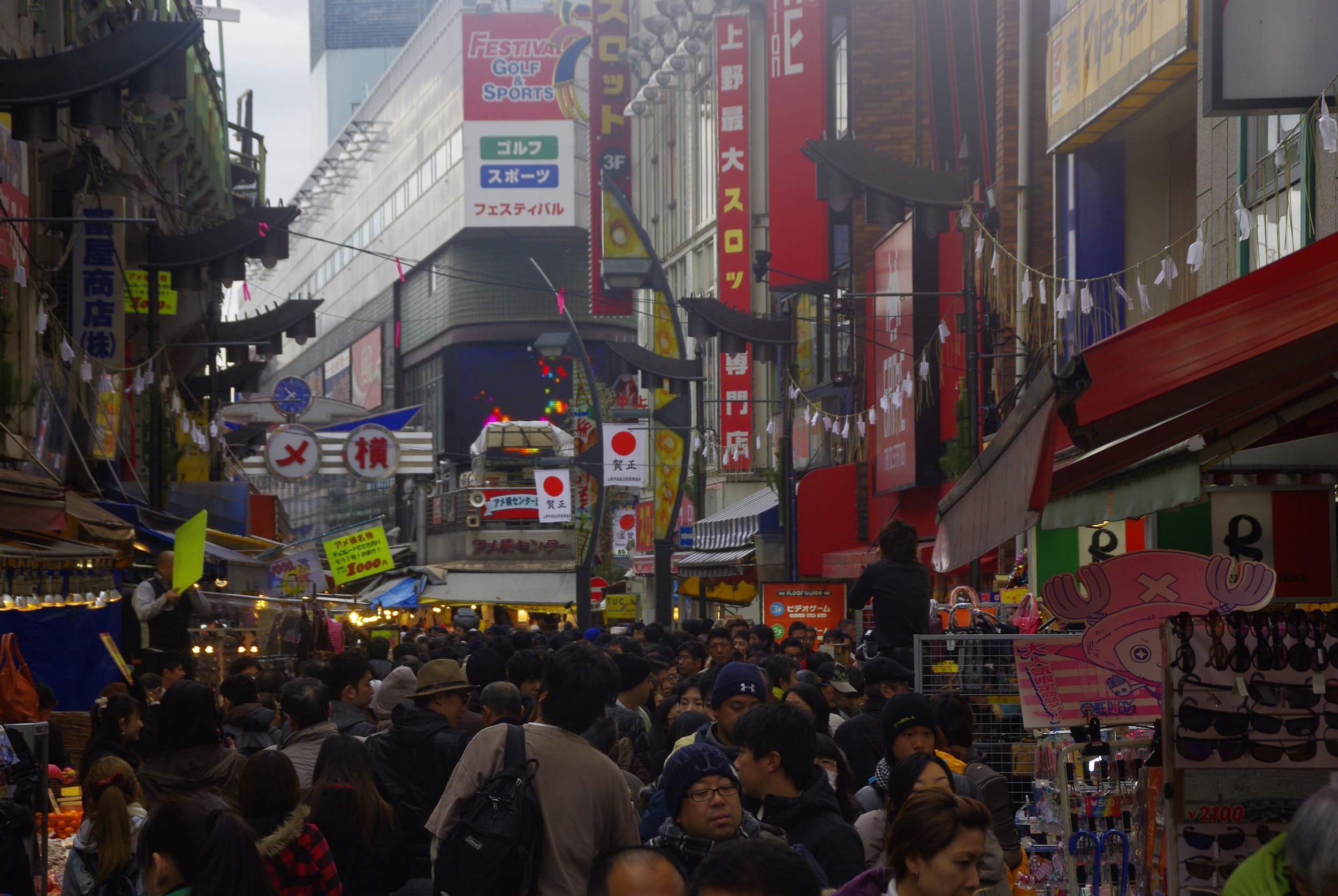
I kill some timein the shopping streets of Ueno. Here it is like on a farmer’s market. I have dinner in a small place I found by accident. Kariage. Then I stop in the english pub next to the Ueno park. I meet an british guy. We talk until 10pm. Then I start to the temple.

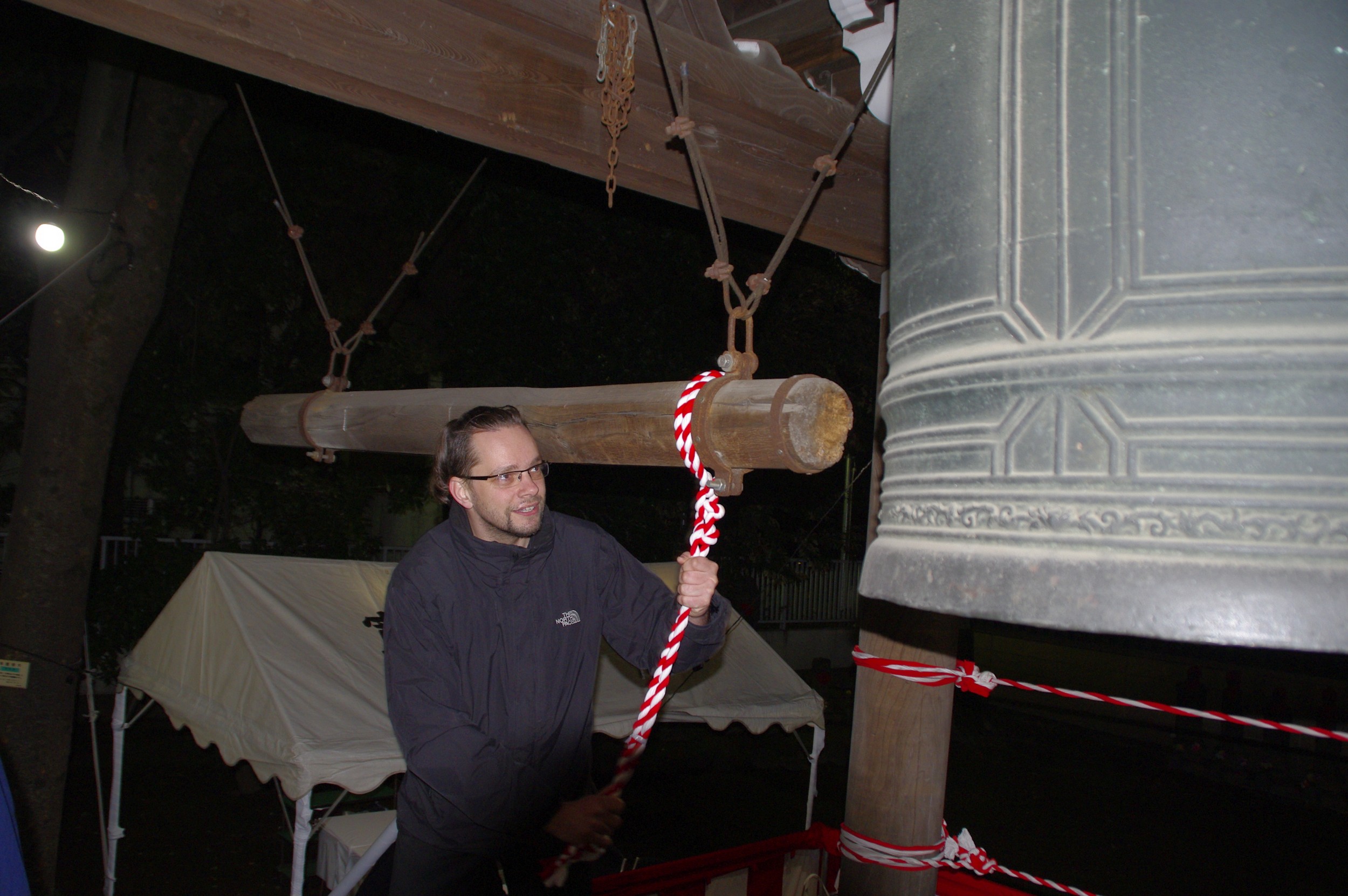
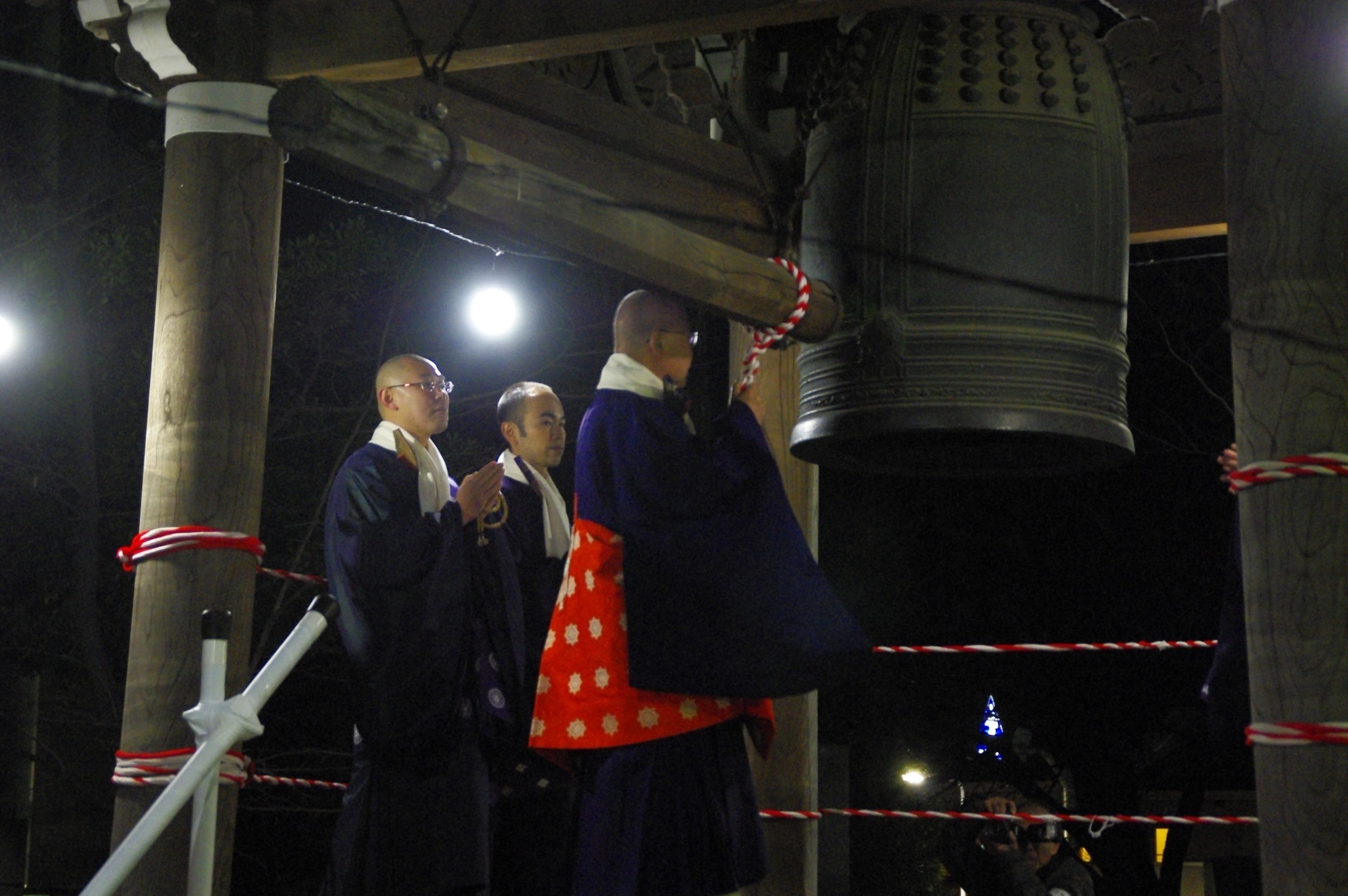
This place looks empty. Am I at the right place? The bell is prepared. And a tent is there too. I observe a lady buying a ticket with a number. This looks promising. I try the same. Wow. The monks writes my name into the temple book. I get the number 10. Now it is official. I will ring the temple bell !

A few minutes after 11pm all guest are pleased to enter the temple. We are sitting here with 10 people but they are getting more. At 11:30pm the monks arrive and start the chanting followed by prayers. I hear drums. I suck in this moment with all my senses. It is one of the moments where you left behind the tourist and dive deep into the Japanse culture. It is as special at the Mikoshi-carrying in 2010 or the moon viewing in 2004.

Then the moment gas arrived. We walk to the bell. At midnight the head priest is doing the first strike. The other monks follow. Then we civilians are allowed to ring the bell. Number 10. My turn. I walk up the stairs, grab the rope, haul off and strike the wooden log against the iron bell. I stop the log so that no second strike will happen. That’s it. That’s all. While the other 88 complete the 108 chimes (108 in total – 10 monks – 9 before me – myself), I drink some sake and talk with other guest. Two observations: I am the only gaijin. And the older the person the louder and powerful the strike of the bell. It really is loud. It gives you a jerk.

New Year at the Kane-ji

After the 108 official chimes we add some more inofficial. Everyone who was helping the temple staff is ringing now. And I ring the bell again. Twice. This time with more power. After a few more cups of sake I walk back to the hotel. It is 2am. All the time it was a Tokyo night like any other night. No fireworks, no party on the streets. So completely different from Germany.

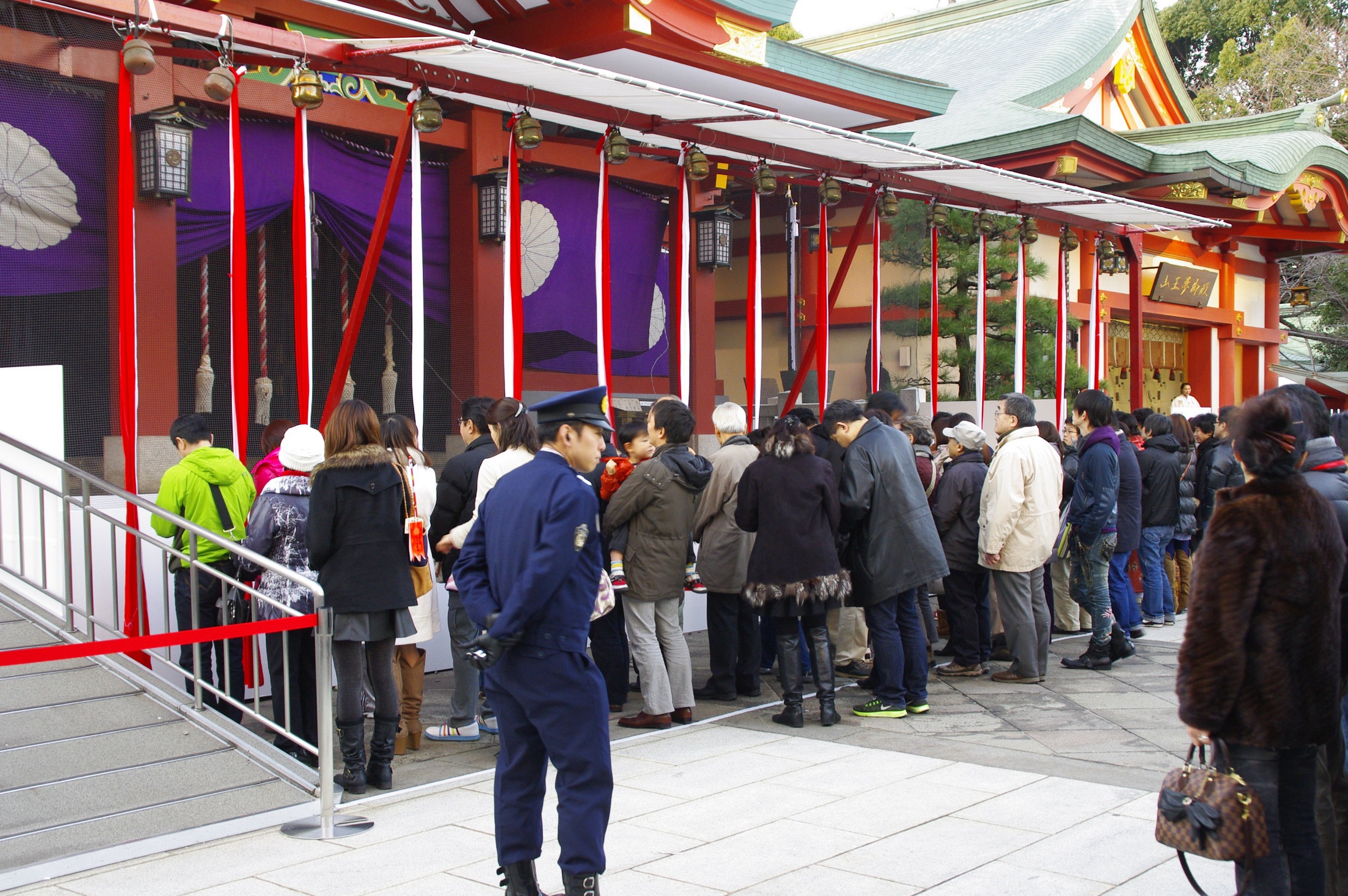
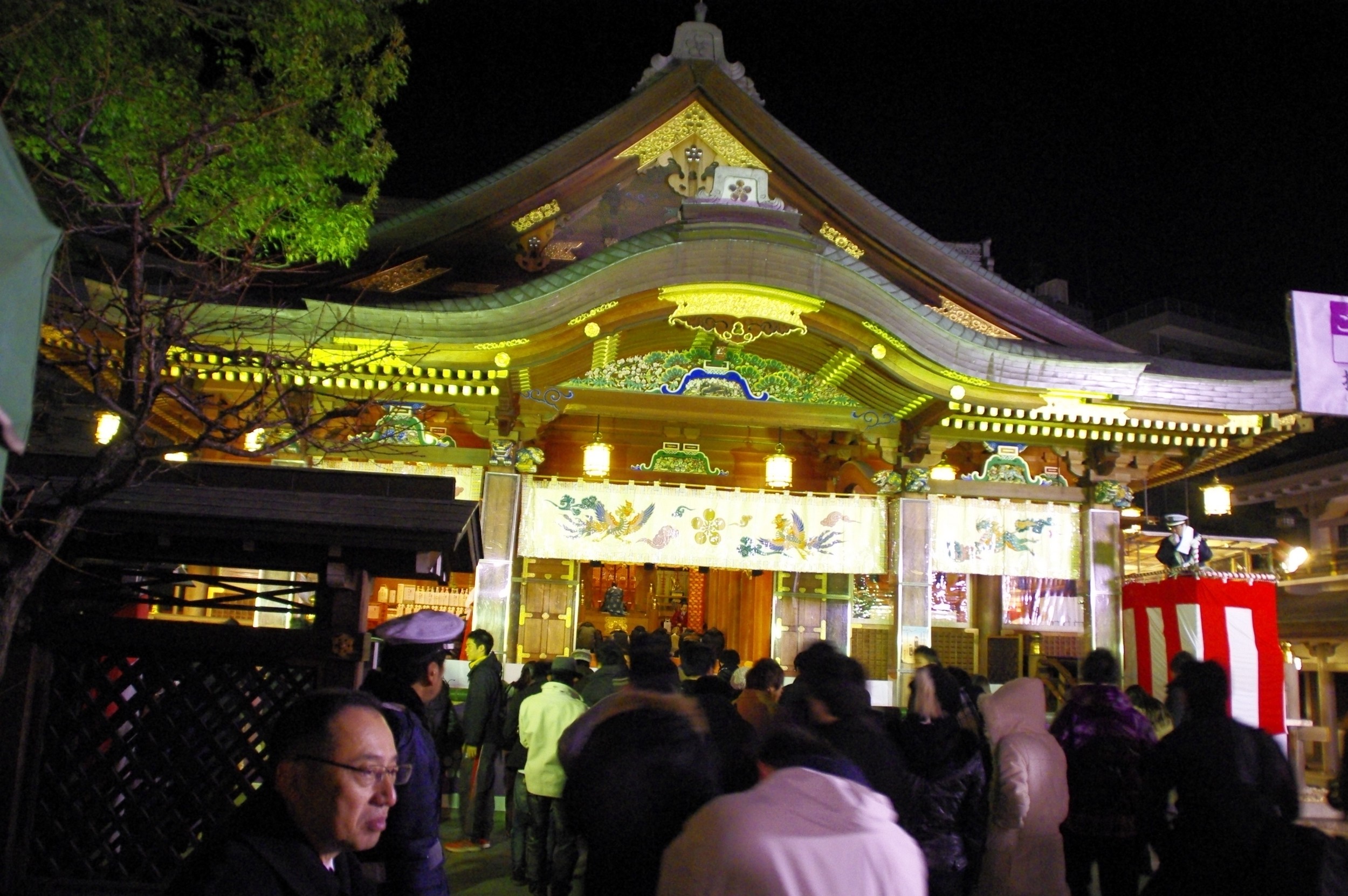
Only at Yushima Tenmangu this night differs from a usual night. It is crowded. The police has blocked the road for cars. There is a at least 200m long queue in front of the shrine. A strange way to celebrate New Year: Queueing to throw 100 yen into a wooden box.

For me it was a very special start into the new year. I always celebrated this way a little bit different. This time I outclassed myself: I am 1 of the 108 people who rang the bell at Kane-ji to start the year 2013 (Heisei 25).

[deutscher Blogeintrag]